REVIEW · AGIOS NIKOLAOS
Richtis Waterfall, History, Azoria, OliveTasting, NorthCoast
Book on Viator →Operated by Adventure Crete · Bookable on Viator
Cold water, ancient trees, and real off-road Crete. This is a full-day 4×4 Land Rover trip into eastern Crete’s countryside, built around Richtis Gorge and the lesser-visited archaeological area of Azorias. I love how the day mixes active nature time (including a swim) with slow, human-scale stops like an olive oil tasting and an ancient tree; the main consideration is that the waterfall area takes walking on uneven ground, so you’ll want good shoes and a solid basic fitness level.
What makes it especially practical is the pacing and the small group size: the tour caps at 6 travelers, which keeps things from feeling like a conveyor belt. I also like the value for the price because lunch, bottled water, and even alcoholic beverages are included, plus you get hotel pickup in most of the east-coast resorts. The one thing to watch is that the entrance to the Richtis Gorge is not included, so you should budget a little extra on top.
With departure starting at 8:30 am, you’ll spend the first part of the day moving through the mountains, then settle into the stops that matter: waterfall, ancient olive, Late Minoan settlement of Azoria, and finally an olive oil factory visit in Agios Nikolaos. This tour is rated 4.9 out of 5 with 83 reviews, and it’s recommended by 98% of people who took it.
In This Review
- Key things to love about Richtis Waterfall and Azoria
- Why this 4×4 Land Rover day is a smart use of time in Crete
- Pickup and logistics: where you can join, and what it means for your day
- Entering Richtis Gorge: the waterfall swim stop and what to expect
- Azorias Ancient Olive Tree: seeing 3,250 years up close
- The Late Minoan settlement of Azorias: the “lost city” moment
- Agios Nikolaos and the olive oil tasting: turning the story into a flavor
- Voulisma beach on the way back: a final coast check
- What to pack for this day: swim gear and shoes matter most
- Guide quality and small-group energy: why the names keep showing up
- Value check: is $119.47 a good deal for what you get?
- Who should book this tour, and who might prefer something else
- Should you book Richtis Waterfall and Azoria?
- FAQ
- How long is the Richtis Waterfall and Azoria tour?
- Does the tour include hotel pickup?
- Is lunch included, and can I eat vegetarian?
- Can I swim at Richtis Gorge?
- Is the entrance fee to Richti Gorge included?
- What parts of the itinerary have admission included?
- How big is the group?
Key things to love about Richtis Waterfall and Azoria
- Small group (max 6): easier conversations with your guide and more time to ask questions.
- 4×4 Land Rover route: you’re not stuck on main roads for hours.
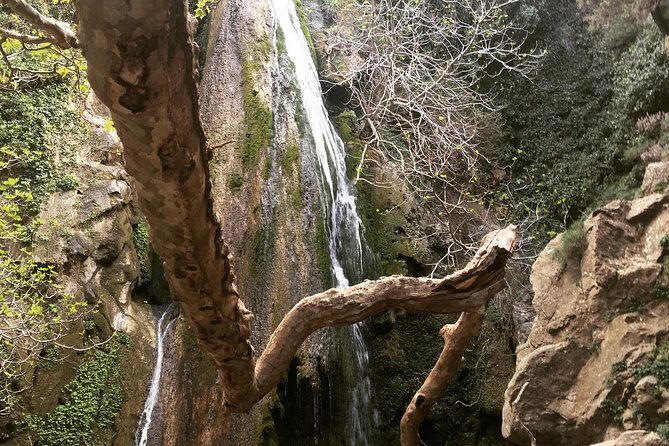
- Richtis Gorge swim stop: the waterfall area is built for a quick dip in cold fresh water.
- 3,250-year-old olive tree at Azorias: an ancient landmark you can actually see up close.
- Late Minoan Azoria settlement: you get away from the usual tourist tracks.
- Olive oil factory tasting in Agios Nikolaos: lunch plus sampling ties the day together.
Why this 4×4 Land Rover day is a smart use of time in Crete
If you only have a few days in Crete, it can be tempting to stick to the coast. This tour is a reminder that the island’s best stories often start inland. You’ll ride out in a Land Rover-style 4×4 to creeks, gorge paths, and olive country, with stops designed to feel connected rather than random.
I also like the way the day doesn’t overload you with tiny photo stops. Instead, the itinerary gives each major place enough time to feel real: a longer waterfall window, short but meaningful archaeology time, and a tasting stop that turns food into a memory. And yes, you’ll get time to look at the coast again on the way back, so the day doesn’t feel like you’re abandoning the sea.
One more value point: the tour is offered in English, and it’s set up for a small group. That matters on a full-day outing, because you’re dealing with changing terrain and a tight clock.
You can also read our reviews of more tours and experiences in Agios Nikolaos.


Pickup and logistics: where you can join, and what it means for your day
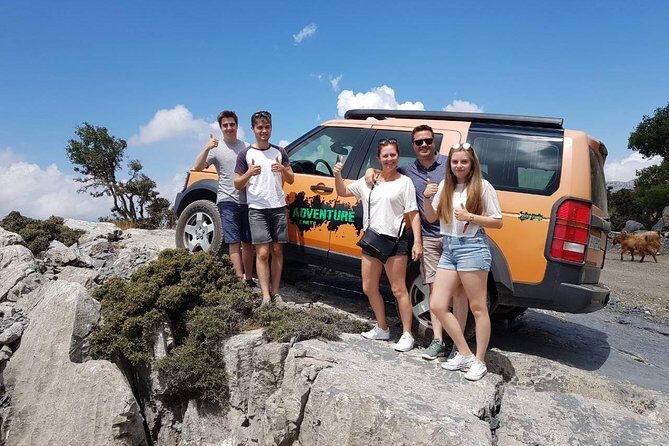
The tour starts at 8:30 am and includes hotel pickup for many east-coast areas. If you’re staying around Chersonissos, Malia, Sissi, Agios Nikolaos, Elounda, Istron, or Ierapetra, you can be picked up from your hotel villa or apartment. They do not do pickup from Chania or Rethimno, and Heraklion pickup is only mentioned for VIP tours.
This is the kind of setup that changes the experience. You don’t lose your morning to taxis or figuring out meeting points, and you’re not stressed about returning to a rental car after a swim and a long day. You can also keep the day lighter, since the tour provides bottled water and the vehicle is air-conditioned.
Price-wise, $119.47 per person feels fair for a 7-hour outing with a private-feeling group size, lunch, and the included drive through multiple regions. The one extra you may need to plan for is the Richti Gorge entrance fee, which is not included.
Entering Richtis Gorge: the waterfall swim stop and what to expect
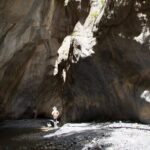
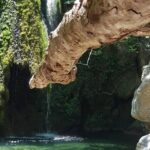
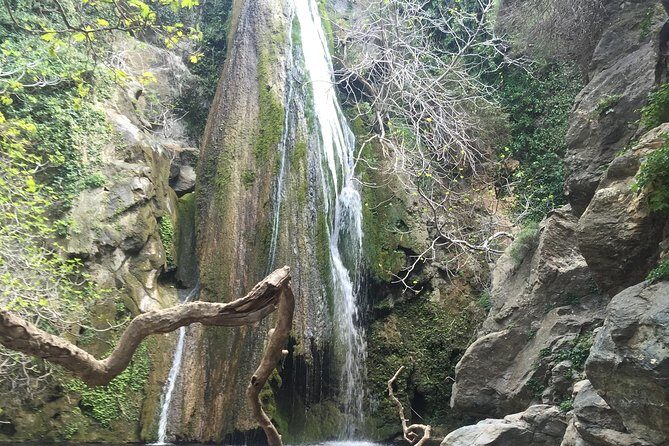
Richtis Gorge is the headline because it delivers what you actually want from a gorge visit: a real waterfall, cool water, and a short hike that feels like you’re going somewhere, not just standing at a viewpoint. The time at the gorge is about 1 hour 30 minutes, and it’s designed around experiencing the water closely.
Here’s the practical bit: you’ll need good shoes. The path and ground in gorge areas can be uneven and slippery, especially if conditions have been wet or the rock stays slick. You’ll also want your swimming costume and a towel, because the tour specifically builds in a chance to swim in the cold sweetwater pool.
One more small caution that’s easy to miss: the entrance to Richti Gorge is not included. That doesn’t make the tour worse, but it does mean your final day cost is a bit higher than the headline price once you add that ticket.
If you love nature time where you’re actively participating, this stop is the payoff. If you’re only interested in watching from a distance, tell yourself up front that this is partly an on-your-feet experience.
Azorias Ancient Olive Tree: seeing 3,250 years up close
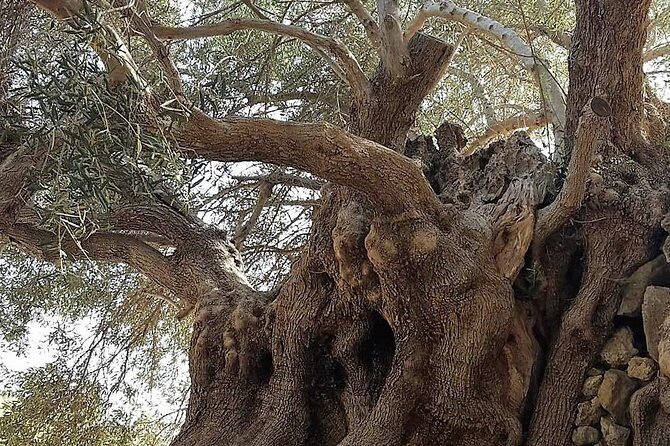
After the water, you get a complete mood shift. The stop at Azorias Ancient Olive Tree is brief—around 20 minutes—but it’s the kind of stop that stays with you because you can see the age. The tree is said to be around 3,250 years old, and that makes even a short visit feel like time travel.
This is also where the tour starts connecting places to daily life. Olive trees aren’t just scenery on Crete; they’re part of the island’s long-term agriculture. You’re going from a waterfall shaped by water and rock to a plant shaped by human patience, and the guide’s explanation is typically part of what makes it click.
A key plus: the admission here is included, so you don’t have to manage tickets mid-day.
The Late Minoan settlement of Azorias: the “lost city” moment
Next up is the archaeology stop: the Late Minoan Settlement of Azorias, a site that’s still being worked on, with excavations ongoing. You’ll have about 30 minutes here, and the tour frames it as a place far from the normal tourist paths.
The value of this timing is that it keeps your day balanced. You’re not stuck in a long museum-style explanation, but you still get enough time to walk the area and absorb the idea that you’re looking at a living research site, not a fully finished attraction.
Just be aware of the energy shift. Gorge time is physical. Olive tree time is reflective. Archaeology time is more about attention and understanding. If your trip style is more “move, see, take photos,” this is still a good stop, but it helps to enjoy a slower pace and let the guide connect the dots.
Admission for this stop is also included.



Agios Nikolaos and the olive oil tasting: turning the story into a flavor
Once you reach Agios Nikolaos, the day becomes deliciously practical. The stop is about 30 minutes and focuses on olive oil tasting plus a visit to a family factory where olive oil and olive-based products are made.
This is where the tour stops being only scenic. Olive oil in Crete isn’t a souvenir category; it’s a product tied directly to the agriculture you saw inland. After the ancient tree and the Azoria settlement, the tasting feels like a “why it matters” moment rather than a random food stop.
Admission for the factory visit and tasting is listed as free in the itinerary, which is another value win. Lunch is included earlier in the day as well, and the tour provides traditional Cretan food, plus you’ll likely get a view while eating since lunch is described as served in a beautiful setting.
One extra plus: the tour includes alcoholic beverages. That can help take the edge off a long day, especially after a cold-water swim.
Voulisma beach on the way back: a final coast check
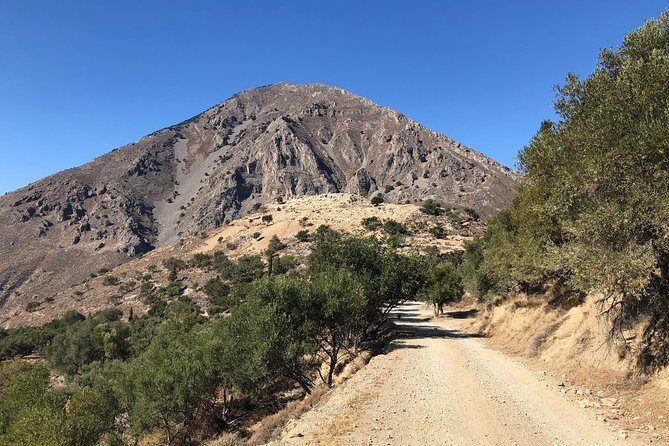
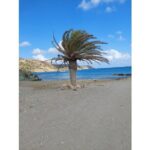
On the return drive, you’ll pass Voulisma beach. This isn’t the main event, but it’s a nice “see the coast again” moment before you head back to your pickup area. It helps your brain re-anchor the geography of Crete after hours in the mountains.
If you’re the type who likes to compare environments, this last look is useful. You get fresh water and mountain paths in the morning, then a coastline perspective to close out the day.
What to pack for this day: swim gear and shoes matter most
The tour gives you a clear clue about what you’ll need: good shoes and basic physical readiness. It also explicitly asks you to bring swimming costume and towel. Plan for the fact that the waterfall stop includes actual water time.
Beyond that, keep it simple:
- comfortable footwear that can handle damp ground
- swimwear and a towel you don’t mind getting wet
- a dry change of clothes in your bag
Because this is a full day (about 7 hours), I’d also carry a small layer even though it’s not listed. Gorge and mountain air can feel cooler than you expect, and after swimming, that matters.
Guide quality and small-group energy: why the names keep showing up
A big reason this tour earns such high marks is the guide style. In the experiences tied to past departures, guides such as Michael, George, André, and Petra are highlighted for passion, local knowledge, and smooth handling of the group.
There’s also one practical detail worth noting: some guides can switch languages easily for mixed groups. If you’re traveling with people who speak different languages, that kind of flexibility can save the day from turning into one person translating every sentence.
For you, the benefit of a small group is simple: you’re less likely to get rushed. When there are only up to 6 travelers, the guide can slow down if someone needs extra time at a stop, or give clearer direction on the path to the waterfall.
Value check: is $119.47 a good deal for what you get?
Let’s break it down in plain terms.
Included:
- Hotel pickup and drop-off for many east-coast areas
- 4×4 transportation
- Lunch and bottled water
- Air-conditioned vehicle
- Alcoholic beverages
- Admission included for Azorias Ancient Olive Tree and Late Minoan Azorias settlement
- Olive oil factory tasting in Agios Nikolaos is listed as free
- Mobile ticket and English offering
Not included:
- Richti Gorge entrance
When you compare that to typical day tours where lunch is usually basic and groups are large, this one looks like a decent value. You’re paying for the combination: a ride that actually takes you off main routes, a natural highlight with time to swim, plus two cultural stops tied to Crete’s agricultural and archaeological roots.
The only real “gotcha” is the gorge entrance ticket. Still, even with that added, you’re getting multiple included experiences rather than paying separately for every stop.
Who should book this tour, and who might prefer something else
This is a strong match if you want:
- a nature-and-culture day in one package
- a small group outing rather than a bus day
- a chance to see ancient agriculture and a working archaeological site
- a realistic swim stop, not just a quick dip in a pool
It’s also a good family option in the sense that one highlight from past experience involved a 10-year-old who loved the day. That said, the tour requires good shoes and a basic fitness level. Children must be accompanied by an adult.
If you have mobility limitations and worry about uneven gorge terrain, you might find the waterfall approach more challenging than a pure viewpoint tour.
Should you book Richtis Waterfall and Azoria?
I think this tour is worth booking if you’re excited by real inland Crete and want a day with clear variety: waterfall swim, ancient olive tree, Azoria archaeology, and olive oil tasting. The small group limit makes it feel less crowded, and the mix of included meals and beverages helps the day feel complete.
Book it now if you’re staying in the pickup zone and can handle a hike on gorge terrain. Consider choosing something else if you’re not comfortable with uneven paths or you dislike swims and active stops.
If you do book, my best advice is simple: pack your swim gear, wear shoes you trust, and let the day unfold at the pace the guide sets. This isn’t a sprint through Crete. It’s a day designed to make the island make sense.
FAQ
How long is the Richtis Waterfall and Azoria tour?
The tour runs about 7 hours (approximately) and starts at 8:30 am.
Does the tour include hotel pickup?
Yes, pickup is offered from your hotel villa or apartment in areas including Chersonissos, Malia, Sissi, Agios Nikolaos, Elounda, Istron, and Ierapetra. Chania and Rethimno pickups are not offered. Heraklion pickup is only for VIP tours.
Is lunch included, and can I eat vegetarian?
Lunch is included. A vegetarian option is available, and you should request it at the time of booking.
Can I swim at Richtis Gorge?
Yes. You should bring a swimming costume and towel, since there is time to swim in the cold sweetwater pool.
Is the entrance fee to Richti Gorge included?
No. Entrance to Richti Gorge is not included.
What parts of the itinerary have admission included?
Admission is included for Azorias Ancient Olive Tree and the Late Minoan Settlement of Azorias.
How big is the group?
The tour has a maximum of 6 travelers, so it’s designed to feel small and manageable.