REVIEW · CRETE
Lychnostatis Open Air Museum: Entry Ticket with Add-Ons
Book on GetYourGuide →Operated by Cretan Open-air Museum LYCHNOSTATIS · Bookable on GetYourGuide
Cretan culture lives in the open air here. Lychnostatis lets you walk through recreated village life, with stops for crafts, farming, and everyday home scenes that help you understand Cretans as more than a postcard. This is a smart one-day visit if you like culture you can see, not just read.
I especially like how traditional village houses are built into the experience, so you don’t just look at objects behind glass. I also love the practical range: from an olive oil press and a distillery scene to workshops like weaving, shoe-making, and bees and wax.
One thing to consider: the experience is guided in Greek, so if you don’t read Greek, you’ll want to rely on what the exhibits communicate visually and what the guide can do for you in a group setting.
In This Review
- Key things that make Lychnostatis worth your time
- What you’re actually buying (and why $10 feels fair)
- Getting to Lychnostatis and planning your day
- Walking the recreated Cretan village: houses, chapel, and daily life
- A distillery inside a traditional house
- The “workshops loop”: crafts, tools, and how people made a living
- Plant-dying and herbs: when “nature” becomes culture
- Gardens, minerals, and the museum’s environmental side
- The library and art spaces: a quieter break from the walk
- Auditorium shows and the open-air theater (the part worth syncing with your time)
- The temporary exhibitions hall: when you want extra context
- Museum café and souvenirs: keep the day moving
- Add-ons: film vs. guided tour, and how to choose
- What I’d watch for on-site (so you don’t miss the best stuff)
- Who Lychnostatis fits best (and who might want to think twice)
- Should you book Lychnostatis? My take
- FAQ
- What’s included with the entry ticket?
- How long does the visit last?
- What add-ons are available for the ticket?
- Is there a live guide?
- What can I see at the museum?
- Are food and drinks included?
Key things that make Lychnostatis worth your time
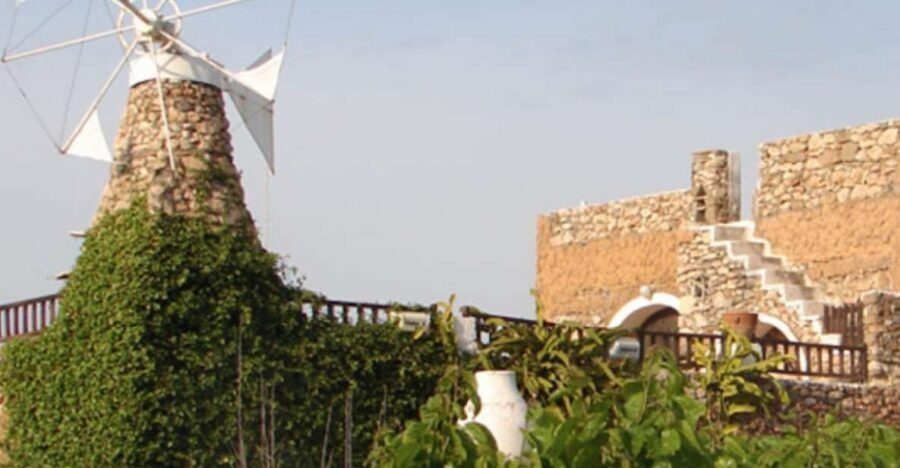
- Village houses that feel walk-in real, not staged “look-but-don’t-touch” culture
- Tsikoudia (raki) distillery and oil-press areas that connect drinks and food to old tech
- A library with Cretan books and periodicals for a quieter, brainy break
- On-site auditoriums and theaters for audio-visual shows and cultural events
- Craft workshops and nature exhibits that cover daily work and local environment in one loop
- Museum café where you can round out the visit with something typically Cretan
What you’re actually buying (and why $10 feels fair)
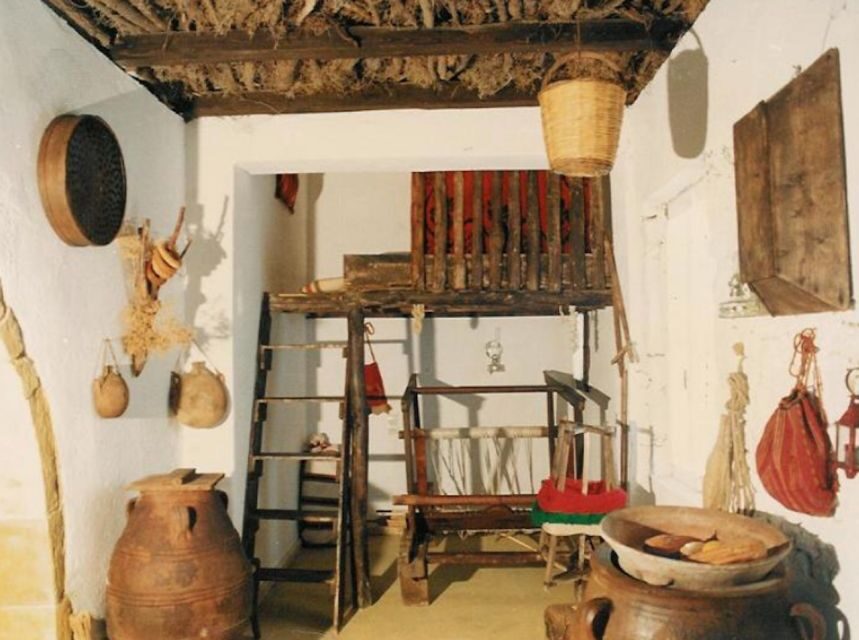
The entry ticket to Lychnostatis is priced around $10 per person for a 1-day visit. That’s not just “pay to get in.” You get time to explore the museum at your own pace, plus the option to add an audiovisual film or a guided group tour (depending on what you select).
If you like museums that you can physically walk through, this is good value. You’ll spend your day moving between traditional dwellings, workshops, and garden areas that are meant to show how people lived and worked. And because it’s an outdoor layout, you get a little breathing room compared with museums where everything is packed into one indoor floor.
Food and drinks aren’t included, so budget a bit extra if you plan to snack or sip something at the café.
A few more Crete tours and experiences worth a look

Getting to Lychnostatis and planning your day
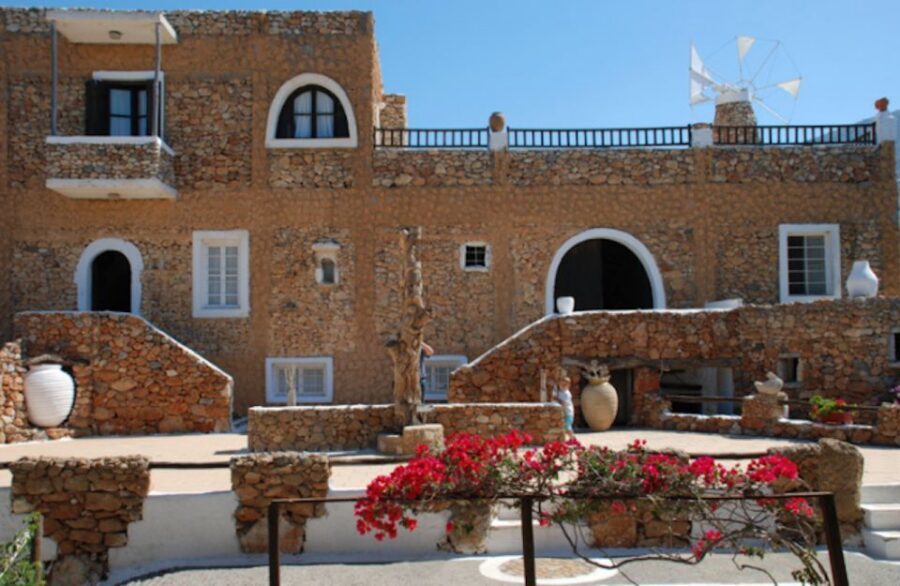
Start at Lychnostatis Open Air Museum itself. The practical note is that it’s easiest to reach by car or taxi. The ticket works for a single day, and availability can affect starting times, so it’s worth planning your day around when you want to arrive rather than treating it as a last-minute wandering plan.
I’d aim for an earlier start if you want to see everything without rushing. With so many buildings and workshops, you’ll feel the difference between taking your time and sprinting between stops.
Also note: the experience is wheelchair accessible, which is helpful for planning if you’re traveling with mobility needs. If you’re using a stroller or have limited mobility, you’ll still want to consider comfort breaks, because it’s spread out and it’s outside.
Walking the recreated Cretan village: houses, chapel, and daily life
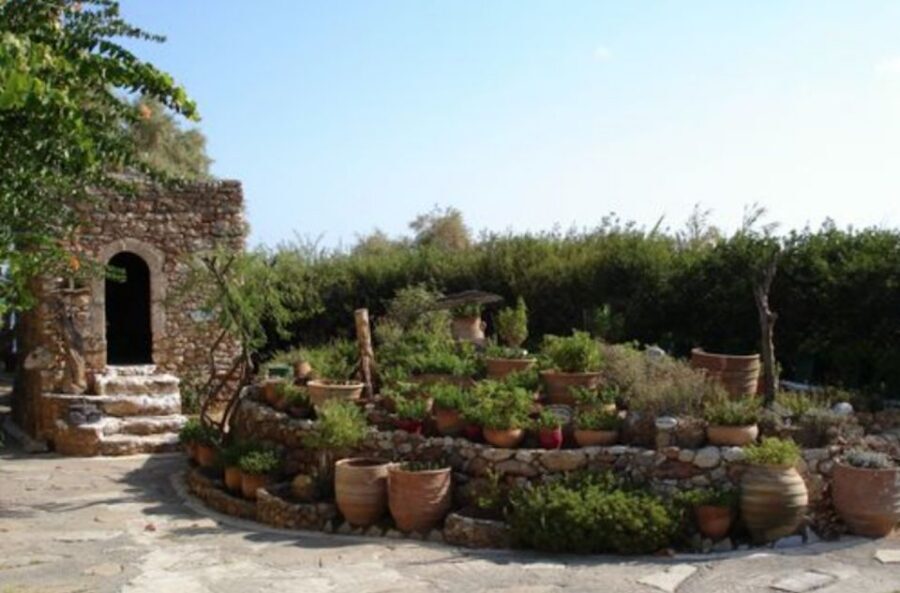
The core appeal is that Lychnostatis recreates elements of Cretan folk life in a walkable environment. You’ll move through traditional village house interiors and other structures designed to explain what life looked like about 200 years ago.
Here’s what makes this section click: it’s not only “heritage as decoration.” You see how space functioned. Rooms and settings help you connect everyday routines—where people slept, how work happened nearby, and how domestic life linked to the local economy.
You’ll also encounter a chapel as part of the village feel. It’s a reminder that religion wasn’t separate from daily life—it was part of how people understood time, community, and identity.
A distillery inside a traditional house
One highlight is being able to step into a traditional village setting and see a distillery interior. Since distilling is part of the story of Cretan food and drink culture, it’s a concrete way to turn a cultural stereotype into an actual process. You’ll see how something like tsikoudia (raki) fits into production and tradition, not just as a shot at a tavern.
The “workshops loop”: crafts, tools, and how people made a living
Lychnostatis doesn’t treat crafts as side quests. It strings them together so you can get the feel of a working day in the countryside.
As you explore, look out for these craft and production areas:
- an olive oil press
- a tsikoudia (raki) distillery
- a threshing floor
- a ceramic shop
- weaving and plant-dying workshops
- a bees and wax workshop
- shoe-making and carpentry
- an herbarium plus gardens, depending on what’s open during your visit
What I like about this approach is that it gives you context. Olive oil is easy to buy today, but seeing the press area helps you understand why oil mattered—economically and socially. And textile work (weaving and dyeing) becomes more than a pretty craft when you realize it connects to what people wore, how long clothes lasted, and how raw plants became color.
You can also read our reviews of more museum experiences in Crete
Plant-dying and herbs: when “nature” becomes culture
Cretan nature shows up in a practical way. The museum includes an herb garden and a Cretan fruit garden, plus an herbarium. That combination helps you see that local plants weren’t only for eating. They were part of the toolkit for dyeing, medicine, and everyday survival.
If you like travel photography, this section also gives you a different kind of scene: not ruins, not scenery. It’s people’s relationship with plants and materials.
Gardens, minerals, and the museum’s environmental side
Lychnostatis isn’t only about houses and tools. It also includes exhibitions related to the nature and environment of Crete, including a mineral and stone exhibition.
You’ll also get additional environmental context through gardens and displays. This matters because it turns the story from “Cretan culture = buildings” into “Cretan culture = people responding to a specific landscape.”
If you’re the type who likes museums with both art and science flavors, this layout will feel more balanced than many outdoor history places.
The library and art spaces: a quieter break from the walk
Between workshops, it’s smart to take a slower stop. The museum includes a library stocked with Cretan books and periodicals, which is perfect if you want to cool down and let your brain catch up.
There’s also a Cretan folk artists’ gallery. This is where you can shift from “how things were made” to “how things were expressed.” Even if you don’t spend ages reading, these indoor areas help you regain energy before you continue out into the gardens and workshops.
Auditorium shows and the open-air theater (the part worth syncing with your time)
Lychnostatis has two event spaces:
- an auditorium with 100 seats for audio-visual shows and seminars
- an open-air theater with 250 seats for cultural and artistic events
If you select the audiovisual film add-on, this is where that experience fits. I treat the film as a “compression tool.” When you watch it after walking a few areas, it tends to make the symbols and themes click faster.
The schedule isn’t provided here, so don’t count on a specific time. Instead, when you arrive, check what’s showing and decide whether it matches your pace. If you’re the type who hates sitting still, plan to use the auditorium briefly rather than treating it like a long commitment.
The temporary exhibitions hall: when you want extra context
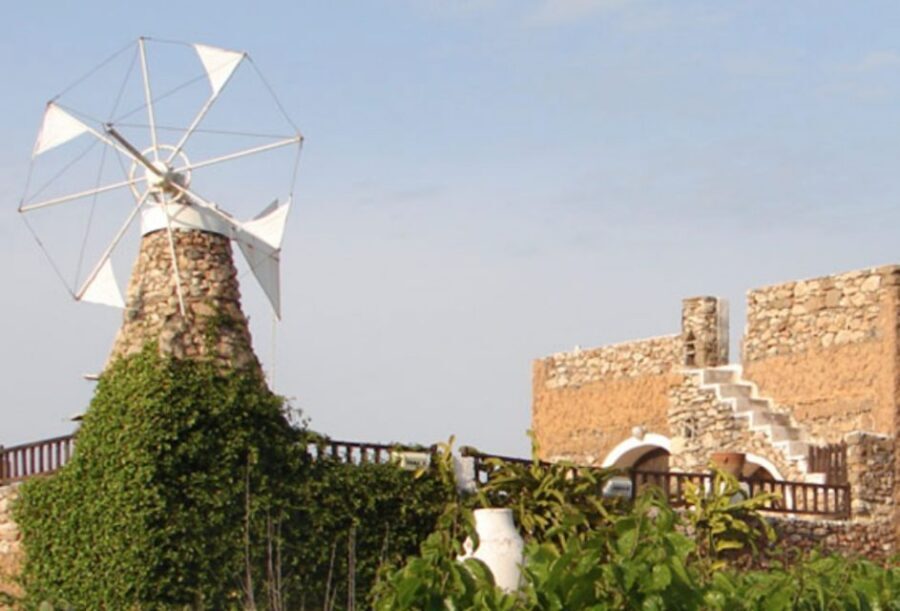
There’s also a temporary exhibitions hall. This can be your “bonus round” if you finish your main loop early or you want a different angle on Cretan life and culture beyond the permanent setups.
The upside of temporary halls is variety. The tradeoff is that it can change from one day to the next. If you love a museum that always has one surprise, this is where you’ll get it.
Museum café and souvenirs: keep the day moving
After you’ve done the walking and the workshops, you’ll find the museum café where you can grab a typical beverage or sweet. It’s a nice place to pause without leaving the museum grounds, which matters because your momentum is part of what makes this day enjoyable.
There’s also a souvenir shop. I’d treat souvenirs here like you would in any good museum: buy one small thing only if it genuinely connects to something you saw. Otherwise, you’ll just end up with more stuff and less memory.
Add-ons: film vs. guided tour, and how to choose
You can keep it simple with the entry ticket and free time. Or you can add one of the experiences offered:
- Audiovisual film: best if you want background that helps the outdoor scenes make sense sooner.
- Private guided group tour: best if you prefer interpretation and want someone to point out what matters while you’re moving.
Here’s how I’d choose:
- If you enjoy reading signage and watching your own pace, start with free time, then add the film if there’s a slot that fits.
- If you like having context and don’t want to guess what you’re seeing, lean toward the guided tour option. It’s especially helpful in sections where the meaning of tools and processes might not be obvious at a glance.
Either way, remember the guide language is Greek, so if you’re not comfortable with it, you may want to rely more on the museum’s visuals and your own observation.
What I’d watch for on-site (so you don’t miss the best stuff)
This place is about details. You’ll see a lot of “small stories,” and it’s easy to rush and miss them. My advice:
- Take a moment to orient early, then pick a loop so you don’t backtrack too much.
- Spend extra time at the distillery and oil-related areas, because they connect directly to Cretan food and drink culture.
- If you’re tired, retreat briefly to the library before you keep walking. It’s the easiest way to recharge without losing the thread of your day.
- Keep your information sheets handy, but be prepared for the general reality of paper in outdoor weather. If you’re the type who keeps everything neat, consider protecting them in something like a folder or sleeve.
Who Lychnostatis fits best (and who might want to think twice)
Lychnostatis is ideal if you:
- want an outdoor museum that’s walkable and not just a view
- care about how daily life and crafts shaped Cretan identity
- enjoy practical culture: tools, production, gardens, workshops
- like the idea of pairing walking with a film or guide explanation
It’s less ideal if you:
- only want major-ticket landmark sights and short visits
- need everything explained in a language you speak comfortably (the guide language listed is Greek)
- hate any outdoor walking, even though it’s still a museum setting
Should you book Lychnostatis? My take
Yes—if you’re the kind of traveler who likes understanding a place through how people actually lived, this is a strong choice. For about $10, you get a full day of recreated village life, plus optional interpretation through film or a guided tour. The museum’s mix of houses, production, crafts, gardens, and indoor cultural spaces makes it feel like a complete Cretan ecosystem instead of a single theme.
If you’re on a tight schedule, treat it as a planned stop, not a casual detour. But if you can spare the time, Lychnostatis is one of those visits that turns culture from words into lived-in rooms and workshop reality.
FAQ
What’s included with the entry ticket?
The entry ticket covers access to the museum, includes free time to explore, and you can also choose options like an audiovisual film or a private guided group tour if you select those add-ons.
How long does the visit last?
The ticket is valid for 1 day, so you can plan on spending a full visit time at the museum.
What add-ons are available for the ticket?
You can add an audiovisual film option or a private guided group tour option, depending on what you choose.
Is there a live guide?
If you select the guided option, you’ll have a live tour guide. The listed language for the experience is Greek.
What can I see at the museum?
You’ll find recreated traditional village spaces and craft areas such as a tsikoudia (raki) distillery, olive oil press, weaving and plant-dying, bees and wax, shoe-making, carpentry, plus indoor areas like a library and temporary exhibitions hall, and event spaces like the auditorium and open-air theater.
Are food and drinks included?
No. Food and drinks aren’t included, but there is a museum café where you can get typical beverages and sweets.