REVIEW · HERAKLION
Minoan Luxuries: Ancient Palaces, Messara Wineries & Matala
Book on GetYourGuide →Operated by Crete Private & Luxury Tours by Snami Travel · Bookable on GetYourGuide
Crete’s south-central plain packs an astonishing amount into one day: a sacred cave, two major Minoan-era sites, family wineries, and a swim at Matala Beach. I like the way this private tour links ancient places with present-day Cretan food and wine instead of treating archaeology as a parade of ruins. I also like the comfort: your own chauffeured vehicle, flexible pickup, fruit and snacks, Wi-Fi, and help arranging lunch.
The main drawback is the price, $436 per person, before meals, admission fees, and wine tasting. That can be fair for a private eight-hour outing with a guide and driver, but it is not a budget sightseeing day. You should also expect a full schedule, so this suits you best if you want broad coverage rather than a slow afternoon at one site.
In This Review
- Key points at a glance
- Why this south-central Crete route works
- Saint Myronas and the cave beneath the village
- Gortyn and the famous code in Doric
- Phaistos Palace and the Phaistos disc
- The Messara Valley, vineyards, and old olive groves
- Matala Beach and the Libyan Sea
- What the private service adds
- Is $436 per person a fair price?
- Who should book this experience?
- Should you book the Minoan Luxuries tour?
- FAQ
- How long does the Minoan Luxuries tour last?
- What places are included in the route?
- Is this a private tour?
- Is hotel pickup included?
- What languages can the live guide speak?
- Are admission fees included in the price?
- Is wine tasting included?
- Are meals and drinks included?
- Who are the guide and driver?
Key points at a glance
- Saint Myronas and its sacred cave: Begin with a small-scale spiritual and village stop before the larger archaeological sites.
- Gortyn and the Doric law code: See the place linked with one of the ancient Mediterranean’s most important surviving legal texts.
- Festos Palace and the Phaistos disc: Visit the Bronze Age palace site connected with Crete’s famous undeciphered disc.
- Messara Valley wineries: Pair broad views and old olive groves with a family-run winery visit, with tasting costs handled separately.
- Matala on the Libyan Sea: End with time for turquoise water, seafood, and the village’s Bohemian past.
- Private service from Stavroula and Stefanie: A guide and driver keep the day personal, flexible, and easy from pickup to return.
Why this south-central Crete route works

Many Crete day trips force you to choose between archaeology, food, and the coast. This one makes a deliberate attempt to include all three. You move from sacred tradition to ancient law, then to Bronze Age palace culture, wine country, and a beach village.
That variety is the tour’s main strength. I would choose it for a first visit to the Heraklion region when you want to understand more than one side of Crete. You get a sense of how the island’s old centers, farming economy, religious life, and seaside culture fit together.
The route is private, which matters here. You are not tied to a large group’s pace or forced to wait for a dozen people at every stop. Pickup can be arranged from your hotel, villa, cruise ship, or another point on Crete, and the final pickup time is flexible after confirmation.
Your vehicle is described as premium and includes mineral water, Cretan fruit, snacks, Wi-Fi, USB sockets, and hygiene supplies. Those details may sound minor, but on an eight-hour route they make the road time easier, especially when you are moving between inland sites and the coast.
You can also read our reviews of more tours and experiences in Heraklion.

Saint Myronas and the cave beneath the village

The day opens in Saint Myronas, where the sacred cave gives the itinerary a different starting point from the usual palace-first approach. This is a religious and local stop, not simply another archaeological monument, so it offers a quieter look at Crete’s spiritual traditions.
I like this kind of opening because it slows the pace before the major sites. You begin with a village and a place of worship, then build toward the large ancient centers. Your private guide can also tailor the explanation to your interests in art, religion, history, or archaeology.
Do not expect Saint Myronas to carry the same scale as Phaistos or Gortyn. Its value is atmosphere and context. If your priority is only Bronze Age architecture, you may prefer more time at the palaces. If you enjoy places that connect everyday Cretan life with religious memory, this is a worthwhile first stop.
The tour provides a private expert guide in art, history, and archaeology. Guide Stavroula is specifically associated with the experience, and the strongest praise centers on her ability to give detailed information in an interesting, accessible way. That is exactly what you want in a day with several complicated periods to keep straight.
Gortyn and the famous code in Doric

Gortyn brings you into the ancient world through law. The site is famous for the Gortyn Code, a long legal inscription written in the Doric dialect. It covers subjects such as family matters, inheritance, property, and social rules, giving you a direct connection to how ancient communities organized daily life.
A guide makes a real difference here. Without context, Gortyn can feel like scattered stones spread across an open archaeological area. With a good explanation, the place becomes a record of how people handled disputes, marriage, status, and ownership many centuries ago.
The Doric inscription is one of the stop’s special features. You are not merely looking at foundations and columns. You are seeing written law connected to the people who lived in this part of Crete, which gives the site a more human scale than a simple list of dates.
Gortyn can also be a demanding stop if you prefer polished monuments and clear visual reconstruction. Ancient sites often require imagination, and the exact amount of time spent walking or standing is not specified. Wear sensible footwear and bring sun protection as a general precaution for an outdoor archaeological visit, though the tour does provide water and snacks.
Phaistos Palace and the Phaistos disc
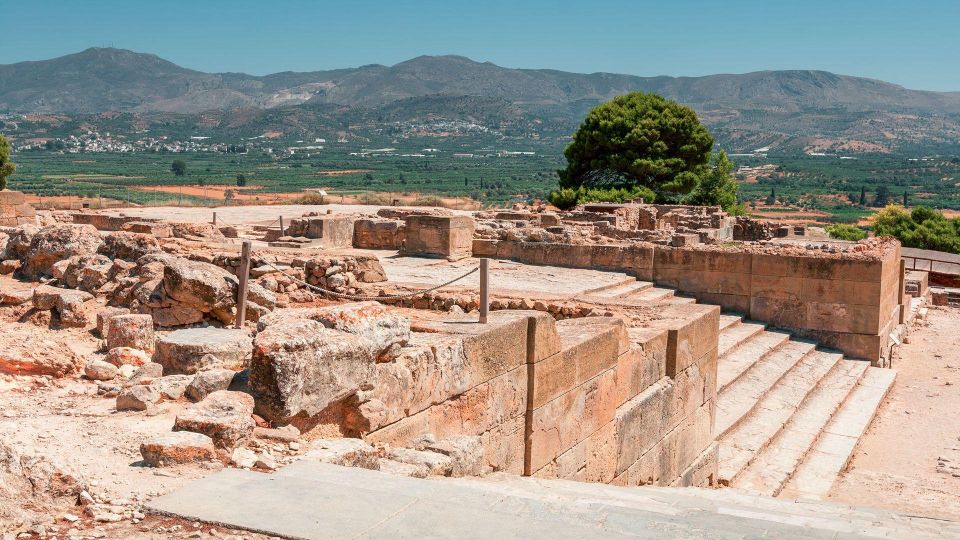
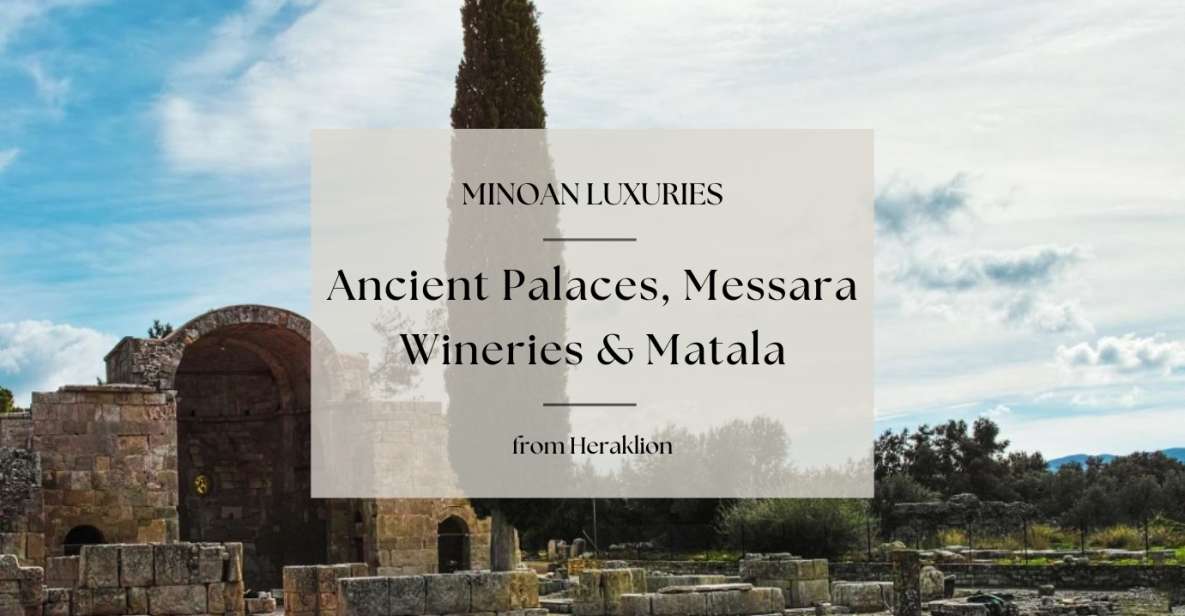
Festos Palace, also called Phaistos, is the itinerary’s major Minoan stop. The palace is linked with the Phaistos disc, one of Crete’s most famous archaeological objects. The disc was excavated at the site and remains famous because its symbols have not been definitively explained.
That mystery gives the visit an immediate hook, but the palace itself is the bigger reason to come. Your guide can help you read the site as a Bronze Age center rather than a collection of walls. Look for the relationship between the palace buildings, the setting above the Messara plain, and the scale of a place that once held political and ceremonial importance.
I like that Phaistos follows Gortyn. Gortyn helps you think about written law and later ancient society, while Phaistos takes you much further back into the Minoan period. The contrast keeps the history from becoming a blur of ruins.
The drawback is that the Phaistos disc itself is not presented as an object you will necessarily see during this outing. The stop is at the palace where it was excavated, not a guaranteed museum viewing of the disc. If the disc is your main reason for booking, ask the provider what is included at the time of your visit.
Admission fees are not included in the tour price. The company offers skip-the-line access and assistance with buying tickets, which can save hassle, but you still need to budget for entry. Skip-the-line help is useful, yet it does not make the admissions free.
The Messara Valley, vineyards, and old olive groves
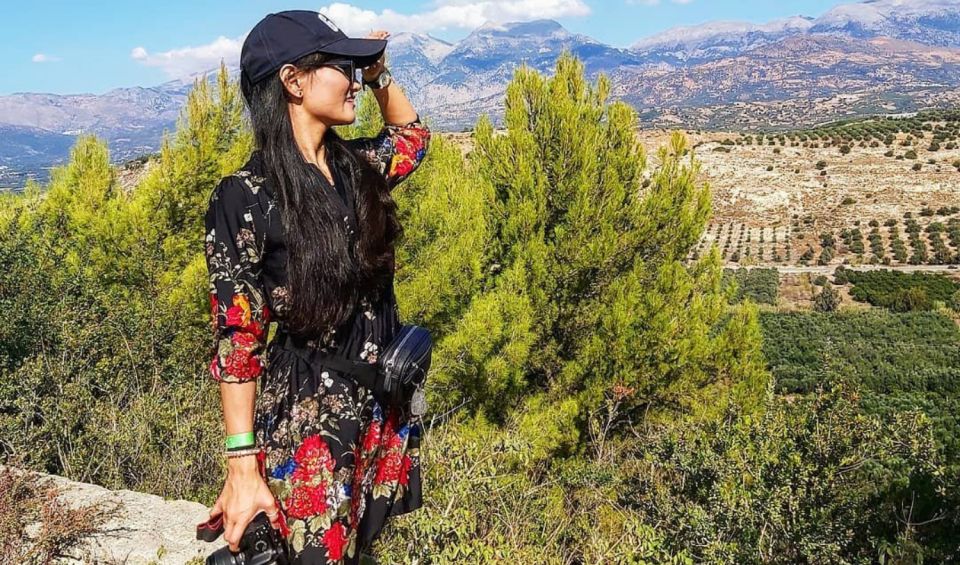
Between the ancient sites, the route crosses the Messara Valley, a broad agricultural area described through fertile red soil, vineyards, and old olive groves. This is the part of the day that connects the monuments to the working countryside that still shapes Cretan food and drink.
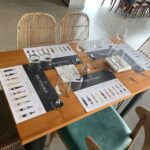
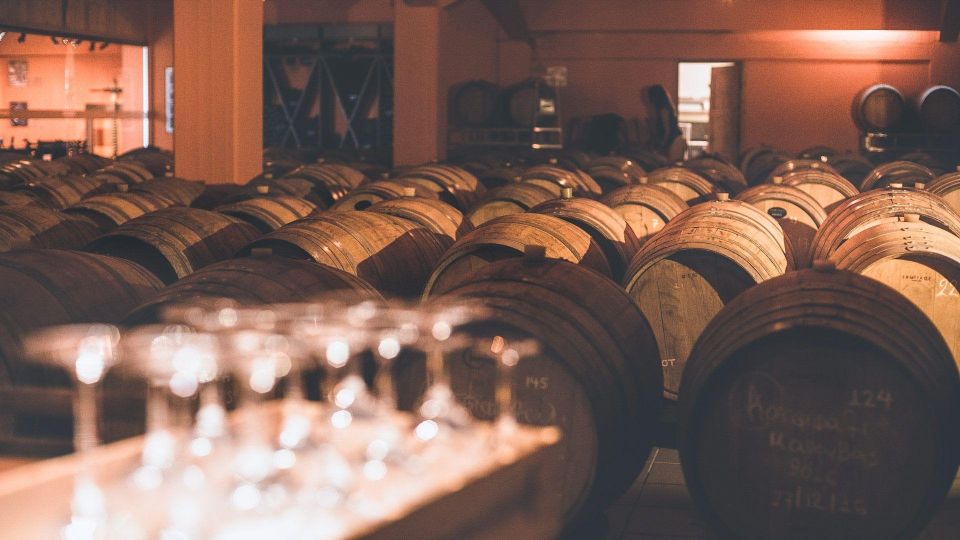
A family-run, award-winning winery is included in the plan. Its position offers wide views, and the visit is intended to introduce you to the winemakers and their approach to Cretan wine. That personal connection is more useful than simply stopping for a glass without any sense of where the wine comes from.
Wine tasting is not included in the base price. If you request it, tasting expenses are extra, so ask about the cost before you commit. Drinks and meals are also excluded, which means the advertised $436 per person should be treated as the cost of private transport, guiding, and planning, not the final cost of the day.
I see the winery visit as a strong value if you are curious about local wine or want a break from ruins. It is less important if you do not drink wine or if you prefer to spend every available minute at archaeological sites. The private format should make it easier to shape the stop around your interests, but the actual tasting selection and duration are not specified.
The olive groves and vineyards also make the drive part of the experience. You are not simply being transported between attractions. You are seeing the agricultural setting that gives the region its food traditions, though the tour remains a busy one and does not promise an extended rural walk.



Matala Beach and the Libyan Sea
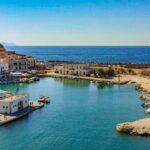
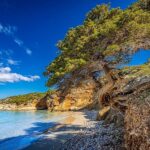
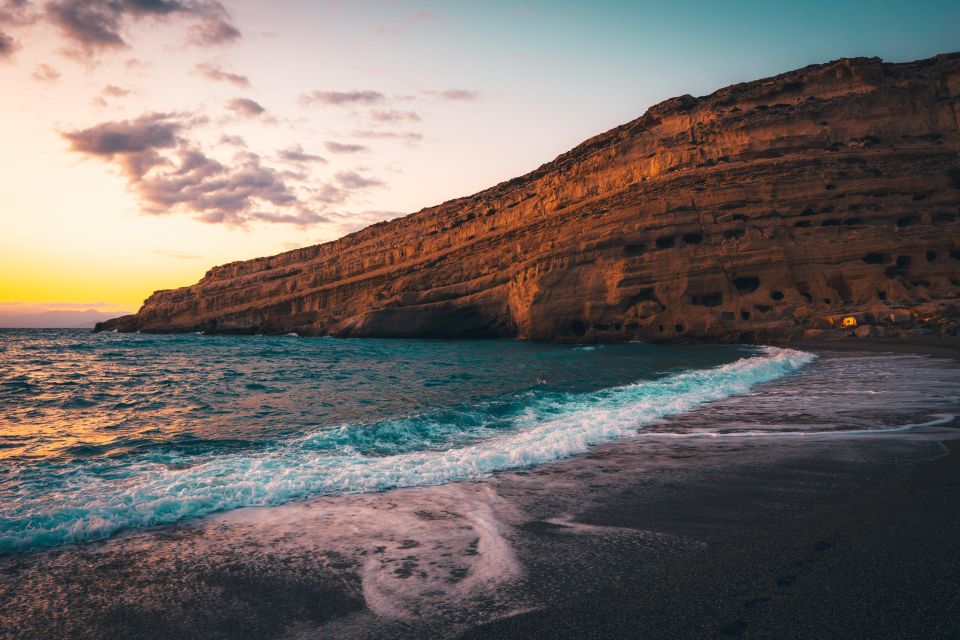
Matala gives the afternoon a clear change of mood. After ancient sites and inland vineyards, you reach a Bohemian seaside village on the Libyan Sea, known for its beach, turquoise water, waterfront restaurants, and cliff caves. The village is also linked with the counterculture era and names such as Bob Dylan and Janis Joplin.
This is where you can loosen the schedule a little. The plan allows time to bathe in the sea and enjoy seafood, with grilled fish and ouzo suggested as local choices. Meals are not included, but the tour team can recommend restaurants and assist with reservations, which is useful if you want to eat by the water rather than search on your own.
Matala is appealing because it is not just a beach stop. The village has a recognizable character, and its caves add a visual link between the shoreline and its long human use. Still, the available details do not promise a guided cave visit, a set swimming duration, or a particular restaurant. Treat those parts as flexible rather than fixed attractions.
The timing matters. Matala comes after several historical stops, so you may reach the coast ready for a swim and a meal. You may also feel that the day is full by then. I would not choose this tour if you want a long, unhurried beach day. I would choose it if a short coastal pause is the right finish to a history-heavy route.
What the private service adds
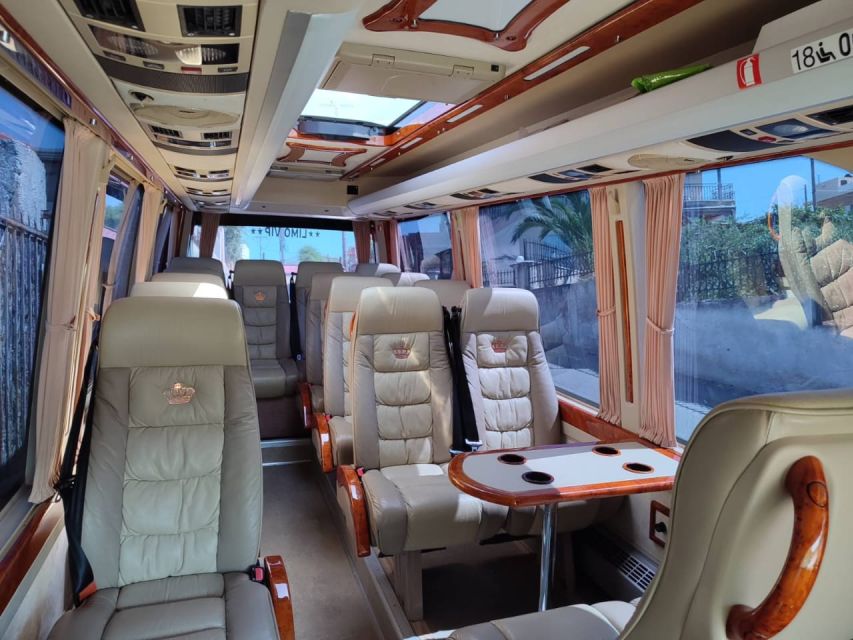
The tour includes personal pickup and drop-off, a private group, a chauffeured vehicle, and a live guide. Available guiding languages are English, French, German, Russian, and Greek. That range is useful for mixed-language families or couples who want detailed explanations without relying on a shared group format.
The driver, Stefanie, is singled out for attentive care and gracious service. For a day with several stops, the driver’s role is more than getting from place to place. Easy coordination, a comfortable vehicle, and small acts of care can make the long route feel far less tiring.
Stavroula’s role is especially important at Gortyn and Phaistos. Both sites reward explanation, but neither is likely to make full sense from a quick glance at the stones. A guide who can provide detail without turning the day into a lecture gives this tour much of its value.
The company also offers concierge support before and during the outing, insider access when available, and personal details tailored to your interests. Those promises are broad, so I would ask in advance for a precise plan if you have a particular focus, such as Minoan archaeology, religious sites, wine, or food.
Is $436 per person a fair price?
At $436 per person, this is a premium private excursion. The price is easier to justify for two people who value privacy and door-to-door service, or for a small group that can share the cost. It is harder to justify if you are a solo visitor comparing it with a large coach trip.
The price covers eight hours, private transportation, a guide, hotel or cruise pickup and return, vehicle amenities, itinerary planning, and assistance with tickets and dining. It does not cover admissions, meals, drinks, or wine tasting. Your final budget therefore needs to include those extras.
I would judge the value by asking how much flexibility matters to you. If you want to stop for a specific restaurant, spend more time discussing archaeology, or avoid a large group, the private format has a real benefit. If you mainly need transportation to Phaistos and Matala, the premium may feel high.
The five-star assessment attached to the experience reflects the two available ratings, so I would not treat it as a broad statistical record. Still, the specific praise for Stavroula’s engaging explanations and Stefanie’s care points to the service features most likely to shape your day.
Who should book this experience?
I would recommend it to couples, families, and small groups staying near Heraklion who want a polished day with several themes. It is especially suitable if you enjoy archaeology but also want wine, countryside views, seafood, and a swim.
It also works well for cruise passengers or anyone who wants personal pickup and return without arranging a rental car. The route covers a lot of ground, and having a driver removes the burden of navigation between inland sites and Matala.
You should think twice if you want a low-cost outing, a slow beach holiday, or a focused archaeological tour. The combination is appealing, but it requires compromises. You will see several places rather than spending an entire day at one of them.
Ask before booking how much time is planned at each stop, what admissions will cost, and whether you want the optional wine tasting. Confirm your preferred pickup point and language as well, since pickup time is flexible only after final confirmation.
Should you book the Minoan Luxuries tour?
Book it if you want private comfort and broad coverage in one day. The route gives you Saint Myronas, Gortyn, Phaistos, a Messara winery, and Matala, while Stavroula and Stefanie add the personal service that helps a demanding itinerary run smoothly.
Skip it if the $436 price does not leave room for admissions, meals, and tasting costs, or if you would rather settle into one place. For the right budget and interests, this is a well-balanced introduction to south-central Crete, with enough history to satisfy curious minds and enough food and sea time to keep the day from feeling like school.
FAQ
How long does the Minoan Luxuries tour last?
The tour lasts eight hours.
What places are included in the route?
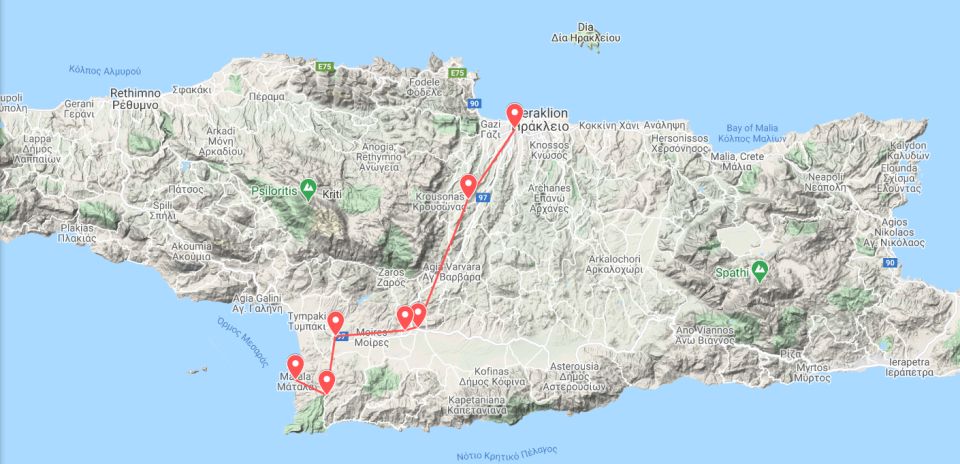
The route includes Saint Myronas and its sacred cave, Gortyn archaeological site, Festos Palace, the Messara Valley, a boutique Cretan winery, and Matala Beach.
Is this a private tour?
Yes. The experience is offered for a private group.
Is hotel pickup included?
Yes. Personal pickup and drop-off are included from a hotel, villa, cruise ship, or another point on Crete.
What languages can the live guide speak?
Guiding is available in English, French, German, Russian, and Greek.
Are admission fees included in the price?
No. Admission fees are not included, although the tour provides skip-the-line access and assistance with purchasing tickets.
Is wine tasting included?
No. Wine tasting expenses are extra if you request a tasting.
Are meals and drinks included?
No. Meals and drinks are not included. The tour team can recommend restaurants and assist with reservations.
Who are the guide and driver?
The guide is Stavroula, and the driver is Stefanie. Their service includes private guiding and chauffeured transportation.