REVIEW · HALKIDIKI
Olive oil tasting with seminar in Metagitsi – Halkidiki
Book on Viator →Operated by Toleo Halkidiki Olive Grove · Bookable on Viator
Halkidiki olive oil is more than a bottle on a Greek kitchen shelf. At this two-hour workshop in Metagitsi, you learn how the oil is made, why it matters to local life, and how to taste it properly alongside feta, tomatoes, and tzatziki. The setting with a small family producer gives the experience a personal feel rather than a factory-tour polish.
I like the clear focus on olive oil education and the chance to taste the product with simple Greek foods that show it at its best. I also like the modest group limit of 16, which should make the seminar easier to follow and the questions more useful.
The main consideration is the price: at $63.67 per person, this is not a quick sample at a market stall. You are paying for a two-hour workshop, food, discussion, and a certificate, so it makes the most sense if you want to understand olive oil, not just buy a bottle.
In This Review
- Key points at a glance
- Starting at Toleo in Metagitsi
- Learning why Halkidiki oil matters
- Seeing how the oil is produced
- Tasting olive oil with Greek staples
- What the small group changes
- Certificate, brochure, and purchases
- Is $63.67 a fair price?
- Who should book this workshop?
- Timing, booking, and cancellation
- Should you book the Metagitsi olive oil tasting?
- FAQ
- Where does the olive oil tasting take place?
- How long does the activity last?
- What foods are included in the tasting?
- Are olive oil products included in the price?
- Does the activity end at the meeting point?
- How many people can join?
- Can I cancel for a full refund?
Key points at a glance
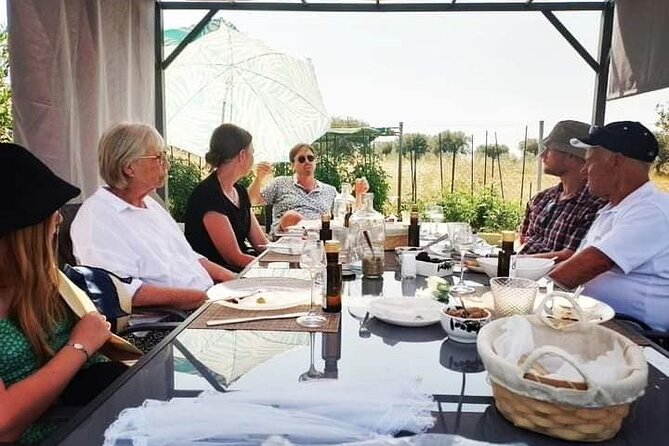
- A two-hour workshop in Metagitsi: The session covers Halkidiki olive oil, from local importance to production methods and tasting.
- A family-run setting: Toleo Halkidiki Olive Grove presents the oil through a small producer rather than a large commercial attraction.
- Food is part of the lesson: Feta cheese, tomatoes, and tzatziki help you notice how olive oil works with familiar Greek flavors.
- A small maximum group of 16: The size should allow room for questions and a more direct exchange.
- A useful take-home reminder: You receive a participation certificate and a brochure with information from the seminar.
- Products are sold separately: You can purchase olive oil, but bottles and other products are not part of the listed price.
Starting at Toleo in Metagitsi
You meet at Toleo Olive Oil, Producer Market, at Metaggitsi 1 in Metagitsi, Halkidiki. The activity begins and ends at this same point, which keeps the arrangement simple once you reach the village.
The location matters because this is not presented as a generic food tasting in a city shop. The focus is on oil from the Halkidiki region and the people who produce it. You get a closer look at the product in the place where its local story is told.
The exact transport arrangement is not included in the supplied details, so plan your route to Metagitsi before booking. There is no separate transfer or sightseeing stop listed. This is a focused appointment, not a wider excursion around Halkidiki.
That narrow focus will suit you if you already have a way to reach the meeting point and want to spend two hours on one subject. It may be less convenient if you are looking for a tour that collects you from a resort or links olive oil with several other sights.
You can also read our reviews of more food & drink experiences in Halkidiki
Learning why Halkidiki oil matters
The seminar begins with context. In Halkidiki, olive oil is closely tied to the Mediterranean diet and to everyday food culture. The workshop explains its history, cultural role, and place in local production.
I find this part valuable because tasting makes more sense when you know what you are tasting. Instead of simply hearing that one oil is high quality, you learn about the region and the work behind it. That gives the sample in your glass a clear connection to place and method.
The information is intended to help you answer practical questions for yourself after the session. You should come away with a better sense of how premium olive oil is produced and why oils can differ from one another.
The supplied details do not name the individual presenter, so you should not book this expecting a particular guide. The provider is Toleo Halkidiki Olive Grove, and the experience is presented as a producer-led seminar. That family-business angle is part of its appeal. The atmosphere is likely to feel more like a conversation around the work than a formal lecture in a large visitor center.
Seeing how the oil is produced
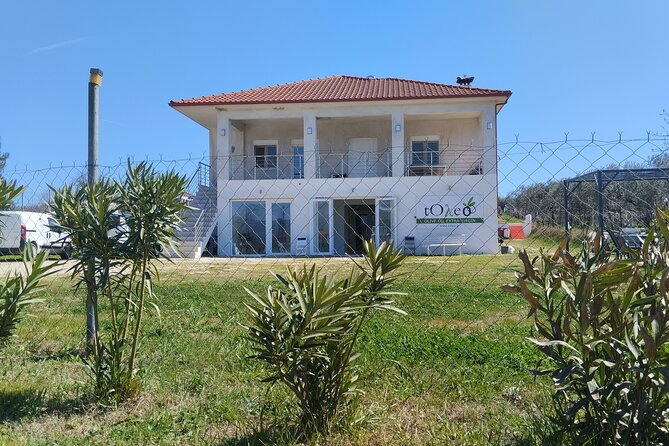
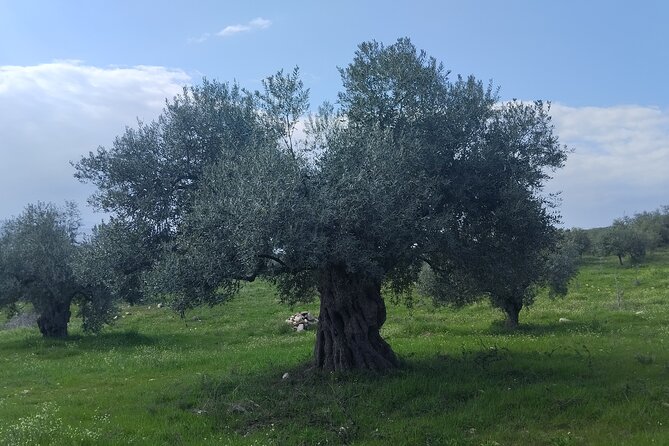
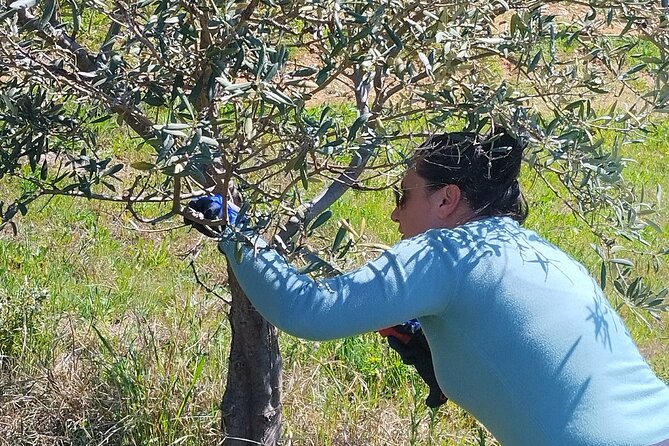
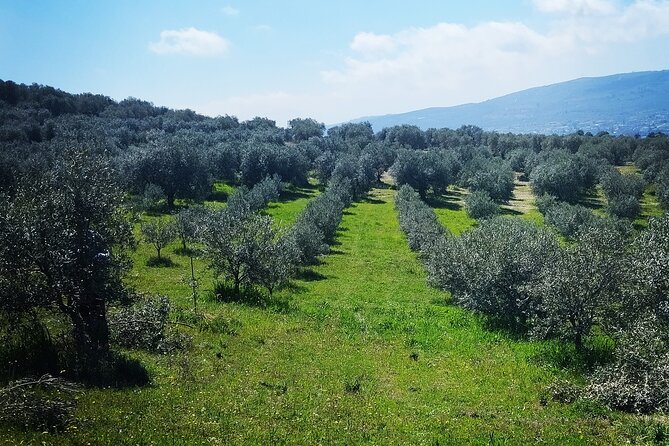
The workshop includes a look at olive groves and an explanation of the production process. You learn how different oils are made and what separates one type from another.
This is the part that turns a tasting into a lesson. Olive oil can seem simple until you start asking how the olives are handled, how the oil is produced, and why the final product tastes the way it does. The session gives you a framework for noticing those differences.
The information provided does not list every step of the production method or promise a full working-mill tour. Keep your expectations in the right place. You are booking a two-hour workshop that includes exploration of the groves and production discussion, not an all-day agricultural visit.
Still, the combination of place and explanation is useful. You are not only hearing about Halkidiki oil in the abstract. You are connecting the product with the groves and the local producer behind it.
Tasting olive oil with Greek staples
The tasting is paired with feta cheese, tomatoes, and tzatziki. That is a smart choice. These foods are familiar, simple, and closely linked with the flavors many people associate with Greek meals.
You can pay attention to how the oil changes the taste of each item. A tomato gives you a fresh, direct base. Feta brings salt and creaminess. Tzatziki adds coolness and garlic. With those foods on the table, the oil is not treated as a stand-alone sample only. You see how it behaves in the kind of meal where it is normally used.
Snacks and bottled water are included. The food is not described as a full lunch, so I would treat it as tasting fare rather than a meal replacement. If you are arriving hungry, plan accordingly.
The tasting should appeal to both food-minded visitors and curious beginners. You do not need to arrive as an olive oil expert. The whole point is to learn what to notice and to leave with enough information to make better choices later.
What the small group changes
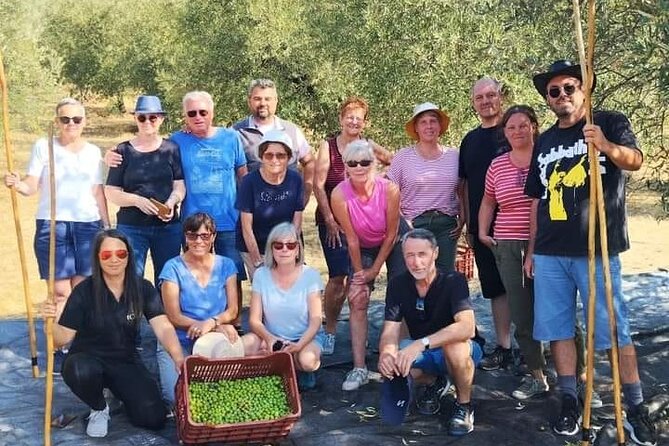
The maximum group size is 16 people. That is small enough to keep the seminar more personal than a large coach-group presentation.
A limited group can also make tasting instructions easier to hear and questions easier to ask. If you want to know more about production, regional oil, or the products available for purchase, you should have a better chance of getting a direct answer than at a crowded public tasting.
The experience is described as a warm gathering centered on a small family business. That detail matters. You are not simply moving through a display area while staff repeat a sales script. The tone is intended to include discussion, and the producer’s own connection to the oil is part of the experience.
At the same time, a small group does not guarantee a private tour. Sixteen people can still feel busy, especially in a compact space. The benefit is mainly a more manageable seminar size, not exclusive access.




Certificate, brochure, and purchases
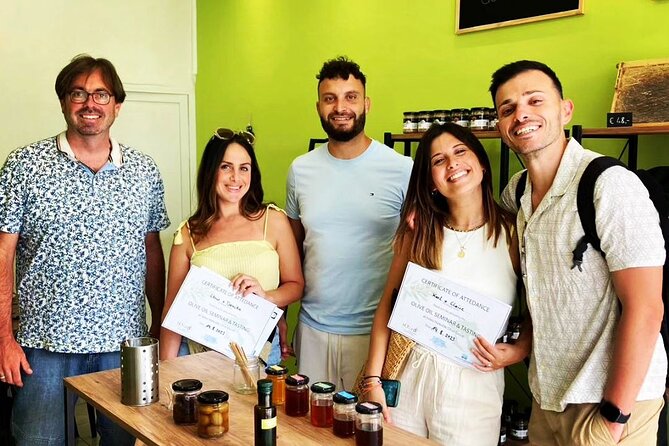
At the end, you receive a certificate of participation and a brochure. These are small extras, but they give the session some lasting value.
The brochure is especially practical. Olive oil information can blur together after a tasting, particularly if you are sampling several products in one sitting. Having printed material lets you check back later when you are shopping or cooking.
The certificate is more of a keepsake than a formal qualification. It does not turn you into a trained olive oil grader. But it marks the experience and can be a pleasant reminder of your time in Metagitsi.
Olive oil products are available to purchase, but they cost extra. That separation is helpful because you can decide after the seminar instead of paying for a package you may not want. It also gives you a chance to taste first and then choose with more confidence.
If you plan to buy, leave room in your luggage and check how the producer packages bottles for transport. The supplied information does not specify bottle sizes, shipping options, or product prices, so those details should be confirmed on site.
Is $63.67 a fair price?
At $63.67, the experience sits above the price of a casual tasting. The value depends on how much you want from the visit.
You are paying for about two hours of organized time, instruction about Halkidiki oil, a look at the groves and production process, food pairings, bottled water, a certificate, and a brochure. For someone who already enjoys Greek food or wants a deeper understanding of olive oil, that package can be reasonable.
The family-producer setting also adds value that is hard to measure. You are supporting a local business and hearing about the product from the people connected to it. That is different from buying a souvenir bottle without knowing how it was made.
Still, this is not the best choice if your only goal is to taste a small amount of oil. You may find the cost high for a short sampling session, particularly since olive oil products are not included. The tour earns its price through the seminar and the personal setting, not through a large quantity of food or merchandise.
I would compare it with what you value on a trip. If you enjoy food workshops and want something more grounded than a standard sightseeing stop, the price is easier to justify. If your schedule is tight and you are passing through only for a quick taste, it may feel like too much time and money.
Who should book this workshop?
This experience is a good match for you if you:
- Enjoy food history and local production
- Want to understand how olive oil is made
- Prefer small producer experiences to large attractions
- Like tastings that include simple regional foods
- Are staying close enough to reach Metagitsi on your own
- Want a certificate and brochure to remember the visit
- May be interested in buying olive oil after learning more about it
Families, couples, and solo visitors can all take part, since most people can participate and service animals are allowed. The two-hour length is also manageable for a day that includes other plans.
I would be more cautious about booking if you want a full meal, hotel transport, a named guide, or a broad tour of Halkidiki. None of those features is promised in the supplied details.
Timing, booking, and cancellation
The tour lasts about two hours, and it is booked on average 13 days ahead. That gives you a useful planning signal: do not assume you can always arrange it at the last minute, especially if your Halkidiki stay is short.
You receive confirmation when you book, and the ticket is mobile, so you can keep the booking on your phone. The activity returns to the starting point at Toleo Olive Oil.
Free cancellation is available if you cancel at least 24 hours before the local start time. A cancellation made inside that 24-hour window is not refunded, and changes during that period are not accepted. Keep the local time in mind if your booking is made from another time zone.
Should you book the Metagitsi olive oil tasting?
Book it if you want a focused, producer-based food experience and you are happy to spend $63.67 on learning as well as tasting. The strongest reasons are the regional focus, the family-business setting, the small group limit, and the chance to try oil with feta, tomatoes, and tzatziki.
Skip it if you are looking for a cheap sample, a full lunch, or transport from your accommodation. This is a two-hour seminar at a fixed meeting point, with products sold separately.
For the right visitor, Toleo Halkidiki Olive Grove offers a useful look at one of the foods most closely tied to Greek daily life. You leave with a better way to think about olive oil, a brochure to consult, and a clear sense of where the product comes from.
FAQ
Where does the olive oil tasting take place?
The meeting point is Toleo Olive Oil, Producer Market, Metaggitsi 1, Metagkitsi 630 78, Greece.
How long does the activity last?
The olive oil seminar and tasting lasts approximately two hours.
What foods are included in the tasting?
The experience includes feta cheese, tomatoes, and tzatziki, along with snacks and bottled water.
Are olive oil products included in the price?
No. Olive oil products are available to purchase, but they are not included in the activity price.
Does the activity end at the meeting point?
Yes. The activity ends back at the same meeting point where it begins.
How many people can join?
The group has a maximum of 16 participants.
Can I cancel for a full refund?
Yes, if you cancel at least 24 hours before the experience start time. Cancellations made less than 24 hours before the start time are not refunded.