REVIEW · HALKIDIKI
Chalkidiki: Scuba Diving for Beginners in Kassandra
Book on GetYourGuide →Operated by Dive Greece · Bookable on GetYourGuide
First time underwater feels surprisingly doable. On Chalkidiki’s Kassandra Peninsula, this beginner scuba experience turns nerves into progress with a calm PADI instructor and small-group training that keeps you moving at your pace. It’s designed for first-timers, with clear steps from kit basics to hands-on practice.
What I really like is how much they focus on comfort and control before you go further. You’ll learn to breathe underwater, practice essential skills in the shallows, and get steady check-ins—so the experience feels safe, not rushed. A second standout for me is the water: the site is chosen for crystal-clear visibility and easy conditions (no currents, no dangerous species) plus lots of Mediterranean marine life.
One thing to consider: you need to be in good general health. You’ll fill out an online medical questionnaire, and the activity isn’t suitable for pregnant women, so plan around that.
In This Review
- Key things to know before you go
- Kassandra’s beginner-friendly sea: why the conditions matter
- The 3-hour rhythm: pickup, safety briefing, and your first skills
- Equipment, sanitization, and what “small group” really buys you
- PADI eLearning and the medical questionnaire: the part that helps you succeed
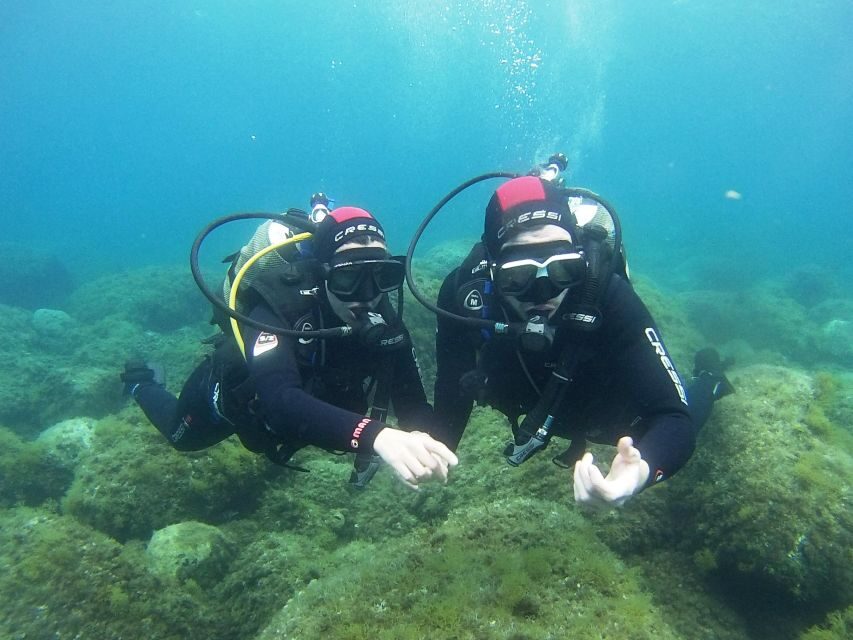
- Your underwater session: what you’ll actually do and what you’ll see
- Skills come first
- Marine life viewing is part of the payoff
- Photos and souvenirs: plan for what you’ll keep
- Price and value at about $92 per person
- Who this experience is best for (and who should rethink it)
- Booking checklist: how to show up ready
- Should you book this beginner scuba try on Kassandra?
- FAQ
- Do I need a scuba certification to join?
- How long does the experience last?
- What happens during the safety briefing?
- Is equipment provided?
- Where is pickup available?
- What should I bring with me?
- Who can participate from a health and age standpoint?
Key things to know before you go
- Small group size (up to 4): more attention while you learn the equipment and skills.
- PADI Discover Scuba program credit: your effort can count toward PADI Open Water training.
- Shallow-water practice first: you’ll build confidence before spending time at the site.
- Beginner-friendly conditions: crystal-clear water, minimal current, and no dangerous species expected.
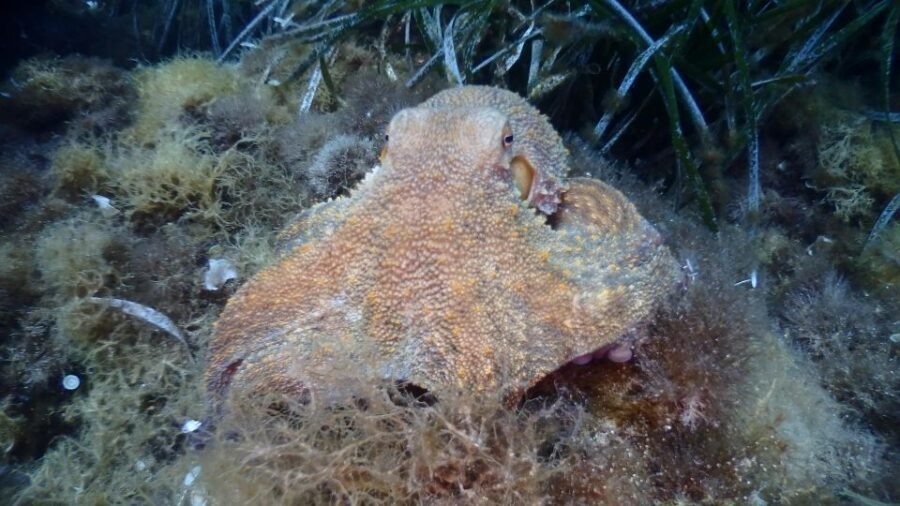
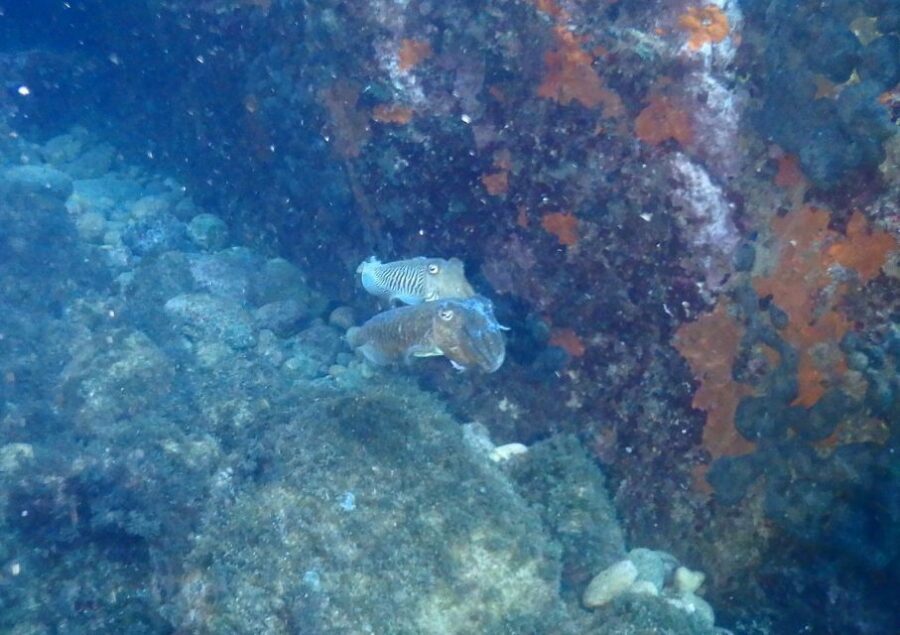
- Lots of Mediterranean sea life: you may spot octopuses, sea anemones, starfish, moray eels, nudibranchs, and many fish types.
- Photos not included: you’ll rely on your own method if you want a souvenir.
Kassandra’s beginner-friendly sea: why the conditions matter
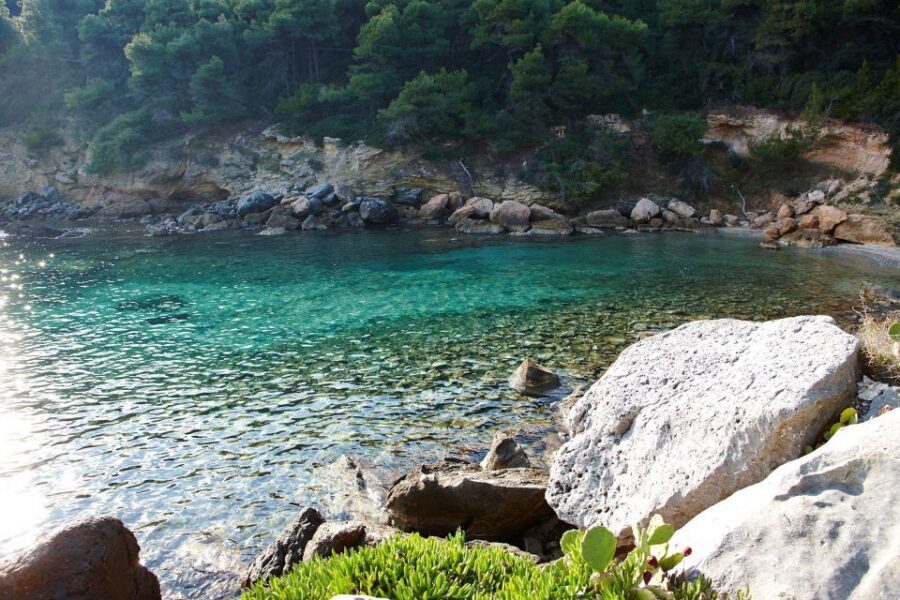
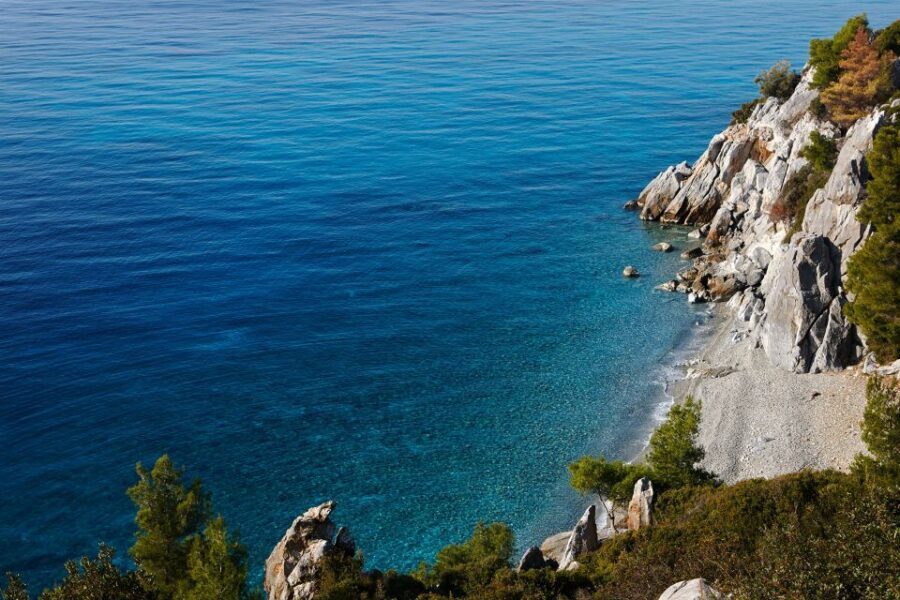
Chalkidiki’s Kassandra Peninsula is a smart choice for a first scuba experience because the program doesn’t rely on luck. The underwater location is specifically selected for beginners, with ideal visibility and conditions that are easier to manage: the plan calls out crystal-clear water, an absence of currents, and no dangerous species expected.
That combination changes everything for a first-timer. When visibility is good, you spend less energy worrying about what’s happening around you. When there are no strong currents, your body doesn’t get yanked into an unfamiliar rhythm. And when the site is aimed at beginners, the training can stay focused on breathing, buoyancy control, and basic skills instead of coping with big environmental surprises.
You’re also diving (in the plain sense of going underwater) close to a coastline with easy access. That matters because you’re not spending the whole outing in transit—you’re getting to the part where you can actually learn and look around.
You can also read our reviews of more scuba diving tours in Halkidiki
The 3-hour rhythm: pickup, safety briefing, and your first skills
This is a 3-hour outing, and it usually follows a straightforward flow. They handle logistics with pickup on the Kassandra Peninsula—starting from Kryopigi or Siviri and continuing south—then returning you to one of several drop-off points.
Pickup times and the exact schedule can shift based on sea conditions and overall timing. That’s normal for water-based activities. The helpful part is that the transport is rated extremely well (97% of reviewers gave a perfect score), so you can expect the ride to be smooth rather than chaotic.
Once you’re gathered, you’ll start with a safety briefing (about 20 minutes). This is not just rules on paper. It’s the stage where you learn how the equipment works, what “safe” looks like underwater, and what to do if something feels off.
Then comes the hands-on portion. The program is built around practicing essential skills in shallow water first. That order is key. You’re not thrown into a big, deep setting before you’re comfortable with the basics of breathing and handling gear.
Equipment, sanitization, and what “small group” really buys you
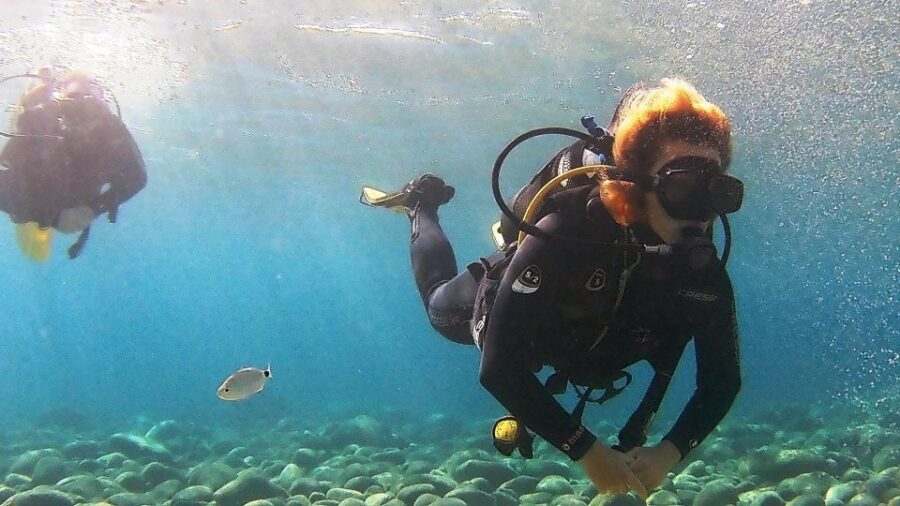
The kit is included and is described as regularly sanitized. That’s important for a beginner course where you touch several parts of the system—mask, regulator, and more—long before you’ve built muscle memory.
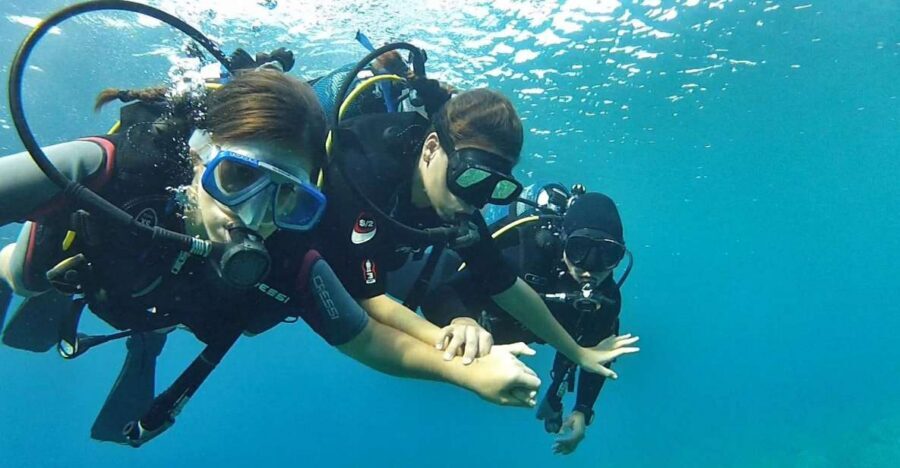
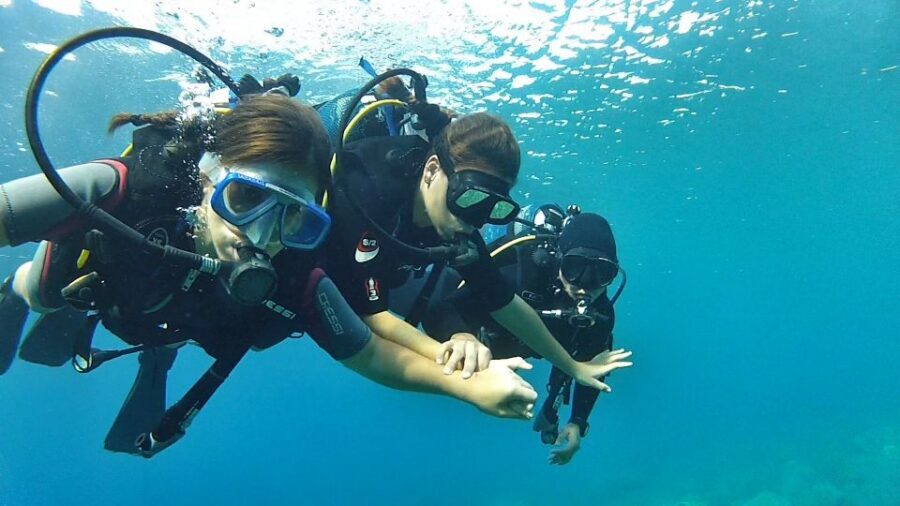
They also keep the experience in a small group. The plan mentions training in groups of 3 students or fewer, and the booking info notes a limit of 4 participants. Either way, the effect is the same: you’re not lost in a crowd. Your instructor can watch what you’re doing, correct body position, and slow down when you need extra repetition.
Language support is another practical plus. The instructor can work in English, French, or Greek, so you’re more likely to understand the “why” behind each instruction—not just the “what.”
And if you’re anxious, the reviews give you something concrete to hold onto. Multiple accounts mention instructors who were patient and calm with first-timers—Emilio (and Emilios) gets named more than once. The theme is consistent: they check in constantly and make sure you’re okay before progressing.
PADI eLearning and the medical questionnaire: the part that helps you succeed
Before you even touch the water, there’s an online step. A few days before your selected date, you’ll receive a link for your personal registration in PADI, along with an eLearning course that takes about 10 minutes to complete.
Think of it as mental prep. It helps you understand the basic principles so the in-person coaching isn’t the first time you’re hearing the terminology.
Then there’s the medical side. You’ll get an online medical questionnaire. A “yes” answer doesn’t automatically disqualify you, but it means you’ll need your physician’s approval for participation in this Discover Scuba experience. You also need to be in good general health. And again, pregnancy isn’t suitable for this program.
If you’re trying this during a busy trip, build in time to finish the eLearning and handle any medical questions early. That way, you don’t end up dealing with forms when you’re already at the beach.
Your underwater session: what you’ll actually do and what you’ll see
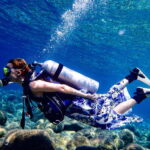
The training format is built for progression at your own pace. After shallow-water practice, you’ll move into a unique, guided underwater adventure with your PADI instructor.
One review mentions the underwater time lasting about 45 minutes. Your actual timing can vary with conditions, but it gives you a realistic expectation: this is enough time to see marine life without it turning into an all-day ordeal.


Skills come first
The experience is aimed at beginners, so you’ll practice the core skills needed for comfort underwater. Expect essential equipment rules and hands-on practice. The goal isn’t performance. It’s feeling in control—breathing, staying stable, and moving safely with guidance.
Marine life viewing is part of the payoff
Now for the fun part. The program specifically calls out a strong chance of seeing Mediterranean sea life such as:
- octopuses
- sea anemones
- starfish
- moray eels
- sea slugs (nudibranchs)
- lots of different fish
That list is a big reason this works for beginners. You don’t need to be a strong swimmer or an expert diver to enjoy the environment. Your instructor’s guidance helps you slow down and observe. And because the site is chosen for easy conditions, you’re more likely to look around instead of focusing only on staying steady.
Photos and souvenirs: plan for what you’ll keep
Underwater souvenir photos are not included. That’s the one “expectation mismatch” to understand up front. If you want photos of your first time underwater, you’ll need to make your own plan.
If you’re someone who likes a visual memory (most people are), I’d treat this like a bring-your-own souvenir situation. It’s not a dealbreaker—just don’t assume the operator will automatically hand you a set of underwater images.
Price and value at about $92 per person
At $92 per person for a 3-hour beginner experience, you’re not just paying for the instructor’s time. You’re also paying for the structure that makes a first outing worthwhile.
Here’s where the value comes from, based on what’s included:
- Full diving equipment
- PADI eLearning (a small but real cost-and-effort component)
- Transfer / pickup and drop-off across the Kassandra Peninsula (with pickup starting from Kryopigi or Siviri)
- Mineral water
Then there’s the course payoff angle. The program notes that completing this Discover Scuba experience can be credited toward the PADI Open Water Diver course. In plain terms: you’re not only buying a one-off thrill. You’re getting your first step inside a pathway that can lead to certification.
The small group size also protects your money. If you’ve ever tried to learn a skill while sharing instructor attention with a crowd, you know how that goes. Here, the cap at 4 participants is part of what you’re paying for.
Who this experience is best for (and who should rethink it)
This beginner scuba experience is well-suited if:
- you’re trying it for the first time and want structured training
- you want a small group with hands-on support
- you care about a safety-first approach and clear instruction
- you might be interested in becoming PADI certified later (the program can count toward Open Water)
It’s also family-friendly in a very practical way: participants must be at least 10 years old, which makes it a realistic option for older kids and multi-generational trips.
You should skip or pause if:
- you’re pregnant (explicitly not suitable)
- you’re not in good general health
- your medical questionnaire indicates the need for physician approval and you can’t get it
Booking checklist: how to show up ready
You’ll make your day easier if you pack the small basics listed by the operator:
- sunglasses
- sun hat
- towel
- biodegradable sunscreen
Also, during booking you’ll be asked for your body weight, height, and shoe size. That’s a practical detail that helps them fit you correctly and avoid awkward sizing issues once you’re in full gear.
And one smart tip from the reviews: if you’re waiting on shore while the group alternates in the water, bring snorkeling gear if you like exploring on your own. One review recommends taking snorkeling equipment for that shoreline downtime, and honestly, it’s an easy way to turn waiting into more water time without changing anything about the scuba training.
Should you book this beginner scuba try on Kassandra?
If your goal is a safe, confidence-building first underwater experience with small-group attention, this is a strong bet—especially because the site choice is aimed at beginners and the structure starts in shallow water.
I’d book it if you:
- want patient coaching (Emilio gets named repeatedly for clear, calm instruction)
- want to learn the basics before being asked to do more
- like the idea of it potentially counting toward PADI Open Water training
I’d think twice (or at least plan ahead) if:
- you have health concerns that might require physician approval
- you’re pregnant
- you’re specifically hoping for included underwater souvenir photos (you’ll need your own plan for that)
If you’re ready to follow instructions, take your time, and enjoy clear Mediterranean sea life, this one is designed to work for you.
FAQ
Do I need a scuba certification to join?
No. The program is aimed at beginners and you don’t need a license or previous experience.
How long does the experience last?
The total duration is 3 hours, including a safety briefing and the time spent practicing and going underwater.
What happens during the safety briefing?
You’ll get a 20-minute safety briefing covering basic rules about scuba equipment and how the session will work.
Is equipment provided?
Yes. Full scuba equipment is provided, and it is regularly sanitized.
Where is pickup available?
Pickup is available on the Kassandra Peninsula, starting from Kryopigi or Siviri and continuing south. You’ll also see multiple pickup and drop-off options, including locations like Loutra and Nea Skioni.
What should I bring with me?
Bring sunglasses, a sun hat, a towel, and biodegradable sunscreen.
Who can participate from a health and age standpoint?
You must be in good general health and be at least 10 years old. You’ll complete an online medical questionnaire, and if you answer yes to any question you may need physician approval. Pregnant women are not suitable for the activity.