REVIEW · HALKIDIKI
Full Day Meteora Monasteries from Chalkidiki
Book on Viator →Operated by Cretan Holidays · Bookable on Viator
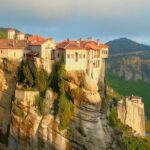
Meteora is the reason to book this trip. Huge stone pillars rise above the Kalambaka area, with monasteries perched on their tops like small fortresses in the sky. You’ll visit two of the six preserved monasteries, see frescoes and icons, and get a close look at one of Greece’s most unusual sacred places.
I like the door-to-door transfer arrangement and the fact that a guide accompanies you, since the route from Halkidiki makes this a tiring day to organize alone. I also like the chance to stop in Kalambaka for lunch instead of treating Meteora as nothing more than a quick photo stop. The drawback is clear: this is a very long 12-hour outing, with an early 5:30 am start and several hours spent on the road.
In This Review
- Key points to know
- Why Meteora is worth the long ride
- The 5:30 am start and transfer plan
- Three hours among the Meteora cliffs
- Entering two monasteries and handling the dress code
- Kalambaka gives the day a needed pause
- What the $86.73 price really covers
- Who will enjoy this day most
- Booking, cancellation, and small details that matter
- Should you book the Meteora tour from Halkidiki?
- FAQ
- How long is the Meteora tour from Halkidiki?
- What time does the tour start?
- How many monasteries will I visit?
- Are entrance fees included?
- Is lunch included?
- Can I cancel for a full refund?
Key points to know
- Two cliff-top monasteries: You enter two active historic monasteries, each filled with frescoes and religious icons.
- A full 12-hour day: The early start and long return journey make this an ambitious excursion from Halkidiki.
- Three hours at Meteora: This allows time for two monastery visits and photographs, but the schedule may feel brisk.
- Kalambaka lunch stop: You get one hour in the village, with food and drinks purchased separately.
- Transfers and a guide included: Pickup is offered, and the group can reach up to 50 people.
- Entrance fees are extra: The advertised price of $86.73 per person does not cover monastery admission.
Why Meteora is worth the long ride
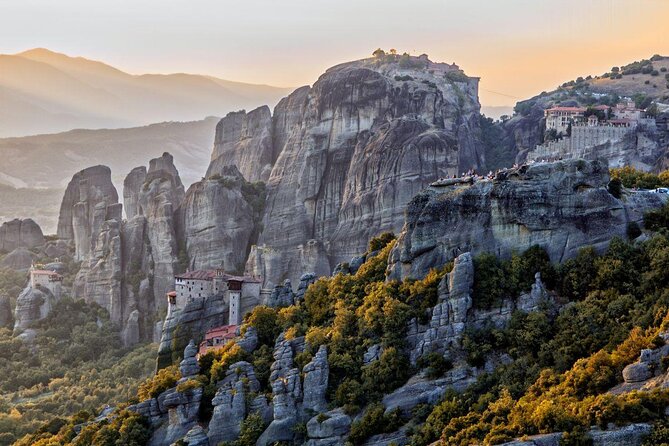
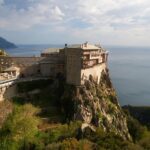
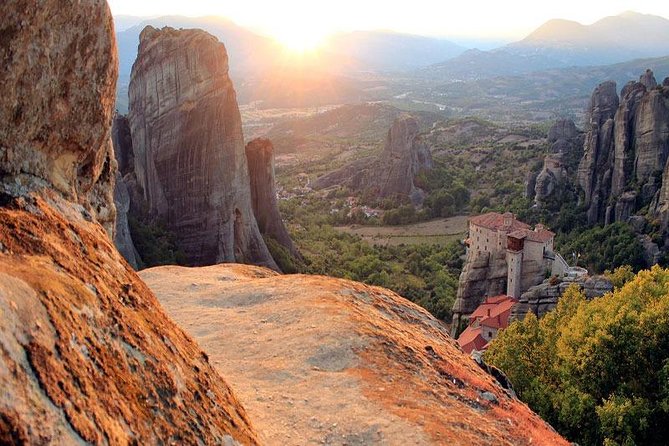
Meteora gives you two major sights at once: extraordinary rock formations and monasteries built in places that seem almost impossible to reach. The cliffs are the main event. They frame every road view and make even a short walk from the coach feel memorable.
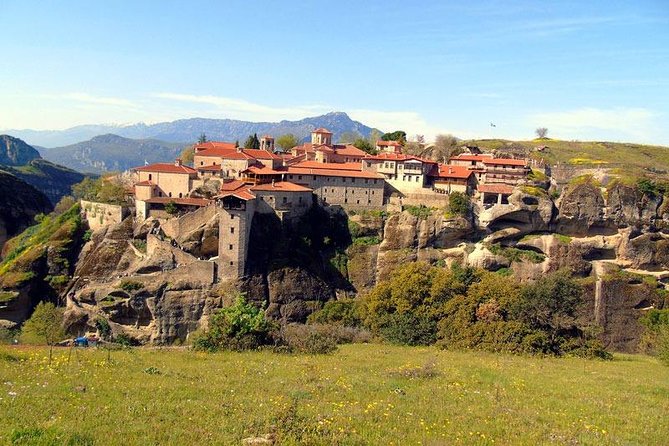
The monasteries add a human story to that setting. Six are preserved today, and four are still inhabited by religious residents. You are not simply looking at abandoned ruins. You are entering working religious sites where frescoes, icons, and quiet chapels remain central to daily life.
I would choose this excursion because Meteora is difficult to reduce to a quick stop on a wider Greek holiday. The setting is so distinctive that photographs only give you part of the experience. You need time to look up at the cliffs, walk into a monastery, and notice how the buildings cling to the rock.
The trip also has a strong spiritual quality. You do not need to be religious to appreciate the silence, the old artwork, or the care taken to preserve these places. At the same time, this is not a relaxed local outing. From Halkidiki, you are trading a full day for one of Greece’s most memorable sights.
A few more Halkidiki tours and experiences worth a look
The 5:30 am start and transfer plan
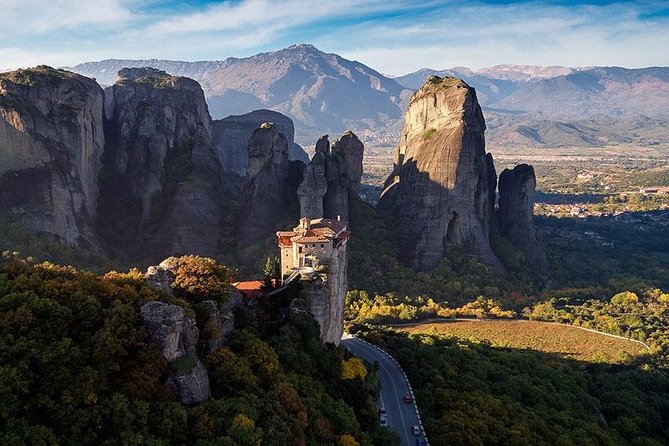
Your day begins at 5:30 am. That is early even by sightseeing standards, so I would treat the previous evening as part of the preparation. A good night’s sleep matters here, especially since the trip lasts about 12 hours and includes a long road journey.
Pickup is offered, and the transfer setup may involve smaller satellite taxis bringing people to the main coach. That arrangement can work well in a spread-out resort area, but you should pay close attention to the pickup instructions and be ready on time. A late start would put pressure on an already fixed schedule.
The group size can reach 50 people. That keeps the price relatively moderate, but it also affects the pace. Boarding, counting the group, and moving between stops can take longer than it would in a private car. If you want a quiet, flexible day with long stops and your own route, this is not the right format.
The practical benefit is that you do not have to handle the entire drive yourself. The return transfer is also arranged, which is valuable after walking around the monasteries and spending so many hours on the road. The transport has been described as comfortable and punctual, but you should still expect the journey to be a major part of the day.
Three hours among the Meteora cliffs
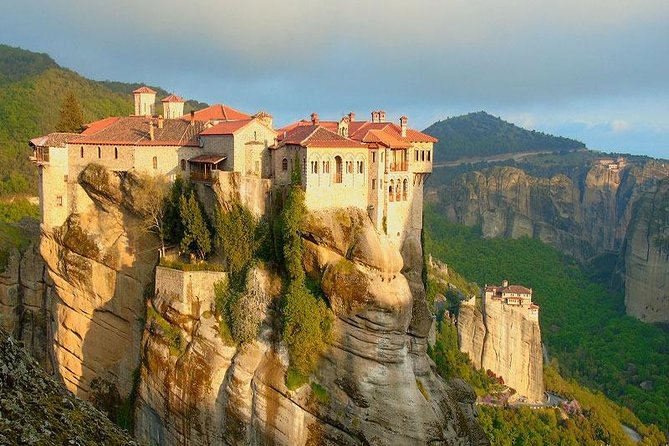
The main Meteora visit lasts about three hours. This is the heart of the excursion, and the time is used for two monastery visits plus views and photographs around the rock formations.
The first thing to understand is that Meteora is not one single building. It is a wider area of tall rock pillars, roads, viewpoints, and separate monasteries. The cliffs create a changing backdrop as you move through the area, so keep your camera ready even when you are between official stops.
Inside the monasteries, look for the frescoes and icons rather than rushing straight to the most obvious viewpoint. The artwork gives meaning to the buildings. The monasteries are impressive from outside, but the chapels and collections show why these sites have remained important for so long.
Three hours is useful, but it is not generous. You will have the chance to enter two monasteries, yet you should not expect to explore all six or linger for a long time at every viewpoint. A private car would give you more freedom, but it would also require you to arrange the route and timing yourself.
I would keep your expectations realistic. This is an introduction to Meteora, not a multi-day study of the area. One visitor who wanted a slower experience stayed several days and returned to the monasteries. That is a sensible choice if Meteora is a main reason for your trip to Greece.
Entering two monasteries and handling the dress code
The tour includes access to two of the monasteries, while the entrance fee itself is not included. Set aside extra money for admission, and check the current fee and visiting rules before departure because those details can change.
Modest clothing matters at religious sites. The supplied information specifically points to the importance of researching suitable attire in advance. I would do that before leaving your hotel, rather than relying on a last-minute solution at the entrance.
You should also be ready for stairs and uphill walking. The monasteries sit high on steep rocks, and reaching the interiors can be physically tiring. One account describes the climb as demanding but worthwhile, especially when entering the buildings rather than viewing them only from the road.
The activity information says most people can participate, but it does not provide a detailed accessibility plan. If stairs, steep paths, or prolonged walking are a concern, contact the provider before booking. The group format and short schedule may not allow much time for a slow ascent.
Inside, keep your voice low and follow local instructions. These are active religious places, not just monuments. That simple respect makes the visit better for everyone and helps you focus on the frescoes, icons, and unusual construction.
The exact monasteries are not named in the supplied details. If Great Meteoron is on your route, it is often treated as a major highlight, but you should not assume it is guaranteed by this booking. Ask the guide which two monasteries are planned on your date.
Kalambaka gives the day a needed pause
After Meteora, you stop in Kalambaka for about one hour. The village provides a change of pace after the cliffs, stairs, and monastery interiors. You can sit down, eat, and look back at the rocks from ground level.
Lunch is not included, so plan to pay separately for food and drinks. The one-hour stop is long enough for a straightforward meal, but it is not a long village tour. I would keep lunch simple and stay aware of the departure time.
This stop is valuable because a full day of transfers and walking can leave you worn out. A proper break gives you a chance to rest before the ride back to Halkidiki. It also keeps the trip from feeling like a rushed monastery-only excursion.
Do not expect Kalambaka to receive the same attention as Meteora. The monasteries and cliffs are the primary focus. Still, the village stop adds a more ordinary Greek setting to a day otherwise dominated by dramatic rock and religious architecture.


What the $86.73 price really covers
At $86.73 per person, this tour offers reasonable value if you want transportation and a guide handled for you. The drive from Halkidiki is the expensive part in terms of time and effort. Booking a group transfer avoids the need to navigate the full route, plan parking, or coordinate the return after a tiring day.
The price includes the transfer and guide. Pickup is offered, and a mobile ticket makes the booking easy to carry. Confirmation is received at the time of booking, which is useful for an excursion that is often reserved well ahead of time.
You still need to budget for monastery entrance fees, lunch, drinks, and any other services not listed. The headline price is therefore not the final cost. Even so, the value is solid for someone who wants to see Meteora from Halkidiki in one day without arranging a private vehicle.
The price is less attractive if you already have a car and prefer to set your own pace. One direct assessment of the area recommends driving independently because buses may stop only briefly. That is the central tradeoff here: the group tour is easier, while self-driving offers more time and control.
The excursion is booked an average of 103 days in advance, which suggests that you should not leave it until the last minute during a busy holiday period. This is especially true if your stay in Halkidiki is short and Meteora is high on your list.
Who will enjoy this day most
I would recommend this trip to you if you are staying in Halkidiki, want to see Meteora, and do not want to plan a long intercity drive. It suits first-time visitors who prefer an organized route and want a guide to help place the monasteries in context.
It also works well for photographers. The cliffs offer repeated chances for striking views, and the monastery buildings create strong subjects from both the road and the interior courtyards. Bring a phone or camera with enough storage, since the scenery changes quickly as the route moves around the rock pillars.
The tour is less suitable for anyone who dislikes early mornings, long coach journeys, or fixed departure times. It may also frustrate you if you want to visit more than two monasteries or spend several hours at one site.
Families and mixed-age groups may find the arranged transport helpful, but physical ability still matters. The activity is open to most people, yet the steep rocks and monastery access can be tiring. Ask in advance if a member of your party needs specific assistance.
Solo visitors can also benefit from the guide and organized transfers. The larger group means you are unlikely to have much personal space, but it removes the stress of reaching a remote attraction alone.
Booking, cancellation, and small details that matter
You can cancel for a full refund if you do so at least 24 hours before the 5:30 am start time. Changes made inside that 24-hour window are not accepted, and the amount paid is not refunded for a late cancellation. The cut-off follows local time.
The tour requires a minimum number of people to operate. If that minimum is not reached, you will be offered another date or experience, or you will receive a full refund.
Bring your mobile ticket, money for two monastery admission fees and lunch, and clothing suitable for religious sites. Since the day is long, I would also carry water and anything you normally need for a full day away from your accommodation, though the tour does not list food or drinks as included.
The operator is Cretan Holidays. No individual guide names are provided, so you should not expect to select a particular guide when booking. The guide is included as part of the organized transfer and sightseeing service.
Should you book the Meteora tour from Halkidiki?
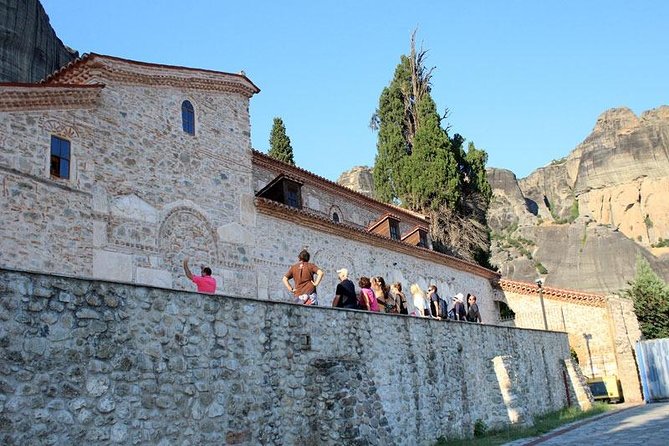
Book it if Meteora is one of your must-see places and you value convenience more than flexibility. The scenery is extraordinary, the two monastery visits provide real access to the site, and the included guide and transfers make a complicated day much easier.
Skip it if you want a leisurely Meteora stay, dislike spending many hours on the road, or already have a car and can travel independently. In that case, staying several days would give you more time for the monasteries, Kalambaka, and the surrounding cliffs.
For most people based in Halkidiki, this is a strong one-day compromise. It is long, early, and not all-inclusive, but it gets you to a place that is hard to duplicate anywhere else in Greece.
FAQ
How long is the Meteora tour from Halkidiki?
The experience lasts approximately 12 hours, including transportation, the Meteora visit, the Kalambaka stop, and the return journey.
What time does the tour start?
The stated start time is 5:30 am.
How many monasteries will I visit?
You will visit two monasteries. The six preserved monasteries are in the Meteora area, and four are still inhabited.
Are entrance fees included?
No. Monastery entrance fees are not included in the tour price.
Is lunch included?
No. Food, drinks, and other services not specifically listed are paid separately. The tour includes about one hour for a lunch break in Kalambaka.
Can I cancel for a full refund?
Yes. You can cancel at least 24 hours before the experience start time for a full refund. Cancellations or changes made less than 24 hours before the start are not accepted for a refund.