REVIEW · KALABAKA
Meteora: Natural History Museum and Mushroom Museum Tour
Book on GetYourGuide →Operated by Natural History Museum of Meteora and Mushroom Museum · Bookable on GetYourGuide
The surprise here is the mushroom sweet, a distinctly Greek creation that turns a forest subject into a dessert. You’ll also see rare and extinct animals, carefully displayed in scenes designed to show where they lived or grew.
I like the museum’s compact size and its close-up detail. I also like the free tasting upstairs, where you can try several mushroom products before buying chocolate, truffle spread, or other local goods. The main drawback is time: most people can see the full museum in about an hour, so it is a short visit rather than a full-day attraction.
In This Review
- Key points
- A small museum with an unusual main subject
- What you see in the animal collection
- The mushroom collection is the real talking point
- Dioramas make the displays easier to understand
- The tasting adds a welcome Greek twist
- The shop has about 60 mushroom and truffle products
- Plan on one hour, with extra time for shopping
- Getting there from Kalabaka’s center
- Is $8 good value?
- Who will enjoy this most?
- Should you book the Natural History Museum of Meteora?
- FAQ
- How long should I allow for the museum?
- What collections are inside the museum?
- Are the mushroom displays real mushrooms?
- Can I taste mushroom products?
- What is sold in the museum shop?
- Where is the museum located?
- Is the museum wheelchair accessible?
Key points
- About 600 species in two collections: See roughly 350 birds and mammals, along with about 250 mushroom forms.
- Dioramas add useful context: Animals and mushrooms appear in recreated natural settings, not on bare shelves.
- Mushrooms are shown at three growth stages: The handmade sculptures focus on color, shape, and size.
- A free tasting is included: Try four or five mushroom products, including sweet and savory samples.
- The shop is part of the experience: Browse about 60 mushroom and truffle products made for the museum.
- An easy Kalabaka stop: The museum is 600 meters from the train station and 200 meters from the main street.
A small museum with an unusual main subject
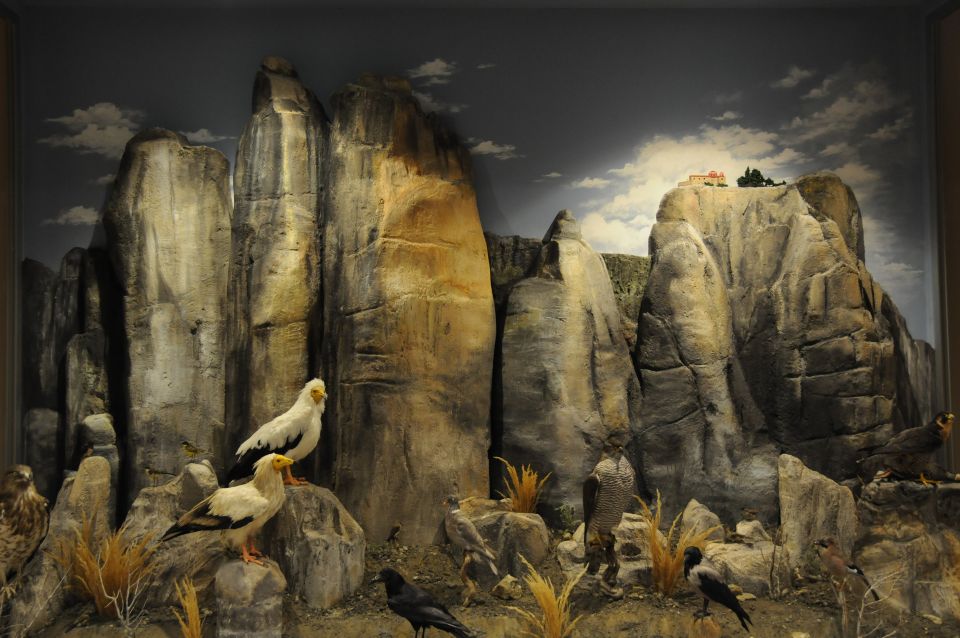
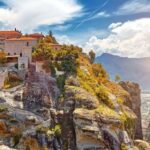
Kalabaka is best known as the gateway to Meteora’s monasteries and towering rock formations. The Natural History Museum gives you a different look at the region. Instead of focusing on monasteries or panoramic views, it brings together animals and fungi in two permanent collections.
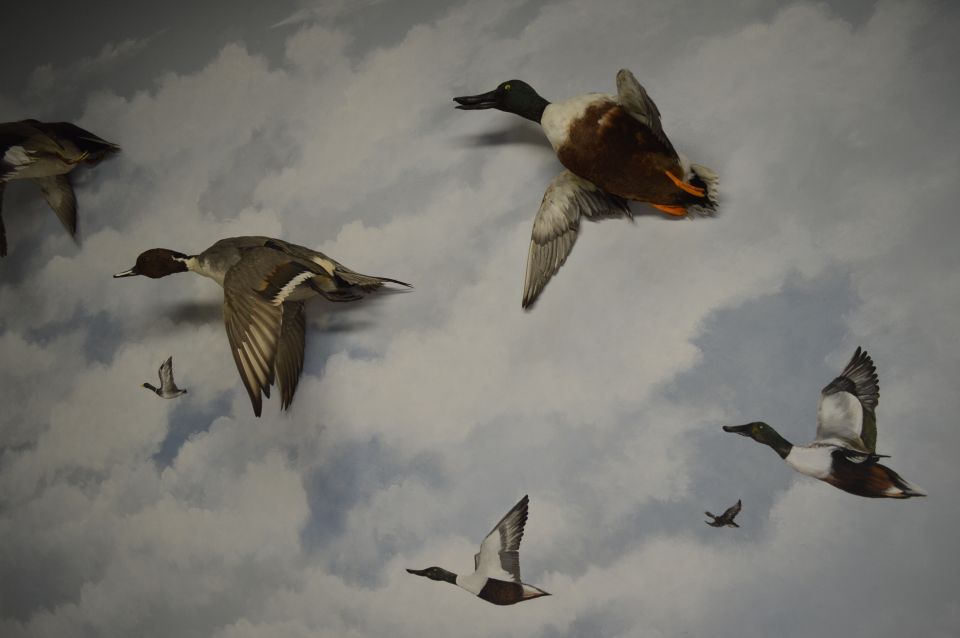
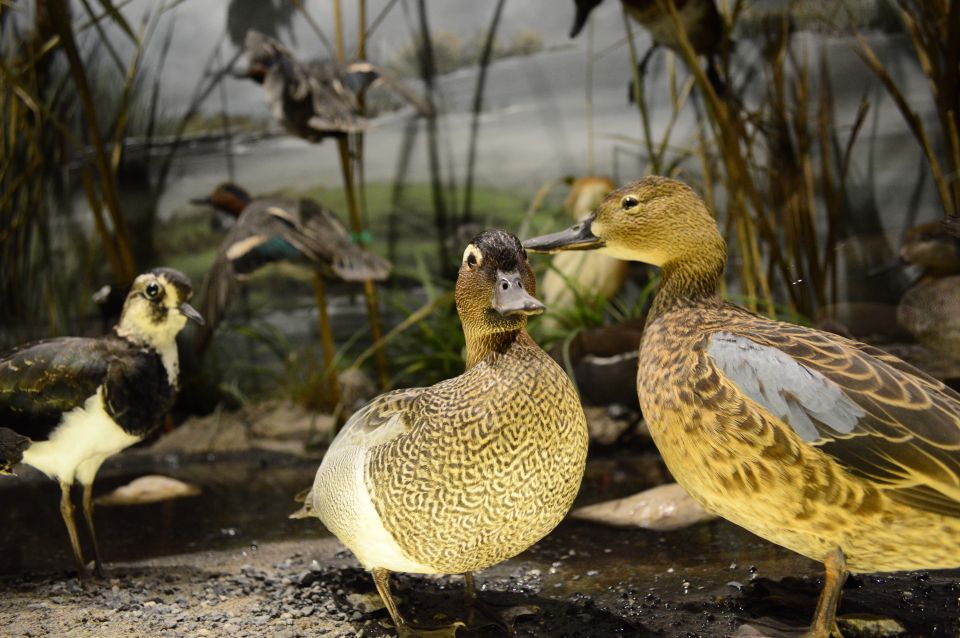
The animal collection includes about 350 species of birds and mammals. Some are common, some are rare or endangered, and some are extinct. They are displayed using high-quality taxidermy made by skilled European specialists, with the aim of showing each animal’s shape and features clearly.
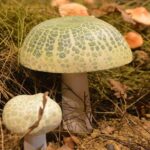
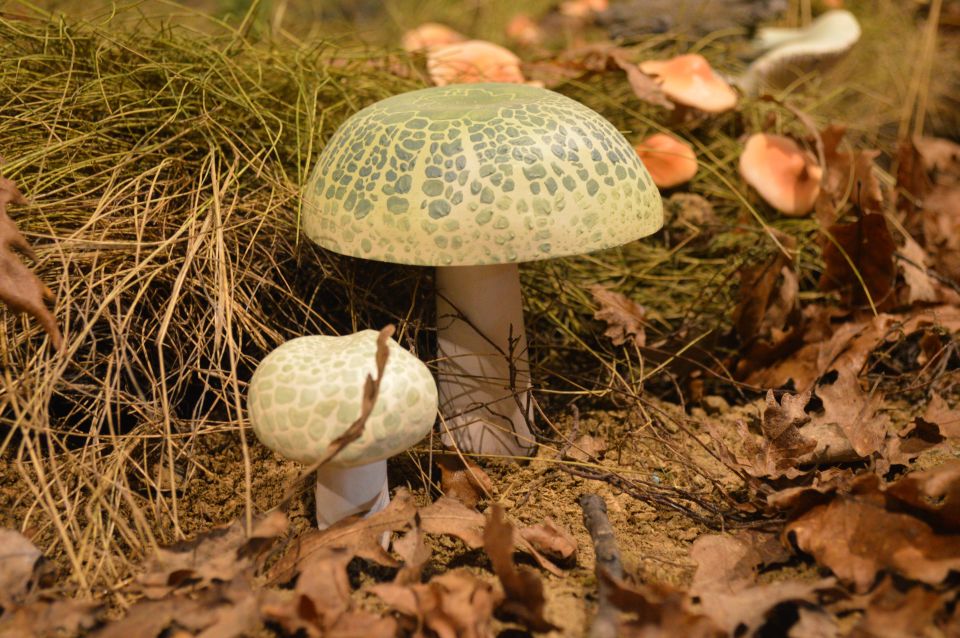
The second collection contains about 250 mushroom forms. These are handmade sculptures, created to retain the original colors, shapes, and sizes of the mushrooms they represent. Since the collection shows mushrooms at three stages of development, you get a better sense of how a single species can change as it grows.
I find that combination useful. The animal displays give the museum a familiar starting point, while the mushroom collection makes the visit unusual. Many people know only a few edible mushrooms by sight. Here, you can compare species and learn why careful identification matters.
You can also read our reviews of more tours and experiences in Kalabaka.

What you see in the animal collection
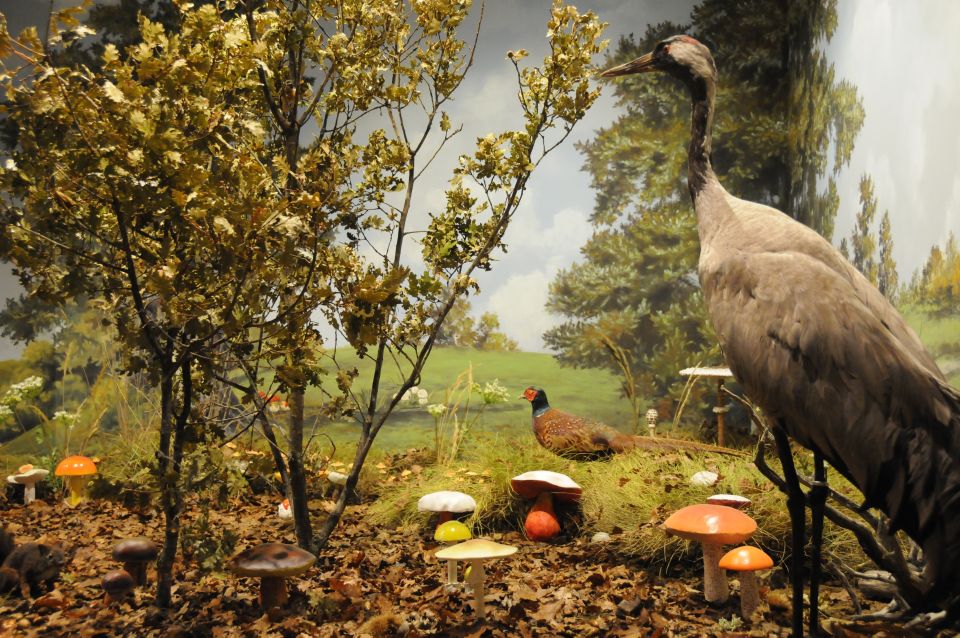
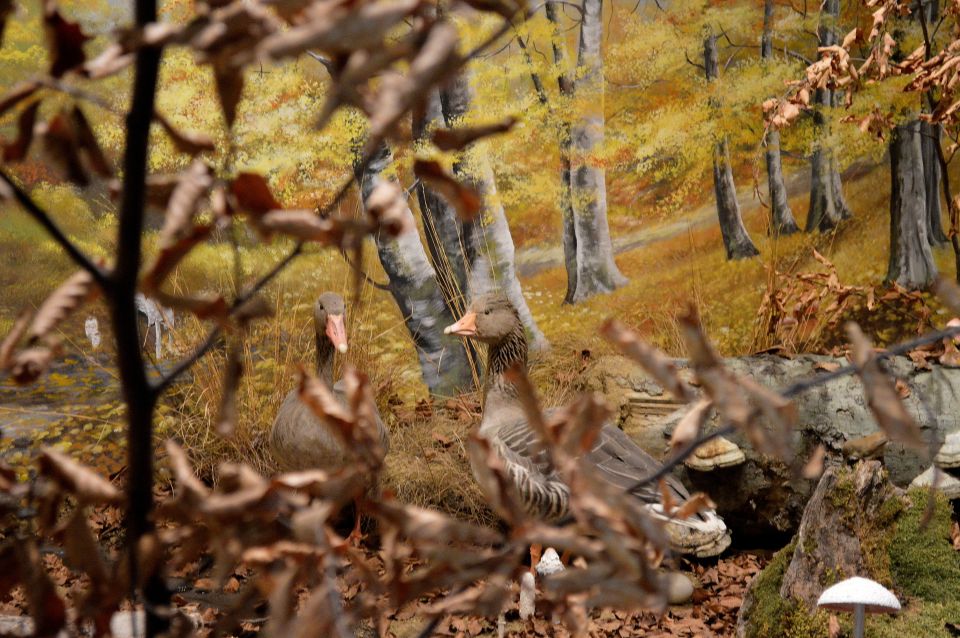
Start with the birds and mammals. The museum presents them in dioramas, small staged scenes that recreate the terrain where the animals live. This matters because an animal’s surroundings often tell you more than its name alone.
A bare display can make a bird or mammal feel like an isolated object. In a diorama, you can see it placed within a setting that reflects its natural home. The presentation also lets you study the details of the animal at close range, including its coloring, body shape, and physical features.
The collection includes endangered and rare species, as well as extinct ones. That gives the visit a conservation angle, although the museum is not described as a large educational center with extensive lectures or guided talks. You should come expecting a visual collection that encourages careful looking.
The displays are particularly useful for families and anyone who enjoys wildlife but has limited time. Children can identify birds and mammals more easily than they might identify mushrooms, and adults may appreciate the chance to see species that are difficult to encounter in the wild.
I would not plan this visit mainly for a long natural science lesson. The available tour is self-guided through QR codes, so the depth of information depends on how much time you spend reading and examining each display.
The mushroom collection is the real talking point
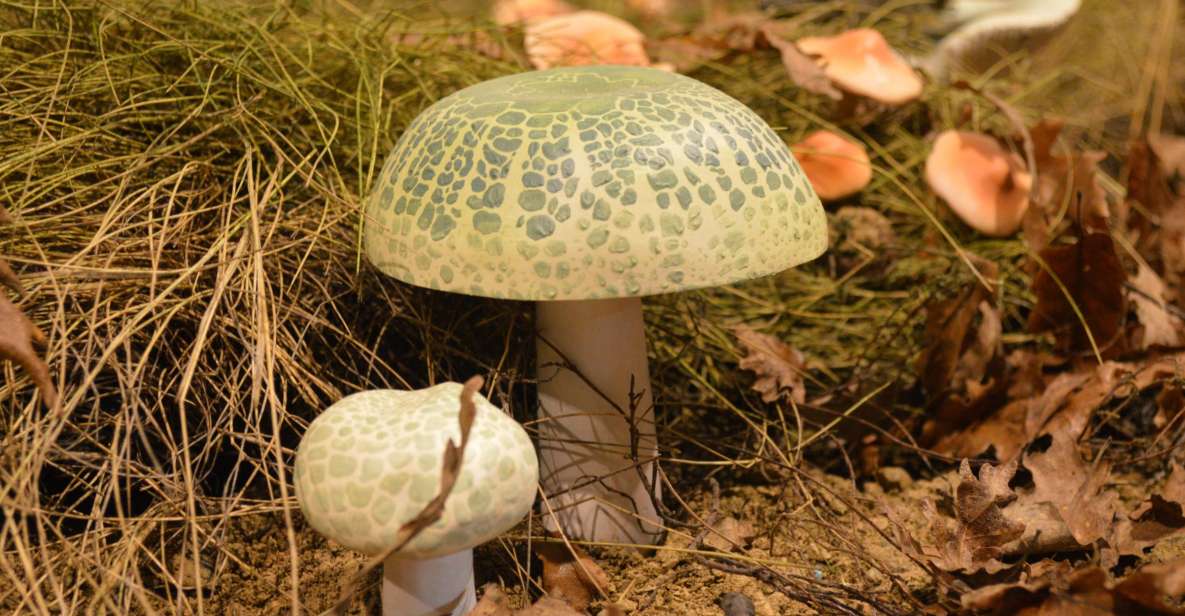
The mushroom section is the museum’s most distinctive feature. It is described as one of the few collections of its kind in the world, with handmade sculptures designed to preserve the look of real mushrooms.
The sculptures are presented in three stages of development. That is a smart choice because mushrooms can look quite different as they mature. Size, cap shape, color, and texture may change, and those changes can make identification harder for anyone who relies on a quick glance.
You can see the differences at close range without walking through a forest or handling a live specimen. The displays also help explain why casual mushroom picking can be risky. Some poisonous mushrooms resemble edible species, so learning the details of their appearance is more than a curiosity.
The museum does not turn you into a mushroom expert in one visit. I would treat it as an introduction to visual recognition, not as a field guide or a license to forage. The useful lesson is simple: mushrooms require careful identification, and similar-looking species may not be interchangeable.
For people already interested in fungi, the collection should hold attention longer than the suggested one-hour visit. The sculptures, growth stages, and habitat scenes give you more to compare. If mushrooms are not your subject, the section may feel quicker, but the unusual presentation still makes it worth a look.
Dioramas make the displays easier to understand
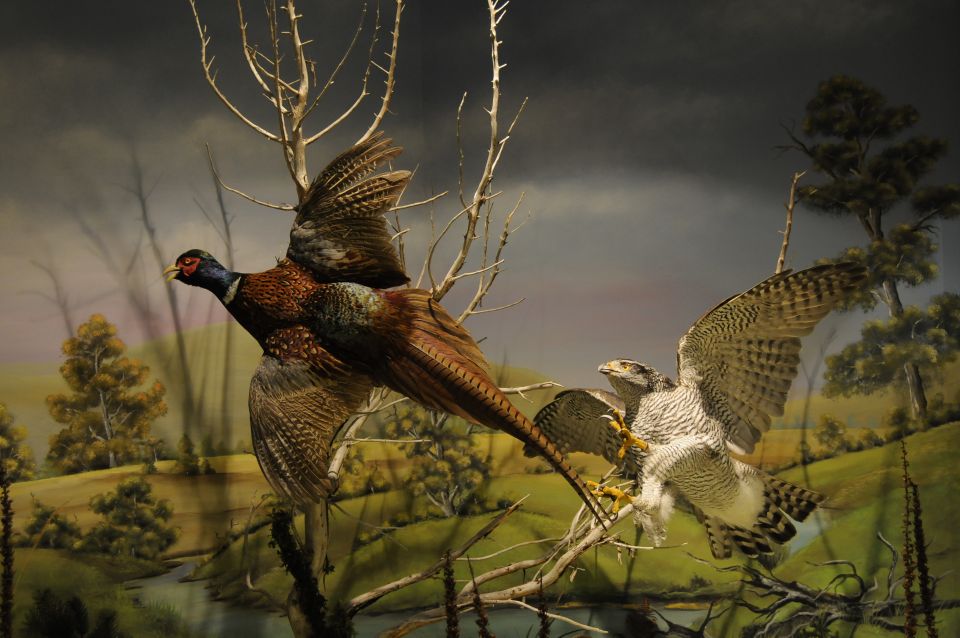
The museum places both animals and mushrooms in dioramas that depict the terrain where they live or grow. This gives the two collections a shared structure and keeps the visit from feeling like two unrelated rooms.
I like this approach because it connects appearance with habitat. You are not only looking at a bird, mammal, or mushroom. You are also seeing the kind of setting associated with it. That makes the displays easier to remember after you leave.
The dioramas are also good for close observation. You can compare the way different species are represented and notice how color and form help distinguish one from another. The mushroom displays benefit especially from this treatment, since their shapes can otherwise seem abstract when placed on a plain platform.
Do not expect large-scale natural scenery inside the museum. These are display scenes, not full theatrical installations. Their purpose is practical: to show species in context and help you focus on their identifying details.
The tasting adds a welcome Greek twist
The entrance fee includes a free sample of mushroom products, and the tasting is an important part of the visit. The museum offers four or five items, including sweet and savory mushroom preparations.
The mushroom sweet is the most memorable choice. It is presented as a Greek innovation, and it gives you a chance to try the ingredient in a form you may not expect. The tasting also makes the subject more approachable. You first learn about mushroom species through the displays, then encounter them as food products.
The sample is not a full meal. Plan to eat before or after if you need lunch, especially since the museum visit itself is short. Still, the tasting gives the $8 admission more value than a museum that only offers displays behind glass.
The tasting area is upstairs in the souvenir shop. That means you can combine sampling with browsing instead of treating the shop as a separate stop. The current information specifically mentions sweet and savory products, so you can expect a small selection rather than an extensive food demonstration.



The shop has about 60 mushroom and truffle products
The museum has developed a product range of about 60 mushroom and truffle items. You can browse locally produced delicacies after seeing the collections and sample some products before deciding what to take home.
Specific items worth looking for include the mushroom chocolate bar and the truffle spread. The selection also includes other mushroom-based goods and the museum’s mushroom sweet. These are more distinctive souvenirs than the usual key ring or postcard, especially if you want a food gift connected to the region.
I would leave a little room in your bag if you enjoy specialty foods. Personal purchases are not included in the admission, so check prices at the shop before buying several items. The free sample helps you avoid choosing something you will not enjoy, but it does not make the products part of the ticket.
This is also the best place to ask about the items you taste. The information provided does not name a particular shop attendant or guide, and there is no scheduled food presentation listed. You should expect a casual tasting rather than a formal cooking class.
Plan on one hour, with extra time for shopping
The museum recommends allowing about one hour to view all the exhibits. That estimate sounds realistic for a normal visit, especially if you scan the QR codes, examine the main dioramas, and stop for the tasting.
If you read every label carefully or already have an interest in mushrooms, you may want more time. Add a few extra minutes for the shop if you hope to compare the chocolate, truffle products, and savory goods.
The short duration is both a benefit and a limitation. It fits neatly into a day of sightseeing around Meteora, and you can visit without sacrificing a major monastery stop. On the other hand, it is not an attraction that will fill an entire day.
I would pair it with another Kalabaka activity. It can work well before or after a Meteora excursion, especially if you want a quieter indoor break. The visit is also a sensible option when the weather makes outdoor sightseeing less pleasant.
Getting there from Kalabaka’s center
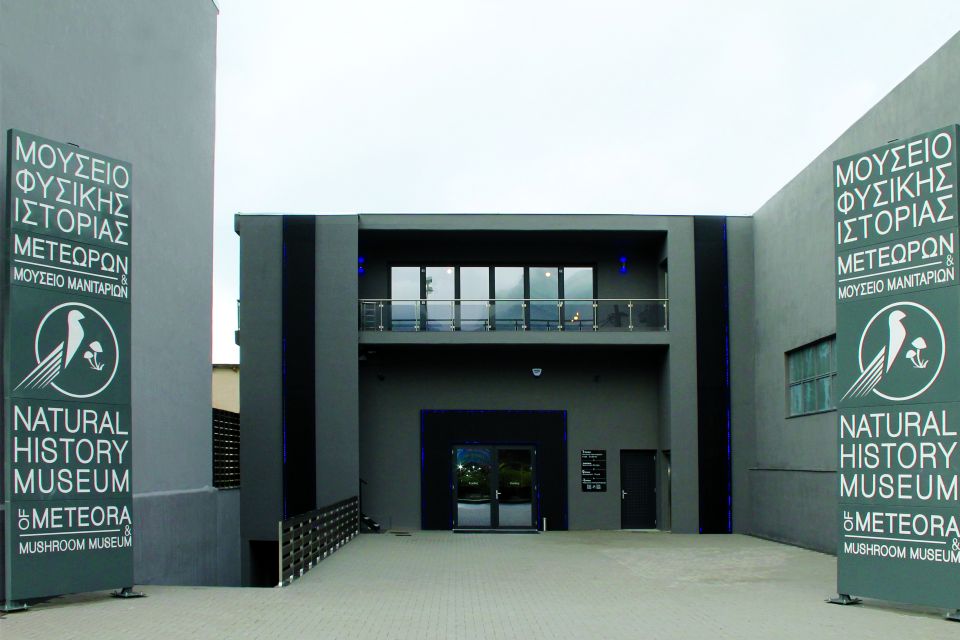
The meeting point is at Pindou 20 in Kalampaka, postal code 422 00. The museum is about 600 meters from the train station and 200 meters from the main street of Kalabaka, so it is convenient if you are staying in town or arriving by rail.
No pickup or drop-off from your accommodation is included. You need to make your own way to the museum, but the central location keeps the transport question simple. The information provided does not include a shuttle, private transfer, or organized hotel collection.
The museum is wheelchair accessible. That makes it a practical indoor choice for people who need an accessible attraction, although you may want to confirm any specific access needs before arrival if you require details beyond the general accessibility statement.
Opening hours change with the season:
- From June through September, the museum is open daily from 10:00 AM to 7:00 PM.
- From October through May, it is open Monday through Friday from 10:00 AM to 5:00 PM, Saturday from 10:00 AM to 7:00 PM, and Sunday and bank holidays from 10:00 AM to 6:00 PM.
- During the Christmas holiday period, December 1 through January 6, hours are 9:00 AM to 8:00 PM.
Check the hours before setting out, particularly from October through May. A late weekday arrival could leave you with too little time.
Is $8 good value?
At $8 per person, I consider this a good-value short attraction. The ticket includes admission to both permanent collections, a self-guided QR code tour, and a free mushroom sample.
The value comes from the variety packed into a small visit. You get wildlife, extinct and endangered species, an unusual mushroom collection, habitat displays, and food tasting. You also have the option to browse a shop with specialty products rather than being pushed into a separate paid tasting.
The price is less compelling if you expect a long guided tour or a large museum with many rooms. No guide name or scheduled live presentation is provided, and the experience is self-guided. You are paying for access to an unusual collection, not for a full natural history lecture.
For a day in Meteora, that distinction is easy to accept. The museum can fill an hour between other activities without requiring a major budget or complicated planning. At this price, it is also a low-risk choice for families or mixed-interest groups.
Free cancellation is available up to 24 hours before the activity for a full refund, and you can reserve now while paying later. The ticket is valid for one day, with starting times subject to availability.
Who will enjoy this most?
I would recommend the museum to families, mushroom enthusiasts, food-minded visitors, and anyone looking for a quiet break from outdoor sightseeing. The animal collection gives children something immediate to notice, while the mushroom sculptures add an unexpected subject for adults.
It is also a good fit if you are arriving or departing by train. The short walk from the station makes the museum easy to add before checking in or after leaving your luggage, provided the opening hours suit your schedule.
People who want a formal guided experience may find it less satisfying. The tour uses QR codes for self-guided information, and the provided details do not promise a staff-led explanation. If you prefer to move at your own pace, that is an advantage.
I would not make the museum your only plan in Meteora. Its strength is that it complements the major sights. See the monasteries and rock formations, then use this compact museum for a close look at local wildlife, fungi, and food products.
Should you book the Natural History Museum of Meteora?
Book it if you have about an hour in Kalabaka and like the idea of combining wildlife displays with a mushroom tasting. The mushroom sculptures, three growth stages, and Greek mushroom sweet make this more distinctive than a standard small natural history museum.
Skip it if your schedule is packed with monastery visits and you are unlikely to enjoy a self-guided collection. The visit is short, and the displays will appeal most to people who like animals, nature, unusual food, or careful visual detail.
For $8, I think it earns its place as an easy add-on. Go with realistic expectations, allow an hour for the exhibits, and leave time to sample the chocolate and truffle products upstairs.
FAQ
How long should I allow for the museum?
The museum recommends about one hour to view all the exhibits. You may need extra time if you read everything closely or plan to browse the shop.
What collections are inside the museum?
The museum has two permanent collections. One contains about 350 species of birds and mammals, while the other contains about 250 mushroom forms.
Are the mushroom displays real mushrooms?
The mushroom collection consists of handmade sculptures designed to maintain the colors, shapes, and sizes of the mushrooms they represent.
Can I taste mushroom products?
Yes. A free sample is included, and you can taste four or five mushroom products, including sweet and savory items.
What is sold in the museum shop?
The shop carries about 60 mushroom and truffle products created by the museum, including mushroom delicacies, chocolate, truffle spread, and the mushroom sweet.
Where is the museum located?
It is at Pindou 20, Kalampaka 422 00, about 600 meters from the train station and 200 meters from Kalabaka’s main street.
Is the museum wheelchair accessible?
Yes, the museum is wheelchair accessible.