REVIEW · KALABAKA
Meteora: Morning Half Day Sightseeing and Monasteries Tour
Book on GetYourGuide →Operated by Meteora Trip · Bookable on GetYourGuide
Meteora is drama, and this tour makes it easy. I like the hotel pickup and the low-stress minibus ride, because Meteora’s roads and parking can be a headache. I also like that you see all six monasteries and get time to go inside three, with lots of scenic photo stops and stories from an English-speaking guide (names I’ve seen on recent departures include Nikos, Maria, and Nikólaos).
The main drawback is simple: you still need to follow the monastery dress code and plan for extra entrance fees in cash for the monasteries you enter. Also, plan on sightseeing time being shared between viewpoints and church interiors, so it’s not a slow, fully guided walkthrough inside every building.
In This Review
- Key highlights to know before you go
- Why Meteora Feels Like a Bygone World
- Kalabaka or Kastraki Pickup: The Low-Stress Start
- The 4-Hour Plan: What You See at Each Stop
- St. Nicholas Anapavsa and Rousanou: Quick exterior introductions
- Great Meteor Monastery: Your big interior anchor
- Varlaam Monastery: More viewing time, more detail
- Holy Trinity and the photo-view circuit
- St. Stephen: A final interior visit with time to breathe
- Beyond the big names: Chapel of Doupiani and St. George Mandilas cave
- Panoramas, Photo Stops, and Pacing That Actually Works
- Entrance Fees, Cash, and the Monastery Dress Code
- English Guide Plus Free Audio Guides: How the Commentary Works
- Value for Money: Why $35 Can Make Sense in Meteora
- Who This Tour Fits Best
- Should You Book This Meteora Morning Tour?
- FAQ
- How long is the Meteora tour?
- Where do you get picked up, and what are the pickup windows?
- How many monasteries do you see, and do you go inside?
- Are monastery entrance fees included in the tour price?
- What’s included for the guide and language support?
- Do I need my phone for the audio guide?
- What should I wear for monastery visits?
- Is there free cancellation?
Key highlights to know before you go
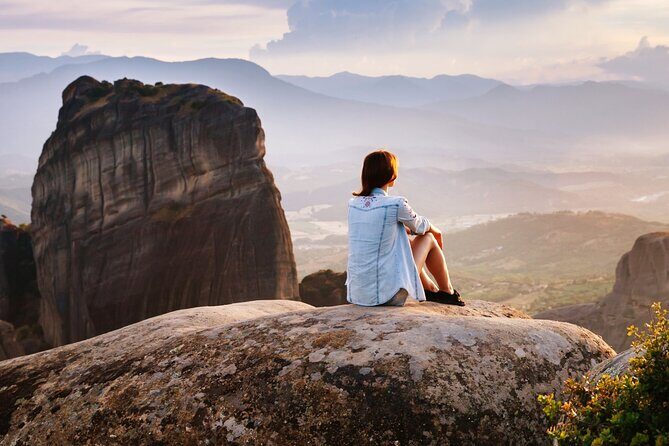
- All six monastery stops in one morning with multiple photo chances across the rock pinnacles
- Hotel pickup and drop-off from Kalabaka or Kastraki so you don’t wrestle with traffic and parking
- Enter three monasteries plus a guided tour component on-site
- English live guide + free audio guides (bring your smartphone and earphones)
- Hidden stops like the Chapel of Doupiani and St. George Mandilas cave for variety beyond the big names
Why Meteora Feels Like a Bygone World
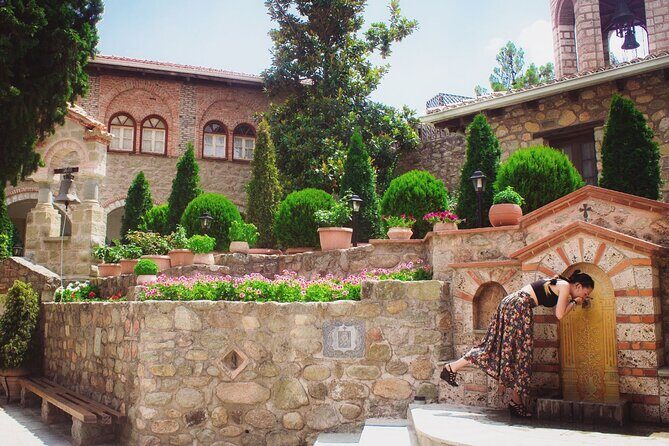
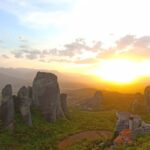
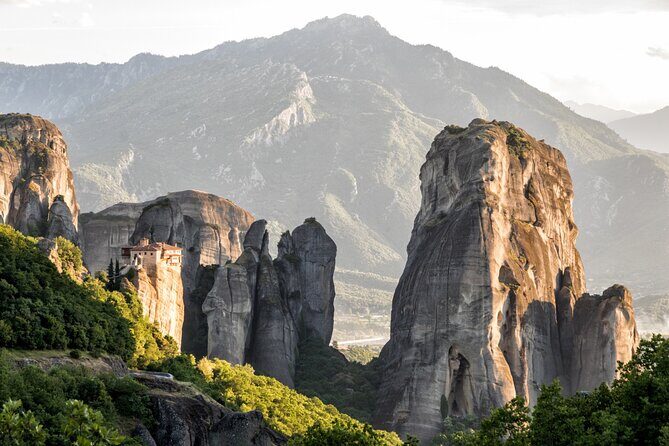
Meteora isn’t just pretty scenery. It’s a place built for isolation—huge rock pillars, perched monasteries, and paths that make you slow down without trying. The guide’s job here is to connect the rocks to the human story: why hermits came, why it lasted, and how the monks pulled off what seemed impossible.
What I love about this format is that you get the “why” while you’re still looking at the “wow.” The story helps the view make sense, not just impress you for a minute.
A few more Kalabaka tours and experiences worth a look
Kalabaka or Kastraki Pickup: The Low-Stress Start
This is a morning half-day tour designed to run smoothly. You’re picked up from your accommodation in Kalabaka (around 08:45–09:00) or Kastraki (around 09:00–09:15), then transferred in an air-conditioned minibus. That timing matters because Meteora is busy, and earlier usually means less crowd pain.
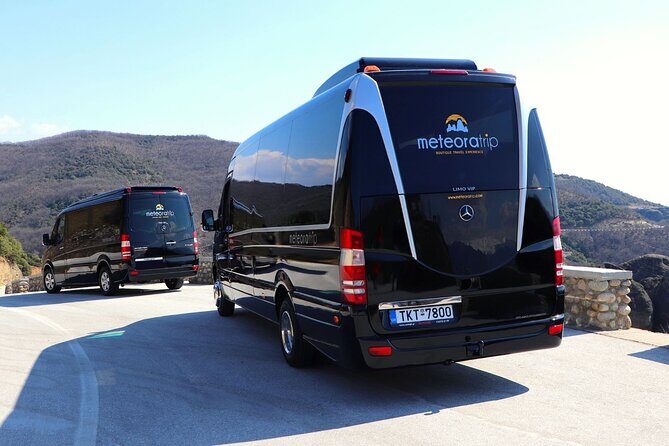
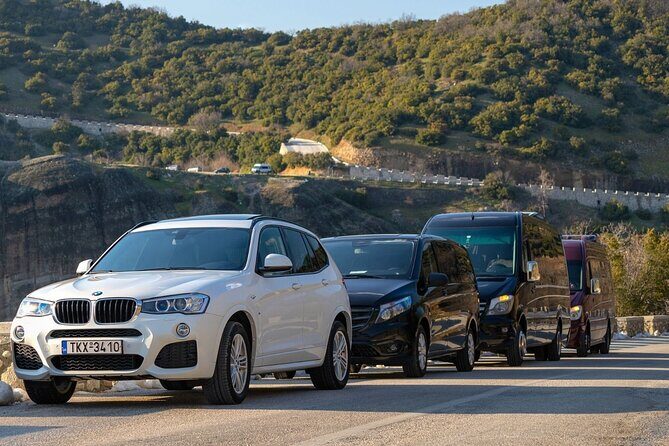
The minibus setup also helps you get closer to where you need to be. A lot of the hassle in Meteora is parking and the limitations on where larger vehicles can stop. Here, the driver and the guide handle the logistics so you can spend your energy on the monasteries and the views instead of searching for a spot.
The 4-Hour Plan: What You See at Each Stop
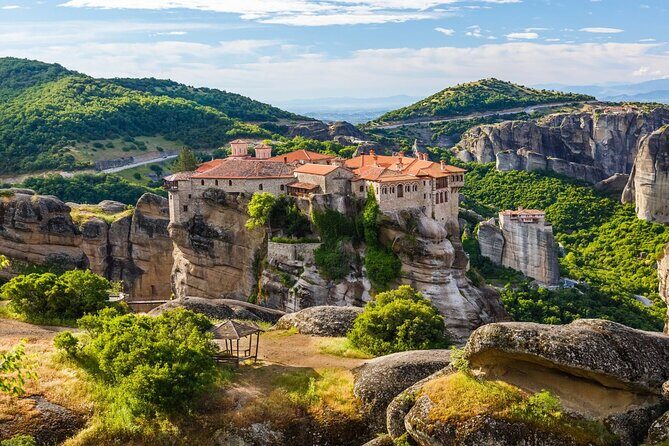
This tour runs about 4 hours, built around short, efficient outside views and a longer interior time where it counts. You’ll see monasteries by the famous “from-a-distance” angles, but you’ll also get real time inside three of them.
Here’s how the morning typically unfolds, and what to expect at each kind of stop:
St. Nicholas Anapavsa and Rousanou: Quick exterior introductions
You start with short sightseeing stops at Monastery of St. Nicholas Anapavsa and Monastery of Rousanou. These are your quick visual orientation points. In a few minutes, you’ll understand why Meteora became famous: the monasteries look like they’re glued to the tops of impossible rocks.
Because these are short stops, don’t treat them like museum visits. Treat them like a preview. Use the time to spot the best angles for photos and mentally map where you’ll spend your longer time later.
Great Meteor Monastery: Your big interior anchor
Next is Great Meteor Monastery, with about 1 hour on-site for visiting. This is the stop most people mentally circle first, and with good reason. You’ll have time to wander at your own pace while still benefiting from the guide’s setup before you go in.
The drawback here is also predictable: it’s a popular interior. If you want the calmest moments, go a little slower at the start, then reposition when the early rush shifts.
Varlaam Monastery: More viewing time, more detail
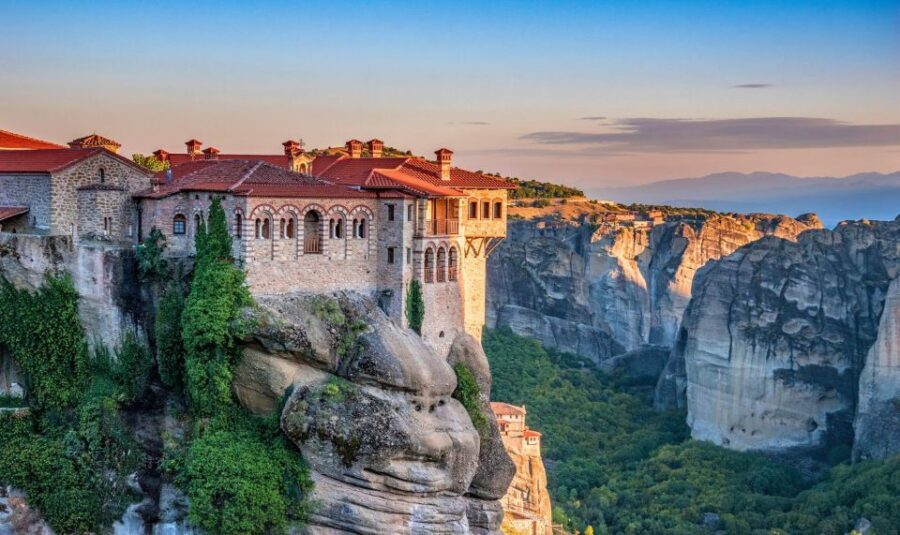
Then you head to Monastery of Varlaam, where you get about 45 minutes. This is another major monastery experience, with enough time to pause for photos outside and then go inside without feeling rushed.
If you’re the type who likes to compare architecture and feel the differences between monasteries, this stop is where that pays off. You’ll see how the experience changes as you move from one perched complex to another.
Holy Trinity and the photo-view circuit
You’ll also stop at Holy Trinity Monastery at Meteora for outside sightseeing (about 15 minutes). Think of this as part of the photo-view circuit: short, scenic, and meant to keep the tour balanced across the whole site.
This is also where the guide’s stories help. When they explain what you’re looking at—pinnacle shape, monastery placement, and the logic of the route—you end up understanding the site faster than you would by just following signs.
St. Stephen: A final interior visit with time to breathe
Finally, you visit Monastery of St. Stephen for about 30 minutes. This gives you one more interior experience before the tour winds down. It’s long enough to see what matters, but short enough that you won’t feel like you missed out on the final viewpoints.
One practical tip: keep your energy for the last part. Meteora mornings can feel like a lot of steps and standing around, even when the walking isn’t extreme.
Beyond the big names: Chapel of Doupiani and St. George Mandilas cave
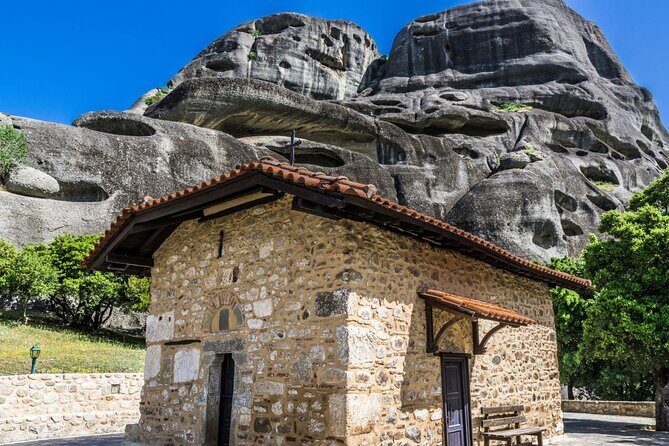
This tour doesn’t limit itself to the headline monasteries. Along the way, you’ll also see spots like the ancient Chapel of Doupiani and St. George Mandilas cave. These are the kind of stops that add texture. The big monasteries give you scale; these stops help you feel the broader atmosphere.
Panoramas, Photo Stops, and Pacing That Actually Works

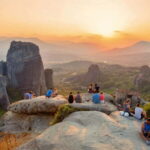
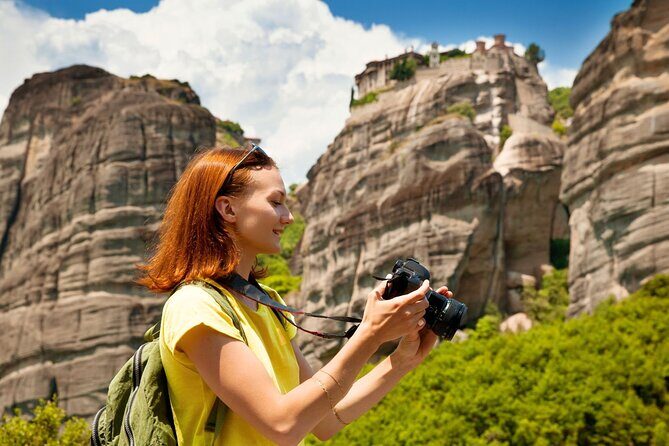
Meteora is photo-friendly, but only if you can stop when the light and angles are good. This tour includes multiple panoramic photo opportunities, timed between monastery visits. The result is that you’re not forced to choose between seeing the sights and getting pictures.
I also appreciate the pacing style here. Short exterior stops keep things moving, while the interior visits are long enough to feel real. That balance is why the 4-hour duration works for a lot of people, especially if you’re also doing other parts of Greece.
And yes, the bus ride matters. Roads near Meteora are twisty, and a smooth driver makes a difference. On recent departures, people have specifically praised careful driving and comfortable transport—so you arrive in decent shape, not wiped out before you even start.
Entrance Fees, Cash, and the Monastery Dress Code
This is the part you must plan for. Entrance fees are not included, and the monasteries only accept cash for the entrance fees (listed as €5 per person per monastery). So even though the tour price is clear, your day total depends on which interiors you choose to enter.
Bring cash. That simple line can save you stress.
Then there’s the dress code, and it’s strict because you’re entering active religious spaces. Men need long trousers and shirts with sleeves. Women need a skirt that falls below the knee and must cover their shoulders; trousers are not permitted. A long scarf wrapped around the waist can help women meet the skirt requirement.
Practical tip: wear comfy shoes you can stand in. Meteora interiors and paths usually aren’t “sit down and enjoy” experiences.
English Guide Plus Free Audio Guides: How the Commentary Works
You get a live English-speaking guide, plus free audio guides in Spanish, French, German, Italian, Japanese, Chinese, and Korean. The audio is designed for phones, so you’ll want your smartphone and earphones.
This pairing is a smart setup. The guide can explain the big picture while you’re moving between stops. Then, when you’re inside and it’s quieter, the audio gives you a structured way to absorb details at your own pace.
One thing to consider: don’t expect the same level of live narration inside every single monastery. Some guests have noted that interior guidance can be limited, so I’d treat interior time as mostly self-exploration with audio support, not a full “guided tour in the church every minute” experience.
Value for Money: Why $35 Can Make Sense in Meteora
At $35 per person for a 4-hour guided morning, this isn’t “cheap,” but it’s also not priced like a luxury transfer. The value comes from removing the big day-wasters:
- You don’t have to drive and figure out parking.
- You get a route that hits the key monasteries efficiently.
- You get both live storytelling and optional audio at the points of interest.
Then factor in what you would otherwise spend time on. If you drove yourself, you’d still have to solve parking constraints and deal with crowded chokepoints. Paying for the guided transport often buys back your time and keeps the day feeling like a tour, not an errand.
For people considering a private group, the advantage is predictability. A smaller group generally means less waiting and more flexibility if you want a moment longer at a viewpoint or a monastery stop.
Bottom line: this is a solid value when you want the highlights, the stories, and the convenience, without turning Meteora into a logistics project.
Who This Tour Fits Best
I think this tour is ideal for:
- First-timers who want to see the big monasteries without needing a car.
- Travelers who like history told in a human way, not just dates and labels.
- People who want a good mix of exteriors, panoramas, and a few interiors—without committing to a full day.
If you’re the type who wants to read every sign slowly and spend long hours inside, you might feel the time limit. But if your goal is to understand Meteora quickly and see what makes it famous, this hits the sweet spot.
Also, if you’re short on time in the area, this morning format is a smart choice. You still get a full Meteora experience without losing the rest of your day to driving.
Should You Book This Meteora Morning Tour?
Yes—if your priority is a stress-free Meteora morning with the important monasteries, solid viewpoints, and a guide who explains what you’re actually seeing. The combination of hotel pickup, small-group pacing, and entrance time for three interiors makes it a practical way to do Meteora.
Book it especially if you don’t want to manage parking and route decisions. Just go prepared: wear the right clothes, bring cash for monastery entry, and pack comfortable shoes.
If you’re someone who hates tours and wants total freedom, you might prefer self-guided Meteora. But if you want the best “value per hour,” this is a very reasonable way to experience the pinnacles and monasteries.
FAQ
How long is the Meteora tour?
The tour duration is 4 hours.
Where do you get picked up, and what are the pickup windows?
Pickup is from accommodations in Kalabaka or Kastraki. Pickup time from Kalabaka is between 08:45 am and 09:00 am, and from Kastraki between 09:00 am and 09:15 am.
How many monasteries do you see, and do you go inside?
You see all six monasteries and have free time to visit the interior of three monasteries.
Are monastery entrance fees included in the tour price?
No. Entrance fees are not included. Entrance fees are €5 per person per monastery, and the monasteries accept cash only.
What’s included for the guide and language support?
You have an English live tour guide. Free audio guides are included in Spanish, French, German, Italian, Japanese, Chinese, and Korean.
Do I need my phone for the audio guide?
Yes. You’ll need your smartphone and earphones to use the free audio guide.
What should I wear for monastery visits?
Men must wear long trousers and shirts with sleeves. Women must wear skirts below the knee and cover their shoulders; trousers are not permitted. A long scarf can be used around the waist to meet the requirements.
Is there free cancellation?
Yes. Free cancellation is available up to 24 hours in advance for a full refund.