REVIEW · KALABAKA
Kalabaka: Meteora Small-Group Hiking Tour w/ Monastery Visit
Book on GetYourGuide →Operated by Visit Meteora · Bookable on GetYourGuide
Meteora on foot feels like cheating. You’re close to the sandstone towers, moving at a human pace, and guided to the best angles for Eastern Orthodox monasteries. I especially love the way the hike strings together cliffside viewpoints and monastery history without rushing. A small caution: the trail has rocky footing and some steep bits, so you’ll want real shoes and a steady pace.
This half-day tour works well even if you only have one morning in the area. You’ll start with a short ride from Kalabaka to the trailhead, then walk up through hermitages, ruined monasteries, and monastery approaches—often with shady stretches—and finish with a visit to Great Meteoron or Varlaam plus a classic finale at St. George the Madilas. One more consideration: monastery entry fees (about €5 per monastery) are not included, so you should plan for cash on hand.
In This Review
- Key Things I’d Plan For
- Why Hiking Meteora Beats a Quick Bus Stop
- Starting in Kalabaka: The Ride That Sets the Tone
- Dupiani Hermitage to the Ruins of Pantokratoros: First Views, Real Context
- Ypapanti Monastery and the St. Dimitrios Ruins: When History Gets Specific
- Great Meteoron or Varlaam: The Monastery Part You’ll Remember
- St. George the Madilas: A Small Stop With Big Local Meaning
- What the Walking Feels Like (And How to Prepare)
- Price and Value: Where Your Money Actually Goes
- Weather, Crowds, and the Quiet Bonus
- Who This Tour Suits Best (And Who Should Skip It)
- Should You Book This Meteora Small-Group Hike?
- FAQ
- How long is the Meteora hiking tour?
- Where do I get picked up?
- Is monastery entry included in the price?
- What language is the guide?
- What should I bring and wear?
- Is this hike suitable for everyone?
- Can I cancel and get a refund?
Key Things I’d Plan For
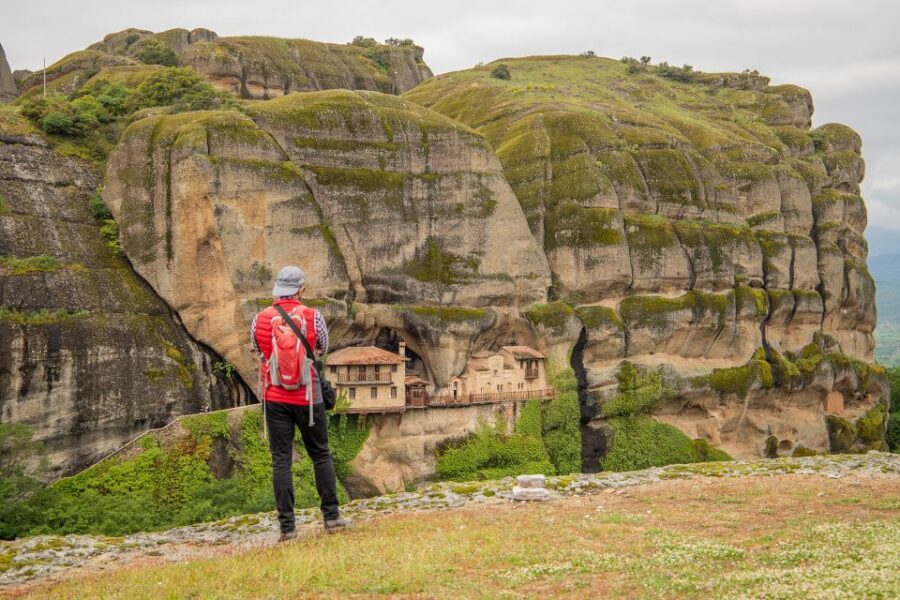
- A guided route you can’t easily replicate: you’ll walk traditional paths between rock formations and reach viewpoints by foot.
- Eastern Orthodox monasteries with paid entry options: you’ll likely see the grounds and visit the interior for a fee at the monastery you choose.
- Guides like Christos and Evan keep it moving: many guides are praised for crisp English and smart storytelling.
- Some sections feel steep or uneven: uphill is manageable, but the descent and rocky steps can test your shoes and balance.
- A low-crowd feeling is part of the value: with fewer people than you’d expect, you get more quiet time at viewpoints.
- You finish with a local tradition at St. George the Madilas: rope-and-offering lore adds a human touch beyond the big sights.
Why Hiking Meteora Beats a Quick Bus Stop
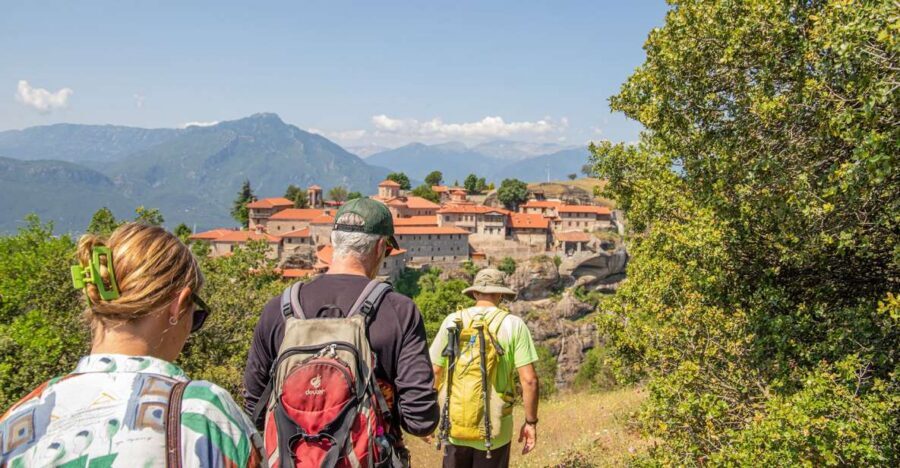
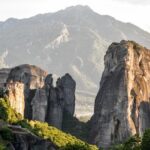
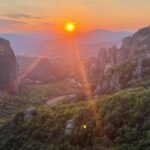
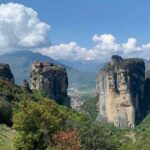
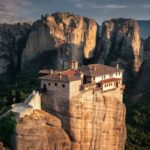
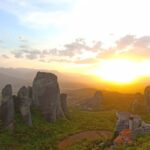
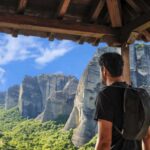
Meteora’s monasteries sit on dramatic sandstone pillars, but the real magic is how close the rocks feel when you walk among them. From ground level, you start noticing details you’d miss from a road—strange erosion patterns, honey-colored rock faces, and narrow paths that snake between boulders.
This tour is priced in the value zone because you’re paying for access + navigation + interpretation. The guide doesn’t just point at sights; they connect what you’re seeing—geology, local stories, and the logic of where monks built shelters—to what you’ll visit next. And you get that connection while you’re still warm from morning air and climbing momentum, not after you’ve burned all your energy in a parking-lot sprint.
You can also read our reviews of more hiking tours in Kalabaka
Starting in Kalabaka: The Ride That Sets the Tone
You’ll get picked up in the Kalabaka area from listed boutique hotels and guesthouses, then do a short coach transfer (about 10 minutes) to the trail access points in the Meteora area.
That quick ride matters more than it sounds. It keeps the morning efficient, and it positions you to start walking before the main crush of day-trippers. When the weather cooperates, you’ll also likely find the route less crowded than the viewpoints that people hit by car.
Once you arrive around Kastraki Square, the day begins to feel like a hike, not a sightseeing checklist. Photo stops are built in, but they don’t replace walking time. That balance is one reason so many people rate this tour so highly.
Dupiani Hermitage to the Ruins of Pantokratoros: First Views, Real Context
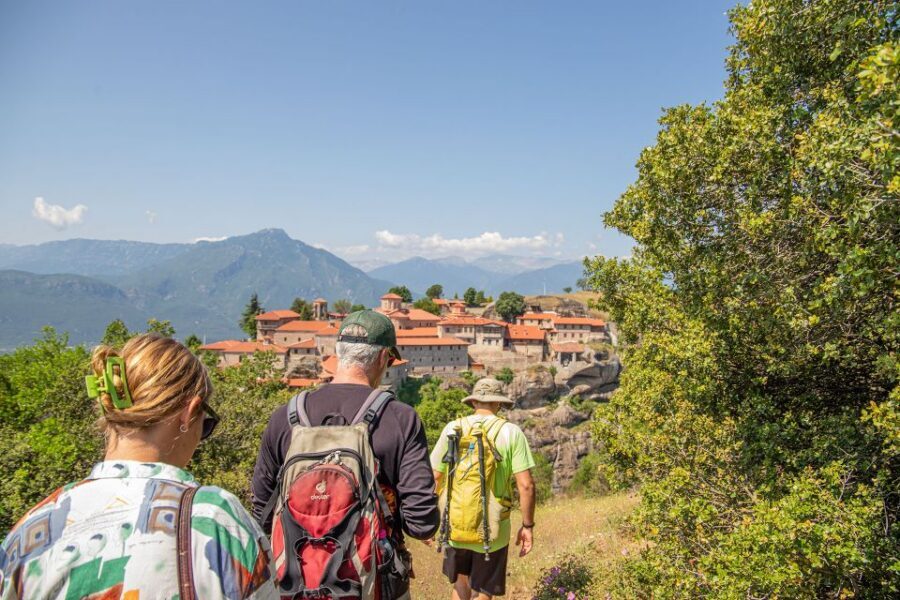
The hiking portion starts with the trail heading toward Dupiani Hermitage. Early on, you’re not just walking “up”—you’re walking through a layered Meteora world.
You pass below the ruined Pantokratoros Monastery on the north side of Dupiani’s rock. Ruins can feel like a letdown if you’re only expecting intact buildings. Here, the ruins are part of the lesson. You learn how Meteora wasn’t one monastic complex—it was a patchwork of retreats, dependencies, and changing sites over centuries.
What I like about this stretch for your planning: it gives you perspective before the big monasteries. By the time you reach the main rock-top areas, you already understand the pattern of building life around the cliffs—where visibility, isolation, and safety mattered.
Ypapanti Monastery and the St. Dimitrios Ruins: When History Gets Specific
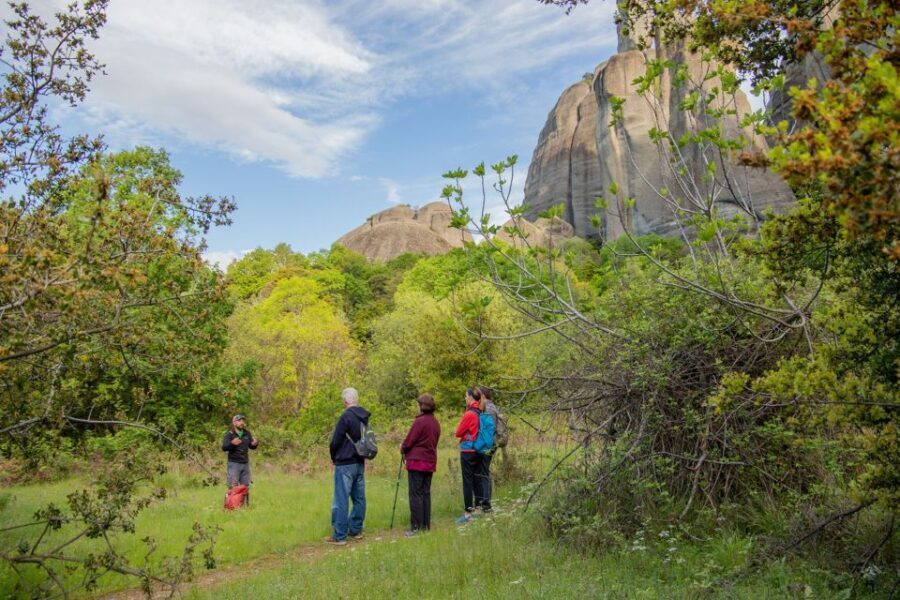
As the route continues, you reach Ypapanti Monastery and then the ruins of St. Dimitrios, a monastery destroyed by the Ottomans in 1808 during a local uprising.
That kind of detail turns Meteora from scenery into story. You’re not just looking at old stone; you’re watching the aftermath of conflict and change. And because you’re walking between these places, you get a sense of how the monks and locals moved through the area—between shelters, worship spots, and working grounds.
One practical tip from how the route is described: expect short transitions and steady walking rather than one long flat stretch. It’s a good warm-up for the bigger climb that comes next.
Great Meteoron or Varlaam: The Monastery Part You’ll Remember
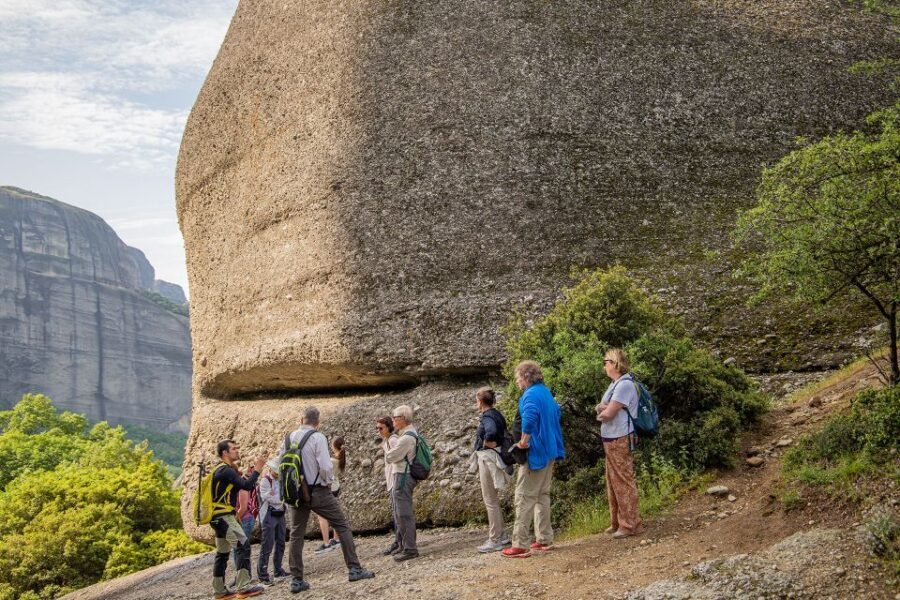
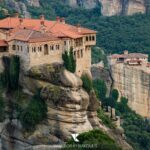
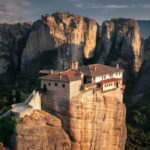
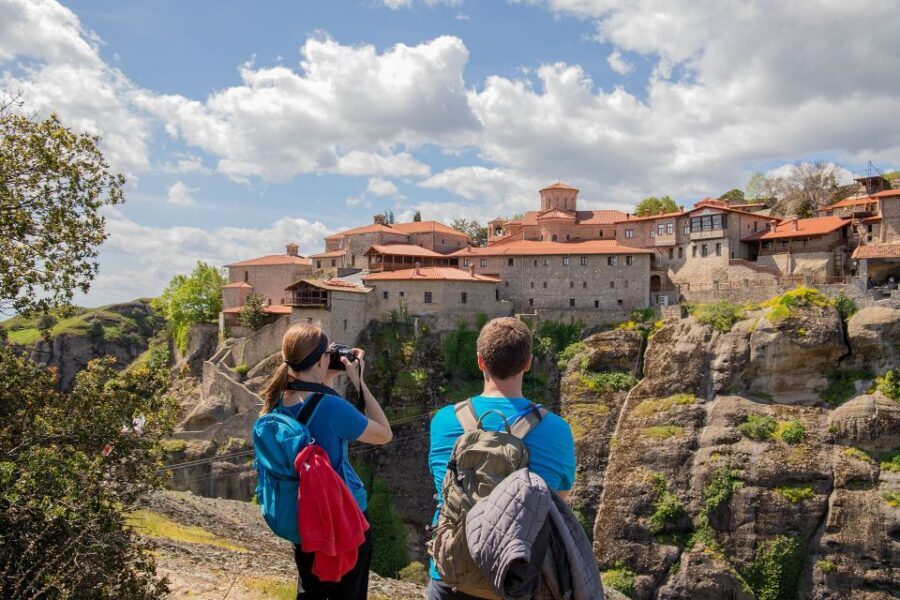
This is the centerpiece moment of the tour. You’ll climb to the impressive Great Meteoron and Varlaam monastery areas (both among the major Eastern Orthodox monasteries of the UNESCO site). Which one you visit for interior time depends on the day’s flow, but the structure of the experience is consistent: you get guided attention to what matters, plus time to explore the monastery you’re visiting.
A key value point: monastery entry fees are not included (listed as about €5 per person per monastery). That means you should bring cash and decide whether you want interior access. The exterior viewpoints are stunning either way, but the interior is where the faith-focused details usually land.
What you’ll get from the guide here is practical, not academic. Many guides (including names like Christos and Evan in the feedback) are praised for telling you what to look for inside and pointing out the highlights so you don’t miss the meaningful parts while you’re standing there.
If you’re thinking about photos: plan to slow down at key angles. The guide-led pacing helps because you’re not guessing where the best views are—you’re already moving toward them.
St. George the Madilas: A Small Stop With Big Local Meaning
After the monastery area, the tour continues down toward St. George the Madilas. This part is special because it shifts you from grand cliffside architecture to a living tradition.
The story attached to St. George the Madilas is unforgettable: local children climb with only a rope to dedicate offerings to St. George. Even if you’re not there during the exact ritual moment, the explanation helps you understand why this site matters to people now—not just centuries ago.
This finale also helps your timing. Walking down on the trail after the monastery makes the whole morning feel like one connected loop, not two separate events.
What the Walking Feels Like (And How to Prepare)
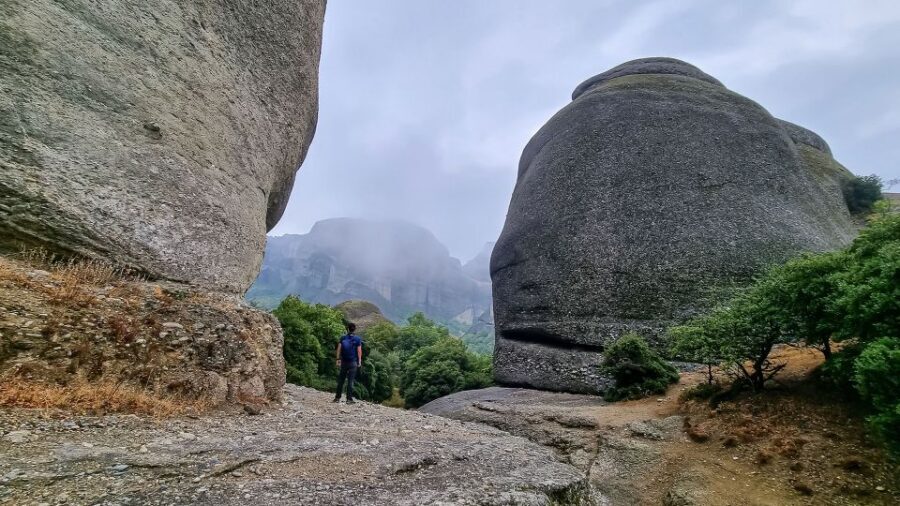
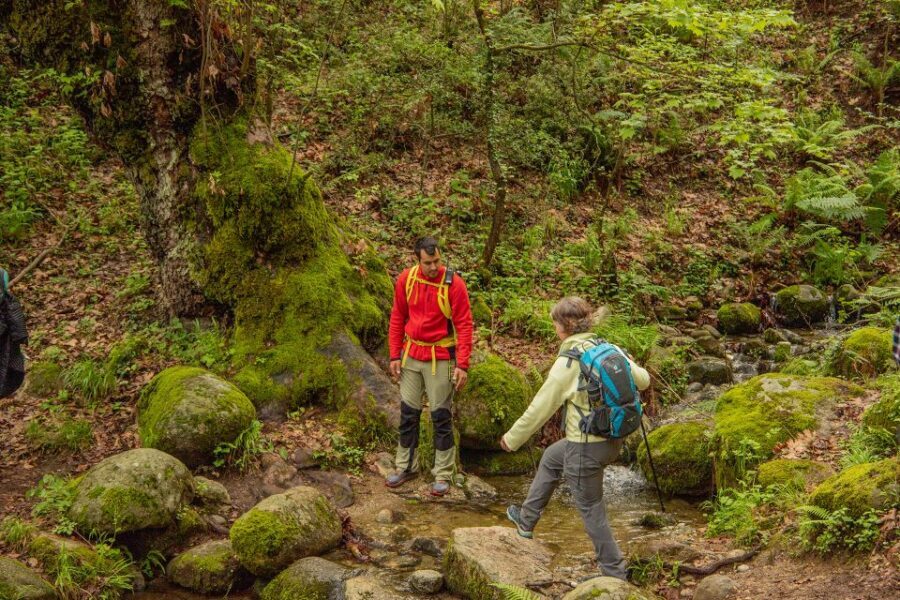
The tour is rated as small-group hiking, and the feedback suggests a range from mostly manageable for beginners to a bit challenging in places. Here’s the honest planning picture:
- Expect some steep sections and rocky steps.
- The descent can be the tougher part, especially if your shoes aren’t built for uneven ground.
- Warm weather can turn the climb into a sweat session, even if the total time isn’t extreme.
- Some portions may be shaded, which helps if you’re visiting in warmer months.
The good news: guides often pace to your group. Several people specifically mention guides adjusting pace and stopping when needed. One person also noted that walking poles were provided when helpful, which is a smart safety touch if you have any knee or balance concerns.
What to bring (don’t skip this list):
- Comfortable shoes with real traction (no flip-flops)
- A hat
- Snacks
- Comfortable clothes for walking
- Cash (especially for monastery entry fees)
What’s not allowed:
- Sandals or flip-flops
- Pets
- Sleeveless shirts
Price and Value: Where Your Money Actually Goes
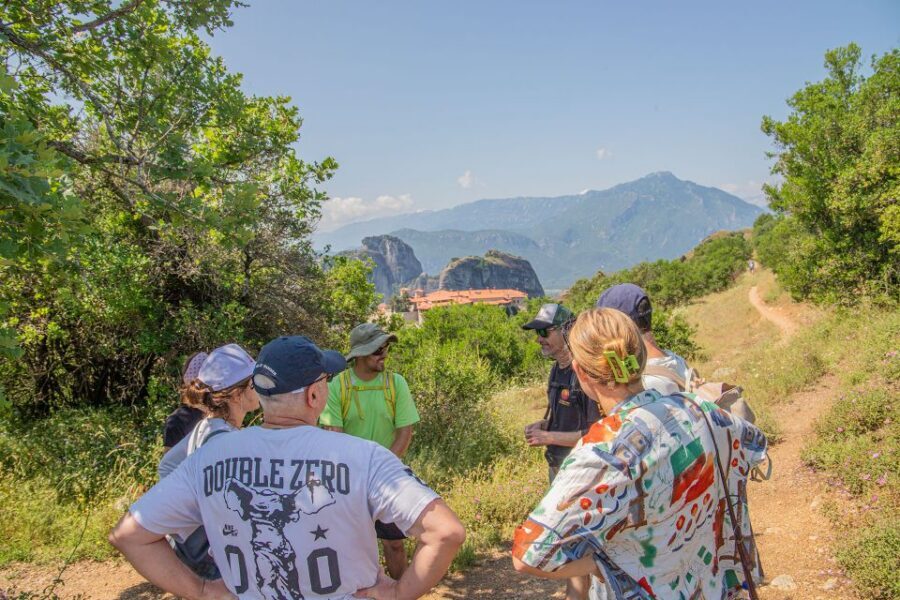
At $35 per person for a 5-hour experience with pickup, a mountain guide, a map, and water, the value is mostly in the combined package: transport + route guidance + history + access to viewpoint timing.
The one thing to budget separately is monastery entry. Entry fees are listed as about €5 per person per monastery and you’ll pay on your end (and the guide won’t take over for interior access). That doesn’t make the tour “more expensive” automatically—but it does mean you should decide how much interior time you want before you step up to the ticket check.
If you’re comparing this to doing Meteora solo with a car, the math often favors the tour once you factor in:
- the cost of figuring out the right footpaths
- the mental load of route-finding on uneven trail
- and the extra value of guided explanations that make the stones make sense.
Weather, Crowds, and the Quiet Bonus
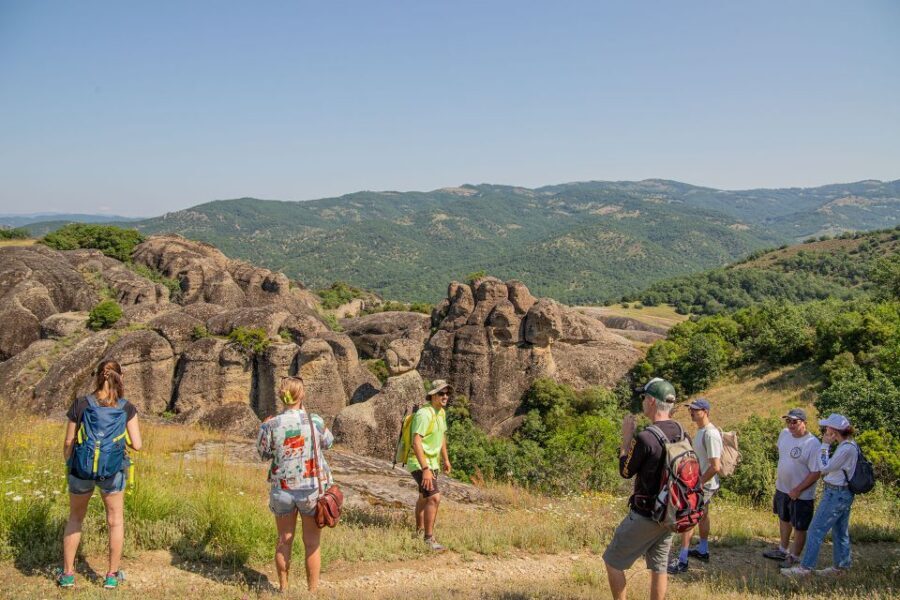
Meteora can get crowded, especially at the big monastery viewpoints. One reason this tour gets such strong ratings is that it often delivers a more human scale experience—time for photos, time to pause, and enough guiding structure to avoid wandering.
Weather can change attendance. In rainy conditions, you may get fewer people, which can make the guide’s attention feel more personal. If skies look iffy, don’t automatically cancel. Just understand you’ll be walking on potentially slick surfaces, so traction matters more.
Who This Tour Suits Best (And Who Should Skip It)
This tour is best for you if you want:
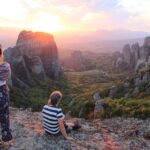
- a morning hike with big panoramic views
- a guide who connects geology and monastery life with specific local stories
- a single half-day plan that covers both walking and a monastery visit
It’s not a good fit if you:
- have heart problems
- have mobility impairments
- have low fitness
- are visually impaired
- are traveling with children under 7
Also, this is not a stroll. Even when the route is described as doable for beginners, it includes steep/rocky segments and real walking time. If you’re unsure, err on the side of sturdy shoes and a slower pace from the start.
Should You Book This Meteora Small-Group Hike?
Yes—if your priority is seeing Meteora the way it was meant to be experienced: on foot, between cliffs, with a guide making the place understandable.
I’d particularly recommend booking if you:
- only have one morning and want maximum “wow per hour”
- like guided history and specific stories, not just general facts
- want a quieter feel than car-only viewpoints can offer
Hold off (or choose a gentler option) if you know rocky steps and steep descents are a problem for your body. And if you’re planning to do interior monastery visits, bring cash and expect the €5 per monastery entry fees to factor into your final cost.
If you match that profile, this is one of the smarter ways to spend time around Kalabaka—and it turns the famous rocks into a morning you can actually remember.
FAQ
How long is the Meteora hiking tour?
It runs for about 5 hours total.
Where do I get picked up?
Pickup is offered in Kalabaka from many listed hotels and guesthouses.
Is monastery entry included in the price?
No. Entry fees are not included and are listed as about €5 per person per monastery.
What language is the guide?
The live tour guide speaks English.
What should I bring and wear?
Wear comfortable walking shoes (no flip-flops or sandals), bring a hat and snacks, and bring cash. Sleeveless shirts are not allowed.
Is this hike suitable for everyone?
It is not suitable for children under 7, people with heart problems, people with low fitness, visually impaired people, or anyone with mobility impairments.
Can I cancel and get a refund?
Yes. You can cancel up to 24 hours in advance for a full refund.