REVIEW · KALABAKA
Kalabaka: Meteora Monasteries Minibus Tour with Photo Stops
Book on GetYourGuide →Operated by Meteora Tour · Bookable on GetYourGuide
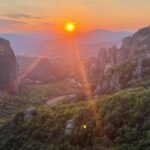
Meteora feels otherworldly from the bus. This 4-hour Kalampaka trip strings together the key spiritual stops on the rock tops, with photo time built into the drive and walks. You’ll start at Saint Antonios, learn why the first hermits came, visit a cave dedicated to St George, and then get chances to photograph three monasteries.
What I really like is the pacing. You’re not rushed, and the guide’s explanations make the stone and icons feel connected, not random stops. In the English-guided tours I’ve seen described, guides such as Ioanna or Andrew are praised for clear history and practical tips like where to stand for photos and which route has fewer stairs.
One thing to consider: monastery visits can involve uneven ground and steps. The tour is listed as wheelchair accessible in the details, but it’s also marked as not suitable for wheelchair users, so if mobility is a concern, check first. Also, entrance fees to monasteries aren’t included.
In This Review
- Key things you’ll notice on this Meteora minibus tour
- Why a minibus Meteora tour makes sense from Kalampaka
- Meeting point at Kalampaka Train Station and the real start time
- Saint Antonios: the first hermits and why the caves matter
- St George the Mandilas cave: the stop that feels quietly different
- Photo stops at three monasteries: how to make the most of limited time
- The Virgin Mary Byzantine church built before the first monks
- Comfort, group size energy, and how guides keep the day calm
- Price and value: what $34 covers (and what doesn’t)
- What to bring so you’re comfortable at the monastery stops
- Who should book this Meteora minibus tour
- Should you book this Kalampaka Meteora minibus tour?
- FAQ
- Where do I meet the guide for the Meteora minibus tour?
- How long is the tour?
- What time does the tour run?
- What’s included in the price?
- Are monastery entrance fees included?
- Do I get a guide inside the monasteries?
- What sites does the tour include besides monasteries?
- How many monasteries do I visit?
- Is the tour wheelchair accessible?
- What should I bring for the tour?
Key things you’ll notice on this Meteora minibus tour
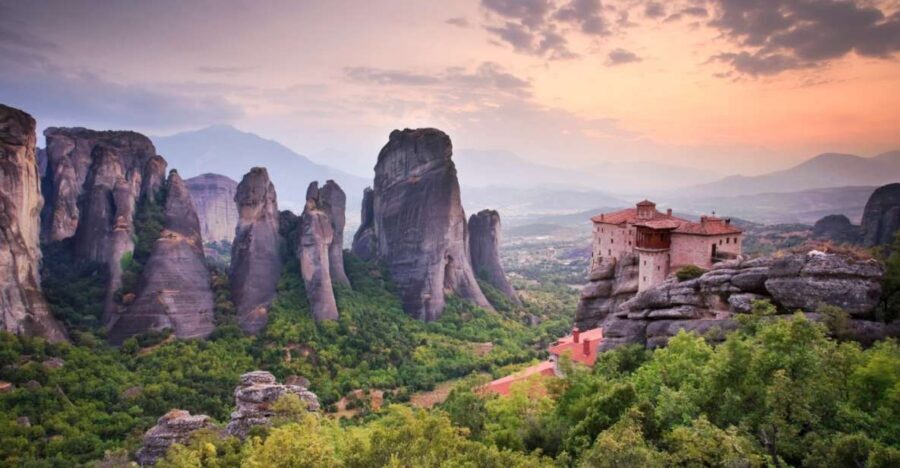
- Saint Antonios first: you’ll hear the 10th-century story of the first hermits and why the caves mattered
- St George the Mandilas cave stop: a smaller detour that adds spiritual texture to the day
- Three monastery photo stops plus visits: you’ll get both views from the road and time on-site
- Byzantine church to the Virgin Mary: you’ll see a site built about 300 years before the first monks’ arrival
- Guides and drivers who manage details: routes for photos, guidance on stairs, and help when plans need adjusting
- Air-conditioned comfort: the minibus makes the ride up and back far more tolerable
Why a minibus Meteora tour makes sense from Kalampaka
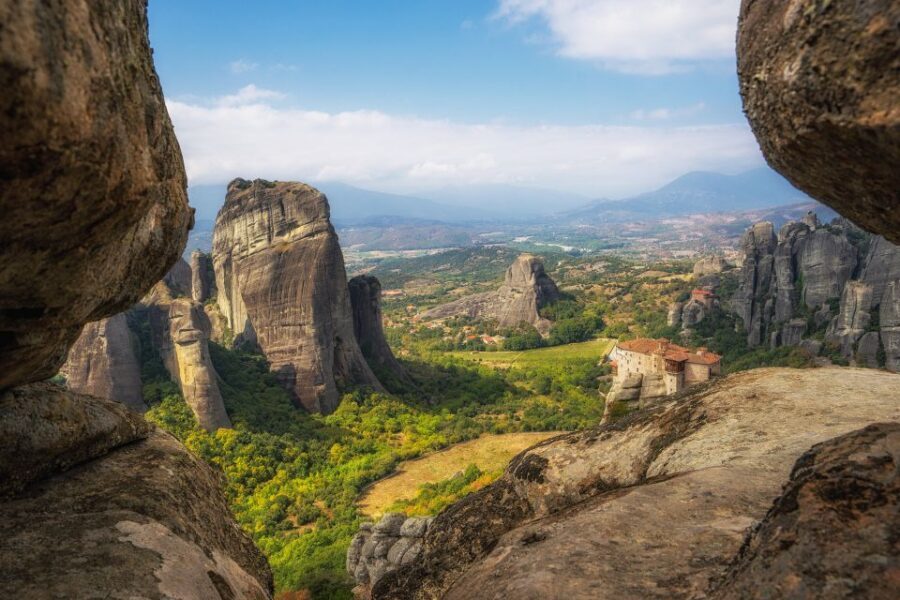
Meteora isn’t one monument. It’s a whole hillside religious system, scattered across viewpoints and stairways. Doing it on your own can mean long drives, missed photo angles, and a lot of guesswork about what’s worth your time.
This style of tour is built for people who want the big spiritual landmarks without turning the day into logistics. You get transportation plus a local English guide to connect the dots between cave hermitages, monasteries, and Byzantine church history—then you still get the practical time to enjoy the views.
It’s also ideal if you’re basing yourself in Kalampaka and want a focused afternoon rather than a full, slow exploration day.
You can also read our reviews of more tours and experiences in Kalabaka.
Meeting point at Kalampaka Train Station and the real start time
Meet your guide outside the train station entrance in Kalampaka (outside where you’d expect to exit the Athens train). The tour start is timed to arrive after the Athens train, and your starting point address is listed as Pindou 61.
A key planning detail: due to temporary changes with Hellenic Trains, the tour starts at 13:10 and finishes at 16:30. If your day is tight, build in buffer time so you’re not running across town when everyone else is boarding.
This is one of those trips where arriving a bit early pays off. You’ll have less stress, and you’ll be ready for the first scenic stretch up toward Saint Antonios.
Saint Antonios: the first hermits and why the caves matter
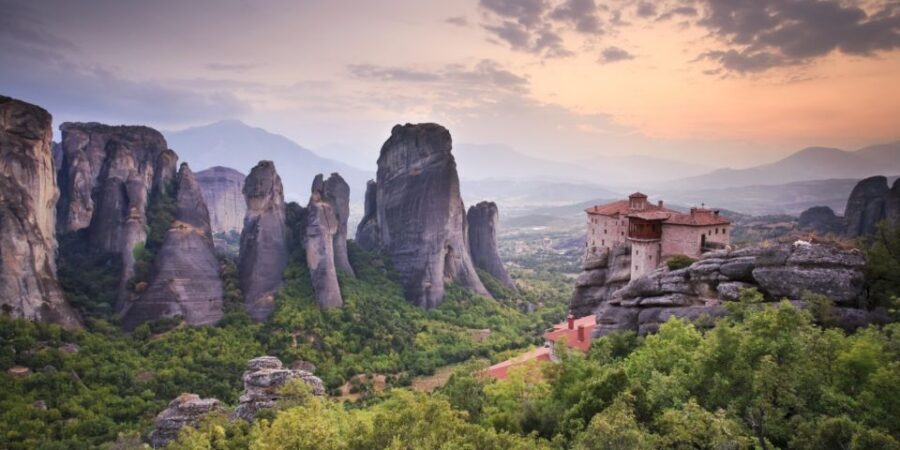
The tour’s opening spiritual stop is Saint Antonios, where the first hermits arrived in the Meteora area. This is where the story shifts from impressive rocks to lived religious life.
Your guide explains the area’s 10th-century background—how hermit monks sought isolation and how that mindset shaped the monastic traditions you see later. You’ll also hear about abandoned hermitages inside the caves that dot the region, which helps you understand why the monasteries didn’t just appear out of nowhere.
What I like about starting here: it gives you a framework before you hit the monastery viewpoints. By the time you’re photographing stone buildings high above, you already know what to look for and why it mattered.
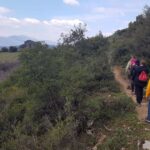
Practical note: even though this is a minibus tour, you’ll still do walking at stops. Wear shoes that handle stairs and uneven surfaces, even if you think you’ll only be on flat ground.
St George the Mandilas cave: the stop that feels quietly different
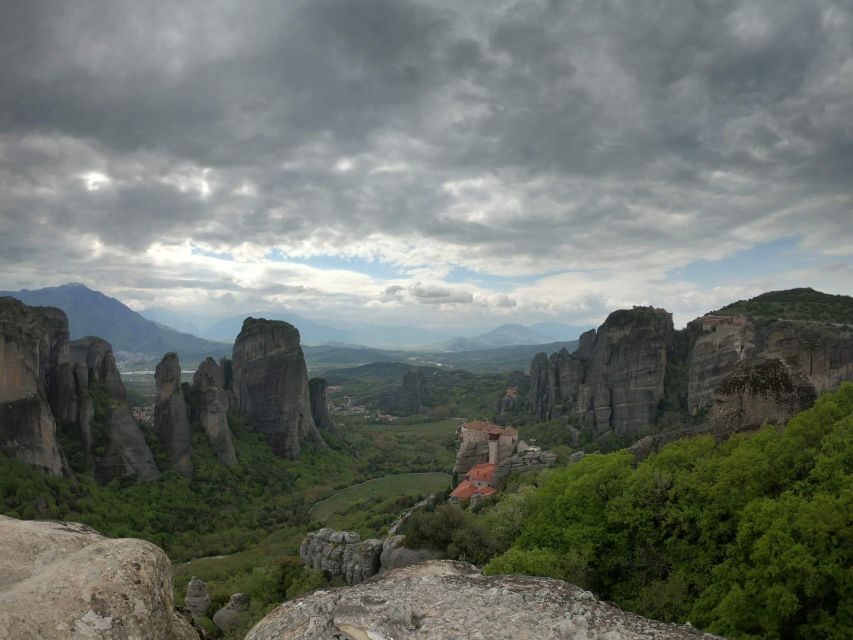
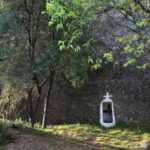
After the Saint Antonios introduction, the route includes the cave of St. George the Mandilas. This is a more intimate kind of site than the major monastery structures, and it changes the rhythm of the trip.
You’re not just doing big-sightseeing. You’re touching the same “spiritual geography” that attracted early hermits—places where worship and shelter overlap. Even if you’re not a church-history expert, a dedicated cave stop tends to make the story feel more human.
Drawback to keep in mind: because it’s an extra stop along a short 4-hour program, you won’t linger all day. You’ll get enough time to experience the moment, but it’s not designed for slow wandering.
Photo stops at three monasteries: how to make the most of limited time
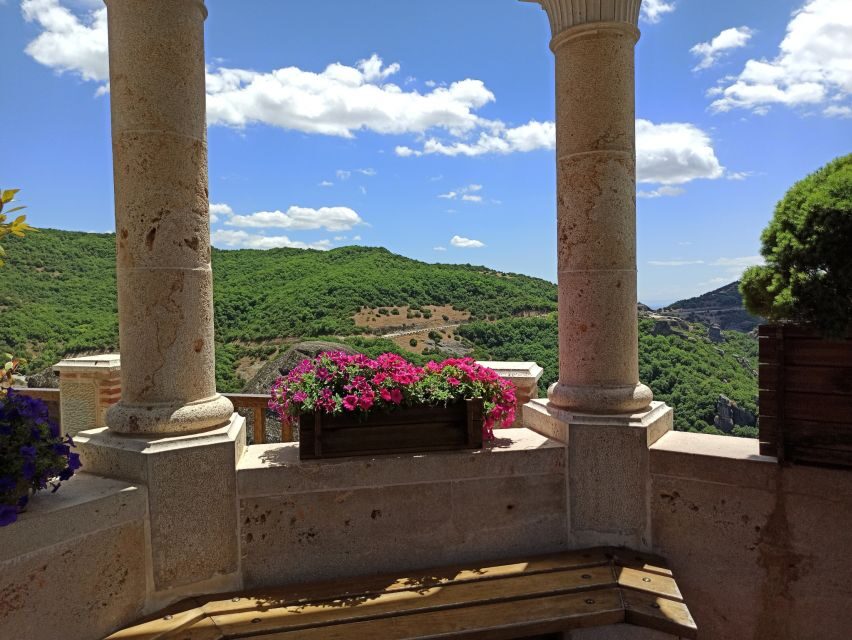
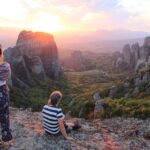
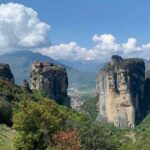
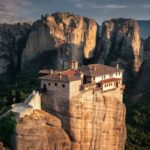
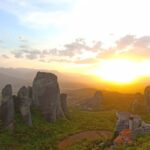
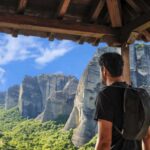
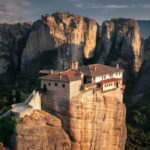
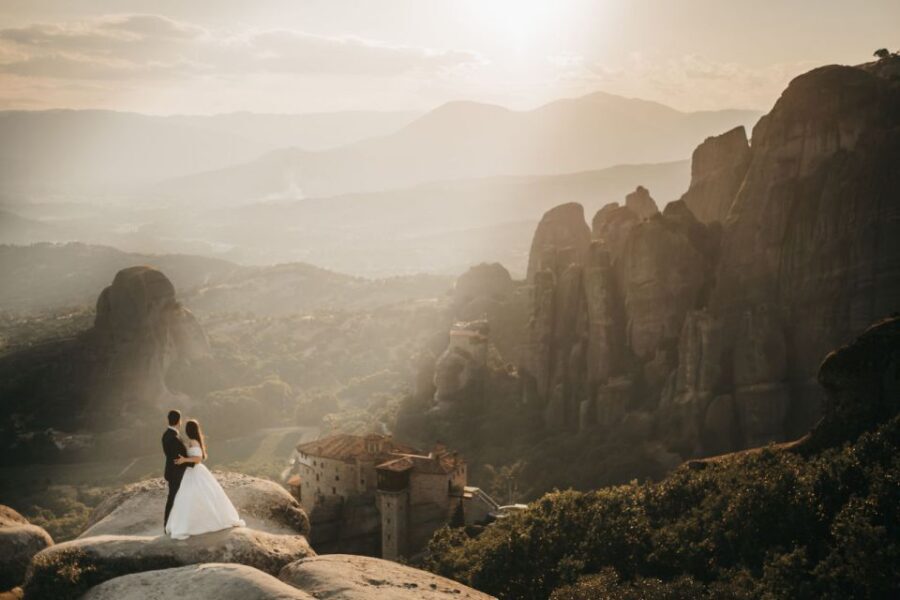
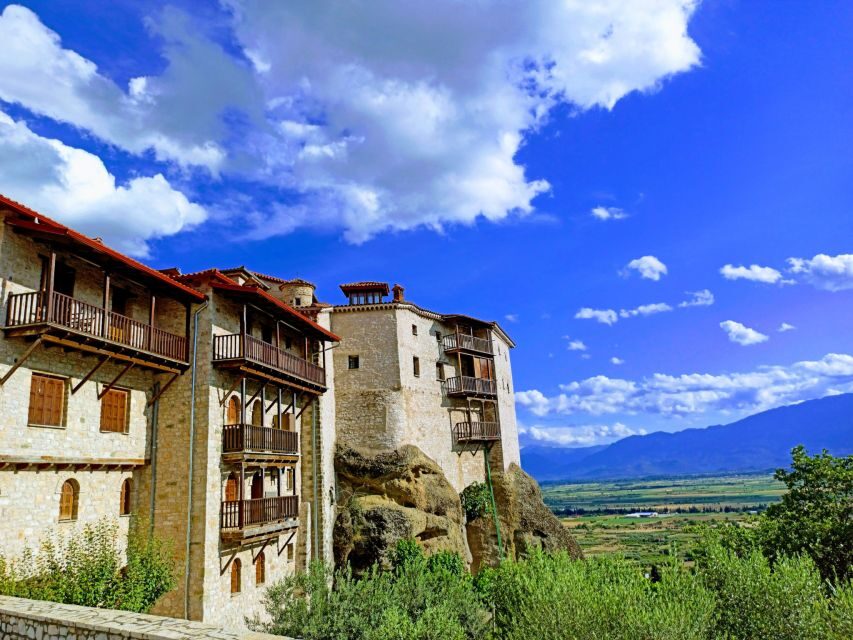
The core of the tour is visiting three monasteries with multiple photo moments along the drive. That mix matters. From the road, you get the wide views that make Meteora famous. At the monasteries, you get to see how the buildings sit, how light hits stone, and what the sites feel like up close.
Guides on this tour are praised for pointing out practical photo spots and helping you plan for where to stand. That’s not a small detail. At Meteora, angles and step placement can make the difference between a generic shot and a frame that actually looks like the place from postcards.
You’ll also get guidance about what to expect inside monasteries (and in what sequence to visit). Some stops come with stairs and paths, so guides may steer you toward routes with fewer steps if someone needs it—as one guide-led experience described changing plans when mobility became an issue.
Entrance fees aren’t included, and the tour guide inside monasteries isn’t included as part of the package. So think of the guide as supporting your overall experience—setting context and helping with strategy—while you handle the inside visit timing once you arrive.
The Virgin Mary Byzantine church built before the first monks
One standout stop is an ancient Byzantine church dedicated to the Virgin Mary. The tour info notes it was built about 300 years before the first monks arrived in Meteora.
That fact adds perspective fast. You’re not only looking at later monastic expansion. You’re seeing a earlier layer of religious tradition that predates the rock-top monastic world you came for.
It’s also a helpful reminder that Meteora’s story is not a single timeline. It’s stacked. Church sites like this help you understand why monastic activity felt like a continuation, not a random new invention.
Comfort, group size energy, and how guides keep the day calm
This tour lives or dies on timing. Meteora can make groups feel rushed because the views tempt you to stop constantly. The good news: this itinerary is designed to feel paced rather than frantic.
From the guide performance described in English-led groups, people like Joanna and Christina are called out for being warm, diplomatic, and detailed—especially about comfort decisions like choosing the better path, warning about stairs, and suggesting the best photo points. A driver’s job is also bigger than it sounds here. Safe, confident driving on curvy roads makes you relax, which makes the photos and stops better.
There’s also an upside if your group ends up small. Some experiences described it as feeling more private, and that often translates to more flexible movement—more chance to ask questions and less pressure to keep up with a big crowd.
Price and value: what $34 covers (and what doesn’t)
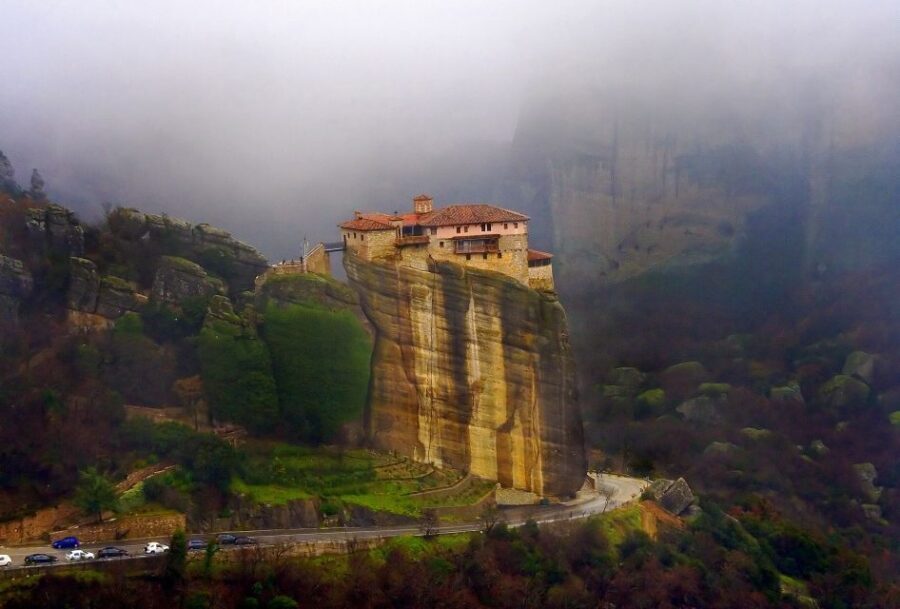
At $34 per person for a 4-hour guided minibus tour, the value is mostly in three things: transportation, interpretive guidance, and concentrated access to multiple sites in a single afternoon.
Entrance fees to monasteries are not included, and you’ll pay those separately once you choose which monasteries to enter. But you’re still getting the structure that makes those entries efficient: the guide sets context before you pay in, and the route groups together the stops that fit this region best.
If you’re short on time in Kalampaka, this price point is often easier to justify because you’re buying time savings. You avoid the cost of multiple taxis and the mental energy of building a route across viewpoints and stairs.
If you love photography, the built-in photo stopping helps you use that $34 for more than just driving—you get help finding good angles and time to step out.
What to bring so you’re comfortable at the monastery stops
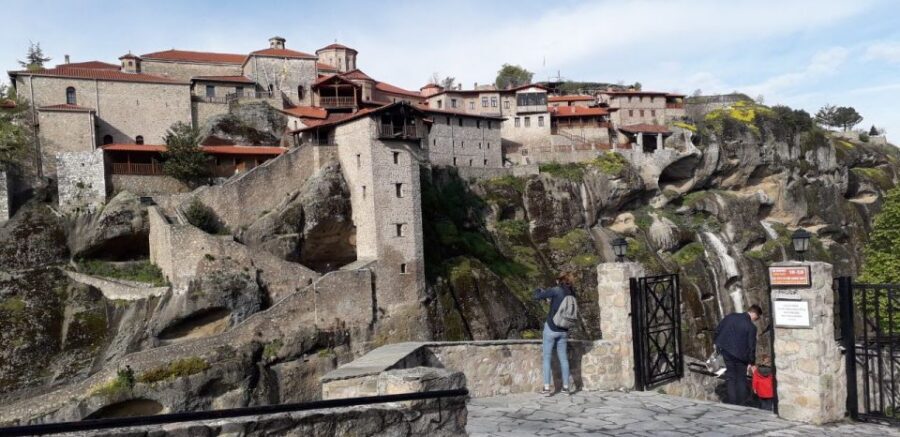
Bring what keeps you moving comfortably. The tour suggests comfortable shoes and comfortable clothes, which is smart because you may deal with stairs and uneven surfaces at monastery sites and churches.
Pack a camera (or phone with enough storage). The whole program is designed around view points and photo stops, so you’ll want to be ready when the bus pulls into the right angle.
Also bring food. This is a half-day trip, and while you’ll be moving, you might still want something on hand rather than hunting for a snack mid-tour.
Who should book this Meteora minibus tour
Book it if you want a structured way to see Meteora’s main spiritual stops in a single afternoon, especially if you’re basing yourself in Kalampaka. It’s a strong fit for:
- first-timers who want three monasteries plus the key context stops like Saint Antonios
- people who want clear explanations in English, not just scenery
- photographers who benefit from guidance on where to stop and how to frame shots
- visitors who prefer air-conditioned transport rather than cobbling together rides and timings
Be cautious if you have significant mobility limits, because the itinerary includes walks, paths, and steps at monastery and church sites. Also double-check the accessibility mismatch in the details: it’s listed as wheelchair accessible, but marked as not suitable for wheelchair users. If you need clarity, ask the operator directly before you commit.
Should you book this Kalampaka Meteora minibus tour?
Yes, I’d book it if your priority is a high-impact Meteora overview without spending your whole day figuring out logistics. The combination of Saint Antonios context, the St George cave stop, a Virgin Mary Byzantine church, and three monasteries in about 4 hours is a practical way to see why Meteora became a destination for solitude and worship.
If you’re budget-conscious, the $34 price makes sense because you’re mainly paying for transportation plus an English guide to stitch the sites together. Just remember entrance fees to monasteries aren’t included, so expect to add that cost when you arrive.
Finally, choose this tour for the calm, not-rushed feel and the practical guidance—especially around photo timing and stair choices. Meteora is stunning. This tour helps you experience it with less stress and better results.
FAQ
Where do I meet the guide for the Meteora minibus tour?
Meet your guide outside the entrance to the Kalampaka Train Station. The tour starts after the train from Athens arrives.
How long is the tour?
The tour duration is 4 hours.
What time does the tour run?
Due to temporary changes to Hellenic Trains, the tour starts at 13:10 and finishes at 16:30.
What’s included in the price?
The tour includes an English-speaking guide and transportation by minibus.
Are monastery entrance fees included?
No. Entrance fees to the monasteries are not included.
Do I get a guide inside the monasteries?
Tour guide services inside the monasteries are not included.
What sites does the tour include besides monasteries?
You’ll stop at Saint Antonios, visit the cave of St. George the Mandilas, and see a Byzantine church dedicated to the Virgin Mary.
How many monasteries do I visit?
The tour includes visits and photo stops at three Meteora monasteries.
Is the tour wheelchair accessible?
The activity details list wheelchair accessible, but it also says it is not suitable for wheelchair users. If you have mobility needs, confirm with the operator before booking.
What should I bring for the tour?
Bring comfortable shoes, a camera, food, and comfortable clothes.