REVIEW · KALABAKA
Meteora: Hiking Tour with Local Guide and Monastery Visit
Book on GetYourGuide →Operated by Meteora Trip · Bookable on GetYourGuide
Meteora feels best when you walk. This small-group hike takes you to Ypapanti, the monastery you can only see from the hiking paths, plus sweeping viewpoints of the UNESCO rock towers.
I especially like the way the guide ties the scenery to 15 centuries of monk footsteps and local myths, so it feels more than photo stops.
One thing to consider: it’s a moderate outdoor hike (7 km / 200 m), so you’ll want solid shoes and a steady pace.
You’ll also get real variety: short walks between monasteries, a stop at St. Nicholas Anapavsa, and time at Great Meteoron or Varlaam depending on the day. And yes, you’ll see caves tied to hermit life and ruins along the route.
The only catch is practical—monastery entry fees (€5) are extra, and the tour doesn’t include a guided walkthrough inside the monasteries (you’ll rely on your guide’s explanation outside and your own time inside).
In This Review
- Key points at a glance
- Why this Meteora hike feels different from the usual stops
- The hike plan and what each stop is really for
- 1) Starting with St. Nicholas Anapavsa (about 15 minutes)
- 2) Meteora hiking, first stretch (about 45 minutes)
- 3) The highlight: Ypapanti old monastery (about 30 minutes)
- 4) Another Meteora hiking stretch (about 30 minutes)
- 5) Great Meteoron monastery visit (about 1 hour)
- 6) Varlaam monastery sightseeing (about 15 minutes)
- 7) Final Meteora hiking stretch (about 45 minutes) and finish
- The value math: $35 plus €5 entry makes sense if you want the full experience
- Guides make the difference: what the best ones focus on
- Photo stops and “less touristy” moments that matter
- Who this tour suits best (and who should skip it)
- Practical tips so you feel comfortable on the day
- Should you book this Meteora hiking tour?
- FAQ
- FAQ
- How long is the Meteora hiking tour?
- Where does pickup happen?
- How far and how hard is the hike?
- Is the tour guided in English?
- Which monasteries will I see?
- Is the monastery entrance fee included?
- Do I need cash?
- Is there a guided tour inside the monasteries?
- Is the tour suitable for children?
- What’s included in the price?
Key points at a glance

- Ypapanti from the trails: the “hidden” monastery route is built for hikers, not tour buses
- Local stories, not just views: history and myths explained by an English-speaking mountain guide
- Caves and hermit history on the way: you’ll pass places tied to early religious life
- Great Meteoron or Varlaam time included: you still get the classic monasteries in one trip
- Hotel pickup and small-group pacing: easier logistics and a more personal feel than big group tours
Why this Meteora hike feels different from the usual stops
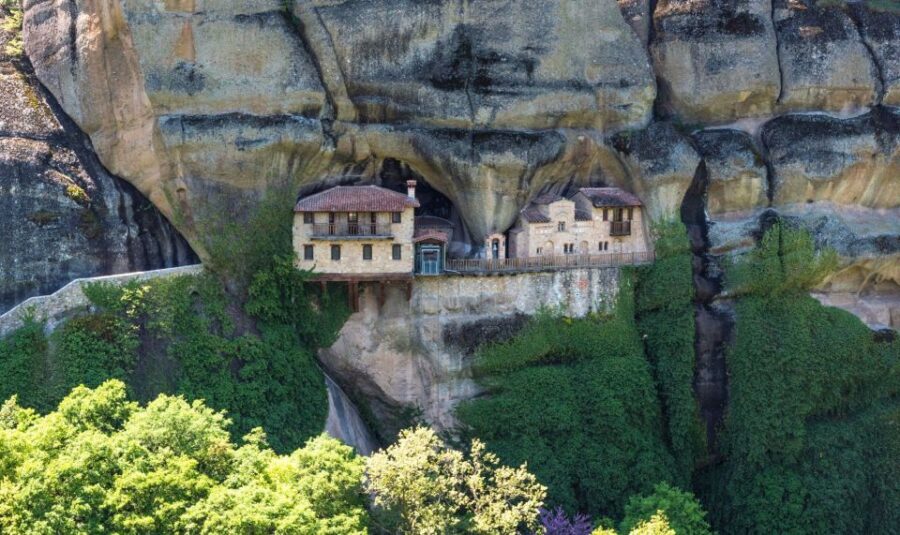
Meteora can turn into a checklist: park, point, snap, move on. This tour is built to slow you down and let the rocks and paths do the talking. You’re hiking through the same kind of terrain that early monks used—plus you’re getting the context from a local guide, so the place makes more sense fast.
What I like most is that the route isn’t just “walk to monastery A, then to monastery B.” You get a blend of geology, religious history, and those in-between moments where you stop, look back at the towers, and understand why monasteries were placed here in the first place.
You can also read our reviews of more guided tours in Kalabaka
The hike plan and what each stop is really for
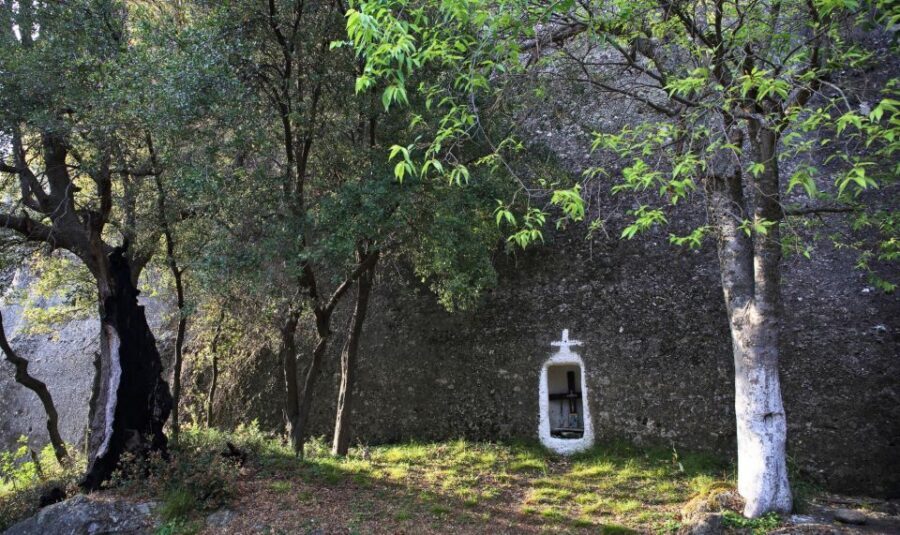
This is a 4-hour experience with hotel pickup and drop-off from Kalabaka or Kastraki (and an option that also lists Trikala as a pickup/drop-off alternative). Expect about 7 km of hiking and roughly 200 meters of elevation gain. It’s labeled moderate, with minimum age 6, and it’s not recommended for people with mobility impairments or certain health limits.
1) Starting with St. Nicholas Anapavsa (about 15 minutes)
You begin with a short sightseeing stop at Monastery of St. Nicholas Anapavsa. This brief segment works like a warm-up. It helps you understand what you’re looking at before you commit to the longer hike stretches.
Practical note: it’s only 15 minutes, so don’t expect a long, slow exploration here. Treat it as context—think orientation, not a full monastery visit.
2) Meteora hiking, first stretch (about 45 minutes)
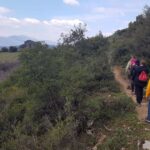
Then the tour really becomes a hike. You’ll walk part of the Meteora route from the foothills, following paths designed for hikers and aiming to recreate the feel of early monastic travel.
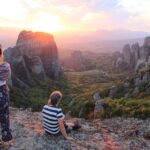
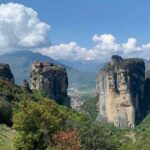
You’ll likely spot the mix of natural scenery and religious sites that makes Meteora unique: rock formations, caves, and terrain that gives you frequent sightlines. This is also when you’ll want your camera accessible, because the viewpoints tend to pop up as you gain height.
3) The highlight: Ypapanti old monastery (about 30 minutes)
This is the reason many people book: the hidden monastery of Ypapanti. The key detail is that it’s only visible to hikers, not from the usual bus-and-platform approach. That means you’re seeing Meteora from a more “inside the landscape” perspective—on foot, not from a roadside viewpoint.
The stop is long enough to take photos and absorb the setting, but it’s still part of a bigger hiking day—so you won’t lose the pacing. If you care about Meteora beyond the most famous names, this is where the tour starts feeling special.
You can also read our reviews of more hiking tours in Kalabaka
4) Another Meteora hiking stretch (about 30 minutes)
After Ypapanti, you head back out on trails again. This middle section matters because it gives you time to notice details you might miss during a quick monastery circuit: changes in the rock, places where early inhabitants could hide, and those small turns that lead to unexpected sightlines.
This is also where good shoes earn their keep. You’re on outdoor terrain, and the tour is built around walking—not just short transfers.
5) Great Meteoron monastery visit (about 1 hour)
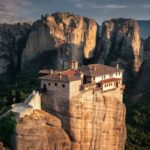
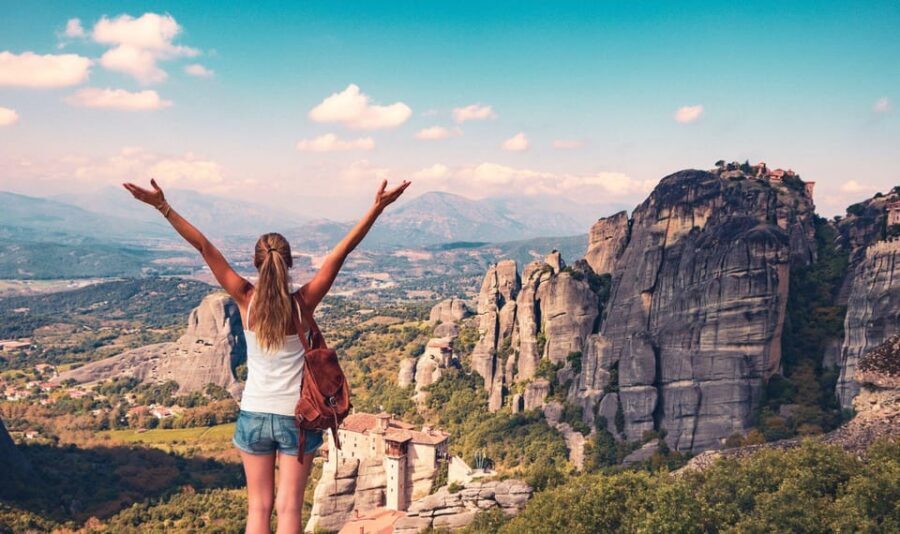
Depending on the day, you’ll visit either Great Meteoron or Varlaam. In the Great Meteoron version, you get about one hour there—enough time to see the main monastery area and capture some classic Meteora photos.
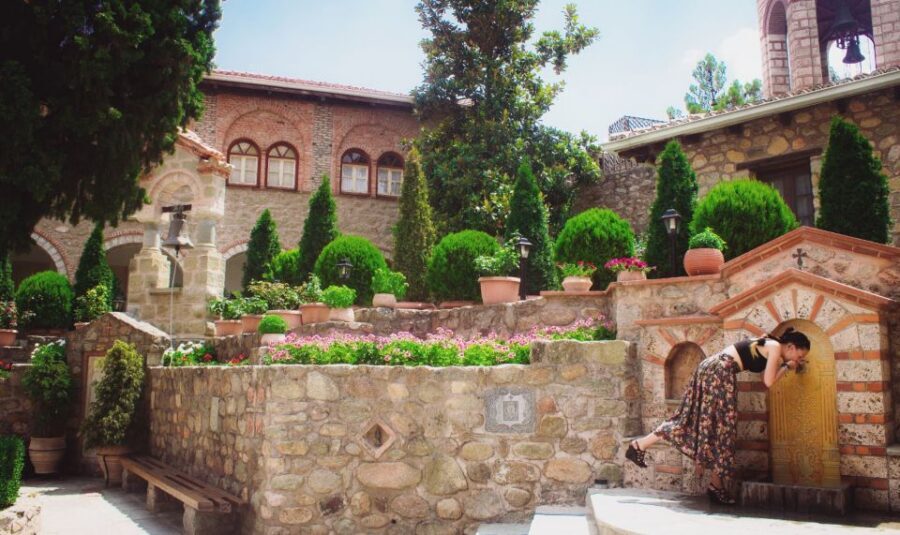
Here’s the practical caveat: monastery entrance fees (€5 per person) are not included, and a guided tour inside the monastery is not included. In plain terms, your guide will give you the story, but once inside you’ll mostly explore on your own within the time you have.
6) Varlaam monastery sightseeing (about 15 minutes)
If your day includes Great Meteoron, you’ll also get Varlaam as a shorter sightseeing stop. That 15-minute window is best for quick orientation and photos—rather than a deep, slow visit.
The upside: you still leave knowing both names, not just one. The tradeoff: it won’t feel like a full second monastery visit.
7) Final Meteora hiking stretch (about 45 minutes) and finish
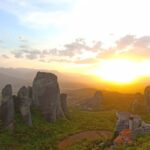
You finish with another hike segment, returning toward your drop-off points (Kalabaka, Kastraki, or Trikala, based on your pickup choice). This ending section is often when you catch the bigger panoramic views again—those sweeping frames where you understand the scale of Meteora.
It’s also a good moment to review your photos and mentally label what you saw. By now, the rocks have context.
The value math: $35 plus €5 entry makes sense if you want the full experience
At $35 per person for a 4-hour guided hike with pickup/drop-off and a bottle of water, the tour can feel like a bargain—especially because it includes more than a simple monastery visit. You’re paying for:
- a local mountain guide (English)
- a small-group format
- transport from your accommodation in the area
- multiple walking segments and a hike-based monastery stop
Then you add the monastery entrance fee (€5 per person). That extra cost is normal for Greece, but do plan for it. The tour also lists cash as something to bring, so don’t assume you can swipe a card at every point.
So if your goal is to experience Meteora as a hike (not just a view stop), this price often feels right. If you only want one quick monastery and zero walking, then this may be more effort than you want.
Guides make the difference: what the best ones focus on
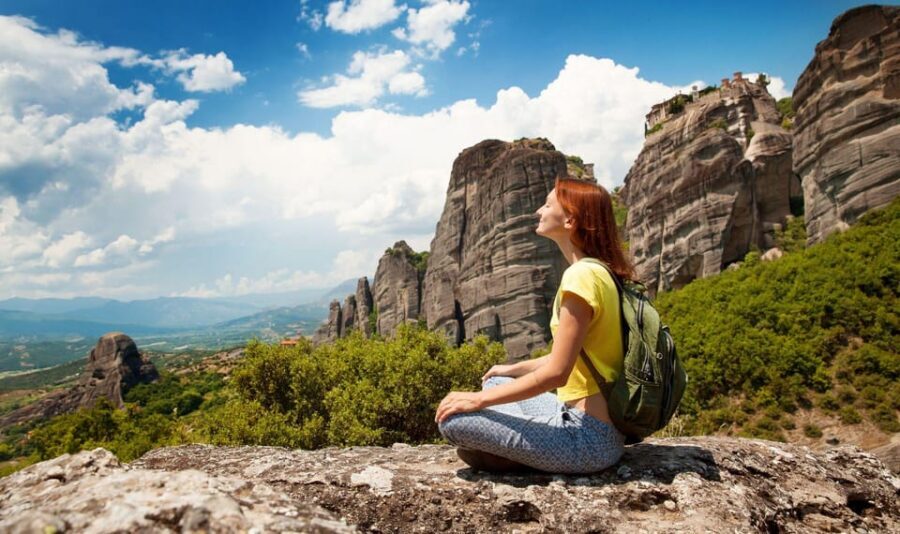
The strongest part of this experience is the storytelling. Guides on this route are known for sharing how the area connects to early monks, legends, and the logic behind where hermits and monasteries took hold.
In particular, I’ve seen names like Kosta, George, and Nikolas come up as guides who explain Meteora clearly and keep it friendly. The practical benefit for you: you’ll spend less time guessing what you’re looking at and more time enjoying the route.
One more tip based on how this works: since the tour doesn’t include a guided walkthrough inside the monasteries, listen closely during the outside explanations. That’s where the guide can add the most value.
Photo stops and “less touristy” moments that matter
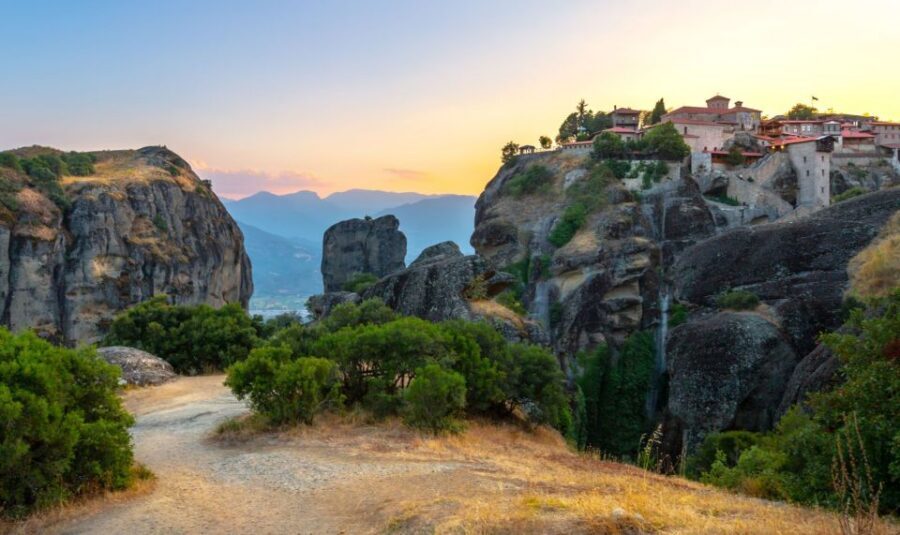
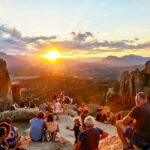
Yes, you’ll take photos. But the real advantage is where you’re standing while you take them. The Ypapanti route is the big example: it’s hiking-based, so you’re not limited to the most crowded angles.
You also get multiple chances to frame Meteora’s rock formations and monastery placements during the walking segments. The tour’s built-in timing helps: you’re not rushing right after a transfer. Instead, you walk, stop, look, and move.
Bring your camera mindset: shoot wide to capture scale early, then zoom for details once you’re settled at viewpoints.
Who this tour suits best (and who should skip it)
This is a great fit if you:
- enjoy moderate walking for about 7 km
- want both nature + monasteries in one outing
- like learning from a local instead of doing a quick monument circuit
- want the Ypapanti angle without needing to figure out the hiking paths alone
It’s much less suitable if you:
- are under 6
- are pregnant
- have mobility impairments, wheelchair needs, or heart/respiratory issues
- have low fitness or recent surgeries
- are over 80 or have pre-existing medical conditions that limit walking
- need accommodations not covered by the tour’s hiking format
If you’re unsure, honesty helps: this isn’t a short stroll. It’s a hike with monastery time.
Practical tips so you feel comfortable on the day
A few simple moves can make a difference:
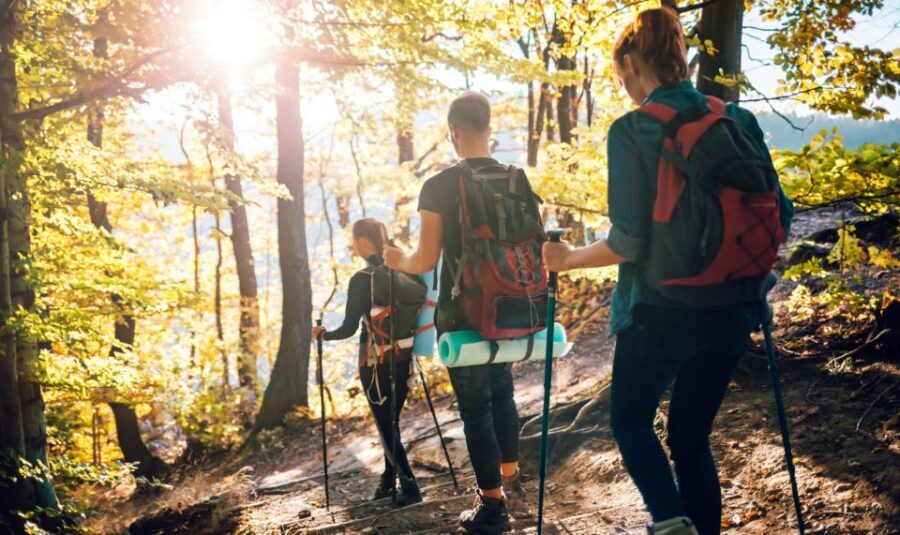
- Wear comfortable, sports-style shoes with good grip.
- Bring cash for the €5 monastery entrance fee.
- Expect a guided experience in English with pickup and drop-off from your area.
- Keep a light pack. Your water is included, so you don’t need to carry the essentials for a long trek.
Also, keep your pace steady. The route is timed, and the best photos happen when you stop without pushing yourself into a sprint.
Should you book this Meteora hiking tour?
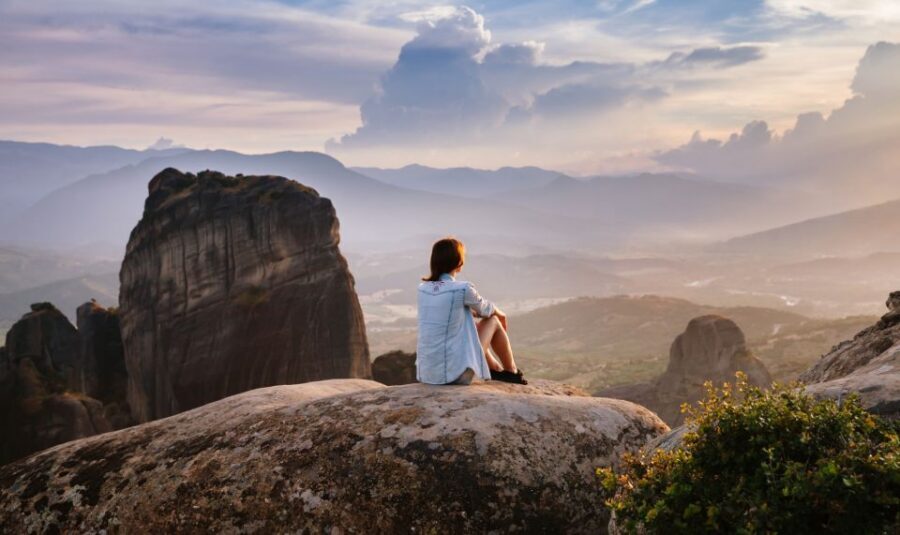
Book it if you want Meteora with legs, not just a camera. You’ll get the UNESCO setting on foot, learn the area’s myths and monk history through a local guide, and you’ll reach Ypapanti, which is hard to replicate unless you’re walking the trails.
Skip it if you’re hoping for a mostly seated, short, low-effort monastery day. This tour is built for outdoor hiking and includes time at monasteries, but it’s not a slow “wander at your own pace” option.
If your main goal is seeing Meteora from the inside—walking routes, caves tied to hermits, and the best panoramic viewpoints—this one is a strong choice for your time in Kalabaka or Kastraki.
FAQ

FAQ
How long is the Meteora hiking tour?
It lasts about 4 hours.
Where does pickup happen?
Pickup is available from Kalabaka or Kastraki, with options also listed around Trikala.
How far and how hard is the hike?
The hike is about 7 km with around 200 meters of elevation gain. Difficulty is listed as moderate.
Is the tour guided in English?
Yes, the live guide speaks English.
Which monasteries will I see?
You’ll visit St. Nicholas Anapavsa, then the Ypapanti old monastery on the hike, and either Great Meteoron or Varlaam depending on the day.
Is the monastery entrance fee included?
No. Monastery entrance fees are €5 per person.
Do I need cash?
Yes. Cash is listed as something to bring for this activity.
Is there a guided tour inside the monasteries?
A guided tour inside the monastery is not included.
Is the tour suitable for children?
The minimum age is 6 years. It is not suitable for children under 6.
What’s included in the price?
Pickup and drop-off from your accommodation in Kalabaka or Kastraki, a local experienced mountain guide, small group hiking tour, and a bottle of water.