REVIEW · KALABAKA
Kalabaka: Meteora Private Day Tour with a Local Guide
Book on GetYourGuide →Operated by Meteora Thrones - Travel Center · Bookable on GetYourGuide
Meteora feels unreal up close. This private tour pairs easy pickup/transport with a local guide who explains the geology and monastic story as you hop between cliff-top viewpoints. The main catch is simple: you’ll walk and climb stairs, and entrance fees are extra.
I like that you don’t spend the morning figuring out parking or timing. You also get chances for photos from multiple angles, plus time to enter 2–3 of the most famous monasteries. The one consideration to plan for is the strict dress code (no shorts or sleeveless tops, and women need knee-or-longer coverage).
In This Review
- Key highlights at a glance
- Meteora in a Hurry: Why Private Time Beats Trying to Rush
- Hotel Pickup to Cliff-Top Views: The Morning Pace That Works
- Six Monasteries, One Rock Lab: What You Learn on the Way
- Inside the Holy Monasteries: How Visits Work and What to Budget
- Walks, Stairs, and Clothing Rules You’ll Be Glad You Follow
- Guides Who Translate Stones Into Stories (Maria and Anthonis)
- Panoramas Without the Lost-in-Transit Feeling
- Price and Logistics: Is $271 Worth It for Two?
- Who This Tour Fits Best (and Who Should Think Twice)
- Should You Book This Private Meteora Day Tour?
- FAQ
- What time does the tour pickup happen?
- Where are pickup and drop-off locations available?
- How long is the Meteora private day tour?
- Is this tour private or shared?
- Are monastery entrance fees included in the price?
- How many monasteries can I visit inside?
- What clothing rules should I follow?
- Is food included?
- What languages are offered for the live guide?
Key highlights at a glance
- Hotel pickup in Kalabaka or Kastraki to start the day without stress
- All 6 monasteries on the route, with interior visits to 2–3 of the most popular
- Local guiding on the rocks’ origin, including how these pillars formed
- Multiple viewpoint stops for panoramic photos and short walking breaks
- Time saved and comfort gained via private car or minibus (no parking headaches)
- Smart visitor support: water, Wi‑Fi, and a Meteora panoramic map included
Meteora in a Hurry: Why Private Time Beats Trying to Rush
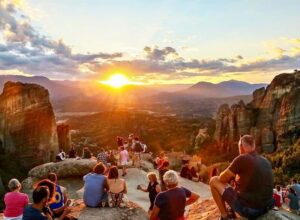
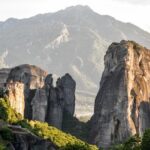
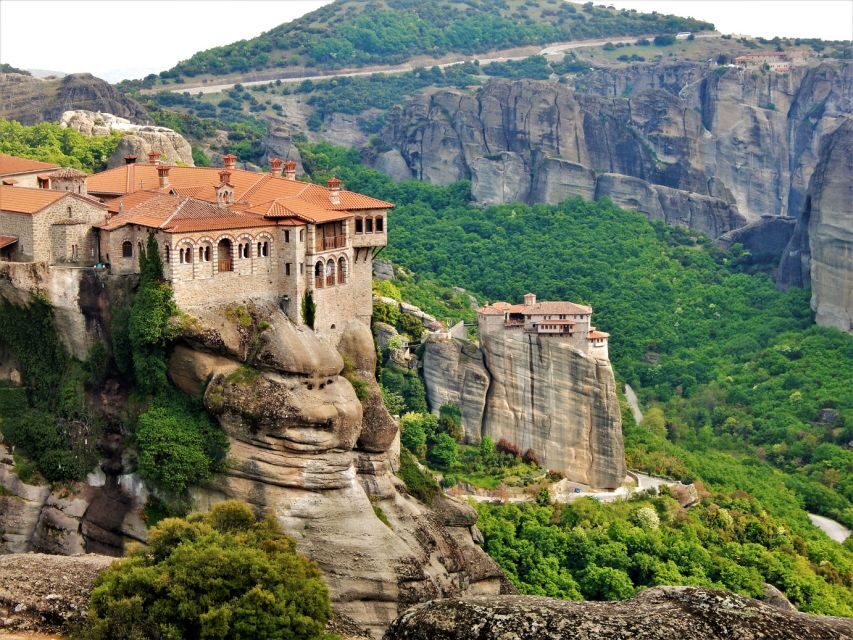
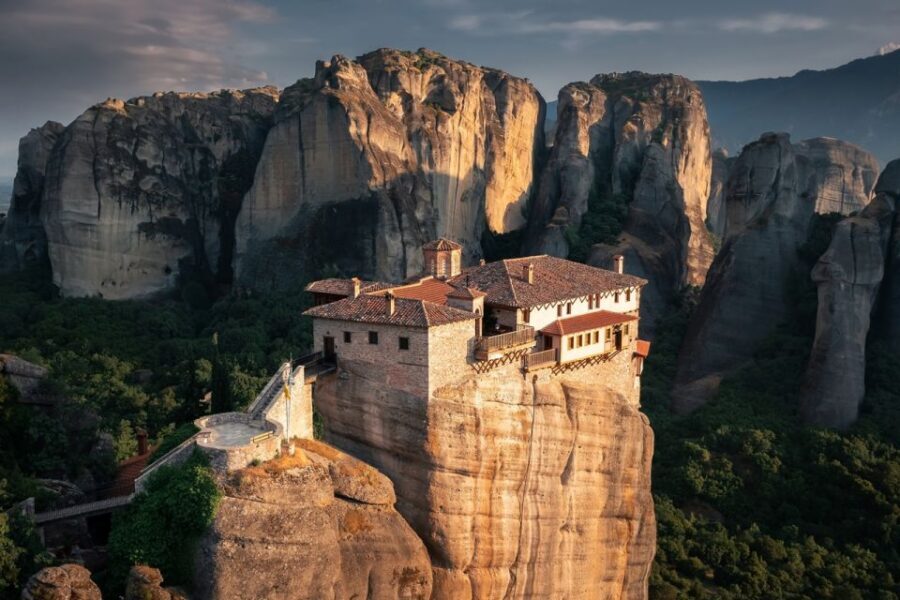
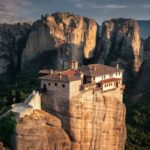
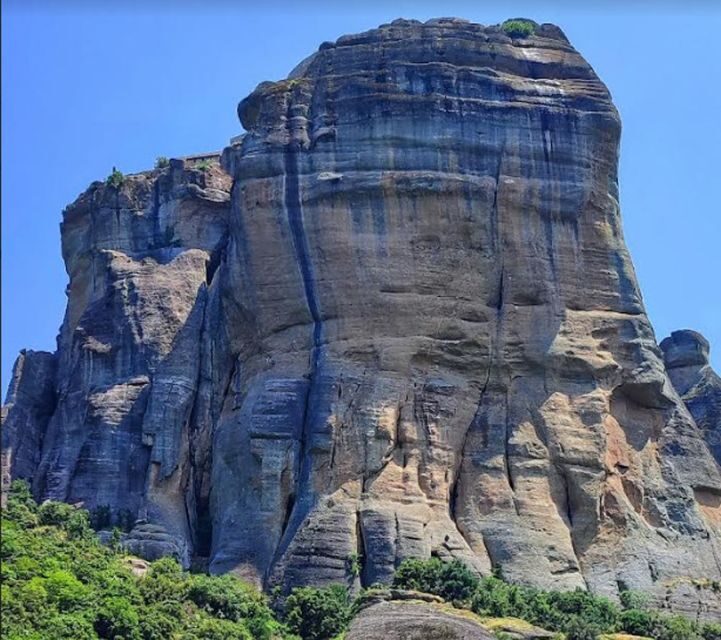
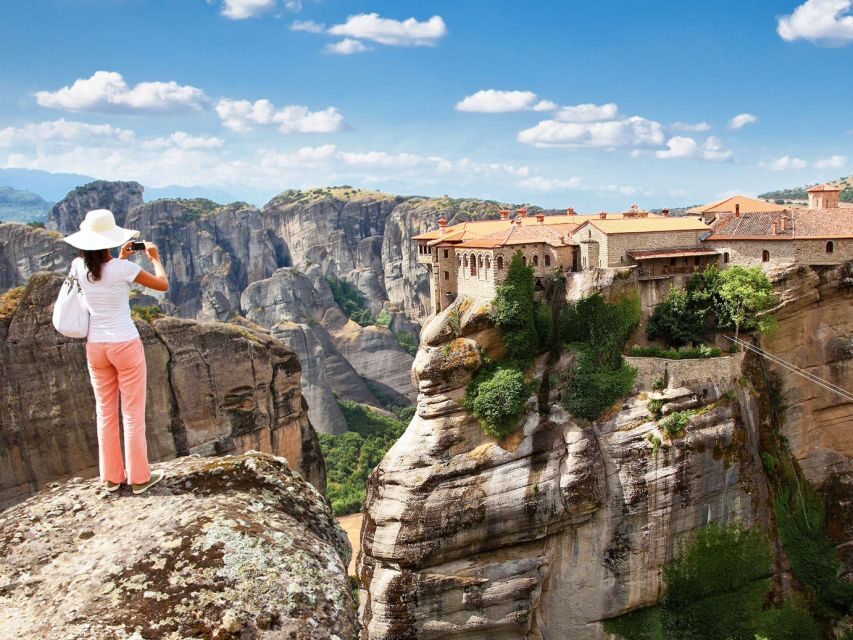
Meteora is one of those places where the scale hits you in waves. From the ground, the monasteries look like dramatic dots on stone towers. From the viewing points, you understand how monks could build a whole world up there—long before highways, rail, or even basic road access.
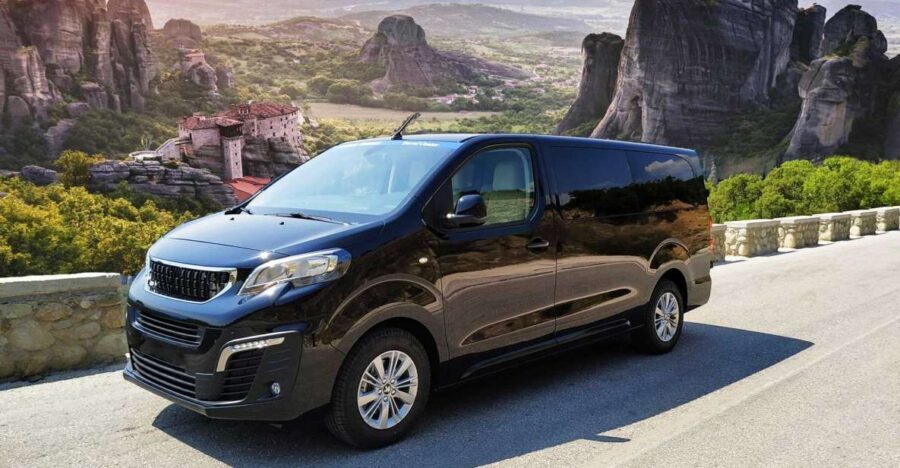
That’s where this private tour format helps. With a dedicated driver and guide, you’re not trying to coordinate tickets, buses, and walking routes on the fly. You’re also not stuck with the stress of where to park or how to get between areas quickly. For many people, that alone is the difference between a fun day and a slightly frantic one.
The tour runs about 5 hours, which is tight enough to feel efficient but long enough for real stops. You’ll spend the bulk of the time inside the Meteora area, moving between points, pausing for photos, and visiting monasteries rather than only looking from the road.
You can also read our reviews of more guided tours in Kalabaka
Hotel Pickup to Cliff-Top Views: The Morning Pace That Works
Your day starts with pickup at 9:00 AM from your hotel lobby in either Kalabaka or Kastraki. If you’re staying elsewhere, pickup and drop-off options also include Trikala and Kastraki—so you can align the tour with where you already sleep.
The early start matters because Meteora can feel crowded at the wrong times. Even without promising emptiness, a good morning rhythm gives you a better chance to wander at a comfortable pace. You’ll travel toward the cliff-top monasteries in a private minibus or car, which is a big deal here because the sites sit across multiple viewpoints.
Once you’re in the Meteora zone, expect photo stops and short walks. The goal isn’t one big hike; it’s a sequence of perspectives. I like this style because it helps you connect what you’re seeing—giant pillars, rounded boulders, monastery silhouettes—with what your guide is explaining as you go.
Just be honest with yourself about walking. Some routes involve steps and uneven surfaces, so good footwear is a must. This tour is doable for many people, but it’s not a stroll.
Six Monasteries, One Rock Lab: What You Learn on the Way
Meteora is a UNESCO World Heritage site, and the impressive part isn’t only the monasteries. It’s the setting: giant natural pillars and rock formations that dominate the horizon. This tour gives you the “why” behind it, not just the “what.”
Your guide will talk through how the rocks formed and how early monks chose these heights. The story is especially compelling because the monasteries aren’t museum pieces. The area is still home to monks in residence, and that gives the whole experience a different tone than a typical sight-hopping day.
You’ll see the monastery complex broadly—this tour includes seeing all 6 monasteries from the route and viewpoints. That matters because Meteora’s magic is partly about comparison. A monastery might look similar from far away, but up close you understand the architecture choices, the cliff positions, and how each site relates to the rock.
And because you get stops at the best viewpoints, you’re not limited to one angle. Expect the day to feel like building a mental model: rock → access routes → monastery locations → daily monastic life on the heights.
Inside the Holy Monasteries: How Visits Work and What to Budget
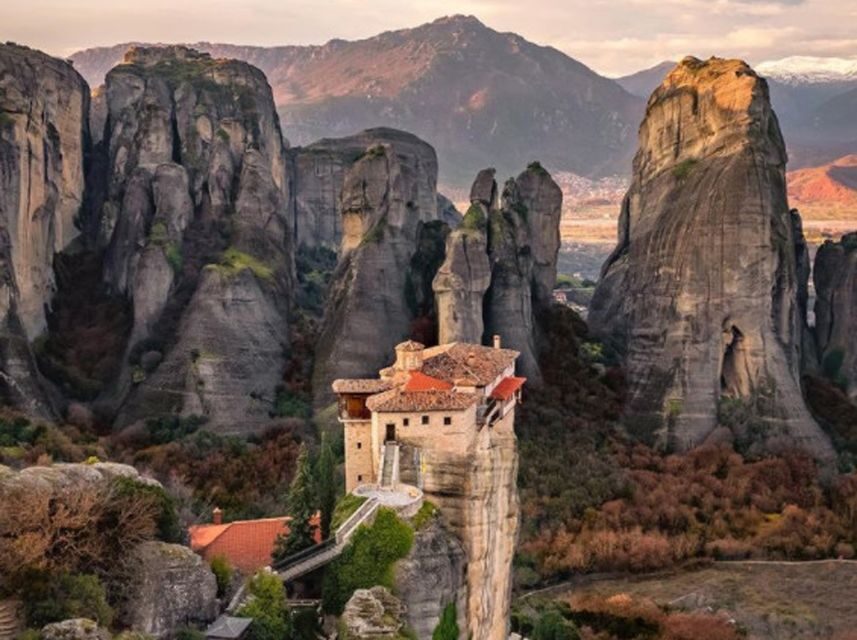
Here’s the structure that helps you plan: the tour lets you visit inside 2–3 monasteries of your choice. The experience also focuses on some of the most popular monasteries inside, so you don’t miss the key interior sights even if your preferences lean toward a couple highlights.
One detail that affects your budget: entrance fees are not included. The cost is 5 euro per person at each monastery, so the total depends on how many interiors you go into that day.
Also note how the guiding is handled. Your guide stays with you the whole time, but inside the Holy Monasteries, there’s a separation of roles. The tour guide won’t be the licensed guide inside the monastery areas. In practice, this is normal for sacred sites—you still get explanations, but the interior narration may be handled on-site.
The upside is time and flow. You’re not wandering between multiple interior locations with no context. Instead, you’re guided through the why and the how, then guided again by the monastery’s own process.
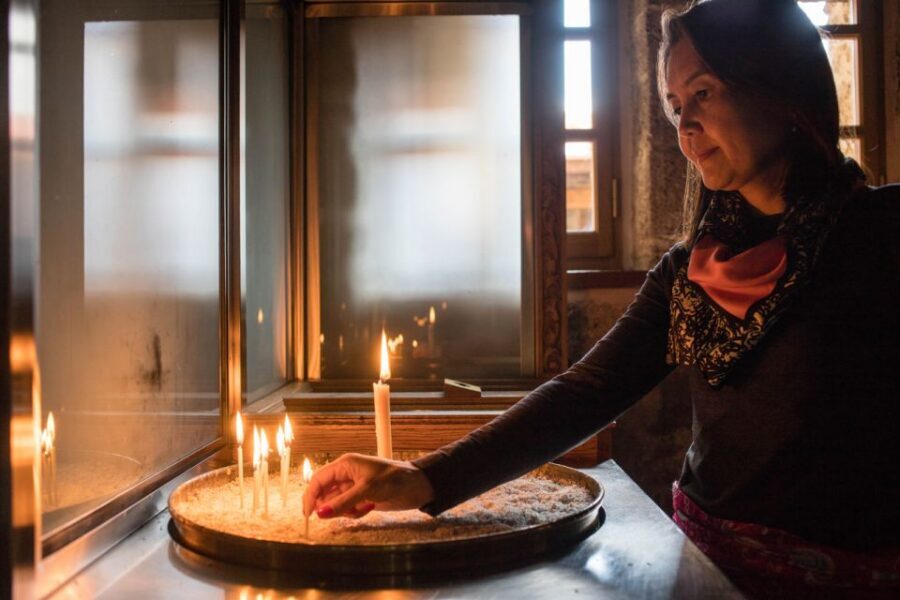
Dress rules also matter here because interior access is tied to clothing. Plan to follow them strictly, or you may lose the chance to go inside the monasteries you came for.
Walks, Stairs, and Clothing Rules You’ll Be Glad You Follow
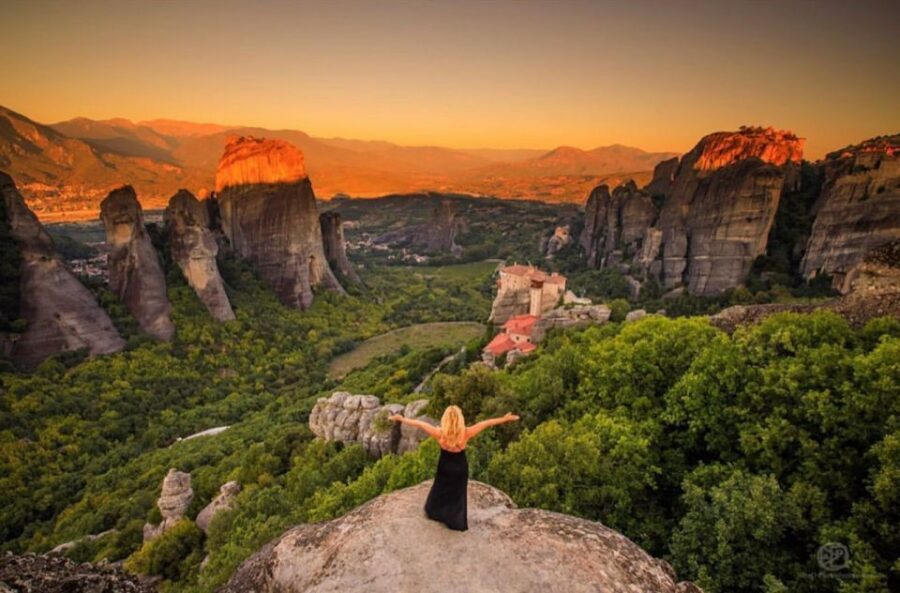
This is where most first-timers get caught. Meteora monasteries require appropriate clothing, and the rules are specific.
You cannot wear shorts or sleeveless shirts. For women, skirts must be knee-length or longer, and pants aren’t allowed for women. For men, sleeveless clothing and shorts over the knee are prohibited. The tour also notes you should bring a long-sleeved shirt.
I recommend you treat this as a checklist, not a suggestion. Bring a layer that works for both warm weather and stone churches. If you’re traveling in summer, the easiest solution is usually a light long-sleeved top plus a skirt or wrap that can cover down to the knee.
What about the physical side? This experience works best if you’re comfortable with walking and stairs. The monastery access points often involve steps, and the good news is that the tour is designed with short walks between stops. Still, you should be honest about your stamina.
And one more practical tip: you’ll be outdoors most of the day, moving between cliff viewpoints. Bring water and plan for sun even if the weather is mild.
You can also read our reviews of more private tours in Kalabaka
Guides Who Translate Stones Into Stories (Maria and Anthonis)
A big part of this tour’s reputation comes down to the guide experience—how clearly history is turned into something you can actually picture. People often leave with the feeling that the time didn’t just go into photo stops.
You may meet guides like Maria, who’s praised for excellent explanations and the way she adapts the visit to the group’s needs. Another guide you might see is Anthonis, who is specifically noted for friendly, clear history and even helpful end-of-day direction around a good eating spot and how to get to the train station.
This kind of guide adds real value because Meteora can be easy to treat like a view-only destination. With a good guide, you start connecting details: why these spots were chosen, how the community formed on the rocks, and why certain monasteries became the best-known ones.
Even with great explanations, there’s still a human element. Multiple comments emphasize that the guides make room for visitors to explore and don’t rush you through interior time. That’s exactly what you want at a site like this, where looking slowly is half the point.
Panoramas Without the Lost-in-Transit Feeling
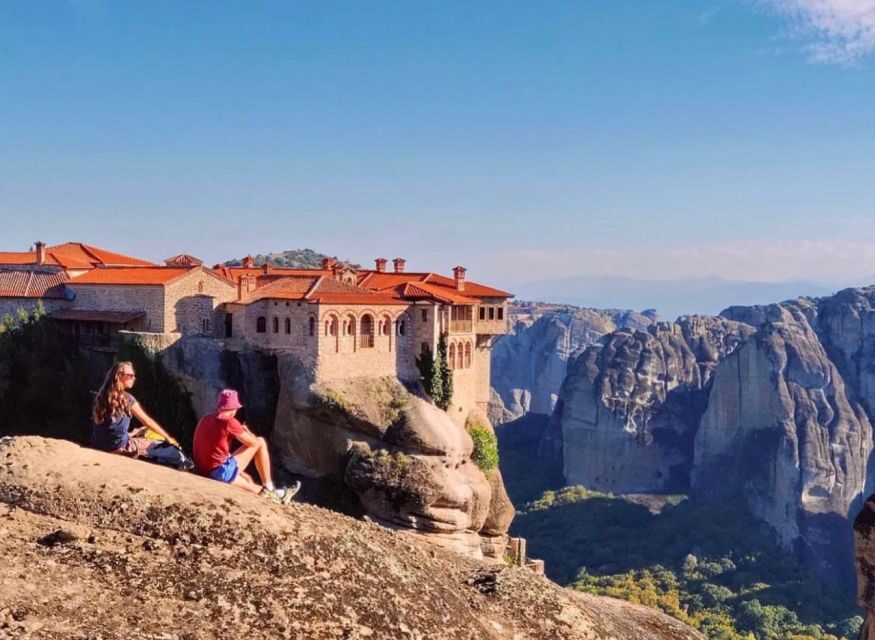
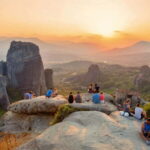
Meteora is famous for views, but not every tour gives you the same photo odds. This one is built around panoramic viewpoints and plenty of stops, plus short walking segments so you can actually frame the towers and monasteries from multiple angles.
What I like most is that the day isn’t only about standing at one famous overlook and calling it a visit. Instead, you get repeated chances to see the monastery positions against the cliffs and to understand the spatial relationship of the sites.
You also receive a panoramic Meteora map. That sounds like a small add-on, but it helps you orient quickly while you’re moving. When you know what you’re looking at, you get more out of each stop and spend less time guessing.
And yes, there’s comfort. The tour includes water and free Wi‑Fi, which can be surprisingly helpful when you’re checking maps, sending photos, or coordinating the rest of your day back in Kalabaka or Kastraki.
Price and Logistics: Is $271 Worth It for Two?
The price is $271 per group up to 2 for about 5 hours. That’s not cheap in the way a bus ticket is cheap. But it’s also not priced like a luxury-only option.
You’re paying for three things that usually cost time and stress on your own:
1) Hotel pickup and private transport so you don’t manage parking or route timing
2) A local guide to explain geology and monastic history while you move
3) Efficient coverage: you see all 6 monasteries and visit interiors for 2–3, rather than spending half the day trying to find the right access paths
Extra costs are straightforward. Entrance fees are 5 euro per person per monastery, and food isn’t included. If you go into 2–3 monasteries, you should plan for entrance fees to land somewhere in the expected range rather than be a surprise.
So who gets the best value? Couples and small parties. Since the group size is capped at 2, you get private attention without paying for a big group.
If you’re traveling solo, it can still make sense if you value convenience and want a guide you can ask questions to. But if you’re cost-driven, you might compare against shared group tours—just know you’ll trade some flexibility and comfort for savings.
Who This Tour Fits Best (and Who Should Think Twice)
This private day works especially well if:
- You’re seeing Meteora for the first time and want guided context, not just viewpoints
- You prefer easy logistics (pickup, transport, and no parking headaches)
- You want time for photos plus actual interior visits to 2–3 monasteries
- You like the idea of learning about the geological formation that created the setting
It might be less ideal if:
- You struggle with walking and stairs. The monastery access involves steps, and you should be prepared.
- You’re not willing to follow strict dress rules. The monasteries require appropriate coverage, and that can take planning if you packed shorts or sleeveless tops.
If you’re traveling with someone who has mobility limits, it’s worth being realistic about the walking segments. This tour is designed for day-trippers who can handle a moderate amount of movement, not for wheelchairs or people who need fully level ground.
Should You Book This Private Meteora Day Tour?
If you want Meteora to feel organized—start to finish—this is a strong choice. I like the way the tour balances big-picture coverage (all 6 monasteries on the route) with real monastery time (interiors of 2–3). Add hotel pickup, private transport, water, and a map, and it’s built for a low-stress day.
Book it if you value having someone explain the geology and monastic story as you go. The guiding style is clearly part of what people rate so highly, including guides like Maria and Anthonis.
Skip it or reconsider if you can’t meet the clothing requirements or you know you’ll struggle with steps. For the rest of us, Meteora is one of those rare days where a well-run plan turns scenery into a story you remember.
FAQ
What time does the tour pickup happen?
Pickup is scheduled for 9:00 AM from your hotel lobby in Kalabaka or Kastraki.
Where are pickup and drop-off locations available?
Pickup options include Kastraki, Trikala, and Kalabaka. Drop-off options include Kalabaka, Kastraki, and Trikala.
How long is the Meteora private day tour?
The duration is 5 hours.
Is this tour private or shared?
It’s a private group tour, priced per group up to 2.
Are monastery entrance fees included in the price?
No. Entrance fees are not included and cost 5 euro per person at each monastery.
How many monasteries can I visit inside?
You’ll have the chance to visit inside 2–3 monasteries, including the most popular ones.
What clothing rules should I follow?
You cannot wear shorts or sleeveless shirts. For women, a skirt at knee-length or longer is required (pants aren’t allowed). For men, sleeveless clothing and shorts over the knee are prohibited.
Is food included?
No. Food and other soft drinks are not included.
What languages are offered for the live guide?
The live guide is available in French, German, Italian, Spanish, and English.