REVIEW · PAROS
Paros: Greek Cooking Class with Full Meal
Book on GetYourGuide →Operated by MTM Experiences · Bookable on GetYourGuide
Cooking in Paros is party-in-a-pan. The step-by-step Greek cooking class is taught by the island’s welcoming team (often led by Maria and her crew), and it ends with you eating what you just made, paired with Parian wine. I especially like how the teaching feels hands-on and organized, even when everyone is cooking at once.
I also love the personal, family-recipe feel behind the food. The hosts explain what’s going into the dishes and why, including where ingredients are grown and how some flavors connect across countries, not just how to assemble them. You might even catch some traditional Greek dance during the night’s good-mood stretch.
One possible drawback: group size can be big. Some classes run with around 24 people, so if you’re hoping for one-on-one coaching every minute, the vibe may feel more social and team-based than quiet and personal.
In This Review
- Key highlights worth centering your day on
- Why a Paros cooking class feels like a Greek dinner party
- The multi-course menu you’ll learn to cook (and why it’s a smart pick)
- How the kitchen workflow keeps you participating (even with a crowd)
- Parian wine, the meal at the end, and the feel-good extras
- Taking recipes home: what you should expect and what to watch for
- Price and value: why $136 can make sense for Paros
- Who this Paros cooking class suits best (and who should consider alternatives)
- Practical planning: timing and pickup so your day runs smooth
- Should you book this Paros Greek cooking class?
- FAQ
- How long is the Paros Greek Cooking Class with Full Meal?
- What is included in the price?
- Is the class taught in English?
- Is there wine with the meal?
- Do I get recipes to take home?
- Does the class offer pickup from my hotel?
- What if I need wheelchair access?
- How early should I arrive for pickup?
- What is the cancellation policy?
- Can I book without paying right away?
Key highlights worth centering your day on
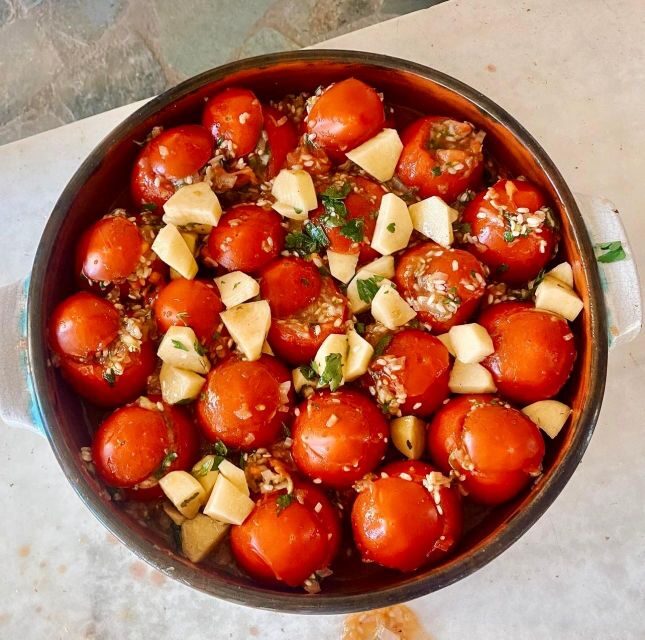
- Multi-course, hands-on cooking where you build the meal step by step, not just watch
- Parian wine with the meal, keeping things relaxed and celebratory
- A staff-to-participant rhythm (with sous-chefs/helpers) so the class stays moving
- Family-recipe storytelling about ingredients and food traditions, not just instructions
- Recipes to take home, so you can recreate the food after Paros
Why a Paros cooking class feels like a Greek dinner party
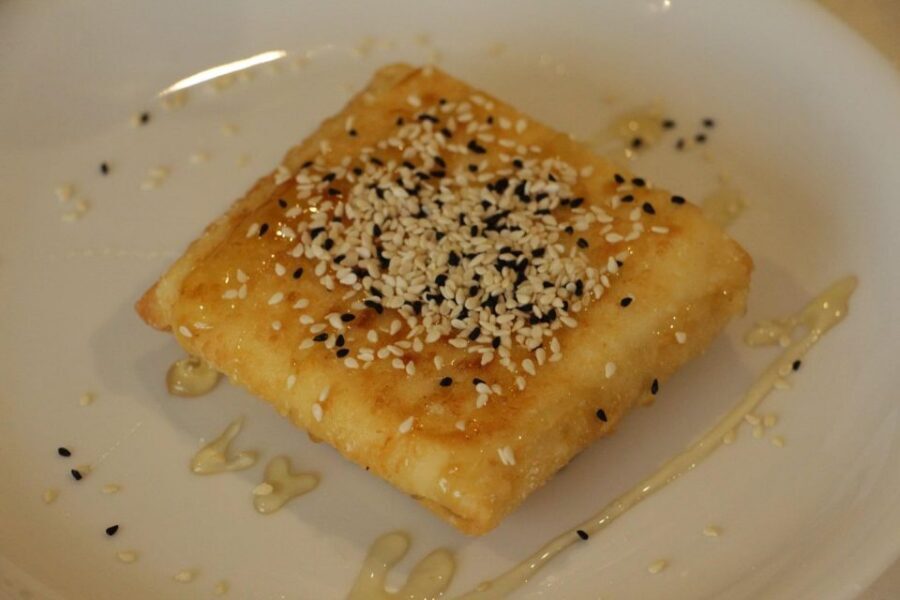
If you’re looking for something beyond sightseeing, this is the kind of experience that turns a day on Paros into a shared memory. You’re in a working kitchen with a friendly crew, and the energy stays upbeat the whole time. Even better, you’re not just eating Greek food here—you’re helping make it.
The feel is very social. Many people describe the hosts as lively, animated, and clearly proud of the food. Names that come up often include Maria (and other team members such as Vivian/Vivienne) and helpers like Abdul, who help keep the room coordinated. That matters because a cooking class can easily become chaos. Here, the setup aims to keep you busy but not overwhelmed.
Expect a mix of people at tables, usually from different backgrounds, and the group format means you’ll learn from the person next to you. It’s also where the experience can go beyond food: one class even includes traditional dancing as part of the fun. If you enjoy meeting new people without needing to be extroverted, this style usually works well.
The big win: you leave with both a meal experience and practical cooking knowledge. That combination is hard to beat in a place like Paros, where your evenings can easily turn into just more tavern dining.
You can also read our reviews of more cooking classes in Paros

The multi-course menu you’ll learn to cook (and why it’s a smart pick)
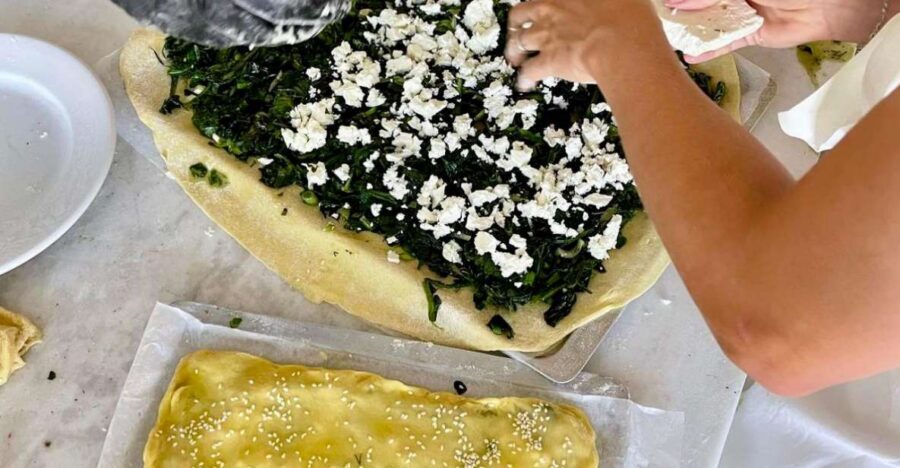
This class is built around making a full Greek meal, typically from appetizers through dessert. The exact dishes can vary, but the common thread is classic Greek cooking done in a way you can actually repeat later at home.
Here are dishes that repeatedly show up in what people make and eat during the class:
- Spanakopita / feta-and-spinach pie (a go-to for learning dough and filling technique)
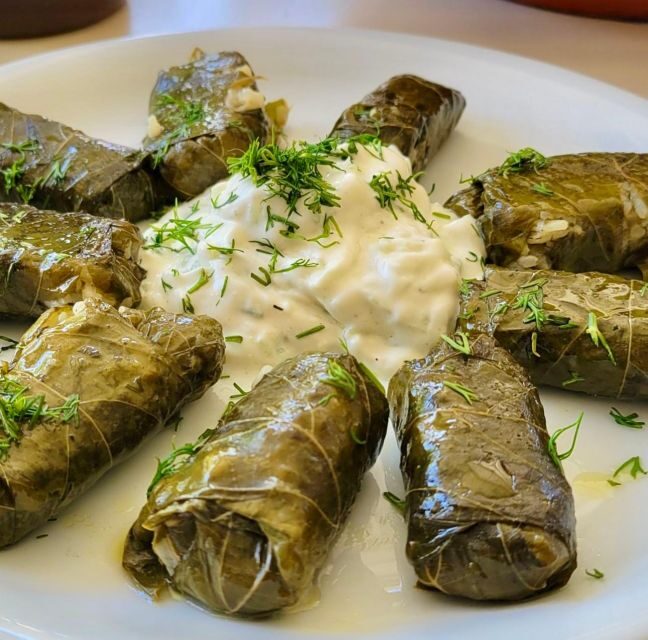
- Dolmades (rolling and stuffing teaches patience and portion sense)
- Seafood or fish options like sea bream (where timing matters)
- Chicken dishes (useful for learning how Greek-style flavors build without overcomplicating)
- Potato salad (simple on paper, but you learn how it’s balanced)
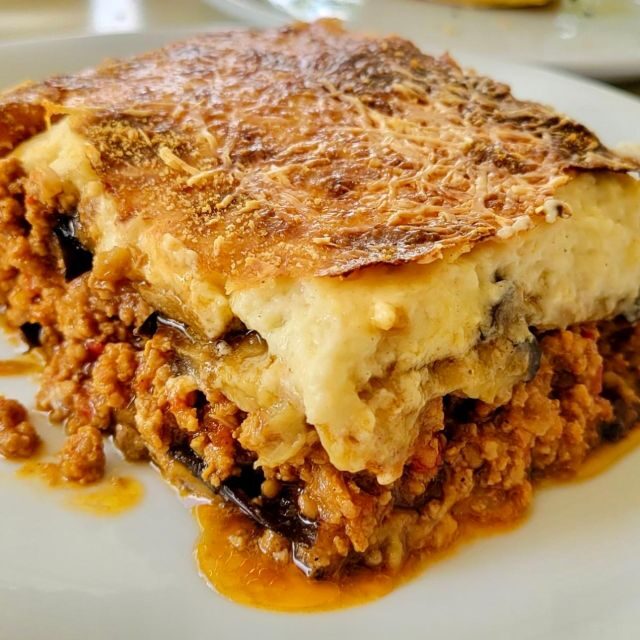
- Moussaka (a layered dish that rewards careful assembling)
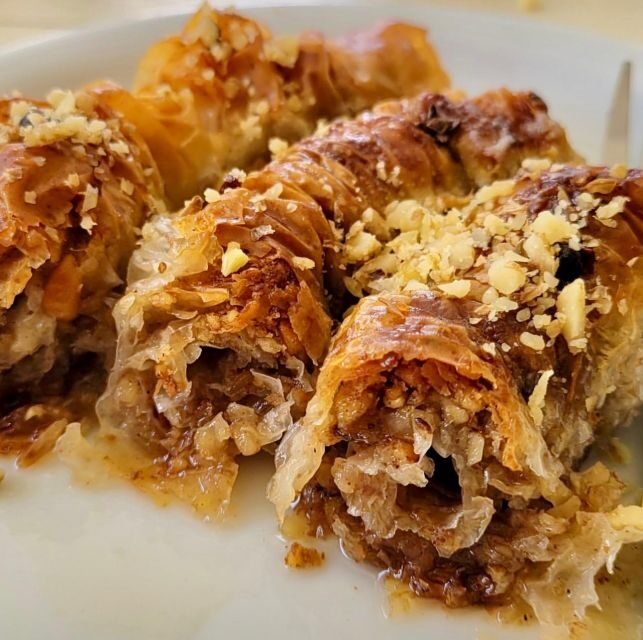
- Baklava (a dessert that’s worth learning because it’s iconic and often intimidating)
Why this menu approach is valuable: a lot of cooking classes teach one dish well. This one stacks skills. You practice mixing, assembling, and cooking across different categories—bakes, roll-ups, mains, and sweets—so you get more than a single recipe that’s hard to apply.
Also, the class doesn’t feel like it’s all heavy food. Even when the menu includes richer items (like moussaka and baklava), the day tends to feel complete because it’s designed as a proper meal flow. That means you can understand how appetizers set up mains and how desserts close the loop.
The other “smart” part: many staff members help with prep and timing. That’s not just to keep things efficient. It also protects the learning moment. When you’re not rushing to rescue someone else’s sauce, you can focus on what the chef is teaching—texture, seasoning, and when something is actually ready.
How the kitchen workflow keeps you participating (even with a crowd)
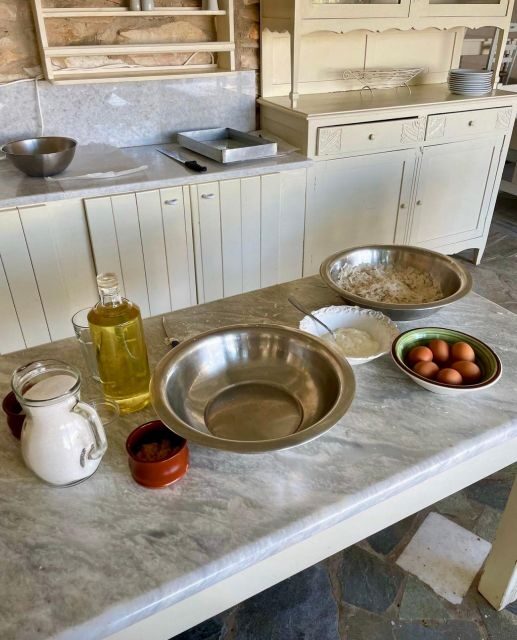
A cooking class lives or dies on its pacing. If the group is too large, you end up waiting. If the stations are poorly managed, people burn things while they’re waiting to be assigned.
Here, the class structure is clearly designed to keep you active. Multiple helpers and sous-chefs are part of the experience, which is why people repeatedly mention that everyone gets involved. You’ll often switch tasks through the course—mixing one component, assembling another, and later cooking or finishing what you prepared.
This is also why the class feels “organized fun” rather than “we’re all scrambling.” The hosts and their team seem to run the room like a well-oiled operation, while still staying warm and interactive. That balance is what you want, especially if you’re cooking for the first time or you just don’t want your vacation day derailed by confusion.
Still, remember the earlier caution about group size. Some sessions can feel packed (around 24 people is possible), so the class may not be ultra-intimate. If you’re the type who wants constant hands-on correction, you might prefer something smaller. If you’re okay learning as part of a team and sharing the energy, this format can be a blast.
The practical takeaway for you: arrive with a good attitude and expect a “do, taste, adjust” rhythm. If you do that, you’ll get more out of the hands-on parts and less out of the waiting.
Parian wine, the meal at the end, and the feel-good extras
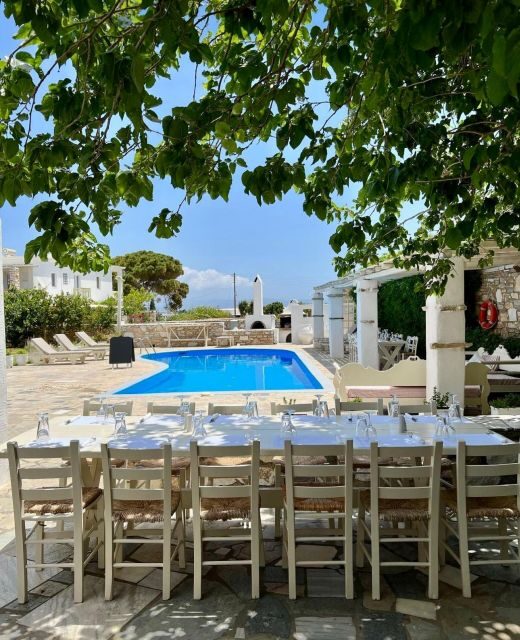
One of the standout parts is the pairing. You’ll enjoy what you made with Parian wine, and the mood tends to rise as you sit down together. People mention that the wine keeps coming, described as carafes pouring with the meal. That turns the final eating portion from a rushed tasting into a real dinner.
The meal itself is also more satisfying than you might expect from a cooking class. Because you helped cook it, each dish feels clearer—what you did, what worked, and how it all tastes as one cohesive spread. That’s when the recipes “click,” because you’re not just memorizing steps. You’re tasting the outcome.
And then there are the fun extras. A number of people mention dancing as part of the experience, and the hosts often bring that celebratory tone into the room. It’s not “showy tourism.” It’s more like Greek hosting energy: laugh, eat, and share the moment.
If you’re traveling as a couple or close friends, this tends to work well because you can cook together, then sit together and enjoy the full meal. If you’re solo, it can still be a great choice because the group setup makes it easier to talk with the people at your table without it feeling forced.
Taking recipes home: what you should expect and what to watch for
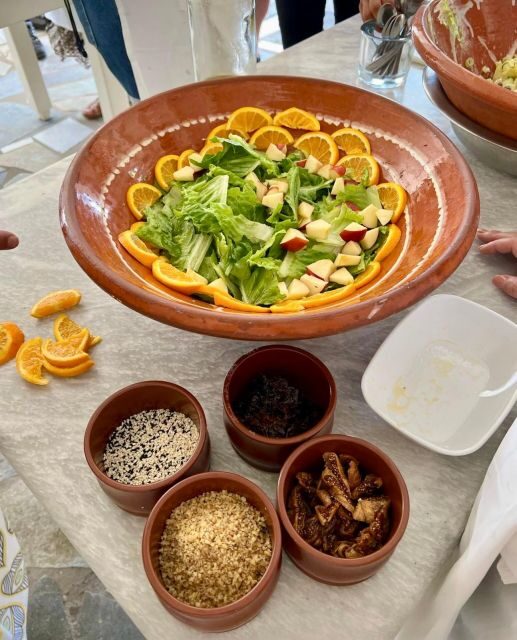
A key part of the value proposition is that you leave with recipes and knowledge to recreate the food at home. That’s important because Greek cooking isn’t always “exactly like you think.” When you understand how a filling should taste before it goes in, or how a layered dish should be assembled, you’re no longer guessing.
One practical detail from the real world: there can be email issues with receiving the recipes after the class. At least one person reported that they didn’t receive an email copy. So, your best move is simple—if you don’t get the recipes message shortly after your session, follow up promptly with the provider.
Also, don’t underestimate how useful it is to take home a repeatable framework. Even if you don’t cook every dish later, the skills transfer. Think: learning how to roll, how to balance seasoning, how to handle layering, and how dessert is built. Those lessons make future Greek meals easier to recreate—at home or when you’re back in Greece.
A few more Paros tours and experiences worth a look

Price and value: why $136 can make sense for Paros
At $136 per person for about 4 hours, this isn’t “cheap,” but it also isn’t overpriced for what you get. You’re buying a full class plus a full meal, and the wine pairing is part of the experience.
Here’s why the value can stack up for you:
- You’re not paying for a single dish. You’re paying for a multi-course meal experience.
- You’re learning step by step, with help available—so you’re not just entertaining yourself, you’re actively learning.
- You get an end-to-end result: cook, eat, and take recipes home.
- The atmosphere and host energy are part of the product. This isn’t sterile instruction; it’s a “memory + skills” combo.
The main reason it might not feel worth it for everyone is time. If you’re in Paros for only a brief stay and you already plan to eat multiple times at tavernas, you may feel the trade-off. But if you want one standout day that’s not just another meal out, this class is one of the best ways to do it.
In short: if you like food enough to want to understand it, and you’re okay with a social group setting, the price tends to feel fair.
Who this Paros cooking class suits best (and who should consider alternatives)
This experience fits best if you want more than eating Greek food. It’s for you if:
- you enjoy hands-on activities and want to cook with others
- you like learning how ingredients connect to tradition and ingredient sources
- you’ll appreciate the party-like energy—cooking, tasting, wine, and possibly dancing
It’s also a great fit for couples and close friends. Many people point out that it’s a highlight for relationships, partly because you share the work and then share the meal.
On the other hand, consider alternatives or adjust your expectations if:
- you prefer quiet, small-group instruction
- you want constant one-on-one coaching the whole time
- you’re very sensitive to a larger group setting where tasks rotate
Accessibility is a plus. The class is described as wheelchair accessible, with an important practical note: pickup may not be right at your door if accessibility requires it, and you might walk a short distance to the meeting point.
If you like to plan with less stress, this format can still be smart because it’s structured to run in a set 4-hour block with English instruction.
Practical planning: timing and pickup so your day runs smooth
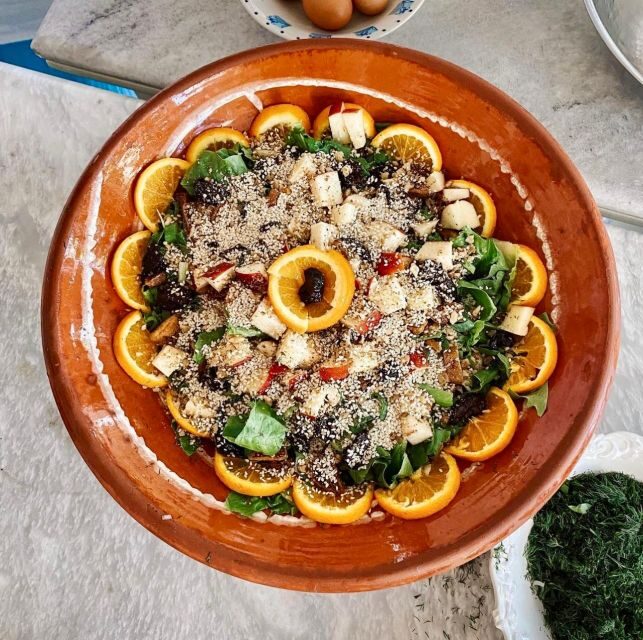
This is a 4-hour experience with starting times that depend on availability. If you’re budgeting your day on Paros, treat it as a real block, not a “quick activity.”
Pickup is optional, but if you choose it, the meeting point may not be exactly at your hotel—especially if accessibility rules affect the pickup location. The key detail is that you’ll receive an email with the exact pickup point and time, and you should arrive about 5 minutes early at that meeting spot.
The instructor is listed as English, which is a big help if you want to follow along without waiting for translation. And because it ends with the meal and wine, it’s best to plan for a full evening block rather than something you’ll squeeze between other plans.
If you’re the type who likes to confirm everything: if you don’t receive the pickup email within 24 hours of the tour, contact the operator so you’re not guessing where to go.
Should you book this Paros Greek cooking class?
If your goal is one great day in Paros that mixes hands-on cooking, a full meal, and a fun local-host atmosphere, I’d book it. The biggest reason is the “whole package” design: you cook multi-course Greek dishes, you sit down to eat what you made with Parian wine, and you take home recipes so the experience doesn’t vanish the moment you leave the kitchen.
I’d hold back only if you’re strongly anti-group, or you really need constant, individualized instruction. Otherwise, this is exactly the kind of experience that turns a vacation into something you can repeat at home—and it does it without feeling like a stuffy class.
If you’re deciding today, my rule is simple: if Greek food is a top priority for you, and you want to learn it in a lively, well-run setting, this is a very solid choice.
FAQ
How long is the Paros Greek Cooking Class with Full Meal?
The class runs for 4 hours.
What is included in the price?
You get the cooking class and the full meal. Pickup and drop-off from your hotel area is included if you select that option.
Is the class taught in English?
Yes. The instructor speaks English.
Is there wine with the meal?
Yes. Your meal is accompanied by Parian wine.
Do I get recipes to take home?
Yes. You leave with the recipes and knowledge to recreate the foods at home.
Does the class offer pickup from my hotel?
Pickup is optional. If pickup is not directly from your hotel (for accessibility reasons), the meeting point may be a short walk from your accommodation.
What if I need wheelchair access?
The activity is listed as wheelchair accessible. Pickup may still involve a short walk to the pickup point if your hotel access isn’t possible.
How early should I arrive for pickup?
You should be at the pickup point at least 5 minutes earlier.
What is the cancellation policy?
You can cancel up to 24 hours in advance for a full refund.
Can I book without paying right away?
Yes. There’s a reserve now & pay later option: you can book your spot and pay nothing today.