Fresh pasta class on a Greek island sounds simple.
But this one pairs hands-on pasta-making with an Italian aperitivo spritz on Paros’ terrace, plus lots of instructor time when the group is small. I like the practical teaching approach, and I like that you’re learning real technique like flour and dough hydration instead of just shaping a souvenir. One thing to think about: depending on the pace and the day, you may do more shaping and less actual cooking yourself, with the chance to eat your pasta later sometimes coming with an extra charge.
You meet at Daniele Ristorante Italiano in Parikia (Lochagoi Georgioi Gravari 5), then return there after about 1 hour 30 minutes. The class runs in English, caps at 25 people, and starts with a relaxed Cycladic-terrace vibe—spritz in hand—before you start working dough.
In This Review
- Key highlights to know before you book
- Daniele Ristorante Italiano: Your Cycladic Terrace Pasta Lab
- What the Italian Aperitivo Adds (Spritz, Snacks, and Good Energy)
- The Hands-On Pasta Lesson: From Dough to Tagliatelle, Ravioli, and More
- Learning the Real Stuff: Flours, Hydration, and Egg Choices
- Do You Eat What You Make? Planning for Lunch or Dinner
- Group Size, Language, and Comfort: How This Works for Real Trips
- Price and Value in Paros: Is $42.24 Worth It?
- Tips Before You Go: Make It Easier and Tastier
- Should You Book Pasta Making with Italian Aperitivo in Paros?
- FAQ
- Where is the pasta making class meeting point?
- How long is the class?
- How much does it cost?
- What’s included with the class?
- Is the experience offered in English?
- What’s the maximum group size?
- Will I be able to eat the pasta I make?
- What happens after the class?
- Do I get a ticket on my phone?
- What’s the cancellation/refund window?
Key highlights to know before you book
- English-led, small-group feel: Max 25 people, and you may get extra attention when the group is tiny.
- Aperitivo first, then pasta: A Spritz-style drink plus snacks set the tone before the work starts.
- Real hands-on pasta options: Tagliatelle, ravioli, rigatoni, and bowties show up in the menu of what you can make.
- Technique you can repeat at home: Expect tips on flours, hydration, and egg choices (whole egg vs yolk).
- Instructor personality matters here: Names that come up often include Claudio and Cristina, described as patient and fun.
- Eating your pasta can be a separate decision: Many people love the stay-and-eat ending, but some note extra cost or a shorter hands-on lesson than expected.
Daniele Ristorante Italiano: Your Cycladic Terrace Pasta Lab
This experience is anchored in one place—Daniele Ristorante Italiano in Parikia—so the whole night feels like it has a single “home base.” The setting is part of the point: an outdoor terrace view in the Cyclades mood, where you’ll start with drinks and snacks rather than sprinting straight to cooking.
The restaurant address is part of the simplicity: Lochagoi Georgioi Gravari 5, Paros 844 00, Greece. You’ll start there and end there, so you don’t waste time figuring out transfers, taxis, or confusing meeting spots while you’re hungry.
What makes this setup feel different from a generic cooking demo is the flow. You’re not just watching someone else work. You’re in front of your own station, rolling and shaping with guidance, and you can ask questions along the way. When the group is small, that matters a lot. One highlight that shows up again and again is that the chef-instructor makes time for questions and slows down for people who want to get the details right.
You can also read our reviews of more cooking classes in Paros
What the Italian Aperitivo Adds (Spritz, Snacks, and Good Energy)
The aperitivo isn’t a throwaway extra. It’s the warm-up act that makes a dough class feel social instead of intimidating.
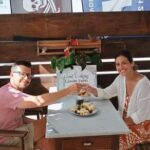
You’ll get an Italian-style Spritz plus snacks included at the start. That means you land, settle in, and get your bearings while you’re still fresh and not yet covered in flour. It also sets a rhythm that fits Paros travel: you’re on vacation, you want food, and you don’t want to feel like you’re taking a night class in a distant city.
In reviews, people specifically call out the relaxed atmosphere—music, finger food, laughs—and they connect that vibe to the teaching. When you’re comfortable, you’re more willing to try again when your dough sticks or your first attempt at shaping looks a bit… homemade. (Good. That’s the point.)
The Hands-On Pasta Lesson: From Dough to Tagliatelle, Ravioli, and More
This is a true “from scratch” style class, starting with pasta-making basics. The goal is not just to learn a trick, but to understand how pasta dough behaves and how to shape it into recognizable forms.
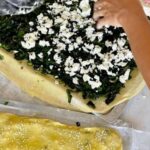
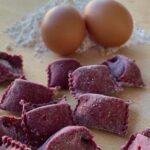
Depending on the session, you may make pasta types like tagliatelle, ravioli, rigatoni, and bowties. Those names matter because they each teach a different kind of shaping and handling. Tagliatelle is all about clean rolling and cutting. Ravioli pushes you into filling discipline and sealing. Rigatoni is about shaping sturdier pasta forms. Bowties are fiddly in the best way.
Another reason this works for beginners: instructors are described as simplifying the process into steps you can follow. Claudio and Cristina are named in multiple reviews, and people praise patience and clear pointers. That’s exactly what you want when you’re standing over dough for the first time.
Learning the Real Stuff: Flours, Hydration, and Egg Choices
The most valuable part of a pasta class isn’t the final platter. It’s the troubleshooting knowledge you carry home.
Here, the teaching touches the core science of pasta dough. You’ll learn about different flours and hydration—how the dough feels as water and flour interact—and what changes when you use whole egg versus egg yolk only. That kind of information is what turns pasta from a one-time activity into something you can actually repeat.
One of the biggest “aha” moments for people in the class is realizing how small choices change texture. Better hydration helps the dough stretch and roll more smoothly. Egg choice can affect richness and how the pasta holds up when cooked. If you’ve ever tried to make pasta at home and wondered why it turned tough or broke, these notes help you diagnose the issue next time.
Even if you’re only a casual cook, you’ll benefit. You don’t need to memorize formulas—you just need to understand what to look for in the dough, and why your instructor nudges you the way they do.
Do You Eat What You Make? Planning for Lunch or Dinner
This is the one area where you should calibrate expectations.
Many people love the full arc: you make the pasta, then later you eat it as a proper meal. Reviews mention that staying for lunch or dinner can be a great ending, and one person specifically regretted not eating right after because it would have made the experience feel like a nice private meal. Another review recommends paying the extra to dine after the lesson.
At least one review notes an additional 40€ charge for dining and eating the pasta you make. The important practical takeaway: the class experience can be either just the making portion or the making-plus-meal portion, and the difference is often cost and timing. If eating your creations is a big part of why you book, plan for it and ask about options on the day.
Also note that the restaurant may not be open to the public until dinner time, so there can be a slightly sheltered, class-first feel. That can be great for focus. If you’re expecting an immediate plate in the middle of the class, you’ll want to double-check what’s included in your specific session.
A few more Paros tours and experiences worth a look
Group Size, Language, and Comfort: How This Works for Real Trips
The class caps at 25 travelers, and that number shows up in the vibe. A smaller group means you can get corrections quickly—hands-on pasta doesn’t wait for your questions—and it’s easier to build a conversation with the instructor.
Language is handled too: the experience is offered in English. For food-focused travel, that matters more than you’d think. You want to understand not only the steps, but also the “why.” When someone explains dough behavior in clear English, you actually remember it.
Comfort-wise, this is a working class at a real restaurant, so dress for a bit of mess. You’ll be near staff and cooking surfaces, and you’ll likely handle dough with your hands. If you’re traveling with kids, several reviews describe the class as something kids could learn from too. That’s a good sign that the instructors can adjust their teaching style to the room.
Practical note: service animals are allowed, and it’s near public transportation. Also, you’ll receive a mobile ticket, which makes the start time smoother if you’re bouncing around Parikia during your day.
Price and Value in Paros: Is $42.24 Worth It?
At $42.24 per person for roughly 1 hour 30 minutes, the value hinges on what you want most: technique, atmosphere, or a full meal.
You get:
- A structured pasta lesson with hands-on shaping
- An Italian Spritz aperitivo plus snacks included
- English instruction
- A setting that’s part of the experience, not just a background
That’s solid for Paros, especially because you’re paying for time and guidance, not just ingredients. Cooking classes can be hit-or-miss when you mostly watch. Here, the consistent praise centers on getting to do the work—mixing, rolling, shaping—and learning enough to try pasta at home.
Where value can feel uneven is the dinner/meal part. If you only want the quick class and don’t care about staying to eat, you may feel satisfied. If you book expecting a hands-on meal where you cook everything yourself and eat it immediately, you should know that some guests felt the class portion was shorter or that eating your creations came later and could cost extra.
Think of the price as paying for the learning and the aperitivo. If a meal is the finish line in your head, budget for it and plan accordingly.
Tips Before You Go: Make It Easier and Tastier
Here’s how I’d set yourself up to have a smoother class and a better ending.
- Arrive with a light hunger. The Spritz and snacks start you off, but if you want to stay for pasta afterward, you’ll appreciate having an appetite.
- If your goal is eating your own pasta, ask ahead about options for dining and timing. People often love saying yes to the dinner finish, but the details can vary.
- Don’t treat the first attempt as a “final.” This is where you learn. The best instructors are the ones who correct you early, while dough is still in play.
- Watch for teaching that focuses on dough feel. The flour, hydration, and egg notes are the kind of information that makes your future pasta better, even if you forget the exact steps.
- Bring cashless convenience. You’ll have a mobile ticket, but if dining has an optional extra charge, you’ll want payment ready.
Should You Book Pasta Making with Italian Aperitivo in Paros?
Book it if you want a fun, social food activity that teaches skills you can repeat. This is especially good for:
- Couples looking for a memorable food-focused evening (one honeymoon review called it special)
- Food lovers who enjoy learning technique, not just tasting
- People who like interactive classes where you can ask questions
- Families with kids who can handle a hands-on kitchen session
Skip or adjust expectations if you mainly want a full meal cooked by you during the class. Some guests felt the hands-on portion was more shaping-focused and that the eating experience may require staying and paying extra.
If you’re deciding in one sentence: I’d book it when you’re excited to make pasta, relax with a spritz aperitivo first, and you’re willing to treat the meal ending as a key part of the plan.
FAQ
Where is the pasta making class meeting point?
You meet at Daniele Ristorante Italiano at Lochagoi Georgioi Gravari 5, Paros 844 00, Greece.
How long is the class?
It runs about 1 hour 30 minutes.
How much does it cost?
The price is $42.24 per person.
What’s included with the class?
You’ll learn handmade pasta from scratch and you’ll get an Italian Aperitivo with a Spritz and snacks included.
Is the experience offered in English?
Yes, the class is offered in English.
What’s the maximum group size?
The maximum is 25 travelers.
Will I be able to eat the pasta I make?
Many people like staying to eat the pasta afterward, and some mention an extra charge for dining. Details can vary by session, so it’s worth asking on the day.
What happens after the class?
The activity ends back at the meeting point.
Do I get a ticket on my phone?
Yes, it’s a mobile ticket, and confirmation is received at booking time.
What’s the cancellation/refund window?
You can cancel for a full refund up to 24 hours in advance. If you cancel less than 24 hours before the start time, the amount paid isn’t refunded. Cut-off times use local time.