REVIEW · PAROS
Paros: Greek Cooking Class with Meal and Wine
Book on GetYourGuide →Operated by ARGYRO FOKIANOU · Bookable on GetYourGuide
A Greek cooking class in Paros beats another day of sightseeing. You’ll learn by doing, guided by Iro and George in a real family setup tied to local farms—olive oil tasting first, then hands-on cooking, and finally the meal you made with homemade local wine.
Two things I really love about this experience are the farm-to-table focus and the way the class blends practical technique with Greek food culture. The result is more than a demo: you leave with real skills (and plenty to eat).
One consideration: the session is hosted in a home-kitchen setting and it’s not suitable for wheelchair users, and it’s also listed as not for kids under 14.
In This Review
- Key highlights you should know
- A home-kitchen class in Paros at Parea Cuisine
- Olive oil, cheese, olives, and souma: the pre-cooking ritual
- Appetizers you’ll actually make: tzatziki, keftedakia, and Greek salad
- Choosing your main: stuffed vegetables, moussaka, pasticcio, or fish of the day
- Dessert of halva or baklava, plus homemade local wine
- How the instructors teach: hands-on cooking plus Greek food culture
- Price and value: what $160 really covers on Paros
- Who this Paros cooking class suits best (and who should skip)
- Before you go: timing, what to tell them, and how to prepare
- Should you book this Paros Greek cooking class?
- FAQ
- How long is the Paros Greek cooking class?
- Where is the meeting point?
- What’s included in the experience?
- What is not included?
- What dishes will we cook?
- Is there wine included?
- Who teaches the class and what languages are used?
- Are there any allergy requirements?
- Is there a minimum number of participants?
- What’s the cancellation policy and can I pay later?
Key highlights you should know
- Olive oil tasting + cheese platter + souma to start you off the right way
- Hands-on appetizers like tzatziki and keftedakia (not just watching)
- Pick your main course: stuffed seasonal vegetables, moussaka, pasticcio, or fresh fish
- Wine with the meal made locally, served as you eat your way through courses
- Small-group feel with lots of explaining, plus help if someone isn’t feeling well
A home-kitchen class in Paros at Parea Cuisine
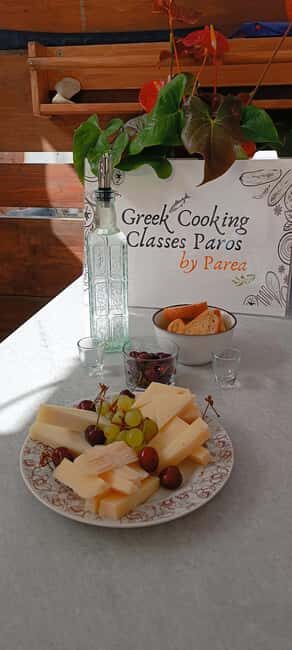
This is a Paros cooking class built around a simple idea: learn Greek food by cooking Greek food. You meet at Parea Cuisine, then step into the kind of kitchen where the ingredients aren’t just bought for the day—they’re part of the island’s rhythm.
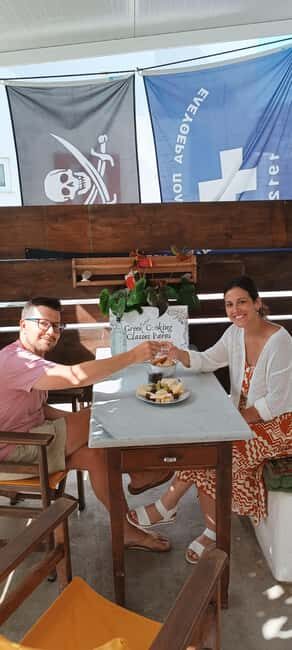
In the hands of Iro (Argyro Fokianou) and George, the lesson stays practical and friendly. Several details in the reviews point to a welcoming, family-style atmosphere: warm greetings, interactive teaching, and a relaxed pace that still gets you cooking. If you want an authentic local experience rather than a staged performance, this format fits.
Expect a 4-hour session that covers starters, a main, and dessert, with wine at the table. That time matters. You’re not rushing through a list of dishes; you learn the steps, then you eat them while the flavors are still fresh and clear in your mind.
You can also read our reviews of more cooking classes in Paros
Olive oil, cheese, olives, and souma: the pre-cooking ritual
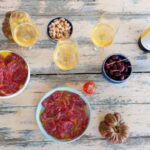
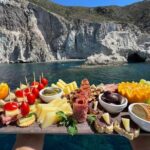
The class starts with tastings before you touch a cutting board. First up is an olive oil tasting, paired with a cheese platter of local varieties. According to the reviews, you may even get standout local cheeses that include long-aged options (one person mentioned a six-month Gouda).
Then you’ll move through local homemade olives and a tasting of souma, a local spirit made from distilling on the island. This part isn’t filler. It sets your palate and gives you a fast education in what Paros tends to do well: dairy, olives, olive oil, and distilled local flavors.
Why I like this opening so much (and why you’ll probably appreciate it too) is that it reframes what cooking class means. You’re not just learning recipes. You’re learning what ingredients taste like before they’re mixed into something else.
Tip for your comfort: these tastings plus course cooking means you’ll want to stay present. If you start out heavy-handed with breakfast, you may find you’re already fighting your appetite by dessert.
Appetizers you’ll actually make: tzatziki, keftedakia, and Greek salad
Once the tastings are done, the class shifts into hands-on work. You’ll learn classic Greek appetizers, including tzatziki and keftedakia. You’ll also prepare traditional Greek salad as part of the appetizer or course setup, depending on the day’s flow.
This is where the teaching style shows. In the reviews, people repeatedly mention knife skills and technique tips, not just instructions about what ingredients to combine. That matters because tzatziki success often comes down to getting texture right—thickness, acidity balance, and how you handle herbs and dairy. Keftedakia success leans on seasoning, shaping, and cooking temperature.
You’ll also get a lot of the background that helps recipes make sense. Some reviews mention the instructors talking about the Mediterranean diet, nutrition, and the theory behind how Greek food stays satisfying without feeling heavy. Even if you never repeat every teaching point at home, it tends to stick—because you cooked it.
The practical upside for you: once you’ve made these dishes with guidance, you’ll know how they should feel as you go. That’s better than just collecting recipes you’re unsure about later.
Choosing your main: stuffed vegetables, moussaka, pasticcio, or fish of the day
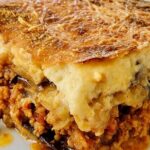
The main course choice is one of the best parts of this Paros cooking experience. You’ll pick from seasonal stuffed vegetables—such as tomatoes, peppers, zucchini, or aubergine—or go for a hearty baked option like moussaka or pasticcio. Some sessions can also include traditionally cooked fresh fish of the day.
Here’s what I think is smart about this structure: the menu options cover different Greek cravings. If you want something lighter, you go seasonal stuffed vegetables. If you want classic comfort food, you choose moussaka or pasticcio. If you’re leaning seafood-forward, fish gives you that island connection.
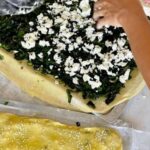
Also, baked mains teach you how Greek cooking handles texture and layering. In moussaka and pasticcio, you’re working through assembling steps that need timing and careful heat. In stuffed vegetables, you’re learning about balance—stuffing density, vegetable softness, and seasoning distribution. And if fish is on the menu, you’ll likely get insight into preparing something fresh without turning it into a complicated project.
One note on expectations: you’re not just making one dish. Your main ties back to the earlier flavors—olive oil, herbs, cheese, and wine—so it’s more cohesive than a random assortment of recipes.
Dessert of halva or baklava, plus homemade local wine
The class ends with dessert: Greek halva or baklava. Either choice is sweet, but they bring different textures and vibes. Halva often feels dense and aromatic, while baklava usually delivers that crisp pastry contrast with syrupy sweetness.
What makes this finale feel special is how it’s paired with homemade local wine during the meal. In the reviews, people highlight that the wine feels integrated into the experience, not poured at the start like a standard add-on. Eating Greek food with Greek wine is part of the story of how the meal is meant to happen—slow, social, and course-based.
If you’re sensitive to alcohol, you can still enjoy the experience; the class includes plenty of food and you’re focused on cooking and tasting. But since wine is included with the meal, plan your evening accordingly.
You can also read our reviews of more wine tours in Paros


How the instructors teach: hands-on cooking plus Greek food culture
Iro and George bring a teaching style that’s both practical and personal. Reviews mention warmth from the moment you arrive, plus a hands-on approach that keeps you moving—mixing, shaping, assembling, and learning as you work. Several people also note that the teaching includes stories tied to Greek cuisine and the island’s farming culture.
That’s the value beyond recipes. You learn why certain steps matter. For example, texture in tzatziki isn’t accidental. Seasoning in keftedakia isn’t vague. Baked mains aren’t just thrown together. Even if you don’t remember every explanation, your hands will.
Also, the family aspect shows up in how flexible the hosts can be. One review mentioned accommodations when a participant didn’t feel well, which tells me the class isn’t rigid. If you’re the type who worries about making mistakes or keeping up, this setup tends to feel manageable.
And one more detail that stands out: people mention local ingredients and supporting the Paros farming industry as a core part of how Iro and George cook. When you taste and cook with ingredients chosen for local quality, the food usually tastes better, and you spend less time wondering why something turned out flat.
Price and value: what $160 really covers on Paros
At $160 per person for a 4-hour class, you’re paying for an entire meal experience plus instruction and multiple ingredient tastings. That price is easy to judge wrong if you compare it to a quick cooking demo. This isn’t that.
You’re getting:
- Olive oil tasting
- Cheese platter
- Local homemade olives
- Souma tasting
- Appetizers like tzatziki and keftedakia (plus Greek salad)
- A full traditional main course you help prepare
- Dessert (halva or baklava)
- Homemade local wine
In other words, you’re paying for an education that turns into dinner. On Paros, where you’d otherwise pay separately for a nice meal and drinks, this can feel like real value—especially if you like hands-on activities more than museum-style tours.
The other value angle is transfer. If you actually cook at home, you’ll use some of these techniques again. Many guests mention leaving with recipes they can recreate. Even if you tweak ingredients later, the core method stays useful.
Who this Paros cooking class suits best (and who should skip)
This experience fits you well if you:
- Want a hands-on Greek cooking lesson in Paros (not a passive food lecture)
- Prefer authentic, ingredient-focused experiences tied to local farming
- Enjoy multi-course meals and want wine included with dinner
- Like small-group settings where you can ask questions while you cook
It may not be the best match if:
- You’re traveling with kids under 14 (the class isn’t suitable)
- You need wheelchair access (not suitable for wheelchair users)
- You can’t manage a 4-hour kitchen session with course tastings and cooking steps
One more practical fit check: come hungry, but not overfed. Multiple reviews push the same idea—don’t eat breakfast, and consider bringing something to take home if you want leftovers. That generous portion feel matters here.
Before you go: timing, what to tell them, and how to prepare
A few logistics points are worth knowing so your day runs smoothly. The class is by appointment only and requires at least 24 hours notice, with a minimum of 2 participants to run.
If you have allergies, you’ll need to inform the hosts 24 hours prior. That’s not the time to say it last minute. Since the class includes dairy, olives, olive oil, and multiple prepared components, giving accurate info early is the best way to keep things safe and enjoyable.
You’ll meet at Parea Cuisine. Transportation isn’t included, so plan how you’ll get there from where you’re staying. Since the experience is a full meal with wine, treat it like dinner plans, not a quick afternoon stop.
Finally, match your expectations to the experience style. This is a home-kitchen class with instruction and tastings. Wear comfortable clothes you can cook in, and go in ready to taste, chop, mix, and learn.
Should you book this Paros Greek cooking class?
I’d book this if you want the best kind of vacation souvenir: a skill plus a meal you actually remember, made with ingredients tied to Paros farming. The olive oil, cheese platter, olives, and souma tasting set the tone, and then the class keeps going with real appetizer work like tzatziki and keftedakia and a main course that can include moussaka, pasticcio, stuffed seasonal vegetables, or fresh fish. Finish with dessert and homemade local wine, and it feels like a complete evening.
Skip it only if the home-kitchen format won’t work for you, if you’re traveling with someone under 14, or if you need wheelchair accessibility. Otherwise, it’s a strong choice for anyone chasing authentic Greek flavors, not just Greek food photos.
FAQ
How long is the Paros Greek cooking class?
It runs for 4 hours.
Where is the meeting point?
The meeting point is Parea Cuisine.
What’s included in the experience?
The class includes the cooking session, olive oil tasting, cheese platter, local homemade olives, souma tasting, Greek appetizers, a traditional Greek meal, dessert, and homemade local wine.
What is not included?
Transportation to the meeting point is not included.
What dishes will we cook?
You’ll learn Greek appetizers such as tzatziki, keftedakia, and traditional Greek salad. For the main, you can choose from fresh seasonal stuffed vegetables (tomatoes, peppers, zucchini, aubergine), moussaka, pasticcio, or traditionally cooked fresh fish of the day. Dessert is either Greek halva or baklava.
Is there wine included?
Yes. You’ll have homemade local wine throughout the meal.
Who teaches the class and what languages are used?
The instructor offers English and Greek.
Are there any allergy requirements?
Yes. You need to inform them about allergies 24 hours before the class.
Is there a minimum number of participants?
Yes. The class requires a minimum of 2 participants.
What’s the cancellation policy and can I pay later?
You can cancel up to 24 hours in advance for a full refund. You can also reserve now and pay later.