REVIEW · LEFKADA
Phyllo Pies Baking Class @ Lefkada Micro Farm
Book on Viator →Operated by Lefkada Micro Farm · Bookable on Viator
The best part of this Lefkada experience is that you do not just eat Greek food, you learn the handwork behind it. At Lefkada Micro Farm, Andreas and his mother guide you through phyllo dough from floury beginning to crisp, wood-fired finish, then sit down with you for the meal.
I like the small group of no more than 10 people, which gives a hands-on class a better chance of feeling personal. I also like the farm walk, where you see the trees, vegetables, herbs, and animals that connect the cooking to everyday island life.
The main consideration is the price: $144.05 per person is a serious spend for a four-hour activity. It makes the best value for people who want a practical cooking lesson, a countryside break, and lunch in one outing, rather than simply a quick food tasting.
In This Review
- Key points at a glance
- Why this class is more than a cooking demonstration
- Meeting Andreas and starting with coffee
- Kneading phyllo beside a wood-burning oven
- Walking through Lefkada Micro Farm
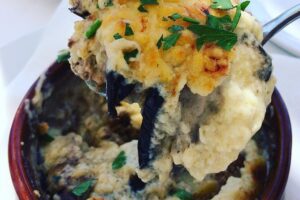
- Four pies, four very different flavors
- Wild greens with feta
- Goat cheese, sun-dried tomatoes, olives, and oregano
- Squash pumpkin, walnuts, cinnamon, and raisins
- Baklava with honey, cinnamon, and walnuts
- Baking, eating, and judging the value
- Timing, transport, and practical planning
- Who will enjoy this Lefkada morning most
- Should you book the Lefkada Micro Farm phyllo class?
- FAQ
- Where does the phyllo pie class begin and end?
- What time does the class start?
- How long does the experience last?
- What recipes will I make?
- How many people can join?
- Can I cancel for a full refund?
Key points at a glance
- Four recipes from one batch of phyllo work: You prepare greens with feta, goat cheese with sun-dried tomatoes and olives, pumpkin with walnuts and cinnamon, and baklava with honey.
- A wood-burning oven shapes the morning: You help light the fire, wait for the heat, and bake the pies you made.
- Andreas and his mother lead the class: The strongest part of the experience is the friendly, personal teaching style praised in the available feedback.
- The farm walk adds local context: You see how food is grown in a traditional organic setting before returning to the open-air kitchen.
- The class ends with a shared lunch: You eat the pies together instead of leaving with only a recipe card.
- The setting is away from Lefkada’s beach circuit: This is a good choice when you want four quiet hours in the Greek countryside.
Why this class is more than a cooking demonstration
Many food activities let you watch someone else cook. This one asks you to work with the dough yourself. That matters because phyllo is less about a single secret ingredient than about feel, timing, and confidence with a thin sheet of pastry.
You begin at 10:00 in the morning at Lefkada Micro Farm, on the road between Nidri and Vafkeri Rachi. The pace is spread over roughly four hours, so you are not being rushed from one small sample to the next. You have time to knead, walk, return to the kitchen, fill the pies, bake, and eat.
I especially like the way the class links food to place. Greek pies are not presented as an abstract national dish. You see the farm, its herbs, vegetables, trees, and animals, then return to the oven and prepare food that fits that setting.
The activity has a 4.6 rating from 10 reviews, with 90 percent recommending it. The most consistent praise is directed at Andreas and his mother, the chance to make phyllo from scratch, and the pleasure of eating the finished pies. Those are the parts I would give the most weight when deciding if this suits you.
You can also read our reviews of more cooking classes in Lefkada
Meeting Andreas and starting with coffee
The class begins with morning coffee or tea. This is a small detail, but it gives the morning a gentle start before flour, dough, and a hot oven take over.
Andreas and his mother are the hosts named in the available feedback, and their role is central to the experience. You are not simply shown a finished pie and sent to a table. You learn step by step, with the goal of taking the method and recipes home.
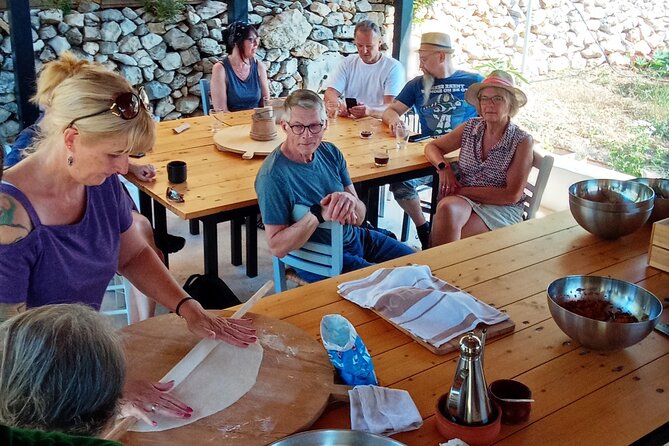
The small group limit matters here. With a maximum of 10 people, you should have a better chance to watch the dough work closely and take part rather than stand at the edge of a large demonstration. The exact amount of individual instruction can vary with the group, but the cap is reassuring for a practical class.
If you have allergies or dietary restrictions, tell the provider before the activity. The class includes dairy, olives, walnuts, honey, and other ingredients across its four recipes, so advance notice is important. The supplied details do not promise substitutions, so do not assume a recipe can be changed on the day.
Kneading phyllo beside a wood-burning oven
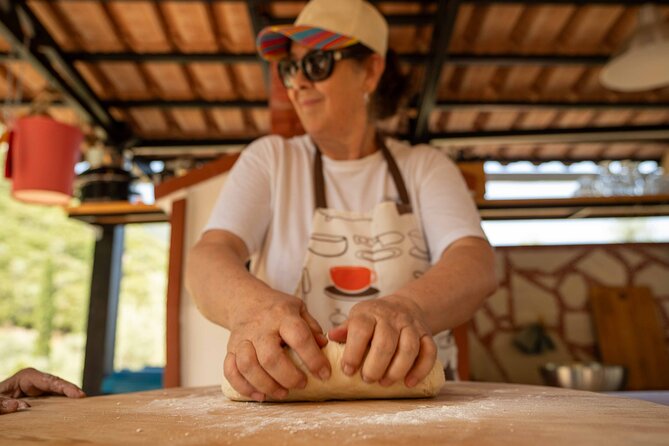
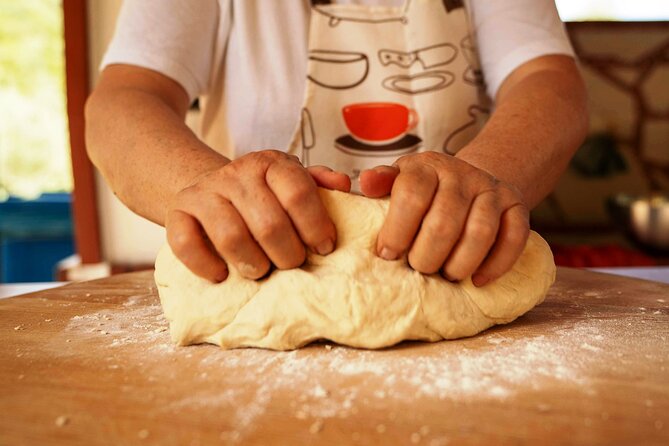
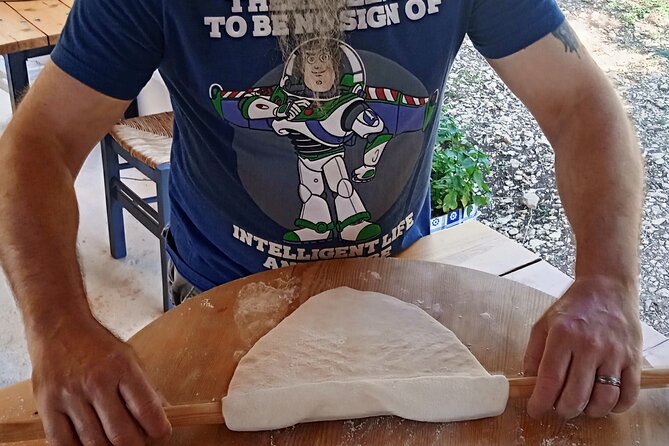
The first working stage is the dough. You knead the phyllo and help get the wood-burning oven going. This gives you a feel for the old-fashioned rhythm of the class: prepare the fire, work the dough, walk the farm, then return when the oven is ready.
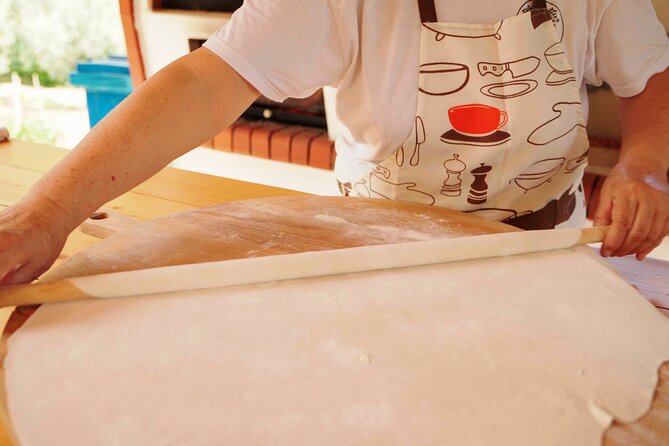
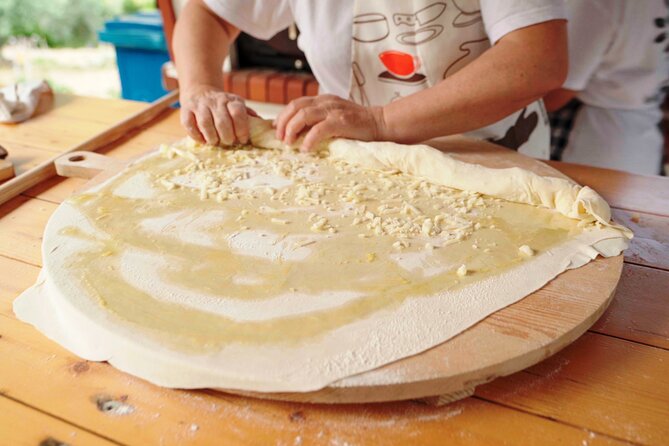
Phyllo can look intimidating when you see it paper-thin in a bakery window. Making it yourself turns that mystery into a series of manageable steps. You learn how dough changes as it is kneaded and stretched, and you see how careful handling affects the final pastry.
The oven also adds a practical sense of timing. It is not an electric appliance that reaches the exact setting with a button press. The fire needs to be lit, and the dough needs time to become ready for shaping. That slower process is part of the appeal, though people who prefer a neat, tightly scheduled class may find it less predictable.
The experience requires good weather. The activity includes an open-air kitchen and a farm walk, so poor conditions can lead to cancellation, a different date, or a full refund. That policy protects the quality of the experience, but it also means you should avoid placing it on the only free morning of a tightly packed Lefkada visit.
Walking through Lefkada Micro Farm
While the oven heats and the dough rests, you walk around the farm. You see the trees, vegetables, herbs, and animals, along with the traditional organic way food is grown there.
This is the part that gives the class its sense of place. A pie filled with greens or herbs feels more connected to local life when you have just been among the plants and growing areas. The farm visit is not a separate sightseeing stop with a long list of formal attractions. Its value comes from seeing the setting that supports the meal.
I would think of this walk as a quiet pause between kitchen tasks. Lefkada is known for its beaches and blue water, but four hours among the farm’s green spaces offer a useful change of pace. If you have had several days of boat trips, swimming, and sun, this slower morning can restore your energy without giving up a local food experience.
Do not expect a major agricultural tour or a long nature hike based on the information provided. The walk is part of the cooking class, not a separate farm excursion. Its appeal is the connection between the land, the ingredients, and the food on your plate.
Four pies, four very different flavors
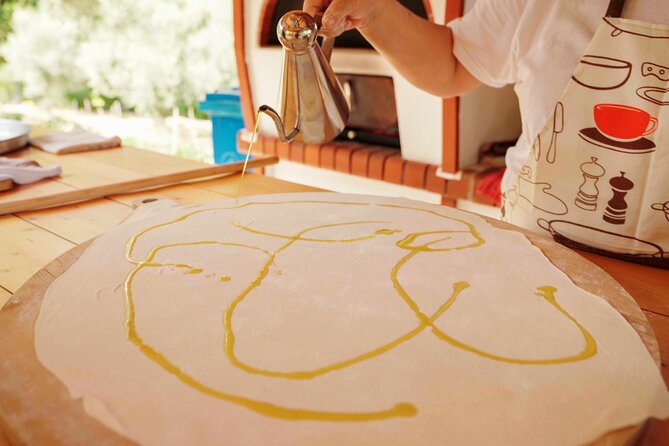
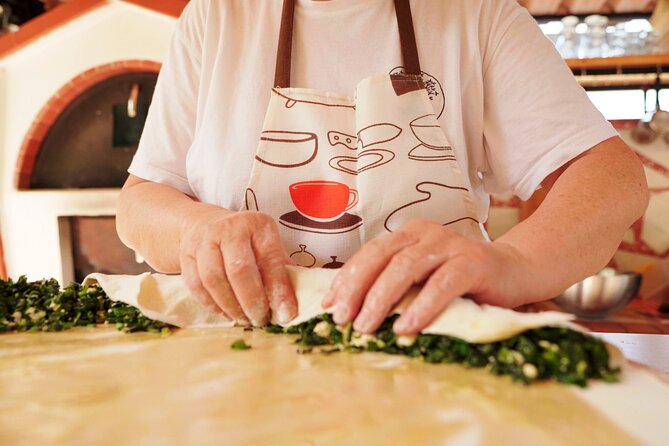
Once the oven is hot and the dough is ready, you stretch, fill, and roll four recipes. The menu covers savory, sweet, local-style, and dessert flavors, which makes the class more useful than one recipe repeated in different shapes.
A few more Lefkada tours and experiences worth a look
Wild greens with feta
This pie brings together wild greens and feta, a pairing that shows how simple ingredients can carry a dish. The greens provide an earthy, fresh filling, while the feta adds salt and creaminess.
For a first phyllo lesson, this is a good recipe because the focus remains on the pastry and the balance of the filling. You can also take the idea home and adapt it to whatever greens are available in your own kitchen.
Goat cheese, sun-dried tomatoes, olives, and oregano
The second savory pie has a stronger Mediterranean profile. Goat cheese brings tang, while sun-dried tomatoes, olives, and oregano add salt, sweetness, and herbal flavor.
This recipe is useful for anyone who wants to recreate a Greek-style appetizer or light meal at home. It also gives you a clear contrast with the wild greens and feta pie, so the class does not feel like four versions of the same dish.
Squash pumpkin, walnuts, cinnamon, and raisins
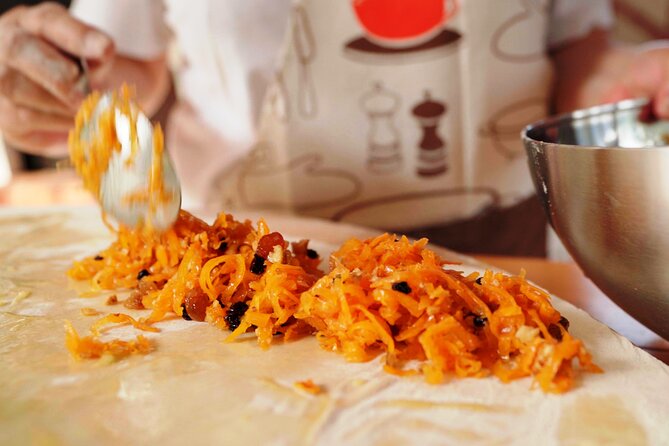
The pumpkin pie moves into sweet territory, but it is not simply a Western-style dessert. Walnuts, cinnamon, and raisins create a filling with warmth and texture, while the phyllo keeps it light and crisp.
This recipe is one of the class’s more memorable combinations because it shows how Greek pies can sit between snack, pastry, and dessert. The walnuts also give you a useful texture lesson: soft filling works best when paired with something that adds bite.
Baklava with honey, cinnamon, and walnuts
The final recipe is baklava, made with honey, cinnamon, and walnuts. Since baklava is familiar to many people from Greek bakeries and restaurant menus, making it yourself can be especially satisfying.
The honey-based sweetness also gives the meal a proper finish. You are not just learning a savory pastry and then being handed a separate dessert. You make a complete group of pies, including something sweet enough to end lunch.
Baking, eating, and judging the value
When the pies are ready, you sit around the dining table and eat the lunch you prepared together. This shared meal is a strong part of the format. It gives you a reason to pay attention during the preparation because the finished food becomes the reward at the end.
The price of $144.05 per person is not cheap. If you compare it with a bakery purchase or a basic lunch, it will seem high. The better comparison is a half-day food experience that includes instruction, ingredients, a farm visit, four recipes, oven baking, and a prepared meal.
I would consider it fair value for someone who enjoys cooking and wants a lasting skill rather than a one-time taste. You also leave with recipes and the know-how to make these pies at home, which gives the activity more value after your holiday ends.
Still, the value depends heavily on your interests. If you do not like hands-on cooking, or if you want a broad tour of Lefkada’s culture and sights, this is probably too specialized. The class concentrates on one food tradition and one farm setting.
The feedback gives the meal the right amount of importance. The pies are not an afterthought. The enjoyment of eating what you made is repeatedly linked with the pleasure of learning phyllo from scratch. That combination is the reason to book, not just the promise of lunch.
Timing, transport, and practical planning
The start time is 10:00 a.m., and the experience lasts about four hours. It ends back at Lefkada Micro Farm, so plan for a late lunch or early afternoon finish rather than another morning activity immediately afterward.
The meeting point is Lefkada Micro Farm, E.O. Nydriou Vafkeris Rachi, Nidri 311 00, Greece. The details say the location is near public transportation, but they do not specify a pickup service or exact transit route. Check your route carefully before booking and allow enough time to reach the farm.
A mobile ticket is accepted, which keeps the booking simple. Confirmation is normally provided at booking, though reservations made within 10 hours of departure may be confirmed as soon as possible, subject to availability.
Service animals are allowed. For everyone else, the key preparation is practical: tell the provider about allergies or dietary restrictions, and keep your morning free for the full four hours. Because the class includes a farm walk and an open-air kitchen, good weather is required.
Free cancellation is available if you cancel at least 24 hours before the start time. Cancellations or changes inside that window are not refunded or accepted. If bad weather cancels the class, you are offered another date or a full refund.
Who will enjoy this Lefkada morning most
I would recommend this class to you if you like food with a story and prefer making something to merely photographing it. It is a particularly good fit for couples, families with older children, and small groups of friends who enjoy sharing a table after working together.
It also suits repeat visitors to Lefkada who have already spent time on the beaches and want a different side of the island. The farm setting gives you a quiet break from the usual coastal schedule without turning the morning into a formal museum visit.
People who are new to Greek cooking can get a lot from the step-by-step format. The recipes are varied enough to teach several ideas, while the shared dough work gives the group a common task. If you already bake often, you may value the traditional method and wood-burning oven more than basic pastry instruction.
I would be cautious about booking it for very young children, not because the activity is unsuitable, but because the supplied details do not describe a children’s program or how much of the work is adapted for them. I would also think twice if you need strict dietary control, since several recipes include dairy, nuts, olives, honey, and other specific ingredients.
Should you book the Lefkada Micro Farm phyllo class?
Book it if you want a hands-on Greek food lesson with a calm countryside setting, a small group, and a meal you help create. The warmest part of the experience is the connection with Andreas and his mother, while the strongest practical benefit is learning phyllo from scratch rather than simply eating it.
Skip it if your priority is a beach day, a sightseeing tour, or the lowest-cost lunch in Lefkada. At $144.05, this is a specialty experience, but the price makes sense when you count the four recipes, farm visit, wood-fired baking, instruction, and shared meal.
For most food-minded visitors, I would place it among Lefkada’s more personal half-day activities. Just plan your transport, disclose food restrictions early, and keep a weather backup in mind.
FAQ
Where does the phyllo pie class begin and end?
It begins and ends at Lefkada Micro Farm, E.O. Nydriou Vafkeris Rachi, Nidri 311 00, Greece.
What time does the class start?
The class starts at 10:00 a.m.
How long does the experience last?
The activity lasts approximately four hours.
What recipes will I make?
You will prepare wild greens with feta, goat cheese with sun-dried tomatoes, olives and oregano, squash pumpkin with walnuts, cinnamon and raisins, and baklava with honey, cinnamon and walnuts.
How many people can join?
The activity has a maximum of 10 travelers.
Can I cancel for a full refund?
Yes. You can cancel at least 24 hours before the start time for a full refund. If poor weather causes the provider to cancel, you will be offered a different date or a full refund.