REVIEW · HERAKLION
Plateau of Lassithi, Monastery of Kera and Ceramics
Book on Viator →Operated by TOURLINE · Bookable on Viator
The Dictean Cave is the star of this mountain day. Crete’s ancient stories place the birth of Zeus here, and reaching the cave means walking uphill for a view and a cool, rocky chamber below. I like that this trip combines myth, mountain scenery, a monastery, and a working pottery shop instead of stopping at one famous sight.
I also like the practical side: pickup from many north Crete areas, an air-conditioned vehicle with Wi-Fi, and a full day for about $36.46. The main drawback is the long climb and driving time into the mountains, so this suits you better if you are reasonably fit and happy to spend much of the day on the road.
In This Review
- Key points at a glance
- Why the Lassithi Plateau makes a good full-day trip
- Kera Kardiotissa Monastery and its Cretan past
- Walking toward Dictean Cave, the birthplace of Zeus
- The windmills that once filled the plateau
- Termiado pottery and a short craft demonstration
- Lunch for €14, or bring your own plan
- Transport, guides, and group size
- Who should book this Crete mountain day
- Booking, cancellation, and weather notes
- Should you book Plateau of Lassithi, Monastery of Kera and Ceramics?
- FAQ
- How long does the tour last?
- Where does the tour operate?
- What places are included?
- Is transportation included?
- Is lunch included in the price?
- Is the monastery admission included?
- Can I cancel for a full refund?
Key points at a glance
- Dictean Cave links Crete to the story of Zeus: Expect an uphill approach and a visit to a dramatic cave with strong mythological importance.
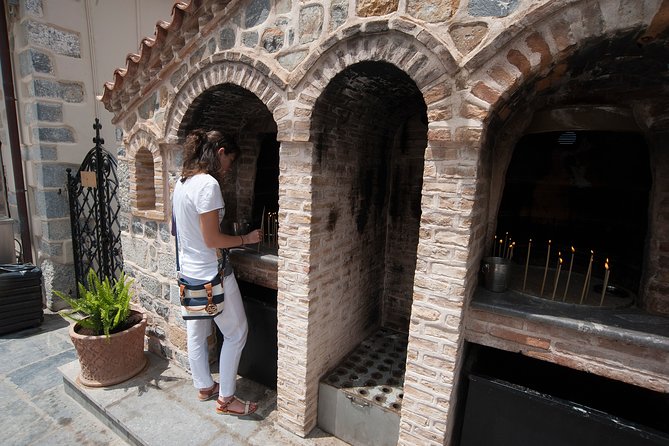
- Kera Kardiotissa Monastery costs an extra €2: Allow about 45 minutes to see this religious site and learn about its role during the Cretan Revolt.
- The Lassithi Plateau once held 10,000 windmills: Only a few remain, but the old windmill tradition gives the high plain a distinctive character.
- Termiado adds a hands-on craft stop: You can watch potters shape ceramic pots during a 30-minute workshop.
- Lunch is optional at €14: The set meal includes meat, potatoes, Greek salad with feta, tzatziki, bread, and a drink.
- The group can reach 46 people: The air-conditioned vehicle and guide make the long day easier, but this is not a small private outing.
Why the Lassithi Plateau makes a good full-day trip
Crete is easy to experience from the coast, but the island’s interior gives you a different sense of place. The Lassithi Plateau takes you uphill into a broad mountain setting shaped by farming, old irrigation methods, village life, and local craft.
This tour is useful if you want someone else to handle the transport. Pickup is offered from many areas of north Crete, which saves you from arranging a car or working out the mountain route yourself. The ride takes you away from Heraklion and toward a part of the island that is less about beaches and more about stories, stone buildings, fields, and high-country views.
The trip lasts about eight hours. That is a serious block of your day, but the schedule gives you several different stops rather than one attraction followed by a quick return. You will visit a monastery, a cave, the plateau, and a pottery workshop, with lunch available along the way.
At $36.46 per person, the value is strong if you want transportation, a live guide, insurance, and a full day of sightseeing. The price does not cover lunch or the €2 monastery admission, so plan on a little extra. Cave admission is not specified in the supplied details, so check the current arrangements before departure if that cost matters to your budget.
You can also read our reviews of more tours and experiences in Heraklion.

Kera Kardiotissa Monastery and its Cretan past
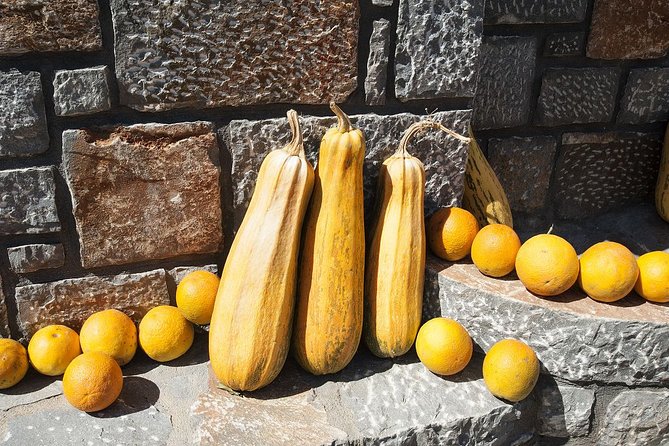
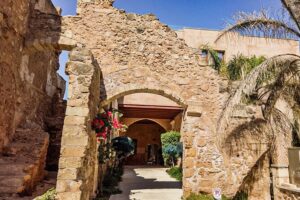
The first major stop is Panagia Kera, also called Kera Kardiotissa Monastery. You have about 45 minutes here, enough for a focused visit rather than a slow, extended exploration.
The monastery played an important role during the Cretan Revolt and suffered serious damage during that period. That detail gives the stop weight. You are not simply visiting an attractive religious building. You are seeing a place connected to the island’s struggle and political past.
The €2 admission is not included. It is a small charge, but you should carry some cash or confirm the accepted payment method before leaving. The tour description does not provide further rules about clothing, photography, or opening hours, so your guide is the best source for current instructions on the day.
Forty-five minutes can feel short if you want to study every corner. I would treat this as an introduction to the monastery and its story, not a detailed architectural tour. The stop works best for you if you enjoy historical context but do not need a long, quiet visit at one site.
Walking toward Dictean Cave, the birthplace of Zeus
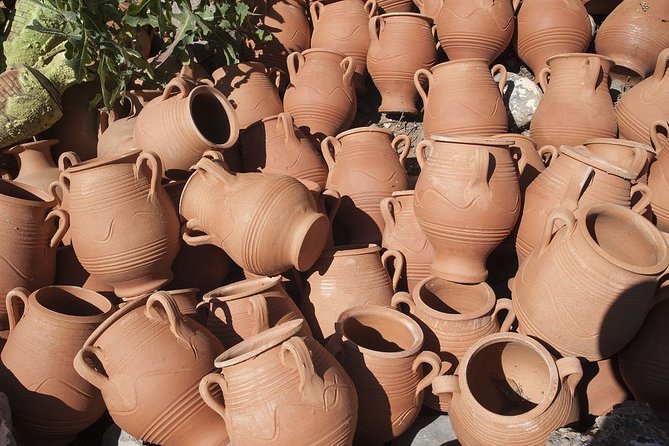
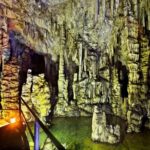
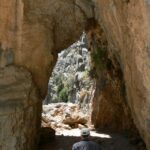
The cave visit brings the strongest blend of myth and physical adventure. Dictean Cave is said to be the birthplace of Zeus, a story that has helped make the site one of the best-known attractions on the plateau.
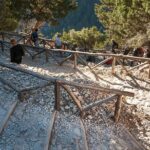
You should expect an uphill walk to reach the cave. One account of the experience describes the climb as manageable for a reasonably fit person, but it is not a flat roadside stop. Good shoes matter, and you should be comfortable walking uphill before booking.
The effort pays off with views around the cave area and a striking underground setting. The supplied details do not state how long the cave visit lasts or whether admission is included, so keep some flexibility in your schedule and ask the guide about the current entry arrangements.
The cave is a better fit for you if you like places with a strong story and do not mind uneven or strenuous walking. It may be less suitable if you have difficulty with uphill routes. The tour is described as suitable for most people, but that does not remove the need to judge your own fitness.
A useful tip is to avoid treating the cave as a quick photo stop. The myth gives it fame, but the approach and the mountain setting are part of the experience too. Look around as you walk, since the views outside the cave are an important part of the reward.
The windmills that once filled the plateau
The Lassithi Plateau was once covered with about 10,000 windmills, making it one of the world’s largest windmill parks. Only a few survive today, so you should not expect a plain packed with working mills.
Even so, the remaining structures help explain how people used the plateau’s wind and water systems. They also add a visual reminder that this high plain was shaped by practical farming technology, not just by scenery.
The word plateau can sound grand, but the appeal here is more grounded. You will see a broad agricultural area framed by mountains, with the remains of an old system scattered through it. The guide’s explanations matter because the windmills are easier to appreciate when you understand what they once did.
This part of the day is less about entering a single monument and more about seeing the setting as a whole. If you prefer a packed list of major sights, the open plateau may feel slower. If you like learning how local communities worked with their surroundings, it adds useful context to the cave and monastery stops.
Termiado pottery and a short craft demonstration

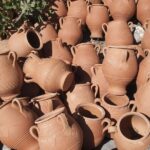
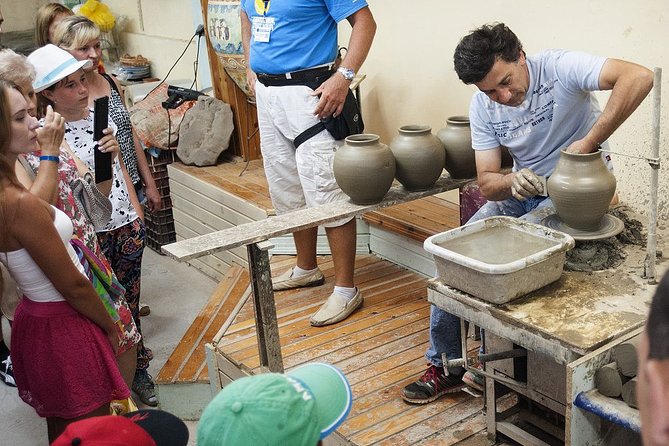
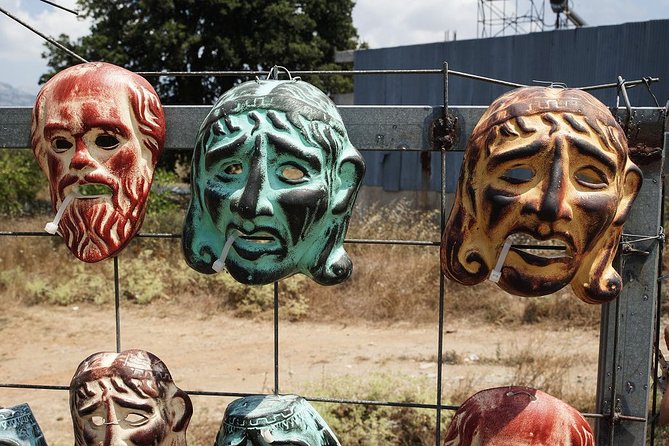
The tour includes a stop in Termiado, described as the capital of the Lassithi Plateau, with a visit to a pottery workshop. The workshop lasts about 30 minutes and lets you watch skilled craftsmen make ceramic pots.
This is one of the most appealing details in the schedule because it puts a working local craft beside the area’s myths and historical sites. You are not only looking at old buildings. You also get to see how an everyday material becomes a finished object.
Thirty minutes is enough for a demonstration and a look around, but it is not a full pottery class. The details do not say that you make your own piece, so book this as a viewing stop rather than a hands-on lesson.
The workshop also breaks up the walking and sightseeing. After the cave and monastery, sitting or standing for a craft demonstration gives the day a different rhythm. You might find this especially worthwhile if you want a practical connection to Crete rather than only monuments and viewpoints.

Lunch for €14, or bring your own plan
Lunch is not included, but an optional meal costs €14. The menu includes pork chop or chicken, potatoes cooked in the oven, Greek salad with feta, tzatziki, bread, and either a glass of wine or a non-alcoholic drink.
That is a fairly complete meal for the price, and it removes the need to search for food during a tightly scheduled day. The menu is also straightforward Greek fare, which fits the setting better than a generic fast-food stop.
The trade-off is choice. If you have dietary restrictions or simply prefer to select your own meal, you may want to ask the guide what alternatives are available. The supplied information gives only the set menu, so do not assume that substitutions are guaranteed.
Coffee-break extras are also not included. Budget a little beyond the tour price if you want drinks or snacks during the day.
Transport, guides, and group size
The tour uses an air-conditioned vehicle and includes Wi-Fi. Those details matter on an eight-hour mountain outing, especially when pickup and return involve several north Crete areas.
The group may contain up to 46 people. That size can keep the price low, but it also means the experience may feel more like a standard coach excursion than a personal village visit. You should expect a shared schedule and set stop times rather than the freedom to linger wherever you wish.
A live guide is included. One guide named in a particularly positive account is Viola, who gave explanations in both German and English. If she is leading your departure, bilingual commentary may be helpful if your group includes speakers of both languages. Guide assignments can vary, so do not book on the assumption that a particular person is guaranteed unless the operator confirms it.
Good customer service has also been a feature of at least one booking situation. When a date appeared available by mistake, the company worked to honor the reservation rather than simply canceling it. That suggests some flexibility in handling problems, though it is still wise to check your pickup details after booking.
Who should book this Crete mountain day
I would recommend this tour to you if:
- You are staying in north Crete and want an organized inland excursion.
- You enjoy combining mythology, religious history, scenery, and local crafts.
- You are comfortable with a full eight-hour day and a potentially large group.
- You can manage an uphill walk to Dictean Cave.
- You want a low-cost alternative to hiring a car and planning the route yourself.
- You appreciate guide commentary in English, German, or another confirmed tour language.
I would think twice if you want a relaxed day with very little walking. The cave approach requires effort, and the mountain drive takes time. You may also prefer a smaller tour if you want long conversations with the guide or the freedom to change the schedule.
The overall rating attached to this experience is 3.7 out of 5 from 11 ratings. That is a mixed result, so keep expectations realistic. The strongest positive points are the guide service, the variety of stops, and the value of combining transport with several attractions for a modest price. The main practical concerns are the long day, the climb to the cave, extra costs, and the possible 46-person group.
Booking, cancellation, and weather notes
Confirmation is provided at booking, and the tour is often reserved about 19 days ahead. That is a useful planning clue if your Crete dates are fixed, especially during busy periods.
You can cancel up to 24 hours before the start time for a full refund. Changes or cancellations made less than 24 hours ahead are not accepted for a refund, with cut-off times based on local time.
The experience requires suitable weather and a minimum number of participants. If poor weather or low enrollment causes cancellation, you are offered another date or experience, or a full refund.
Should you book Plateau of Lassithi, Monastery of Kera and Ceramics?
Book it if you want good-value access to Crete’s interior without driving yourself. The mix is the real strength: Zeus mythology at Dictean Cave, the difficult past of Kera Monastery, the old windmill country of Lassithi, and a pottery workshop in Termiado.
Before paying, make sure the uphill cave walk is suitable for you, add €2 for the monastery, and decide if the €14 lunch fits your plans. If those details work, this is a sensible full-day choice for seeing a different side of Crete beyond the coast.
FAQ
How long does the tour last?
The tour lasts approximately eight hours.
Where does the tour operate?
The tour is based in Heraklion and offers pickup from many areas of north Crete.
What places are included?
The experience includes Kera Kardiotissa Monastery, Dictean Cave, the Lassithi Plateau, and a pottery workshop in Termiado.
Is transportation included?
Yes. An air-conditioned vehicle, Wi-Fi, insurance, and a live tour guide are included.
Is lunch included in the price?
No. Lunch is optional and costs €14. The menu includes pork chop or chicken with oven-cooked potatoes, Greek salad with feta, tzatziki, bread, and a glass of wine or a non-alcoholic drink.
Is the monastery admission included?
No. Admission to the monastery costs €2.
Can I cancel for a full refund?
Yes, if you cancel at least 24 hours before the experience start time. Cancellations or changes made less than 24 hours before the start time are not refunded.