REVIEW · ATHENS
rafiki athens walking tour
Book on GetYourGuide →Operated by rafiki · Bookable on GetYourGuide
Athens opens up nicely on foot, and this tour links its old and new sides in one steady walk. You begin at Syntagma Square, pass the National Garden and Hadrian’s Arch, then wander through Plaka before finishing near Monastiraki and the city’s ancient marketplaces.
I like the small group of 10 or fewer, which should make it easier to ask questions and keep a comfortable pace. I also like that Rafi can shape the experience around history, food, or graffiti, though the standard walking route does not include entry to the Panathenaic Stadium or the Ancient and Roman Agoras.
The main drawback is that $56 is not a bargain if you want to enter the major sites. Much of the value comes from the guide’s explanations, local perspective, and route planning rather than from included admission tickets.
In This Review
- Key points about the Rafiki Athens walk
- Starting at Syntagma Square
- The National Garden and the city’s quieter side
- Panathenaic Stadium from the outside
- Hadrian’s Arch and the meeting of eras
- Wandering through Plaka
- The Ancient and Roman Agoras from their viewing points
- Finishing near Monastiraki
- Choosing the food or graffiti option
- How much value do you get for $56?
- What the small group changes
- Who should book this Athens tour?
- Should you book the Rafiki Athens walking tour?
- FAQ
- Where does the Rafiki Athens tour begin?
- Where does the tour finish?
- How long does the tour last?
- What languages are available?
- How large is the group?
- Does the tour enter the Panathenaic Stadium?
- Are the Ancient and Roman Agoras included inside the ticket?
- What should I bring?
- Can I cancel the tour?
Key points about the Rafiki Athens walk
- A useful three-hour introduction: Cover several central Athens sights without spending a full day on a formal museum tour.
- A route through old and modern Athens: Move from Syntagma Square and the National Garden to Plaka, ancient agoras, and Monastiraki.
- Three possible tour styles: Choose a historical walking tour, a food-focused outing, or a graffiti tour centered on contemporary Athens.
- Small groups only: The tour is limited to 10 participants and is offered in English or Hebrew.
- Outdoor viewing rather than full-site visits: The Panathenaic Stadium and agoras are seen from viewing points unless you pay separately to enter.
- A local guide named Rafi: The food-tour experience can include Greek food stops, street art, and discussion of recent Greek history.
Starting at Syntagma Square
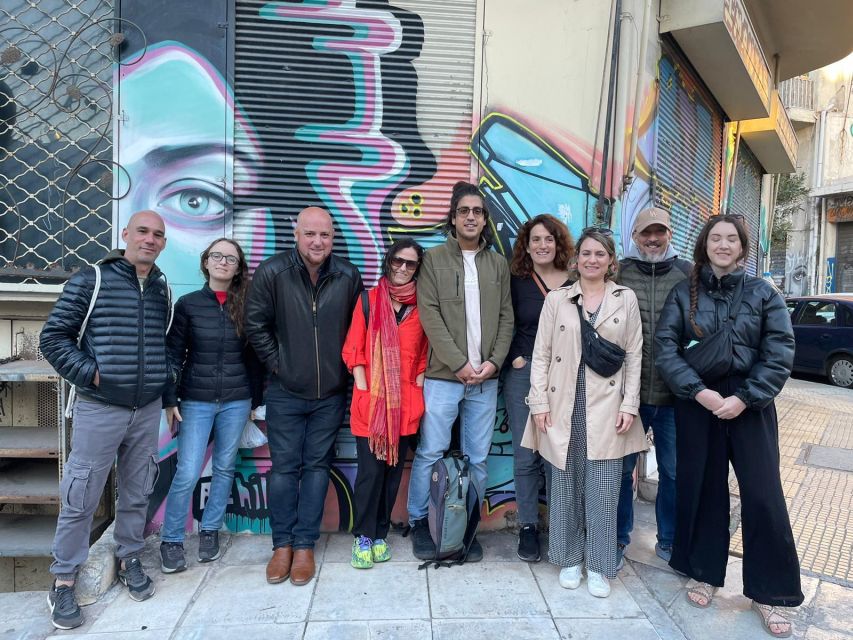
The tour begins beside the fountain at Syntagma Square, one of the easiest places in central Athens to find. This is a practical meeting point for a first walk because the square sits at the center of modern city life, while several major historic sights are close by.
From here, you can expect a city walk rather than a series of long stops inside monuments. That distinction matters. The tour gives you orientation, context, and outside views, but it is not designed to replace a full visit to the Acropolis Museum, the Panathenaic Stadium, or the Ancient Agora.
The three-hour length is sensible for Athens. You get enough time to see a broad section of the center without committing most of your day. I would book it early in your stay, since the route can help you decide which places deserve a later, longer visit.
Starting times vary, so check availability before planning meals or timed museum tickets around it. Wear comfortable shoes. Athens has plenty of smooth streets, but this is still a walking tour with several hours on your feet.
You can also read our reviews of more walking tours in Athens



The National Garden and the city’s quieter side
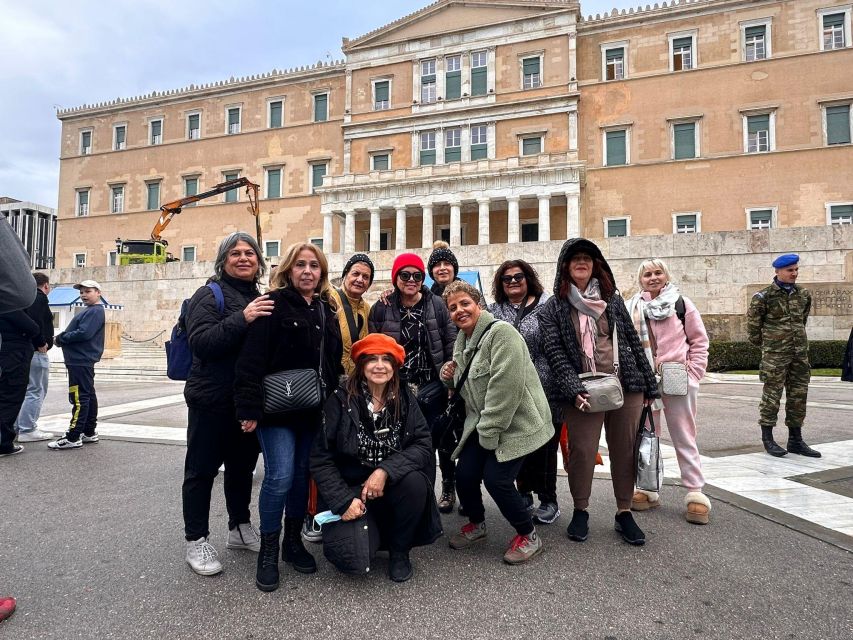
The National Garden is one of the first substantial stops. The walk here gives you a change from the traffic and open stone of Syntagma Square. You spend about 20 minutes walking and hearing the guide’s explanation.
That pause is useful because it shows a softer side of central Athens. You are not simply moving from one famous monument to the next. The route includes public space, everyday city life, and places where Athenians can step away from the main avenues.
This is also one of the tour’s better features for first-time visitors. A guide can point out how the garden fits into the modern center, rather than treating it as an isolated patch of greenery. The stop is short, though, so do not expect a long garden visit or a detailed botanical tour.
Panathenaic Stadium from the outside
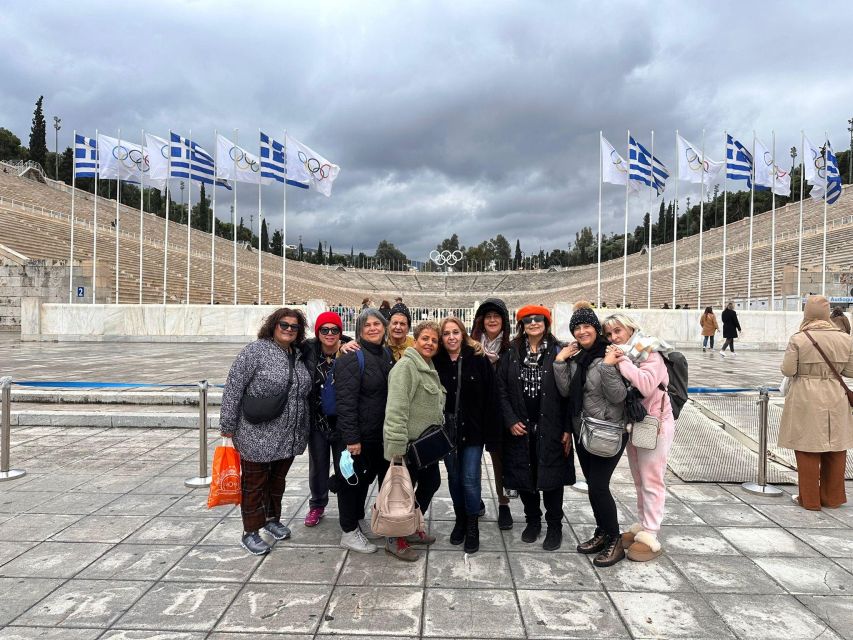
The Panathenaic Stadium receives about 15 minutes for a photo stop and sightseeing. The stadium is especially important because it hosted the first Modern Olympic Games, giving the stop a clear link between ancient Greek athletic traditions and the modern Olympic movement.
The tour uses a viewing point rather than an included interior visit. You do not need to buy an admission ticket for the standard experience, though you can choose to enter on your own. This keeps the walk moving and helps hold the price below what a tour with several paid admissions might cost.
I see this as a good approach if you want a broad Athens overview. If the stadium is high on your list, plan another visit or arrive early enough to see the inside separately. Fifteen minutes gives you a look and some context, not a full exploration.
Hadrian’s Arch and the meeting of eras
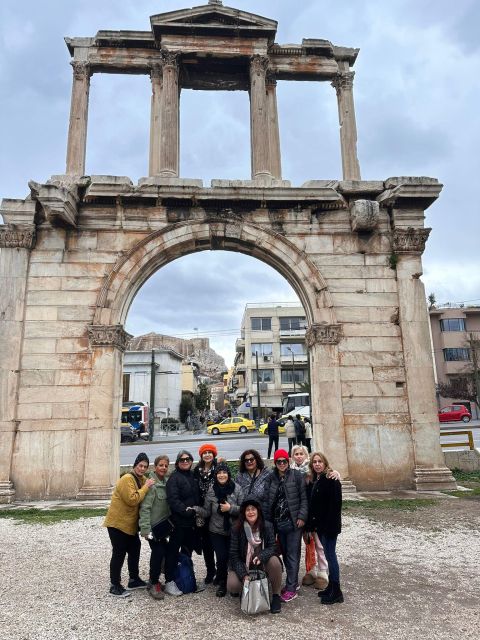
The next stop is Hadrian’s Arch, another short sightseeing and photo stop of about 15 minutes. It is a compact monument, but its position makes it useful for understanding how different periods of Athens sit close together.
The arch marks a connection between the older Greek city and the Roman-era expansion associated with Emperor Hadrian. You do not need a long visit here to appreciate it, and the guide’s role is important because the physical structure alone does not tell you much.
This is a good example of what you are paying for on the tour. The monuments are visible to anyone walking through central Athens. Rafi’s explanation turns them into connected parts of the city rather than random photo stops.
Wandering through Plaka
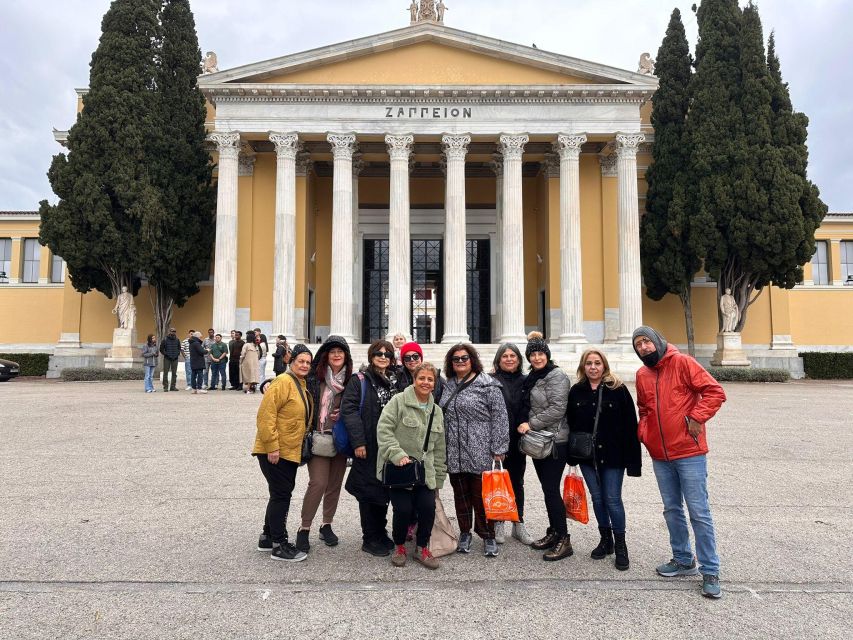
Plaka receives the longest walking segment, around 30 minutes. This is the traditional neighborhood many people picture when they imagine central Athens: narrow streets, older buildings, small shops, and a close view of the city below the Acropolis area.
The route does not promise a long shopping session or a meal here. Instead, you walk through the neighborhood while Rafi explains its character and points out places worth remembering. I like this part because Plaka is more enjoyable when you are not rushing through it with a checklist.
You should also keep your expectations sensible. Thirty minutes is enough to get your bearings, notice streets you may want to revisit, and understand why Plaka remains one of Athens’ most appealing areas. It is not enough to inspect every lane or stop in every shop.
The choice of route makes sense. After the open spaces around Syntagma, the stadium, and Hadrian’s Arch, Plaka brings the walk into a more intimate part of the city. It also places you closer to the ancient center, which comes next.
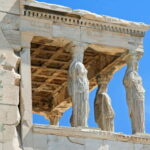
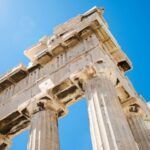


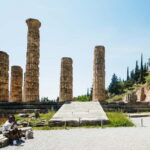
The Ancient and Roman Agoras from their viewing points
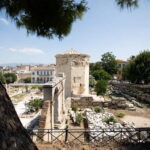
The Ancient Agora and Roman Agora form the historical heart of the final section. The tour allows about 20 minutes for sightseeing and walking around their viewing points.
These sites are central to understanding Athens as more than a collection of temples. They relate to the city’s civic, commercial, and public life across different periods. You will not receive the full experience of walking through the archaeological grounds unless you buy separate tickets, but the outside views still help you see how much ancient Athens remains woven into the modern center.
This is another point where the $56 price needs a close look. If you want a guide to take you inside several archaeological sites, this is not that product. If you want a compact route that shows you where the key sites are and explains their place in the city, the arrangement is more reasonable.
The lack of included entrance tickets can also be an advantage. You are free to decide which sites deserve your own time and money. A first visit can use this walk for orientation, then return to the Agora or stadium later with a better sense of what you are seeing.
Finishing near Monastiraki
The route finishes at Monastiraki Square, a practical end point for a day in central Athens. From here, you are close to more walking routes, food options, and the old commercial center.
The supplied meeting information also says the activity ends back at the meeting point, so check the exact end instructions when you book. The planned route itself names Monastiraki Square as the finish, and that is the location to keep in mind when organizing the rest of your day.
Ending here gives the tour a useful shape. You start in the modern administrative center and finish among the older streets and market life of central Athens. You also avoid being dropped far from the places most people want to explore afterward.
Choosing the food or graffiti option
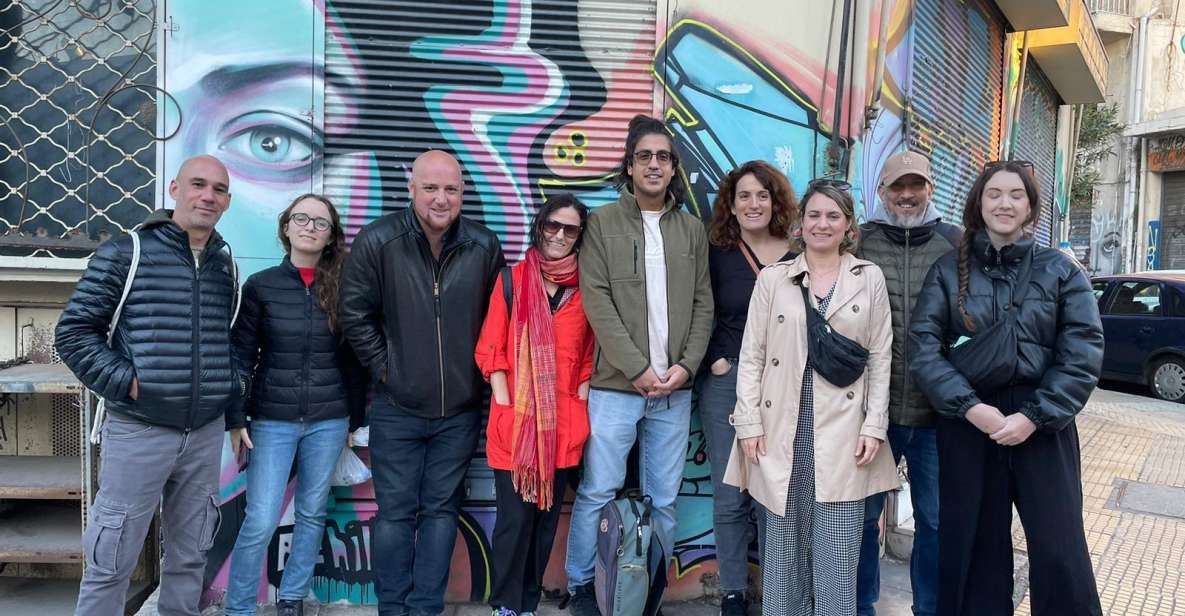
Rafiki Athens offers more than the standard historical walk. You can choose a food tour with several tasty stops or a graffiti tour focused on contemporary Athens street art.
The food option adds a stronger local flavor, but the available information does not provide a fixed menu or a precise number of stops. I would treat it as a flexible food-focused experience rather than a guaranteed list of dishes. The published experience also does not specify whether food is included in the $56 price, so confirm that before booking the food version.
The graffiti option gives you a different view of the city. Athens has a well-known street-art scene, and the tour is designed to show selected works while explaining their meaning and connection to contemporary life. It may suit you better than a monument-heavy walk if you have already visited the main archaeological sites.
One useful detail comes from the food-tour experience with Rafi. The walk included discussion of graffiti, delicious food, and recent Greek history. That suggests the food route may offer more than eating stops, although you should not assume every departure follows the same pattern.
How much value do you get for $56?
At $56 per person, this is a mid-priced three-hour walking tour. The price is easiest to justify if you want a personal guide, a small group, and a carefully connected route through several major areas.
You are paying for:
- Three hours with a live guide
- A group limited to 10 participants
- English or Hebrew guiding
- A route linking seven central Athens locations
- Outdoor context at the stadium and archaeological sites
- The choice of a history, food, or graffiti-focused experience
You are not paying for entry to the Panathenaic Stadium, the Ancient Agora, or the Roman Agora. You also should not assume food is included unless the booking details for that specific option say so.
For a visitor who prefers to walk independently, $56 may feel high. Athens is easy to explore with a map, and several listed sights can be seen from public streets. For someone who wants the city explained in a clear sequence, especially on a first visit, the small group and local guide can make the cost worthwhile.
The strongest value comes from the range of subjects. In three hours, you get modern Athens, a garden, Olympic history, Roman architecture, Plaka, ancient civic life, and Monastiraki. You will not study any one site in great depth, but you will gain a useful framework for the city.
What the small group changes
A maximum of 10 people is one of the better features here. A group this size can usually stay together more easily in Plaka, and you have a better chance of asking Rafi about food, street art, history, or places to return to later.
The guide languages are English and Hebrew. Make sure your selected departure matches the language you want, since the information does not indicate that every time is offered in both languages.
The tour is led by a live guide rather than an audio system. That matters in a city where the best questions often come from what you happen to notice on the street. The food-tour experience in particular suggests that Rafi can connect ordinary city scenes with recent Greek history and street art, not just recite dates about monuments.
Who should book this Athens tour?
I would recommend it to first-time visitors who want a three-hour orientation before exploring Athens on their own. It also suits you if you like history but do not want to spend an entire day inside archaeological sites.
The tour is a good match for:
- People who prefer walking to buses
- Visitors who want a small group
- Anyone interested in both ancient and contemporary Athens
- Food-focused visitors who want local stops
- Street-art fans who prefer a modern city route
- Couples or solo visitors who want a guide without joining a large crowd
It may be less suitable if you want extensive time inside monuments, a dedicated Acropolis tour, or a fully specified food menu. It is also not ideal if walking for three hours is difficult, since comfortable shoes are specifically recommended and there is no transport included.
Canceling up to 24 hours before the start gives you a full refund, and you can reserve now and pay later. Those policies are useful if your Athens schedule is still shifting, but they do not change the basic question of value: you need to want guided context, not just monument access.
Should you book the Rafiki Athens walking tour?
Book it if you want to see the center of Athens as one connected story, with a local guide, a small group, and the freedom to choose between history, food, and graffiti. The main walk is especially useful at the beginning of a stay, when you want to learn the layout and decide where to spend more time.
Skip it if your priority is entering every site or keeping costs as low as possible. The $56 fee does not include admission tickets, and several stops are short outside views.
For many visitors, the best choice is the standard history walk first. It covers Syntagma Square, Plaka, the stadium, Hadrian’s Arch, the agoras, and Monastiraki in a sensible three-hour loop. Choose the food or graffiti version instead if you already know the major monuments and want Rafi’s local take on Athens today.
FAQ
Where does the Rafiki Athens tour begin?
It begins beside the fountain at Syntagma Square in central Athens.
Where does the tour finish?
The planned route finishes at Monastiraki Square. The meeting information also refers to returning to the meeting point, so check the exact end instructions when booking.
How long does the tour last?
The tour lasts three hours. Starting times vary, so check availability for the departure options.
What languages are available?
The live tour guide is available in English and Hebrew.
How large is the group?
The tour is limited to 10 participants.
Does the tour enter the Panathenaic Stadium?
No. The standard tour visits a viewing point outside the stadium. You may choose to pay separately for entry.
Are the Ancient and Roman Agoras included inside the ticket?
No. The tour includes viewing points and walking around the area, but admission to the Ancient and Roman Agoras is not included.
What should I bring?
Bring comfortable shoes for the three-hour walk.
Can I cancel the tour?
Yes. You can cancel up to 24 hours in advance for a full refund. You can also reserve now and pay later.