REVIEW · RETHYMNO
Rethymno: Authentic Cooking Class with a Local
Book on GetYourGuide →Operated by Eco Events · Bookable on GetYourGuide
Cooking under a Cretan wood oven feels personal. This Rethymno class puts you hands-on in a family garden kitchen, learning real dishes from a local while the afternoon unfolds at a relaxed pace. You get time to wander through the vegetable and herb area first, then switch from watching to doing.
What I love most is the way the host team makes the steps clear and doable, so you’re not just eating Cretan food—you’re building it. Second, the setting really supports the experience: you cook outdoors, then enjoy what you made in an idyllic garden atmosphere with drinks and conversation.
One drawback to plan for: there’s no hotel pickup, so you’ll need to get yourself to the meeting spot in Pigi and back on your own.
In This Review
- Key things to know before you go
- Entering the Garden in Pigi: Where the Class Starts
- Aprons On, Oven Hot: How the Cooking Lesson Works
- Cretan Dishes You’ll Learn to Make (and Why They Matter)
- Lunch by the Pool with Raki and Wine: Food as a Story
- Price and Value of a 4-Hour Local Cooking Moment
- Practical Tips for Your Best Afternoon in Rethymno
- Should You Book This Cretan Cooking Class?
- FAQ
- Where does the cooking class start?
- How long is the experience?
- What language is the instructor?
- Is the meal vegetarian-friendly?
- Do I need my own cooking equipment or ingredients?
- Is hotel pickup and drop-off included?
- What drinks are included with lunch?
- Can I cancel for a refund?
Key things to know before you go
- Meet in Pigi, cook in a family garden with vegetable and herb views
- Wood oven cooking for the dishes you prepare
- Hands-on guidance with aprons and step-by-step coaching
- Full lunch outdoors with meat and vegetarian options
- Wine and plenty of raki while you share stories and taste together
Entering the Garden in Pigi: Where the Class Starts
The afternoon begins in the village of Pigi, and right away you’ll notice this isn’t a staged, commercial kitchen setup. The experience takes place in a spacious family garden, with a pool area that helps the whole thing feel like a proper day at someone’s home, not a rushed workshop.
Before you start cooking, you get a little social warm-up: you meet the host, get a feel for the group, and then you can visit the vegetable and herb garden. That short walk matters more than you might think. It gives context for the flavors you’ll be making later, and it sets you up to notice what’s local versus what’s just “Mediterranean” on a menu.
In several sessions, the hosting team has included locals like Maria and Rebecca, and you may also meet other staff members such as Vincent. Even if your exact hosts differ, the tone stays the same: friendly, practical, and focused on getting you confident with the recipes.
You can also read our reviews of more cooking classes in Rethymno

Aprons On, Oven Hot: How the Cooking Lesson Works
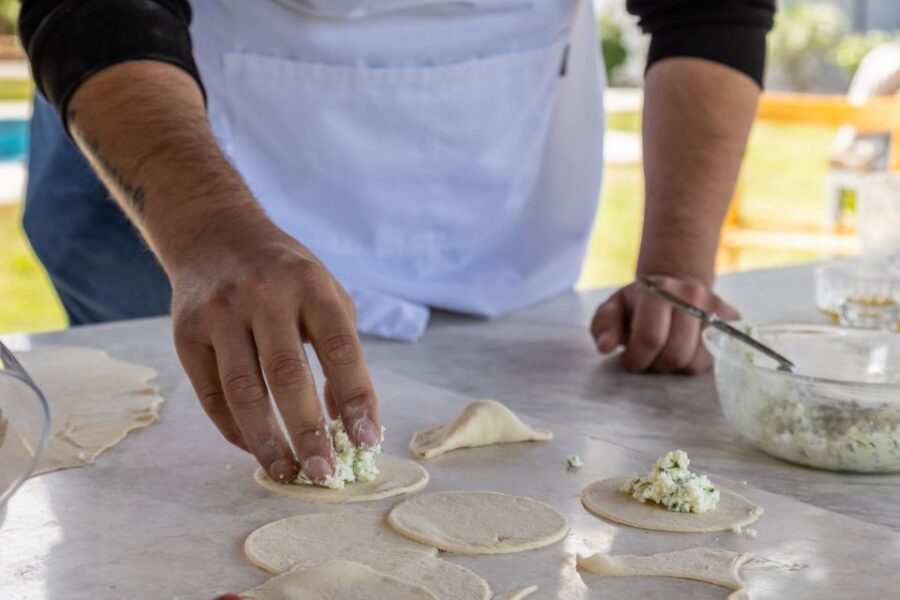
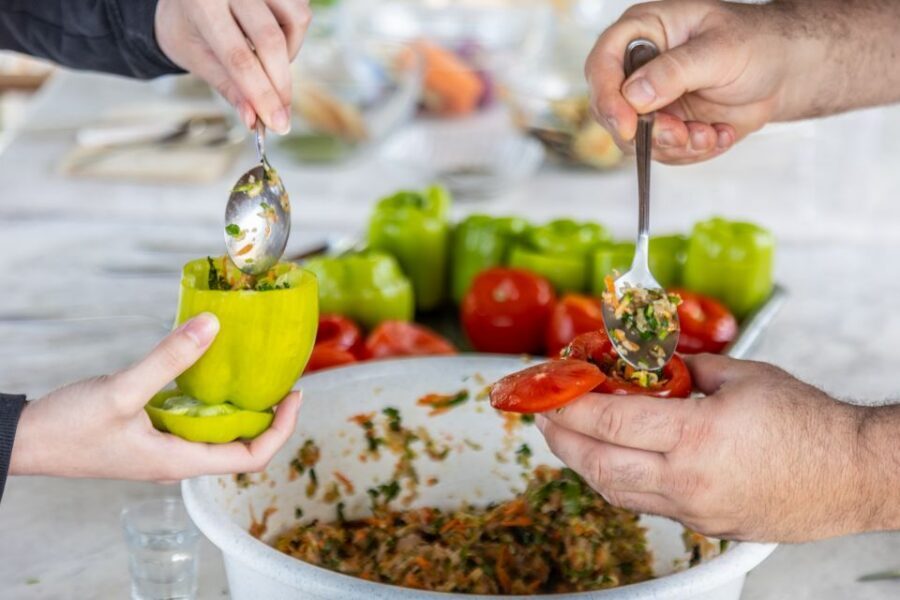
Once you’re ready to work, the host will hand you your apron and guide you through the recipes you’ll learn. This is the part where the class becomes truly hands-on. You’re mixing, assembling, and cooking—not standing on the sidelines while someone else does everything.
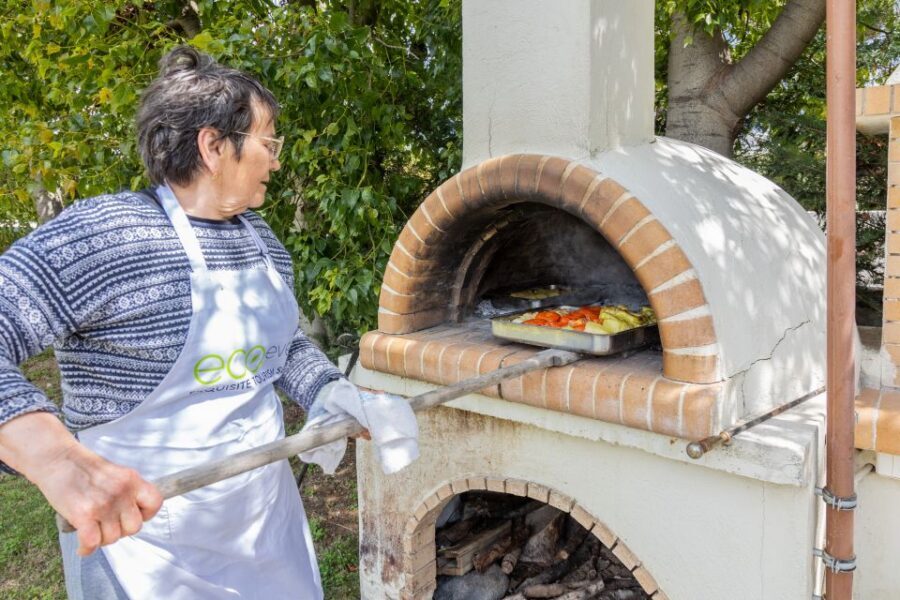
The wood-fired oven is a highlight. It’s hot and ready, and it changes the whole feel of the cooking. With wood heat, timing tends to be a little more “live” than with a modern oven, so you’ll learn by watching the host’s cues and adjusting as you go.
You’ll also get plenty of explanation about ingredients and origins. The goal isn’t just to make food that tastes good right now. It’s to understand why each dish works in Crete—how herbs, dairy, vegetables, and simple techniques turn into meals people actually eat day after day.
Another nice detail: the class format builds momentum. You start with foundational items (like dairy and classic fresh components), then you move into more assembled dishes (like baked or layered options). If you’re cooking in a group, you’ll likely rotate tasks, which keeps energy up without turning it into chaos.
Cretan Dishes You’ll Learn to Make (and Why They Matter)
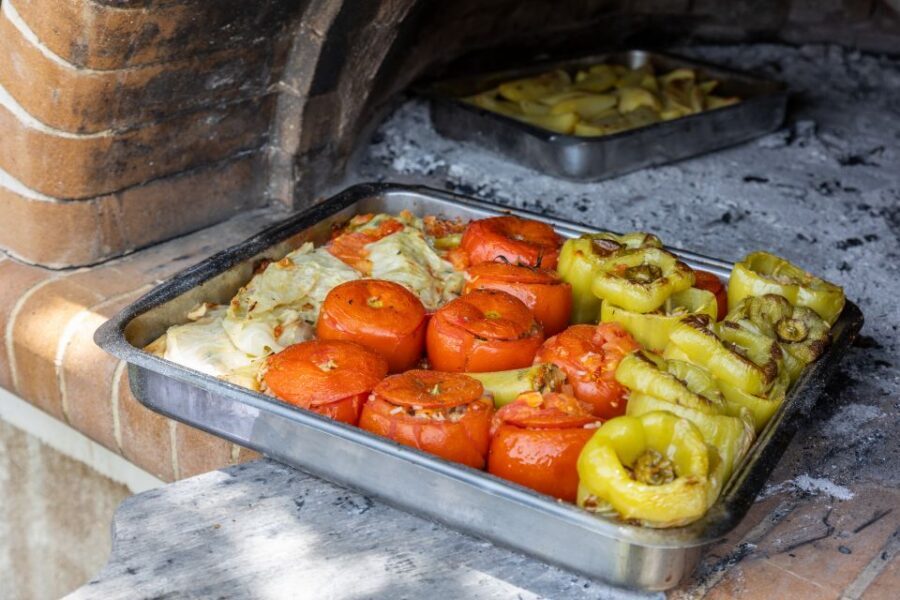
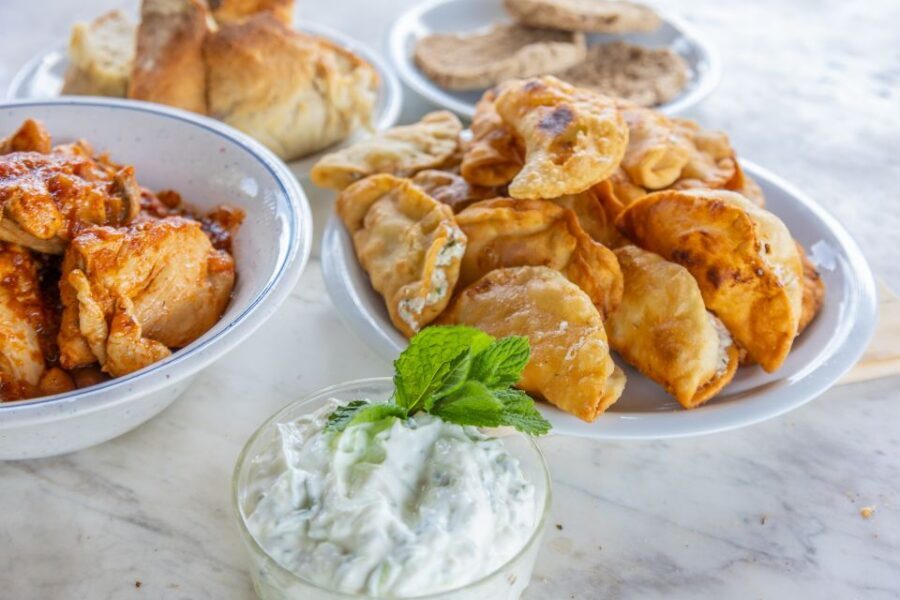
The menu is built around recognizable Cretan classics, and you’ll handle several of them yourself. Some of the specific dishes you can expect include home-made cheese, ntakos, tzatziki, stuffed vegetables, Greek salad, and more. Even if you don’t cook every single dish the same way as your neighbors at the cutting board, you’ll leave with a strong sense of how Cretan flavors come together.
Here’s what each category means for your taste buds:
- Home-made cheese: This is your gateway into the dairy side of Cretan cooking. It helps you understand why local meals often feel fuller and more satisfying than the same dishes made with store-bought substitutes.
- Ntakos: Think of it as a base-and-topping culture. You’ll see how bread, toppings, and seasoning work together so nothing is just “a garnish.” It’s about texture plus flavor.
- Tzatziki: This reinforces the cooling, tangy balance that Mediterranean cooking loves. You’ll also learn how herbs and garlic show up in a way that feels fresh, not harsh.
- Stuffed vegetables: This is where you shift from simple mixing to careful assembly. Stuffed dishes reward patience, and they’re a great reminder that Crete has plenty of vegetarian-friendly comfort meals.
- Greek salad: It may sound basic, but in a cooking class it becomes a lesson in restraint—how you cut, season, and combine so the salad tastes like a real meal, not side dish paperwork.
The “and much more” matters too. Your host will guide you through the set of recipes for that session, so you’ll likely end up with a wider range of techniques than you expect from a single afternoon activity.
And yes, you’ll eat what you make. That’s the whole point: the tasting is built into the schedule, not something you do after the fact.
Lunch by the Pool with Raki and Wine: Food as a Story
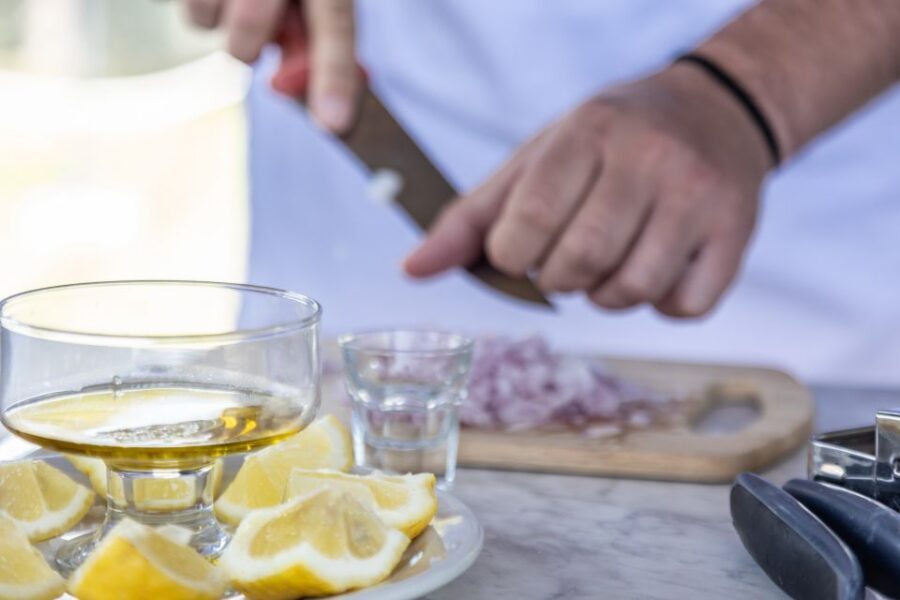
After you’ve cooked, lunch follows in the garden. This is not a quick snack. It’s a full meal, and it’s served outdoors in the same idyllic setting you were cooking in.
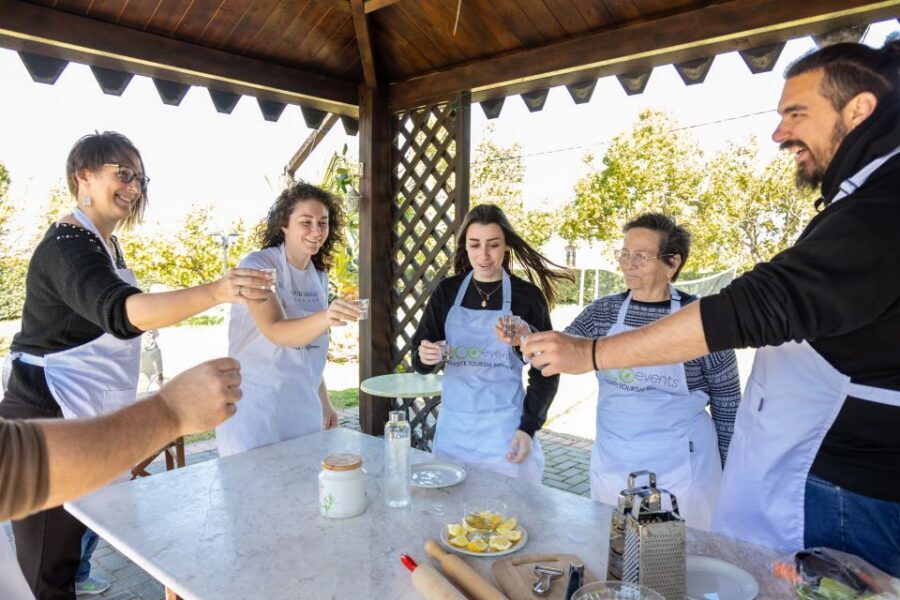
Drinks are a major part of the rhythm. You’ll have a glass of raki and Cretan wine along the way, and the class is explicitly described as including lots of raki, wine, and laughter. Translation: expect a social table, with a relaxed pace that lets the meal turn into conversation.
You’ll also have time to hear stories about Crete from your hosts. That part is hard to measure on a brochure, but it’s usually the difference between eating a dish and understanding what makes it feel local. Food in Crete is tied to family habits, seasonal produce, and everyday traditions—and the hosts tend to connect those dots as you eat.
Meal planning is also thoughtful. There are meat and vegetarian options, and the meal has vegetarian choices. So if you eat vegetarian most of the time, you should be able to enjoy lunch without feeling like you’re just picking at a plate.
Price and Value of a 4-Hour Local Cooking Moment
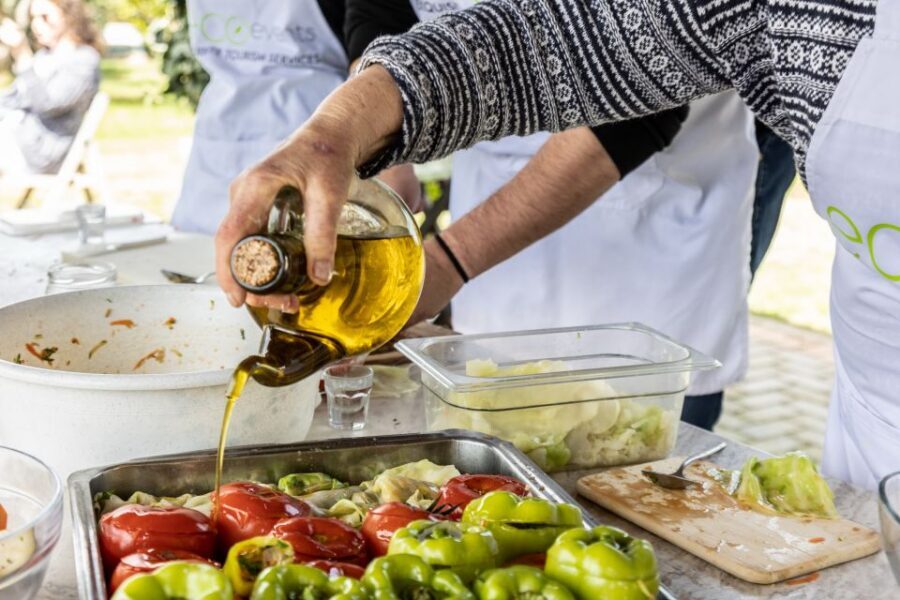
At $123 per person for about four hours, you’re paying for three things at once: real instruction, real ingredients and equipment, and real hospitality in a real home setting.
Let’s break down the value in plain terms:
- You’re learning multiple dishes. Many experiences only teach one item. Here you cook several classics (with cheeses, fresh components, and baked or assembled dishes), so the time feels justified.
- The food includes lunch with drinks. The “cooking class” part and the “meal” part are connected. You’re not just paying to watch yourself plate something—you’re getting a full outdoor lunch with wine and raki.
- You get local context. The host explains products and origins, which is hard to replicate at home. Even if you don’t cook exactly the same way later, you’ll understand the logic behind the flavors.
Is it the cheapest way to spend an afternoon? No. But you are paying for the kind of experience where the setting, the host, and the meal are part of the same package. That usually means better memories than a tour where most of your time is spent traveling between stops.
One extra note: hotel pickup and drop-off aren’t included, and that matters for value if you’re relying on taxis or arranged transport. Plan for getting to Pigi yourself.
A few more Rethymno tours and experiences worth a look

Practical Tips for Your Best Afternoon in Rethymno
This is a short, hands-on day, so a few practical choices will make it smoother.
- Wear closed-toe shoes. You’ll be in a garden setting near cooking stations, and wood heat means you may want stable footing.
- Be ready to get involved. The class is designed for you to work. If you’re comfortable chopping, mixing, assembling, and tasting along the way, you’ll feel right at home.
- Plan for outdoor time. Even if the cooking is intense, you’ll also be outside during the meal. Dress for the weather and consider a light layer if it cools down.
- Budget your transport to Pigi. Since pickup isn’t included, arrive on time with a simple plan. If you’re staying outside the area, give yourself extra buffer.
- Bring questions. The hosts answer questions about ingredients and origins, and the raki-and-wine setting tends to make people chatty in a good way.
If you’re traveling with kids, this kind of class can work well because it’s interactive. One of the nicest signals from past experiences is that the activity can keep children actively engaged, not stuck watching.
For language: the instructor speaks English and French. If you speak either, you’ll be able to follow the explanations easily.
Should You Book This Cretan Cooking Class?
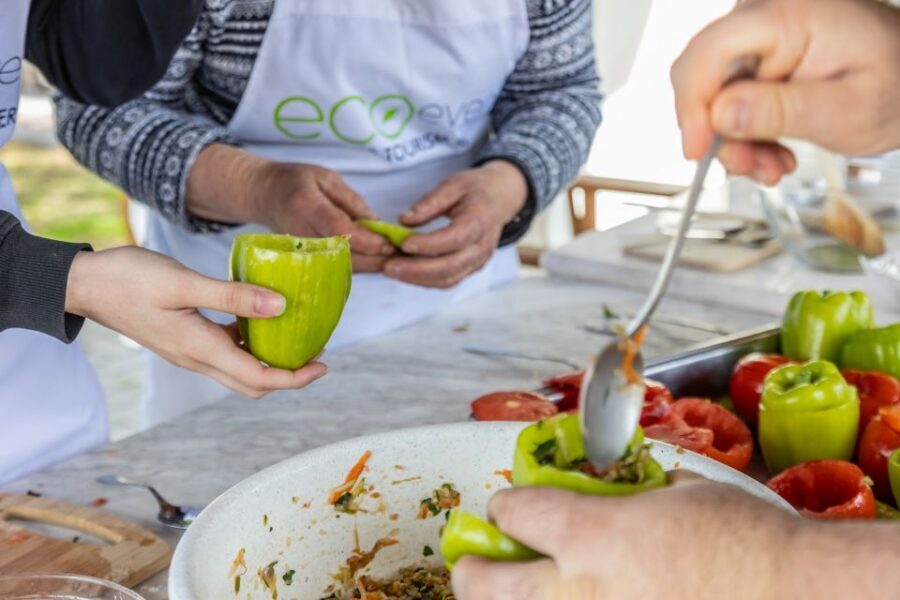
If you want a true Rethymno food experience that feels like a local day in the garden, this one makes a strong case. You’ll get practical cooking help, multiple Cretan dishes (including items like ntakos, tzatziki, stuffed vegetables, and Greek salad), and then you’ll eat everything you made outdoors with raki and Cretan wine.
I’d skip it only if you’re hoping for a passive, sit-and-watch tour. This is built for participation. Also factor in the lack of hotel pickup, because getting yourself to Pigi is part of the trade-off for the more personal home-garden setting.
FAQ
Where does the cooking class start?
You meet at the village of Pigi.
How long is the experience?
It lasts about 4 hours.
What language is the instructor?
The instructor speaks English and French.
Is the meal vegetarian-friendly?
Yes. The meal includes vegetarian options.
Do I need my own cooking equipment or ingredients?
No. All cooking equipment and ingredients needed for the class are included.
Is hotel pickup and drop-off included?
No. Hotel pickup and drop-off are not included and may cost extra.
What drinks are included with lunch?
You’ll have Cretan wine and raki with the full meal.
Can I cancel for a refund?
Yes. You can cancel up to 24 hours in advance for a full refund.