REVIEW · RETHYMNO
Rethymno:Private Tour to Arkadi-Margarites and Melidoni
Book on GetYourGuide →Operated by Your Cretan Local · Bookable on GetYourGuide
Arkadi Monastery, village pottery, Cretan honey, olive oil, and a cave make this a smart way to see the island beyond the coast. The day moves through several parts of Crete’s culture, from the handmade ceramic work of Margarites to the solemn story of Arkadi and the natural chambers of Melidoni Cave.
I like the private format, which lets your group travel at its own pace, and I like the hands-on pottery stop, where you may watch a local artist work and make a ceramic piece yourself. The main consideration is the six-hour schedule: with five major stops, time at each one is focused rather than leisurely, and admission tickets and lunch cost extra.
In This Review
- Key points to know
- A six-hour route through Crete’s inland traditions
- Arkadi Monastery and the story behind the stone walls
- Margarites pottery, with a chance to work at the wheel
- Honey Museum and the taste of Cretan sweetness
- Olive oil production and a practical tasting
- Melidoni Cave, a striking final stop underground
- Why the private format matters
- Food, snacks, tickets, and the small practical details
- Who should choose this Rethymno excursion?
- Should you book this tour?
- FAQ
- Where does the tour begin and end?
- How long does the tour last?
- How many people can join the private group?
- What languages are available?
- Is hotel pickup included?
- Is lunch included?
- Are drinks and alcohol included?
- Are entrance tickets included?
- Can I make pottery during the tour?
- Can I cancel for a full refund?
- Can I reserve the tour without paying immediately?
Key points to know
- Arkadi Monastery adds serious historical weight to a day otherwise centered on food, crafts, and village life.
- Margarites is the hands-on stop, with a pottery-wheel demonstration and the chance to create a ceramic item.
- The Honey Museum explains local beekeeping before you taste Cretan honey and related products.
- The olive oil factory turns a familiar food into a working process, followed by a taste of local oil.
- Melidoni Cave finishes the outing underground, with stalactites, stalagmites, and a story tied to Crete’s past.
- A private group of up to six shares the $471 price, making the cost easier to justify when the vehicle is full.
A six-hour route through Crete’s inland traditions
This tour is designed for you to see several sides of Crete in one outing. You leave your accommodation in Rethymno by private vehicle, travel through the countryside, and return to the same area at the end of the day.
The route links places that make sense together. Arkadi gives you the island’s religious and political past. Margarites introduces one of its best-known craft traditions. Honey and olive oil bring you into everyday food culture, while Melidoni adds a natural and historical finish.
That variety is the main reason to choose this trip. You are not spending six hours at one major sight, and you are not simply driving from one photo stop to the next. Each visit offers a different way to understand Crete.
The trade-off is pace. The experience lasts six hours, but that time includes driving between the sites, guided visits, tastings, and free time. If you want long café stops or a slow museum visit, this may feel full. If you want a broad introduction to central Crete in one private day, the schedule works well.
You can also read our reviews of more private tours in Rethymno



Arkadi Monastery and the story behind the stone walls
Arkadi Monastery is the emotional center of the route. Its historic importance gives the day more substance than a simple tour of pretty villages and food producers.
The monastery is associated with one of the best-known episodes in Cretan history. Your guide explains the site as you walk through it, helping you understand why Arkadi carries such weight for the island. The setting also gives you a strong change of mood early in the day: after the easy pace of a countryside drive, you arrive at a place shaped by faith, conflict, and memory.
Expect architectural details, religious spaces, and time to take in the atmosphere of the complex. The tour description does not promise a long independent visit, so I would treat this as a guided historical stop rather than a full morning at the monastery.
Entry tickets are not included in the tour price. That is important when you compare the total cost with a self-guided outing. The advertised skip-the-line feature may save time at admission, but you should still budget separately for tickets.
Margarites pottery, with a chance to work at the wheel
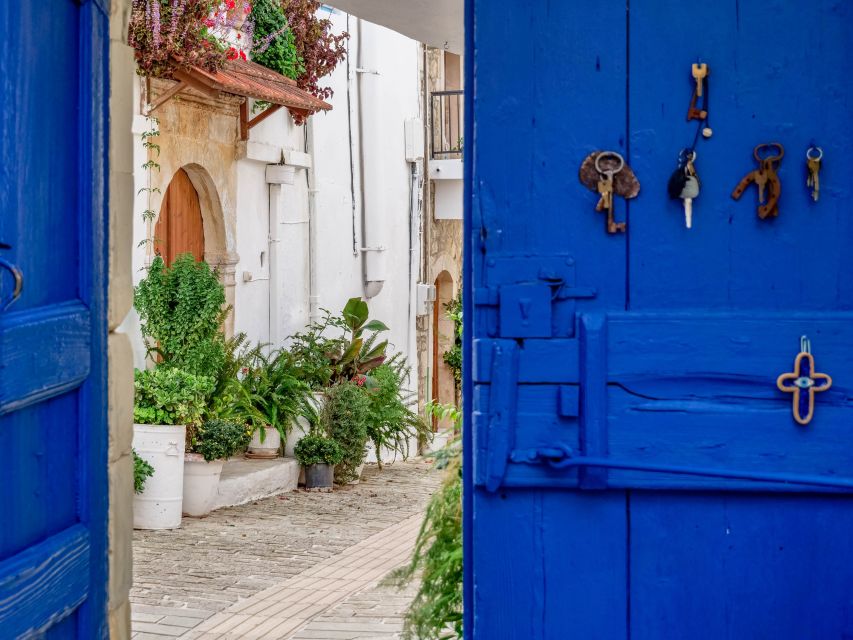
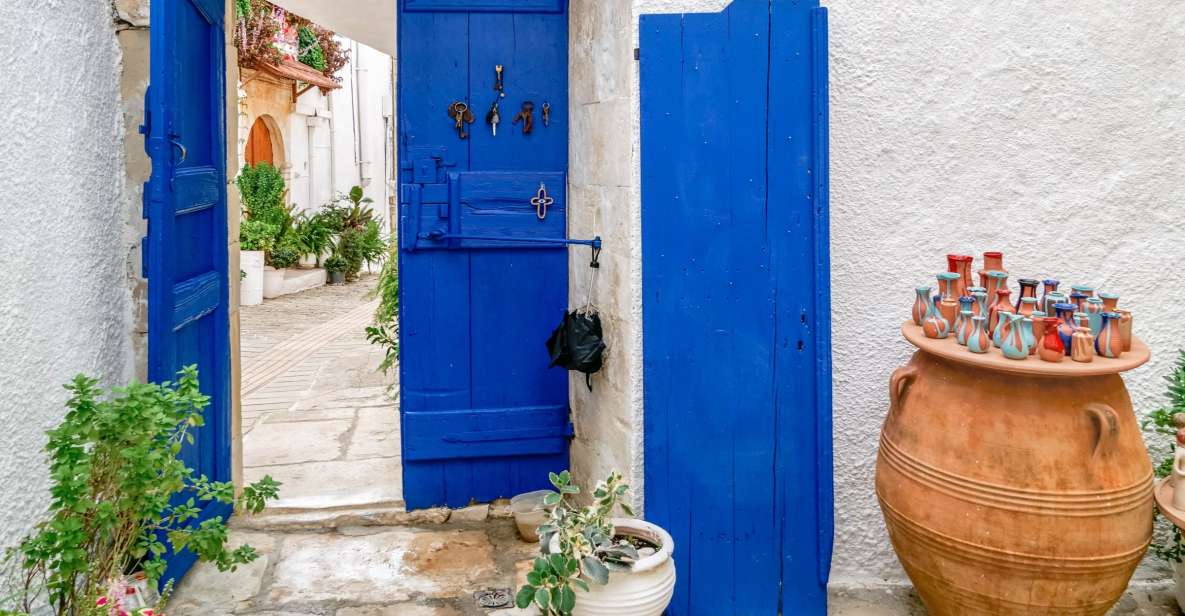
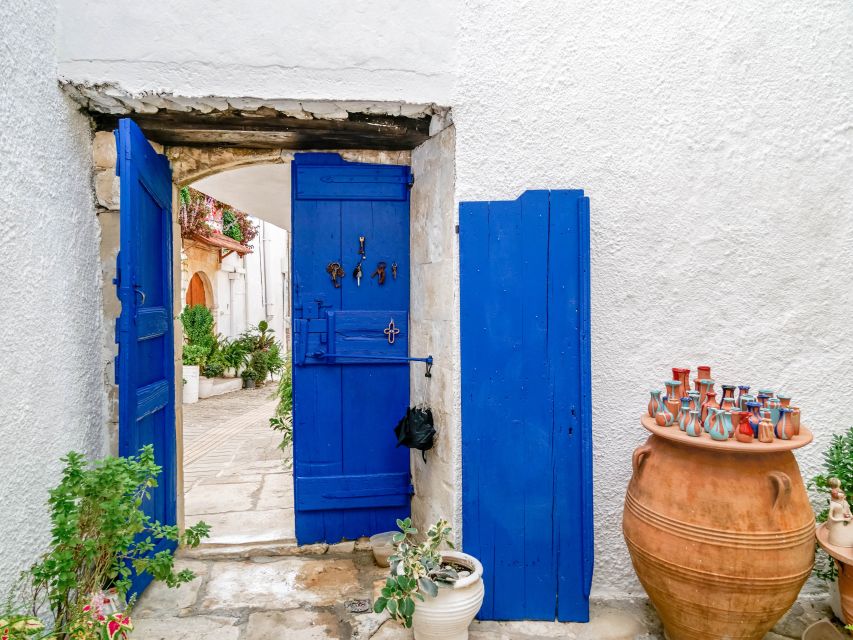
Margarites is the most personal stop on the itinerary. This village is associated with Cretan pottery, and the visit takes you into a ceramic shop where you can see how the work is made.
You may watch a local artist shape clay on a pottery wheel, then see pieces decorated by hand. The process matters here. Instead of looking at finished pots behind glass, you get a sense of the skill involved in forming, drying, and decorating everyday objects.
A particularly appealing part is the chance to produce a ceramic artifact with your own hands. The available information says you can take the piece home, though the tour details do not explain whether it is fired or how it is packaged. Ask your guide about that practical point before you begin.
This is a good stop for families, couples, and anyone who likes a small hands-on activity. It also gives you a direct connection to the village rather than treating Margarites as a quick roadside picture stop.
You get free time in Margarites or Melidoni, depending on how the day is arranged. In Margarites, that could mean browsing pottery or stopping for a local snack. Because the tour includes Cretan and Greek snacks, you may not need a full meal immediately, but lunch is not included, so plan accordingly.
Honey Museum and the taste of Cretan sweetness
The Honey Museum offers a guided look at bees, honey, and the way this food fits into Cretan life. The tour focuses on the secrets of local honey and gives you a chance to taste it.
This stop works best if you want context, not just a sample spoon. A guided visit can explain what you are seeing inside the museum and connect the product to local farming and food traditions. The tour also gives you a break from the road and from the more solemn subject matter at Arkadi.
The information provided does not specify the exact honey products or the length of the museum visit. You should expect an introduction to honey and bees, followed by tasting, rather than a large museum complex.
I like the balance here. Honey is easy to buy in any Greek shop, but seeing how it is presented in its local setting makes the purchase more meaningful. If you enjoy food stops, this is one of the stronger parts of the day.
Olive oil production and a practical tasting
The olive oil factory adds another essential Cretan food to the route. You tour the facilities, learn how the oil is produced, and taste pure local olive oil afterward.
The factory setting helps you understand that olive oil is not just a bottle on a restaurant table. You see the production side, then use your own senses during the tasting. The guide can point out what to notice, although the supplied details do not promise a formal tasting lesson or a specific number of oils.
This visit is useful for anyone thinking about taking olive oil home. You can taste before buying, compare the local product with what you already use, and ask questions while you are there. Since the tour does not include drinks or alcohol, the olive oil tasting is the main beverage-related food experience listed.
The stop also keeps the day rooted in ordinary Cretan life. The monastery and cave tell dramatic stories. Honey and olive oil show the island through work, agriculture, and food.



Melidoni Cave, a striking final stop underground
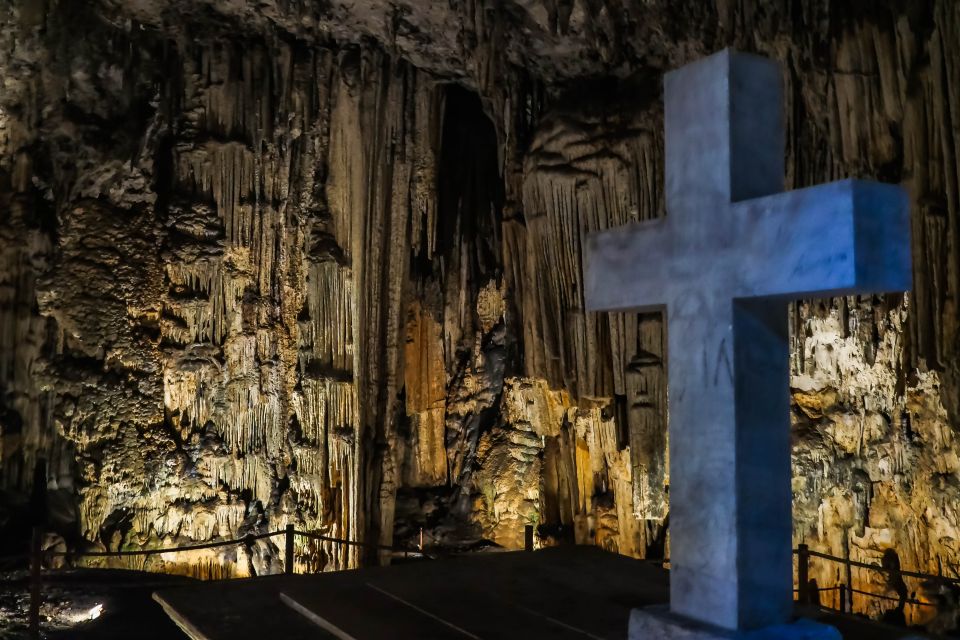
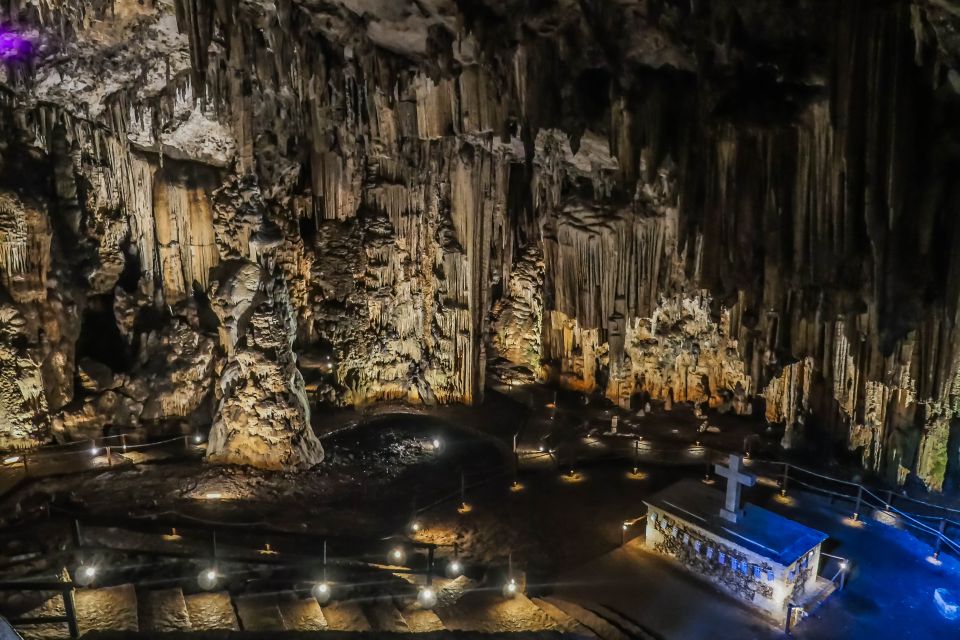
Melidoni Cave changes the setting completely. After village workshops and tastings, you descend into subterranean chambers filled with stalactites and stalagmites.
The cave is a natural attraction, but it also has a serious historical story. Your guide explains its past as you move through the chambers, so this is not only a geology stop. The rock formations provide the visual appeal, while the history gives the visit its emotional force.
You should be ready for an underground visit rather than a casual walk around an open-air site. The information supplied does not state the exact number of steps, floor conditions, or accessibility details, so ask before booking if those points matter to you.
Free time may be offered in Melidoni instead of Margarites. That gives you some flexibility, but it also means you should confirm the plan with your guide at the start. If you prefer village cafés and crafts, Margarites may suit you better. If the cave is your priority, save your free time for Melidoni.
Melidoni is a strong ending because it leaves you with something different from the rest of the route. You finish among rock formations and a powerful Cretan story, not simply at another shop or tasting room.
Why the private format matters
The price is $471 per group of up to six people. At full capacity, that works out to $78.50 per person before admission tickets and any lunch or drinks. For two people, the per-person price is much higher, so the value depends heavily on group size.
You are paying for private transportation from your Rethymno accommodation, a driver and escort, a private group setting, and a route that would take planning to arrange independently. You also receive the pottery shop visit, Honey Museum tour, olive oil factory visit, cave entry service, snacks, water, and a first-aid kit.
A full group gets the best financial value. A couple may still find the price worthwhile if convenience, personal attention, and hotel pickup matter more than the lowest possible cost.
The private setup also helps with the tour’s varied stops. You can ask questions about pottery, honey, monastery history, or the cave without competing with a large group. The named guide Angelina received especially warm praise for presenting Cretan culture with passion, care, and professionalism. She is not guaranteed for every departure, but her role gives you an idea of the personal style this operator aims for.
Food, snacks, tickets, and the small practical details
Hotel pickup and drop-off are included from your accommodation in Rethymno. You should wait in the hotel lobby five minutes before the scheduled pickup time.
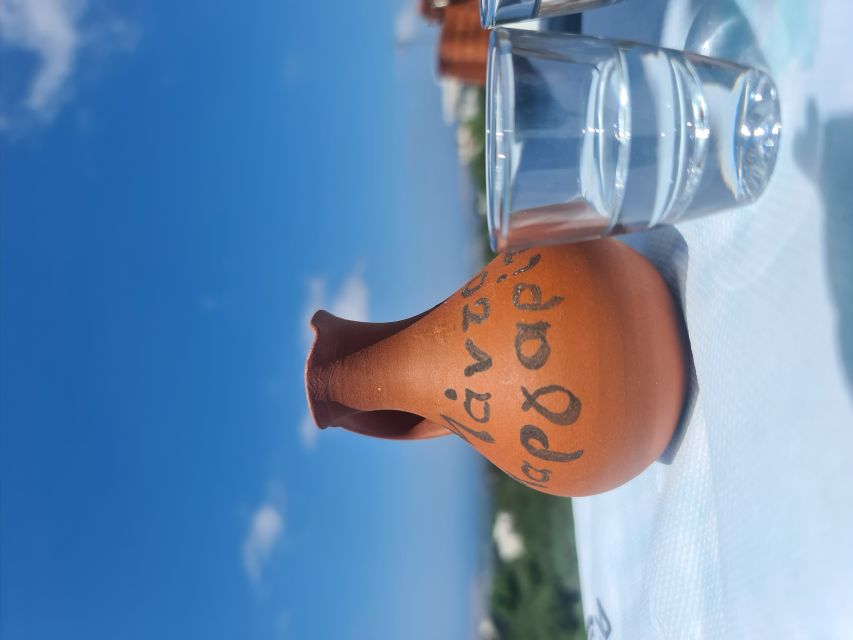
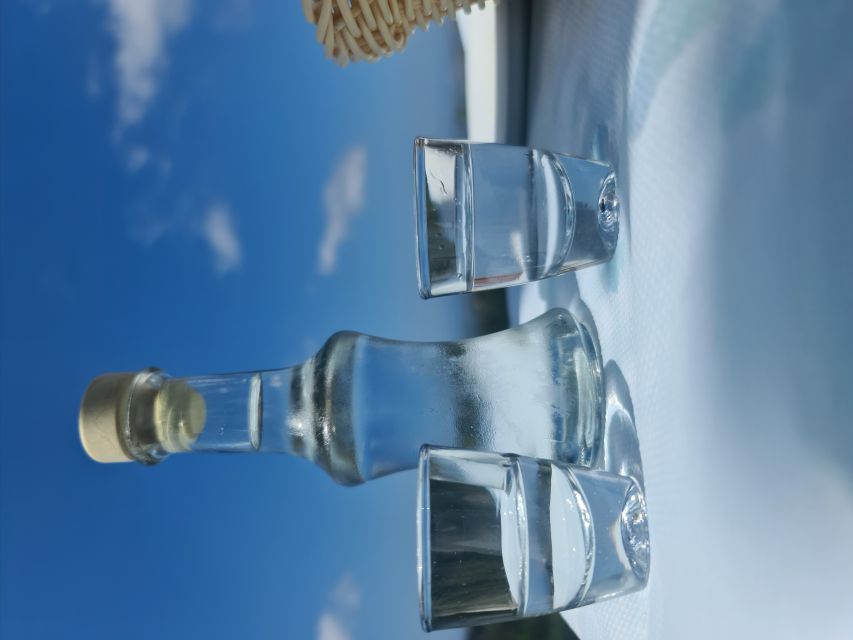
Cretan and Greek snacks plus bottled water are included. Lunch is not, and neither are drinks or alcohol. Since the tour covers six hours and moves between several stops, eat before pickup or ask how the free time will be handled so you can plan for a meal.
Admission tickets are also extra. That can affect the final price, particularly if you are traveling with a full group. The tour offers skip-the-ticket-line access, but that does not mean the entrance fee is covered.
The host or greeter speaks English or German. If you need another language, this experience is not presented as a multilingual option.
Free cancellation is available up to 24 hours before departure for a full refund. You can also reserve now and pay later, which helps if your Rethymno plans are still shifting.
Who should choose this Rethymno excursion?
I would choose this tour if you want one well-organized day that combines culture, craft, food, and nature. It suits you especially well if you are staying in Rethymno without a rental car, or if you prefer not to manage inland roads and separate admission arrangements.
Families may like the pottery activity and cave. Couples may appreciate the private vehicle and the chance to shape the pace around their interests. Food-minded visitors get honey and olive oil tastings, while history fans have Arkadi and Melidoni to anchor the day.
You may want another kind of outing if your main goal is a long beach day, extensive shopping, or a slow visit to one site. The route has several stops, so the experience is broad rather than unhurried.
The strongest praise connected with this experience centers on the guide’s personal approach and the feeling of seeing Crete beyond its beaches. That is exactly where the tour earns its keep. It gives you stories, working crafts, local flavors, and a small piece of Cretan culture to carry home.
Should you book this tour?
Book it if you want an efficient private introduction to inland Crete and your group has enough people to share the $471 price. The pottery activity, honey and olive oil tastings, and Melidoni Cave make the day varied, while Arkadi Monastery supplies the historical depth.
Think twice if you dislike a full schedule or want every cost included. Tickets and lunch are extra, free time is limited, and the guide may need to keep the group moving.
For a group of four to six, this is a strong value. For two people, it becomes a more expensive choice, but the private pickup, personal guide, and wide mix of experiences can still justify it if convenience is your priority.
FAQ
Where does the tour begin and end?
Pickup and drop-off are included at your accommodation in Rethymno.
How long does the tour last?
The tour lasts six hours.
How many people can join the private group?
The price covers a private group of up to six people.
What languages are available?
The host or greeter is available in English or German.
Is hotel pickup included?
Yes. You should wait in your hotel lobby five minutes before the scheduled pickup time.
Is lunch included?
No. Lunch is not included, although Cretan and Greek snacks are provided.
Are drinks and alcohol included?
No. Drinks and alcohol are not included. Bottled water is provided.
Are entrance tickets included?
No. Tickets are not included in the tour price.
Can I make pottery during the tour?
The pottery visit includes a chance to watch ceramic work on a wheel and create a ceramic artifact yourself. The available details say you can take the artifact home.
Can I cancel for a full refund?
Yes. You can cancel up to 24 hours in advance for a full refund.
Can I reserve the tour without paying immediately?
Yes. The reserve-now, pay-later option lets you book without paying at the time of reservation.