REVIEW · ATHENS
2 Days Private Tour: Mycenae – Epidaurus – Corinth & Ancient Olympia
Book on Viator →Operated by Olive Sea Travel · Bookable on Viator
The best thing about this private Peloponnese tour is the sweep of it. In two days, you move from the legendary citadel of Mycenae to the perfect theater at Epidaurus, then on to the birthplace of the Olympic Games and the Roman-era world of Corinth.
I like the freedom of a private vehicle and the choice of accommodation. I also like the mix of famous ruins and living Greek places, especially lunch in seaside Nafplio and the overnight stay near Olympia. The main drawback is the pace: this is a lot of ancient Greece in two long days, and entrance fees plus a licensed guide cost extra.
In This Review
- Key points to know before booking
- Why this route works for history lovers
- Day one begins at the Corinth Canal
- Mycenae and the world of Agamemnon
- Epidaurus puts Greek theater to the test
- Nafplio brings the tour into modern Greek life
- Overnight in Olympia
- Walking through the birthplace of the Olympic Games
- Two Olympia museums, two different stories
- Ancient Corinth and the Temple of Apollo
- What the private format really adds
- Is $713.81 per person good value?
- Who should book this two-day tour?
- FAQ
- How long is the tour?
- Where does pickup take place?
- Is the tour private?
- Is accommodation included?
- Are entrance fees included?
- Can I hire a licensed guide?
- Can the driver guide me inside the sites?
- What language is offered?
- Is transportation included?
- Can I cancel for a full refund?
- Should you book it?
Key points to know before booking
- Six major ancient sites in two days: Mycenae, Epidaurus, Olympia, Ancient Corinth, the Temple of Apollo, and the Acrocorinth area.
- Private transport from Athens: Your group gets hotel, Airbnb, or port pickup and travels by private vehicle with bottled water.
- A driver, not an on-site guide: Drivers provide historical background but cannot accompany you inside museums or archaeological sites.
- A useful overnight stop: Staying in Olympia breaks up the journey and gives you time for both Olympia museums.
- Flexible lodging choices: You can select 3-star or 4-star accommodation, or arrange your own lodging.
- A demanding schedule: The tour suits people who want coverage and convenience more than slow, unhurried sightseeing.
Why this route works for history lovers
The Peloponnese rewards a focused trip. Ancient Greece is not one single story here. At Mycenae, you meet the Bronze Age world associated with Agamemnon. At Epidaurus, you see Greek ideas about healing and theater. Olympia connects sport, religion, and civic pride. Corinth adds trade, politics, early Christianity, and Roman influence.
Doing this by private car saves you from arranging several bus connections or renting a car for unfamiliar roads. Your pickup time can be adjusted, and only your own group takes part. That matters when you want to linger at a view, shorten a stop, or make the day work around your hotel.
The trade-off is that the route covers serious distance. The exact duration depends on traffic and the time of day, so you should not treat the listed stop times as a guarantee. You will get a strong overview, but you will need to keep moving.
You can also read our reviews of more private tours in Athens


Day one begins at the Corinth Canal
The drive from Athens heads along the coast, with views toward seaside villages and Salamis. The island is tied to the famous naval battle between the Athenians and Persians, an event that helped shape the course of classical Greek history.
The first stop is the Corinth Canal, completed in 1892. It cuts through the narrow Isthmus of Corinth and separates the Peloponnese from mainland Greece while linking the Saronic Gulf with the Corinthian Gulf. From the pedestrian bridge, you can look straight down into the canal and see how sharply the rock walls drop.
The stop is brief, about 15 minutes, so think of it as a striking photo break rather than a full visit. Bungee jumping may be available on some days, but it is an optional extra for the truly game. No admission ticket is included or required for the basic canal stop.
Mycenae and the world of Agamemnon
Mycenae is the first major archaeological visit, and it gives the day its ancient dramatic edge. The citadel dates from the second millennium BCE and gave its name to the Mycenaean period, the Bronze Age culture connected in legend with Achilles, Agamemnon, and Helen of Troy.
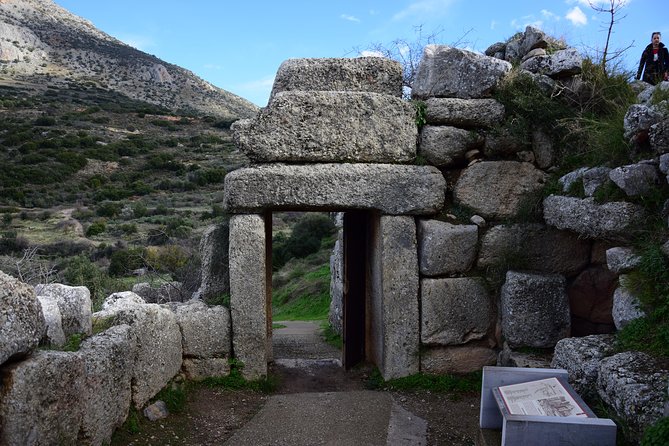
You will walk among the Cyclopean walls, built from huge stones that later Greeks believed only the Cyclopes could have moved. The burial circle known as Circle A and the remains of the palace help show how power was organized inside the citadel.
The famous Lion Gate is close to the entrance. Its two stone lions, arranged above the gateway, form one of Europe’s oldest monumental architectural sculptures. The stop at the gate is listed at about 10 minutes, but you will see it as part of your broader visit to Mycenae.
The site museum adds useful detail. Its displays include finds from the ancient city, sometimes linked with the old description of Mycenae as the City of Gold. Allow about 30 minutes here. It is not a large museum by modern city standards, but it gives the objects a proper setting after you have seen the walls and tombs.
Before leaving, you stop at the Treasury of Atreus, also called the Tomb of Agamemnon. This tholos tomb has a tall, beehive-shaped interior and is one of the finest surviving examples of Mycenaean construction. The visit takes about 20 minutes.
My practical advice is to wear shoes that handle uneven ground. Mycenae is not a flat museum visit. The stones, slopes, and open exposure make the site more tiring in hot weather, even though the scheduled time is only about an hour for the main archaeological area.
Entrance to Mycenae, its museum, and the Treasury of Atreus is not included in the tour price. Keep that in your budget.
Epidaurus puts Greek theater to the test
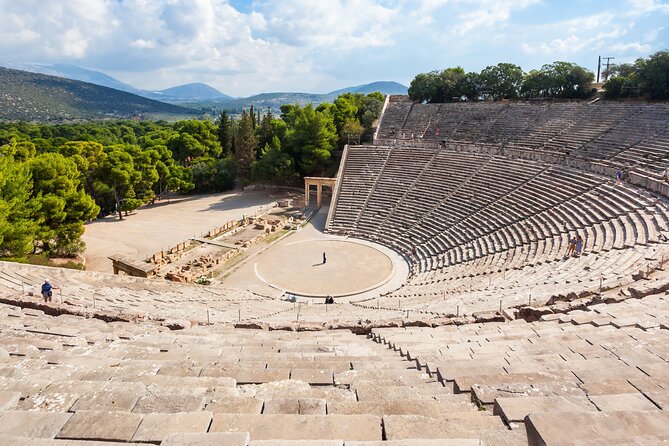
The route continues to the Sanctuary of Asklepios at Epidaurus. Asklepios was the Greek god of healing and medicine, and the sanctuary was an important center connected with ancient health practices.
The setting is quieter than Mycenae, with the remains spread across a hilly area. The site’s best-known structure is the Theater of Epidaurus, built in the fourth century BCE and famous for its preservation and acoustics.
You can test the acoustics from the lower part of the theater while someone else stands higher up. The layout lets you understand why the theater still feels astonishing without relying on modern sound equipment. Climbing toward the upper seats gives you the full bowl-shaped view, but the steps require care.
The stop at the sanctuary is listed at about 30 minutes, followed by about 30 minutes at the theater. That is enough to see the main features and try the acoustics, but not enough for a detailed study of every building. A licensed guide can make this portion far more meaningful, especially if you want to understand the medical side of the sanctuary rather than only the theater.
Again, admission is extra. The driver can explain the background and help you reach the site, but drivers are not licensed to accompany you inside the archaeological areas or museums.
Nafplio brings the tour into modern Greek life

After the ruins, Nafplio provides a welcome change of scale. This former capital of Greece, until 1834, combines a large harbor with old streets and buildings influenced by Venetian, neoclassical, and eastern architectural styles.
The city is often treated as one of the most scenic in Greece, and the planned two-hour stop gives you time to break for lunch at a traditional seaside tavern. That meal is not listed as included, so plan to pay separately. The combination of food, water, and a port view helps reset you after several archaeological sites.
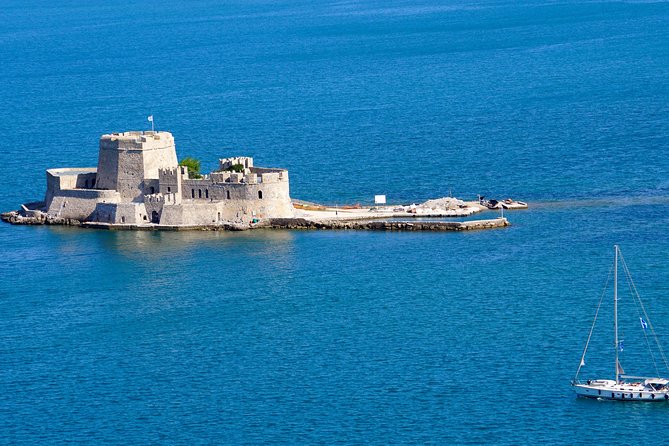
You also drive up to Acronafplia for a panoramic view over Nafplio. The city’s fortifications include Palamidi and Bourtzi, and the high viewpoint helps you understand how the harbor and defenses fit together.
Nafplio is one of the strongest parts of the route because it is not only a stop between ruins. You get a sense of Greece as a lived-in country, with a working port, restaurants, and a more recent past. Still, two hours is not enough for an extended visit to every fortress or museum. If Nafplio is your main interest, a separate overnight stay would allow a slower look.
A few more Athens tours and experiences worth a look




Overnight in Olympia
After Nafplio, the route continues to Olympia for the overnight stay. The drive is listed at about two hours, though actual timing depends on traffic and road conditions.
Accommodation and breakfast are arranged according to the option you book. The choices include 3-star or 4-star lodging, or you can make your own arrangements. Read the price details carefully, since the included and not-included sections both refer to accommodation and breakfast. The practical point is simple: confirm exactly which lodging category and meal plan your quoted price covers before paying.
Sleeping near Olympia makes sense. It avoids trying to see the archaeological site, its museums, and Corinth all in one exhausting return from Athens. The overnight also gives you a clearer start on day two.
Walking through the birthplace of the Olympic Games
Olympia is one of the largest and most important stops on the trip. This was the sanctuary of Olympian Zeus and the birthplace of the ancient Olympic Games, which were held every four years in honor of the god.
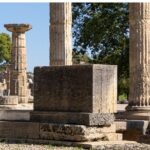
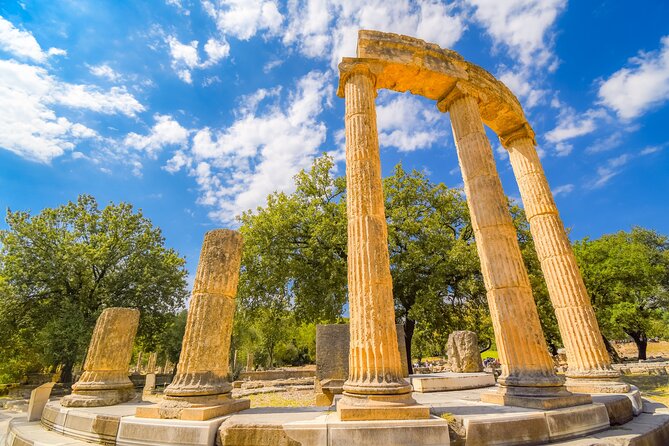
The archaeological area includes the Gymnasium, the Palaistra, the workshop associated with Phidias, and the Temple of Zeus. You finish at the stadium, where ancient athletes competed for the honor of their cities and for personal glory.
The site works best if you imagine it as a religious and civic center, not simply an old sports field. Athletic contests were tied to worship, identity, and competition between Greek cities. The remains are spread out, so you will walk more here than at a compact museum.
The scheduled archaeological visit is about one hour. That is a sensible introduction, but you may want more time if you care about architecture or ancient sport. Admission is not included.
Two Olympia museums, two different stories
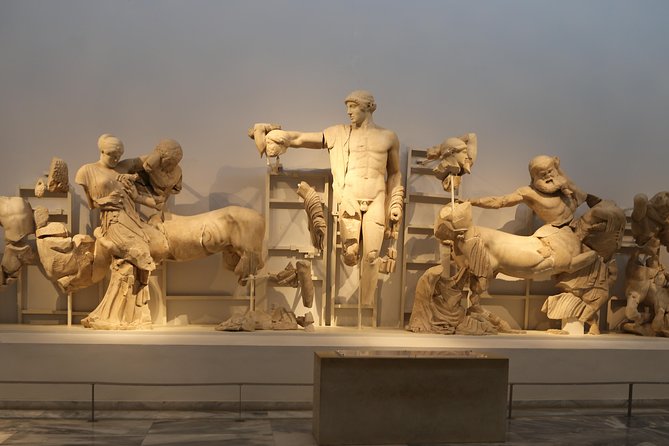
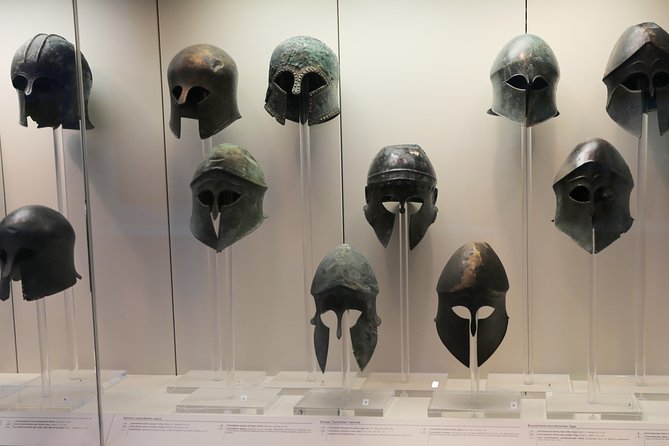
The Archaeological Museum of Olympia is a major part of the morning. Its best-known work is the Hermes of Praxiteles, admired for its proportions and graceful pose. The museum also displays tools associated with the workshop of Phidias, the sculptor linked with the gold and ivory statue of Zeus, one of the ancient world’s celebrated wonders.
The museum visit is planned for about an hour. It gives you the art and objects that make the ruins easier to understand. You can see how much of Olympia’s importance came from sculpture, ritual, and craftsmanship, not only athletic contests.
The Museum of the Olympic Games takes a different approach. It presents 463 ancient works from Olympia and other museums in Greece, covering the period from the second millennium BCE to the fifth century CE. Its exhibits are arranged by theme and supported by visual material, so you get a more direct account of how the ancient games developed and functioned.
This museum stop is listed at about 30 minutes, followed by lunch in the village. If you want a full museum experience, the timetable may feel short. The benefit is that you get both museums rather than choosing between ancient art and the history of the games.
Ancient Corinth and the Temple of Apollo
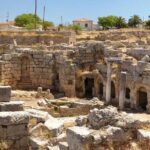
The return journey includes Ancient Corinth, another strong stop for people who want history beyond the usual Athens circuit. Corinth was an important city, and it also has a clear connection with early Christianity because the Apostle Paul preached there, faced judgment by the tribunal in the Agora, and helped establish a Christian church.
The archaeological area takes about an hour. The Temple of Apollo is the star structure. Built around 560 BCE from local limestone, it is one of the earliest Doric temples in the Peloponnese and mainland Greece. Its surviving columns help you picture Corinth before later Roman rebuilding changed much of the city.
You will also make a short stop at Acrocorinth, the hilltop fortress above Ancient Corinth. It is described as the oldest and largest castle in southern Greece, and the stop is mainly for views and photographs. The listed time is about 20 minutes, with no admission charge for this photo stop.
The Temple of Apollo and the archaeological site require an entrance ticket, which is not included. As at Mycenae and Olympia, your driver cannot provide an official guided walk inside.
What the private format really adds
A private tour does not automatically mean a private guide. Here, the driver has strong historical background and focuses on transport, safety, timing, and explanations along the way. You can ask questions in the vehicle, but once you enter a site or museum, you explore independently unless you pay for a licensed guide.
That distinction matters. If you want the stories of Agamemnon, Asklepios, Phidias, and Paul tied closely to the stones in front of you, add a licensed guide. If you mainly want dependable transport and a broad introduction, the driver arrangement may be enough.
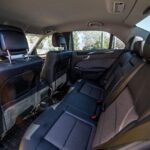
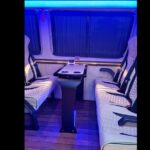
Pickup is available from a hotel, Airbnb, or port in Athens, and the time can be adjusted on request. Bottled water and private vehicle transport are included. The tour is offered in English, and group discounts may be available.
Is $713.81 per person good value?
At $713.81 per person, this is not a budget sightseeing trip. The price can make sense for a small group that values a private car, door-to-door pickup, an overnight stay, breakfast according to the booking, and a route that would be complicated to organize independently.
You should add the entrance fees for Mycenae, Epidaurus, Olympia, both Olympia museums, Ancient Corinth, and the Temple of Apollo. Lunches and any licensed guide are also extra. Since accommodation choices affect the final arrangement, confirm whether your selection includes the promised hotel and breakfast.
The value is strongest when several people share the vehicle and want the comfort of a private schedule. Solo travelers may find the per-person cost harder to justify. The tour is also a good fit if you have only two days and want to cover the Peloponnese’s major ancient highlights from Athens.
A full refund is available if you cancel at least three full days before the start time. Changes or cancellations inside that period are not accepted for a refund.
Who should book this two-day tour?
I would choose this trip if you want a concentrated introduction to Greek archaeology without driving yourself. It suits people interested in mythology, ancient religion, theater, sculpture, the Olympic Games, and early Christianity.
Families and mixed-interest groups may also like the balance. Nafplio gives the day a break from ruins, while private transport removes the need to keep a larger group together on public transportation.
I would think twice if you dislike early starts, long road sections, or fixed sightseeing windows. This is not a slow village holiday. It is a powerful survey of major sites, with plenty of walking and little spare time.
The experience has a perfect five-star rating from two submitted reviews, including praise for the surprising cities and monuments and for the drivers’ attention to safety and a distinctive experience. That positive signal is encouraging, but the sample is small, so I would base your decision mainly on the route, the private format, and the added costs.
FAQ
How long is the tour?
The tour lasts approximately two days. Exact timing depends on traffic and the time of day.
Where does pickup take place?
Pickup is offered from an Athens hotel, Airbnb, or port. The pickup time can be adjusted upon request.
Is the tour private?
Yes. Only your group participates in the private tour or activity.
Is accommodation included?
Accommodation and breakfast are arranged according to the booking option. You can choose 3-star or 4-star lodging, or make your own arrangements. Confirm the exact inclusions before booking.
Are entrance fees included?
No. Entrance fees for the archaeological sites and museums are not included.
Can I hire a licensed guide?
Yes. A licensed tour guide can be requested for an additional cost.
Can the driver guide me inside the sites?
No. The drivers are not licensed to accompany you inside archaeological sites or museums. They can provide historical information during the journey.
What language is offered?
The tour is offered in English.
Is transportation included?
Yes. Private vehicle transport, hotel, Airbnb, or port pickup and drop-off, and bottled water are included.
Can I cancel for a full refund?
You can receive a full refund if you cancel at least three full days before the experience start time. Cancellations and changes made later are not refunded or accepted.
Should you book it?
Book this tour if you want maximum coverage in two days, private transport, and a clear route through the Peloponnese’s major ancient sites. The Corinth Canal, Mycenae, Epidaurus, Nafplio, Olympia, and Corinth offer a remarkable range of Greek history.
Before you commit, budget for entrance tickets, meals, and possibly a licensed guide. If you prefer deep time at each ruin, choose fewer sites or stay longer in Olympia and Nafplio. If convenience and breadth matter most, this private trip is a practical way to see a large part of Greece without taking the wheel yourself.