REVIEW · THESSALONIKI
Aigai: Polycentric Museum & Royal Graves E-ticket with Audio
Book on GetYourGuide →Operated by Clio Muse Tours · Bookable on GetYourGuide
Aigai, ancient Macedonia’s royal center, gives you two very different museum experiences in one day. The Royal Graves Museum takes you below a modern protective mound, where Philip II’s tomb and its golden treasures create the strongest emotional moment. The Polycentric Museum then broadens the picture with sculpture, bronzework, royal buildings, and artifacts tied to the wider capital.
I like the freedom of two offline audio tours. You can pause, replay, and move at your own speed instead of keeping up with a group. I also like the impressive range of objects, from the bronze calyx krater and the figurine of Cybele to the marble fragment associated with Alexander the Great. The tradeoff is simple: this is not a guided tour, so the visit depends on your phone, headphones, and willingness to follow the app.
In This Review
- Key points at a glance
- Why Aigai matters beyond Alexander the Great
- Starting at the Royal Graves Museum
- Exploring the Polycentric Museum and royal center
- How the two audio tours work
- The pace and timing of a one-day ticket
- Is the $35 price good value?
- Planning your visit to Vergina
- Who will enjoy this experience most
- Accessibility and small practical limits
- Should you book the Aigai ticket?
- FAQ
- What does the Aigai ticket include?
- Is a live guide included?
- How do I access the audio tours?
- Can I listen without mobile data?
- What phone do I need?
- How much storage does the app require?
- Are headphones provided?
- How long is the ticket valid?
- Is transportation included?
- Are the museums wheelchair accessible?
Key points at a glance

- Two major Aigai museums: Your ticket covers the Polycentric Museum and the Museum of the Royal Graves.
- Philip II’s tomb: See the celebrated golden chest and opulent burial treasures in a museum built around the royal tombs.
- English audio on your phone: Download both tours before arriving, then listen offline without roaming charges.
- A self-paced visit: Pause or replay the narration as you move through the displays.
- A useful Thessaloniki side trip: A verified booking described Vergina as worth adding to a visit to Thessaloniki.
- Practical limits: Transportation, a live guide, food, drinks, a smartphone, and headphones are not included.
Why Aigai matters beyond Alexander the Great

Aigai was the royal center of ancient Macedonia, and the site helps you see Macedonia as more than a footnote to Alexander’s conquests. The displays connect royal ceremony, art, warfare, burial customs, and political power.
The name Alexander draws attention, but the royal graves give Philip II an equally important place in the story. Philip was Alexander’s father and the ruler who built much of the military and political strength that made later Macedonian expansion possible. The objects here are not just attractive antiques. They show how a royal court displayed rank, wealth, and control.
The audio tours are designed to add that context in short sections. That matters in museums where a label may identify an object but not explain why it was made, who used it, or how it fit into ancient Macedonian life. You get storytelling, historical information, and lesser-known details through the phone app rather than a person leading you from room to room.
A few more Thessaloniki tours and experiences worth a look
Starting at the Royal Graves Museum

For many people, the Royal Graves Museum will be the emotional heart of the day. The tour begins at the museum entrance in Vergina and ends there again, which makes the route easy to understand. You are not searching for a meeting point or trying to find a guide holding a sign.
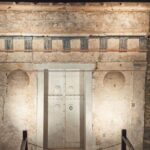
The museum protects the royal burial complex, including Philip II’s tomb. The setting is deliberately subdued, allowing the tombs and objects to carry the attention. The audio tour directs you toward the Heroon, the royal burial features, and the golden chest, while explaining the stories connected with the tombs.
The treasures are the main reason to allow plenty of attention here. Gold objects, elaborate weapons, burial goods, and painted or sculpted details show the wealth available to the Macedonian court. You might find the scale surprising. The objects are not presented as a scattered collection. They are tied to specific burials and royal identities.
The golden chest is especially important to the visit. It is one of the objects that makes the ancient royal world feel immediate rather than distant. The audio narration helps you understand its role and the care given to the burial, instead of leaving you with only a quick look and a label.
The Heroon area has limited wheelchair access, unlike the rest of the Royal Graves Museum. The museum itself is described as wheelchair accessible except for this area, so anyone with mobility concerns should plan around that restriction.
Exploring the Polycentric Museum and royal center
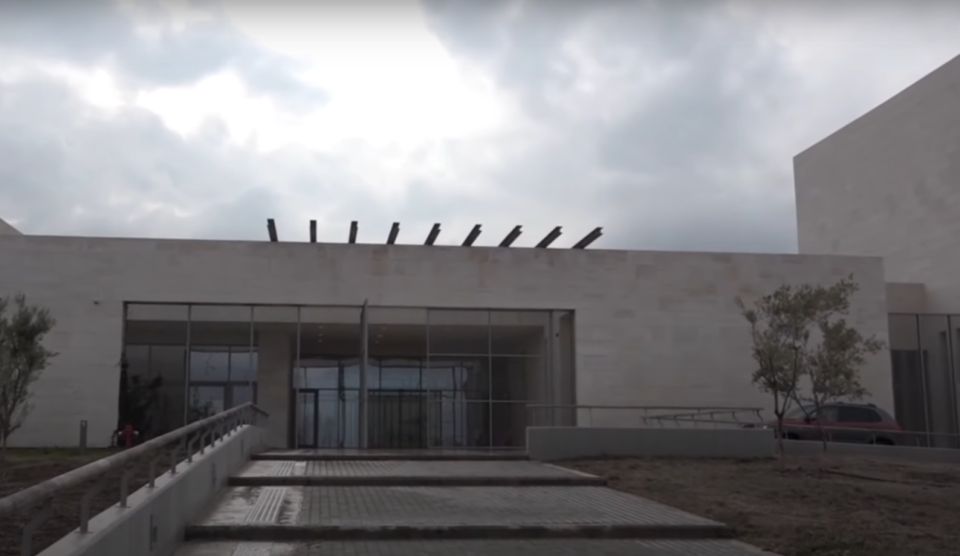
The Polycentric Museum gives you a wider view of Aigai. Its tour begins at the entrance on the provincial road between Veria and Kypseli, and it ends inside the museum. The easiest way to reach it is by car.
The word polycentric points to the broad scope of the site. Instead of focusing only on one tomb, the museum presents pieces linked to the royal center and its public, religious, and artistic life. The audio tour helps you connect individual objects to that larger setting.
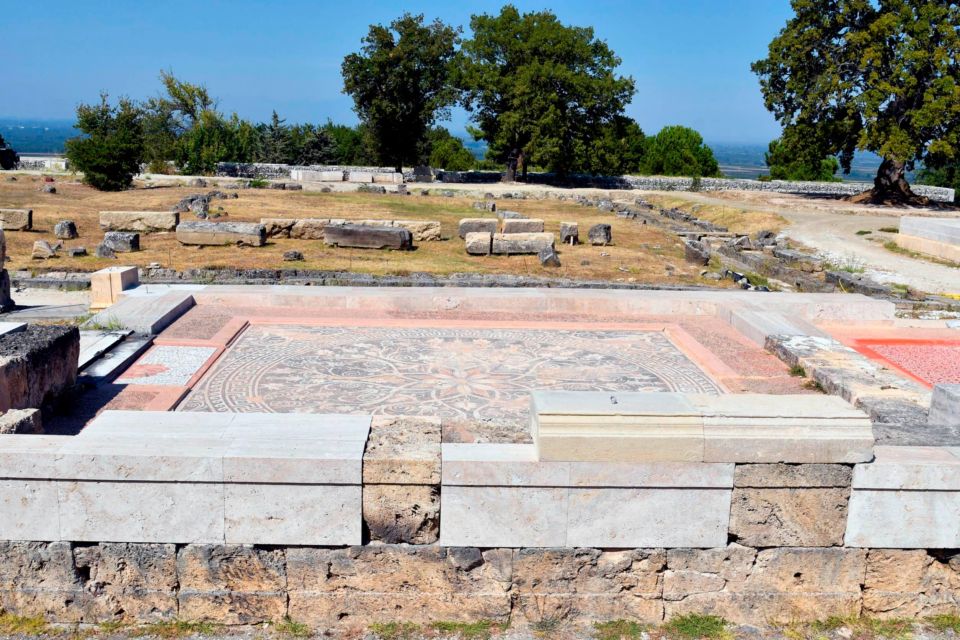
Look for the basileion, or palace, of Aigai. The palace represents the public face of royal authority, where architecture and ceremony helped express power. Even if you are most interested in the tombs, this stop adds useful balance. It shows where the royal world operated, not only where its rulers were buried.
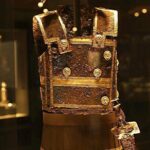
The exhibits also include the figurine of Cybele, a bronze calyx krater, and the marble fragment associated with Alexander the Great. These objects offer different ways into Macedonian culture. The figurine brings religious belief into the story, while the krater shows the skill and luxury of ancient metalwork.
The marble fragment connected with Alexander gives the famous ruler a physical presence in the museum. It is not the same kind of experience as seeing a complete statue, but a fragment can still prompt useful questions about portraiture, public memory, and how much survives from the ancient world.
I would use the Polycentric Museum for comparison. At the Royal Graves Museum, the focus is concentrated and personal. At the Polycentric Museum, the focus spreads across architecture, objects, religion, and court life. The two stops work better together than either one does alone.
How the two audio tours work
This is a phone-based experience, not a conventional guided tour. After booking, you receive an email with instructions and an activation link. You then download the app and both English audio tours before your visit.
You need an Android phone running version 5.0 or later, or an iPhone. The app is not compatible with Windows phones. Downloading the content requires about 200 to 300 MB of storage, so check your available space before leaving.
The offline feature is useful in practical terms. Once the audio, text, and maps are downloaded, you can listen without using mobile data or paying roaming charges. It also means you should not wait until the museum entrance to set everything up. A charged phone and working headphones are part of your admission plan.
I like self-guided audio when a museum rewards quiet attention. You can stop when an object catches your eye, replay a section, or skip ahead. The drawback is that you must manage the technology yourself. If your battery is low, your headphones fail, or you forget the activation steps, the experience becomes less convenient.
Book one ticket per device, not one ticket per person. That detail matters if two people plan to share one phone and one set of headphones. If each person wants independent audio, each device needs its own booking.
The pace and timing of a one-day ticket
The ticket is valid for one day, and the booking page provides available starting times. The tours themselves are intended to be flexible, and the audio content can be used repeatedly before or after your visit.
That repeat-use feature is handy if you want to prepare in advance. You can listen to an introduction before reaching Vergina, then replay sections beside the objects. You can also revisit the stories after leaving, when the details are easier to sort out.
Do not treat the one-day validity as permission to spread the museums over several dates. Plan both visits within the same day and allow enough time to move between them. The information provided does not include transportation or give a fixed transfer schedule, so your own car is the practical choice.
The route at each museum is clear in broad terms. The Royal Graves tour returns you to the entrance, while the Polycentric Museum tour ends inside the museum. You do not meet a guide at either location, and no group departure time controls your pace.
You can also read our reviews of more museum experiences in Thessaloniki


Is the $35 price good value?
At $35 per adult, the ticket is more than a simple admission fee. It combines entry to both museums with two English audio tours, offline maps, written content, and narration. For a visitor who wants context but does not need a live guide, that is a sensible package.
The value depends on how much you use the audio. If you only want to walk through quickly and read a few labels, a bundled audio tour may be more than you need. If you want to understand the royal tombs, palace, religious objects, and burial treasures, the narration fills a real gap.
The price does not cover transportation, food, drinks, or a smartphone and headphones. That makes the package less convenient for anyone arriving without a car or without the basic phone equipment. Free and reduced tickets are also available only at the on-site ticket booth, so this paid option is aimed at adults who want the convenience of advance digital access.
The strongest value comes from the combination of two different museums and two separate audio tours. You are not paying for one short attraction. You are paying for a full day of ancient Macedonian material, with interpretation you can use at your own speed.
Planning your visit to Vergina
Vergina is in Central Macedonia, and the supplied directions identify a car as the easiest way to reach both museums. Since transportation is not included, confirm your own route and allow time to get from one museum to the other.
Wear comfortable shoes. The Royal Graves Museum is indoors, but the broader visit includes movement between two sites, and the Polycentric Museum may involve more walking through its displays. A hat and sunscreen are sensible items for time outside, especially while moving between locations.
Bring your phone fully charged, headphones, and enough storage for the app. Download everything before setting out, and check your email’s spam folder if the activation instructions do not appear in your main inbox.
The museums can impose special restrictions or alter the visit route. Follow the current site instructions when you arrive. The tour content may suggest a route, but museum staff and site rules have priority.
Who will enjoy this experience most
This ticket suits independent visitors who want more than bare admission but do not want to join a scheduled group. You get the structure of an audio guide without having to stay beside a live guide.
It is especially useful for anyone interested in ancient Macedonia, royal burials, archaeology, or Alexander’s era. Families and couples can also set their own pace, although sharing one device means sharing the audio experience.
The tour is a good match for a Thessaloniki itinerary if you are prepared to arrange your own transport. Vergina adds a major historical site outside the city, and one verified booking specifically recommended visiting it as part of a Thessaloniki trip.
It is less suitable if you want personal questions answered on the spot. There is no live guide, and English is the only listed audio language. It is also not the right choice for someone who cannot use a smartphone or does not want to handle downloads and headphones.
Accessibility and small practical limits
The Polycentric Museum is wheelchair accessible. The Royal Graves Museum is also wheelchair accessible, except for the Heroon area.
The tour requires an Android or iOS smartphone. Windows phones are not supported, and the phone must have 200 to 300 MB of free storage. Headphones are not supplied, so bring your own.
There is no hotel pickup or drop-off. Food and drinks are not included. Since the booking is non-refundable, check your date, phone compatibility, storage, and transportation plans before paying.
Should you book the Aigai ticket?
Book it if you want to explore Vergina independently and value explanation as much as entry. The Royal Graves Museum delivers the concentrated royal drama, while the Polycentric Museum supplies the wider setting through the palace, sculpture, religious objects, and fine metalwork.
Skip it if you need a live guide, transport, a non-English option, or a simple ticket with no app to manage. The $35 cost makes the most sense when you use both audio tours and give the museums enough time.
For an adult with a charged phone, headphones, a car, and an interest in Macedonia’s royal world, this is a practical way to see Aigai without rushing from label to label.
FAQ
What does the Aigai ticket include?
It includes adult entry to the Polycentric Museum of Aigai and the Museum of the Royal Graves of Aigai, plus two self-guided English audio tours for Android or iOS smartphones.
Is a live guide included?
No. This is a self-guided experience delivered through an app on your smartphone.
How do I access the audio tours?
After booking, you receive an email with further instructions and an activation link. You should download the app and audio tours before arriving.
Can I listen without mobile data?
Yes. The audio narration, text, and maps are available offline after you download them, helping you avoid roaming charges.
What phone do I need?
You need an Android phone running version 5.0 or later, or an iOS smartphone. The app is not compatible with Windows phones.
How much storage does the app require?
You need approximately 200 to 300 MB of available storage on your phone.
Are headphones provided?
No. You need to bring your own headphones, along with a charged smartphone.
How long is the ticket valid?
The ticket is valid for one day. Check availability for the available starting times.
Is transportation included?
No. Transportation and hotel pickup or drop-off are not included. The easiest way to reach both museums is by car.
Are the museums wheelchair accessible?
The Polycentric Museum is wheelchair accessible. The Royal Graves Museum is wheelchair accessible except for the Heroon area.