REVIEW · THESSALONIKI
Thessaloniki: Historic Private Walking Tour
Book on GetYourGuide →Operated by Athens Walks Tour Company · Bookable on GetYourGuide
Thessaloniki’s best story is not just Greek. It is Byzantine, Roman, Ottoman, and Jewish, all layered into one walk through the city center. This private tour connects those layers with a licensed archaeologist guide, taking you from the Church of Saint Demetrios to the White Tower in four hours.
I like the mix of major monuments and small local pleasures, especially the chance to taste bougatsa while passing through food markets. I also like the private format. One guide, one group, and room to adjust the emphasis, much as Ms. Maria did for guests who wanted the history shaped around their interests.
The main drawback is the price: $235 per person, with monument entrance tickets extra. That can be good value for a private specialist-led walk, but it is a serious cost if you mainly want a quick introduction to Thessaloniki.
In This Review
- Key Points
- Why Thessaloniki Works So Well on Foot
- Starting at the Church of Saint Demetrios
- The Roman Agora and the City Before Byzantium
- Byzantine Churches Across the City Center
- Saint John’s Catacombs and the City Underground
- Markets, Flowers, and a Taste of Bougatsa
- Ottoman and Jewish Thessaloniki
- Finishing at the White Tower
- How Good Is the Private Format?
- Is $235 Per Person a Fair Price?
- Who Should Book This Thessaloniki Walk?
- Should You Book It?
- FAQ
- How long does the Thessaloniki historic walking tour last?
- Where does the tour begin?
- Where does the tour finish?
- Is the tour private?
- What language is the tour offered in?
- Is an archaeologist guide included?
- Are monument entrance tickets included?
- What should I bring, and what is not allowed?
Key Points
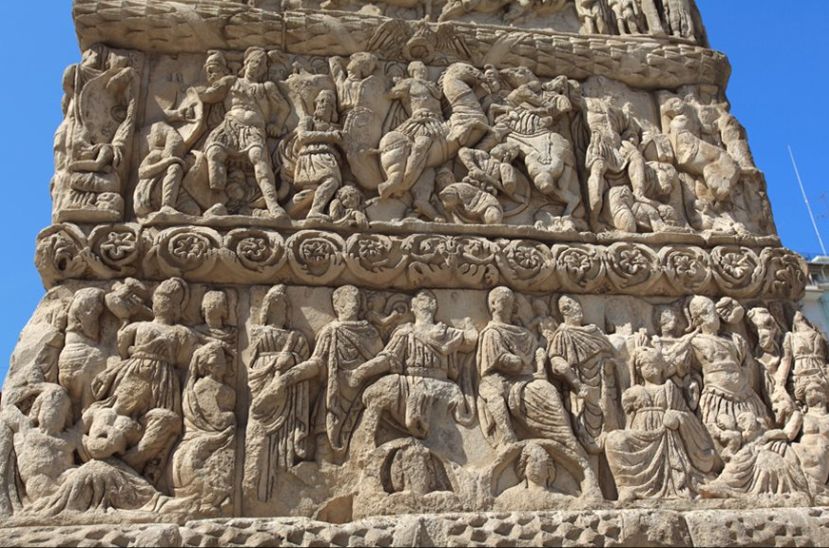
- A four-hour walk across four cultures: Roman, Byzantine, Ottoman, and Jewish history all receive attention.
- A licensed archaeologist guide: You get context for the sites instead of only taking photographs.
- Saint Demetrios begins the story: The church, its crypt, and the surrounding archaeological remains give the tour a strong start.
- Bougatsa adds a local taste: A traditional regional pastry breaks up the monuments and markets.
- The private format can be tailored: Ms. Maria was praised for adjusting the route and amount of history to personal interests.
- The White Tower provides a clear finish: Thessaloniki’s best-known symbol closes the walk near the waterfront.
Why Thessaloniki Works So Well on Foot
Thessaloniki is a city where the past appears in pieces rather than in one perfectly preserved ancient quarter. A Roman forum can sit near a Byzantine church. Ottoman traces and Jewish heritage belong to the same city story, even when the physical remains are less obvious.
That makes a guide especially useful. I would not choose this tour simply to collect landmark photographs. I would choose it to understand how Thessaloniki changed hands, changed faiths, and kept layers of its earlier life under the modern city.
The route lasts four hours, so expect a substantial walk rather than a short orientation. Comfortable shoes are essential. Large bags and luggage are not allowed, and pets cannot join the tour. Since the activity is a private group experience, you avoid being tied to the pace of a large crowd.
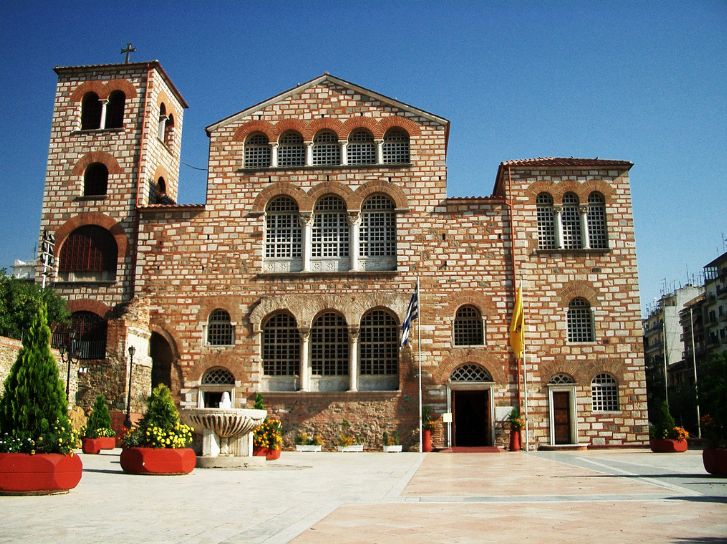
The meeting point is the Church of Saint Demetrios on Agiou Dimitriou Street. That location is more than a practical starting place. Saint Demetrios is one of the city’s key religious monuments, and beginning here puts Thessaloniki’s Christian and Roman past in the same frame.
You can also read our reviews of more walking tours in Thessaloniki


Starting at the Church of Saint Demetrios
The Church of Saint Demetrios gives the guide plenty to explain before the walking route even gets going. It is one of Thessaloniki’s major Byzantine churches and part of the city’s UNESCO World Heritage collection.
You can expect the guide to discuss the church’s place in Thessaloniki’s Christian history, along with the archaeological remains below it. The tour specifically includes the Crypt of Saint Dimitris, an archaeological area hidden beneath the church.
That underground setting is one of the more memorable parts of the itinerary. It changes the scale of the visit. Above ground, you see a monumental church. Below ground, you encounter traces of earlier use and the physical remains that help explain why this location mattered.
The name appears in both Demetrios and Dimitris in the tour information, but it refers to the same important Thessaloniki saint. Your licensed archaeologist guide can help sort out names, periods, and religious traditions without leaving you to piece them together from plaques.
The Roman Agora and the City Before Byzantium
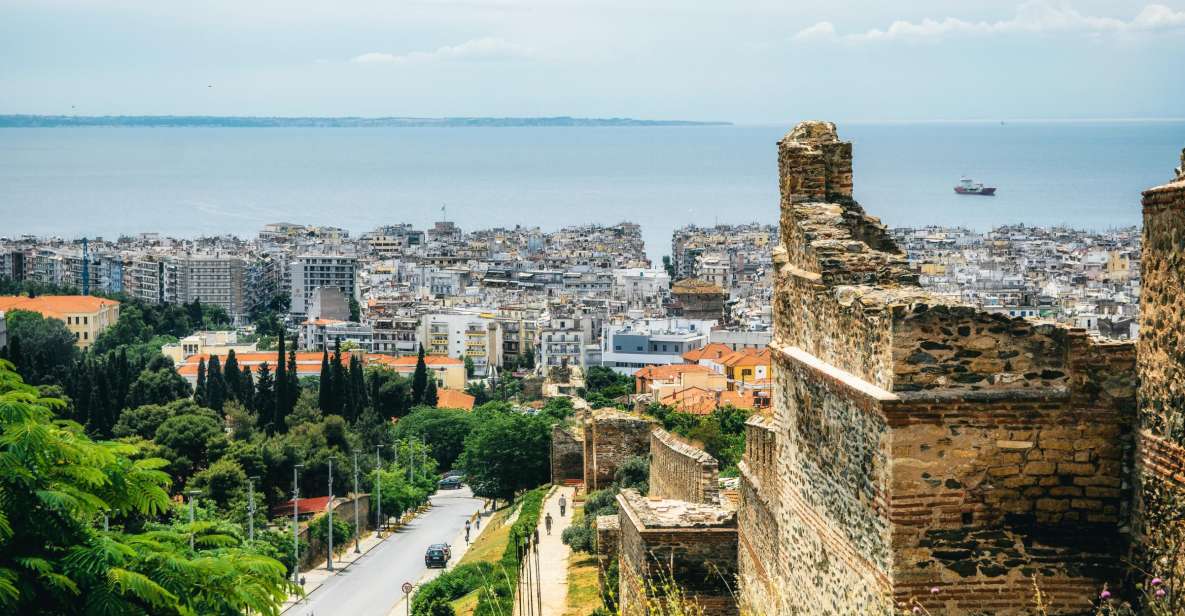
The Roman Agora shifts the focus from Christian Thessaloniki to the city’s Roman period. This is an important stop because it prevents the tour from presenting Thessaloniki as only a Byzantine destination.
A Roman agora was a civic center, so the site helps you picture public life before the city’s later Christian identity took shape. I like this part of the route because it gives the churches and crypt greater context. You are not looking at isolated monuments. You are following a city that changed function and character over many centuries.
The guide’s role matters here. Ruins can be hard to read, especially when only parts of a complex remain. A licensed archaeologist can point out what you are seeing and explain its significance instead of leaving you with a general description of old stones.
Entrance tickets to monuments are not included in the tour price. That is worth keeping in mind when comparing the total cost. The experience includes the guide, but you should plan for additional admission charges where they apply.
The activity also advertises skip-the-ticket-line access. That may save time at included stops where a ticket is needed, but it does not remove the cost of entry.
Byzantine Churches Across the City Center
The walking route includes several Byzantine Christian churches, many of them part of Thessaloniki’s UNESCO World Heritage designation. This is one of the strongest reasons to book the tour if religious architecture interests you.
The value is not simply seeing more churches. Thessaloniki’s churches represent a long Christian period, and each monument can help you understand how worship, art, and city life developed. The guide explains the significance of the sights as you walk, so you can connect the buildings to the wider story.
I would keep your expectations practical. The supplied information does not promise entry into every church on the route, and opening conditions can vary. The tour includes visits to UNESCO World Heritage monuments, but entrance tickets are separate. Ask the guide at the start which interiors are planned and which sites will be viewed from outside.
This is also where the private setup helps. If you care about church architecture, religious art, or archaeology, you can ask for more detail. If four hours of church history would feel heavy, you can signal that early and give more time to the Roman, Ottoman, Jewish, or food-market parts of the walk.
Saint John’s Catacombs and the City Underground
The Catacombs of Saint John add another underground stop to the route. Along with the Crypt of Saint Dimitrios, they show how much of Thessaloniki’s story lies below its present streets and buildings.
I find these sites useful because they make the city’s age tangible. Ancient and early Christian history can feel abstract when you only see restored walls or grand churches. A catacomb or crypt gives you a closer look at the spaces connected with burial, worship, and earlier phases of urban life.
The supplied details do not give a full description of the catacombs or confirm the amount of time spent inside. Consider them part of the archaeological theme rather than a long standalone museum visit. Your guide will explain their importance, but the exact experience can depend on access and the day’s route.
If enclosed spaces or uneven walking surfaces are a concern, ask the operator before booking. The stated requirement is comfortable shoes, and the tour is on foot, but no further accessibility details are provided.
You can also read our reviews of more private tours in Thessaloniki



Markets, Flowers, and a Taste of Bougatsa
The food and flower markets give the tour a welcome change of pace. After churches, ruins, and underground remains, you pass through places connected with daily life in Thessaloniki.
The highlight here is bougatsa, a traditional dessert from the region. It is a small detail, but it matters. Food gives you a more ordinary connection to the city than a monument does, and bougatsa is tied to local identity in a way that a generic snack would not be.
The information provided calls it a dessert, so expect a sweet regional treat rather than a full meal. Do not count on the tasting to replace lunch. If you need a substantial meal, plan one before or after the four-hour walk.
I like that the tasting is folded into the route instead of treated as a separate cooking class or food tour. You still get the history focus, but the market stop keeps the experience from becoming a steady march through ruins.
Ottoman and Jewish Thessaloniki
The tour presents Thessaloniki as a meeting point of Byzantine, Ottoman, and Jewish cultures. That wider frame is essential. A visit focused only on ancient Greece would miss much of what makes the city distinctive.
The Ottoman period receives attention as one part of the city’s changing identity. The Jewish heritage segment is also singled out as one of the significant cultural chapters along the route. The city’s Jewish story is not an optional footnote here. It belongs beside the Roman and Byzantine material.
The supplied details do not name every Ottoman or Jewish site included, so I would not book this expecting a dedicated museum tour or a full survey of every surviving building. Instead, think of this as a guided introduction to the cultural layers that shaped central Thessaloniki.
This part may be especially valuable if you have already seen ancient Greek sites elsewhere in the country. The tour offers a broader view of Macedonia’s main city, not just the familiar classical version of Greece.
Finishing at the White Tower
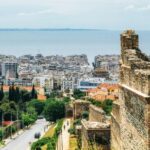
The walk ends at the White Tower, Thessaloniki’s best-known landmark and a symbol of the city. It is an effective finish because the tower gives you a clear visual marker after a route filled with different periods and traditions.
The White Tower also brings the tour toward the city’s waterfront area, although the activity information only promises a visit to the landmark itself. Do not assume that a longer waterfront walk or tower interior admission is included unless your guide confirms it.
As an ending, the White Tower pulls the story into one image. Roman civic life, Byzantine churches, Ottoman rule, and Jewish heritage can feel scattered across a city. The tower gives you a final point to look back from, both literally and historically.
How Good Is the Private Format?
The private group arrangement is the tour’s biggest practical advantage. You are not following a fixed lecture aimed at strangers with unrelated interests. You can ask questions as they arise and request more or less attention to a particular subject.
That flexibility is not just theoretical. Ms. Maria received specific praise for customizing the tour to personal interests and keeping the history at a manageable level. That is useful information if you enjoy history but do not want four uninterrupted hours of dates and names.
I would tell the guide at the beginning what matters most to you. You might want more time with Byzantine churches, more archaeology, or a clearer explanation of Ottoman and Jewish Thessaloniki. The tour is designed to cover all of these, but your priorities can shape the balance.
The language is English, and the group is private. No other language option is listed. If your group needs another language, confirm that before booking rather than assuming it can be arranged.
Is $235 Per Person a Fair Price?
At $235 per person, this is not a budget walking tour. The price makes the most sense for people who place a high value on a private guide and specialist interpretation.
You are paying for four hours with a licensed archaeologist rather than a basic city orientation. That can be worthwhile in Thessaloniki, where the historical layers are complex and many remains are not immediately easy to interpret. The private format also means you are paying for control over the pace and subject matter.
The value drops if you only want to see the White Tower, take a few church photographs, and get a general introduction. You can cover a lot of central Thessaloniki independently with a guidebook. You also need to add monument admission costs, since tickets are not included.
For a couple, family, or small group that would otherwise hire a private specialist, the price may compare well with arranging a custom guide separately. For a solo visitor, the per-person cost is harder to justify unless archaeology and layered cultural history are central interests.
The free cancellation option up to 24 hours before the tour and the ability to reserve now and pay later make planning easier. Still, those flexible terms do not change the core question: will you use the guide enough to justify the premium?
Who Should Book This Thessaloniki Walk?
I would recommend this tour to you if you want a serious first look at Thessaloniki and prefer questions, conversation, and explanation over a large group format.
It suits:
- Visitors with a strong interest in Byzantine churches and archaeology
- First-time visitors who want Roman, Christian, Ottoman, and Jewish history in one route
- Families or small private groups that need a flexible pace
- People who enjoy local food details such as bougatsa alongside major sights
- Anyone who wants a licensed archaeologist rather than a general city escort
I would be more cautious if you dislike walking, want a low-cost tour, or prefer to spend most of your time inside museums. The itinerary is broad and active, with several historical stops, markets, and underground sites. Comfortable shoes are not optional advice here.
Should You Book It?
Book this private Thessaloniki walking tour if you want the city explained as a series of connected cultures rather than as a list of monuments. The strongest reasons are the licensed archaeologist guide, the private format, the Crypt of Saint Dimitrios, the Roman Agora, and the attention given to Jewish and Ottoman heritage.
The price is high, and admission tickets cost extra. I would book it for a small group that values personal attention, especially if you can tell the guide what interests you most. If you want only a quick overview, choose a less expensive walk and spend your money on individual sites instead.
FAQ
How long does the Thessaloniki historic walking tour last?
The tour lasts four hours. Starting times vary, so check availability when booking.
Where does the tour begin?
The meeting point is the Church of Saint Demetrios on Agiou Dimitriou Street in Thessaloniki, postal code 546 33, Greece.
Where does the tour finish?
The tour finishes at the White Tower, one of Thessaloniki’s major landmarks and a symbol of the city.
Is the tour private?
Yes. This is a private group activity, so the guide works with your group rather than a large shared party.
What language is the tour offered in?
The live tour guide service is offered in English.
Is an archaeologist guide included?
Yes. The tour includes a licensed tour guide, described as a licensed archaeologist.
Are monument entrance tickets included?
No. Entrance tickets to monuments are not included in the tour price.
What should I bring, and what is not allowed?
Bring comfortable shoes for the four-hour walk. Pets, luggage, and large bags are not allowed.