REVIEW · ATHENS
Athens: Greek Food Discovery Small Group Walking Tour
Book on GetYourGuide →Operated by Alternative Athens · Bookable on GetYourGuide
If your first day in Athens is all columns and marble, this tour flips the script and turns the city into a food map you can taste. I love the way the stops are picked for real local habits, from breakfast-style bites to a proper finish in a traditional tavern. You’ll also like that the tour doesn’t just hand you food, it teaches you what you’re eating and why it matters in everyday Greek life.
The biggest plus is the range: savory starters (think souvlaki and market finds), plus classic sweets like baklava and either bougatsa or loukoumades. The one thing to plan for is the pace of eating—8 to 10 tastings that add up to lunch—so come hungry and don’t count on a big dinner later.
In This Review
- Key Highlights You’ll Actually Feel
- Start at Syntagma and Get Your Bearings With Breakfast
- Greek Coffee: The First Sip That Tells You the Whole Story
- Specialty Shops: Olive Oil, Cheese, Spreads, and the Why Behind Them
- Bakeries and Syrupy Sweets: Baklava and the Art of Sticky
- Souvlaki and the Market You Can Smell From Blocks Away
- Spice Street and Krokos Kozanis: Learn the Ingredients, Not Just the Names
- Pastry Rush: Bougatsa or Loukoumades for Your Final Sweet Punch
- The Meze Finale: A Proper Tavern Finish, Not a Random Snack
- Price and Value: Is $81 Worth It?
- Who Should Book This (and Who Should Skip It)
- Should You Book This Athens Food Discovery Walk?
- FAQ
- How long is the Athens Greek Food Discovery Small Group Walking Tour?
- How many food tastings should I expect?
- What does the tour include?
- How big is the group?
- Where do I meet the guide?
- What happens on Sundays?
- What languages are the tours offered in?
- Is there free cancellation?
Key Highlights You’ll Actually Feel
- Small group, easy walking pace (max 12) means you can keep up without sprinting for gelato
- Greek breakfast-style start so you taste Athens before you tour Athens
- Greek coffee in a landmark cafe plus a hidden-cafe vibe that locals actually use
- Old-school bakery stops for award-winning bread and syrupy sweets
- Varvakios Market access for fish, meat, and vegetables in the city’s main market energy
- Spice Street condiments like Greek oregano and Krokos Kozanis (Greek red saffron)
Start at Syntagma and Get Your Bearings With Breakfast
The tour begins around Syntagma Square, with a few possible meeting points depending on what you book: a public café restaurant in Syntagma Square, Public Syntagma, or Starbucks. The area is central, easy to find, and it helps you shift gears fast from museum mode into neighborhood mode.
What I like about the start is that it’s built for the way locals actually eat: a breakfast-style approach rather than jumping straight to dessert. You get a guided flow that helps you understand the city through food shops, street corners, and everyday choices—without needing a background in Greek culture first. Expect a guided introduction with a first food tasting that sets the rhythm for the rest of the walk.
Practical tip: this is a walking tour with tastings, not a sit-and-chat tour. If you’re the kind of person who hates feeling rushed, you’ll still be fine because the pace is described as easy, but you should still wear comfortable shoes and keep your water handy.
You can also read our reviews of more walking tours in Athens


Greek Coffee: The First Sip That Tells You the Whole Story
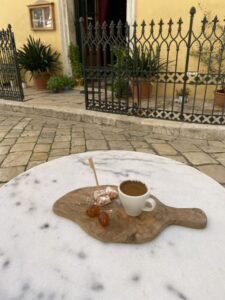
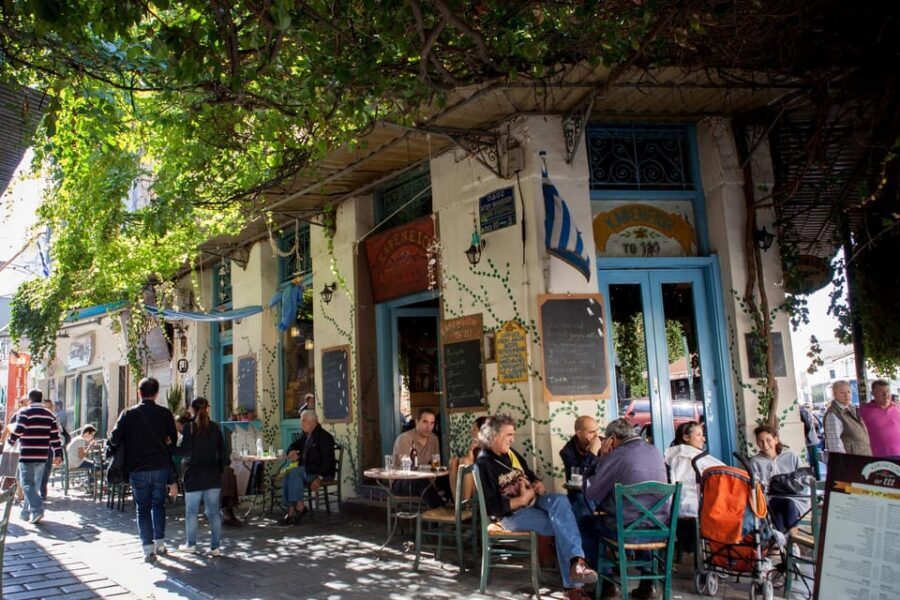
One of the early moments is Greek coffee—not just a drink thrown in for fun, but a cultural marker. You’ll pause at a landmark coffee house and then, from there, you’ll get that Athens rhythm: ordering, waiting, watching the room, and learning how coffee fits into daily life.
In practice, this stop does two things for you. First, it gives you a real break, not the kind where you wonder if you’re supposed to take a selfie. Second, it trains your palate for what comes next. Greek sweets are sweet, Greek spreads are salty and complex, and that coffee helps you cut through the richness later—especially once you hit honeyed syrups and creamy fillings.
If you’re traveling with kids or teens, this part tends to land well because it’s simple: a small moment, lots of atmosphere, and easy conversation with your guide.
Specialty Shops: Olive Oil, Cheese, Spreads, and the Why Behind Them
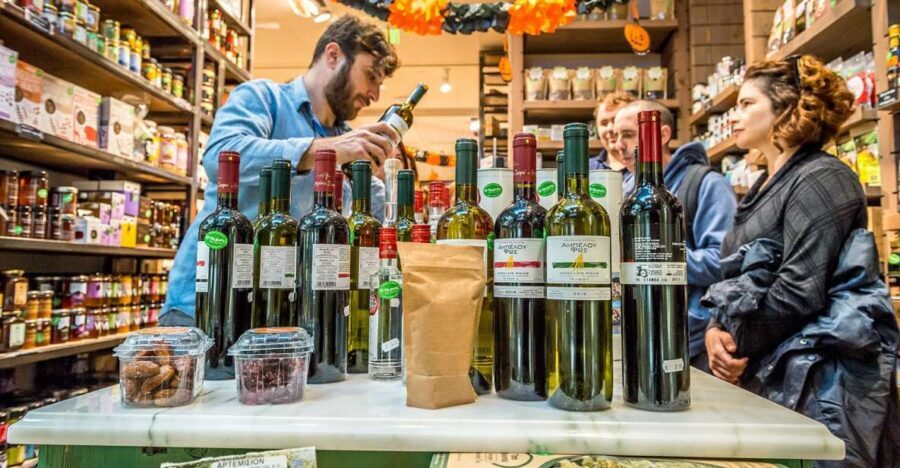
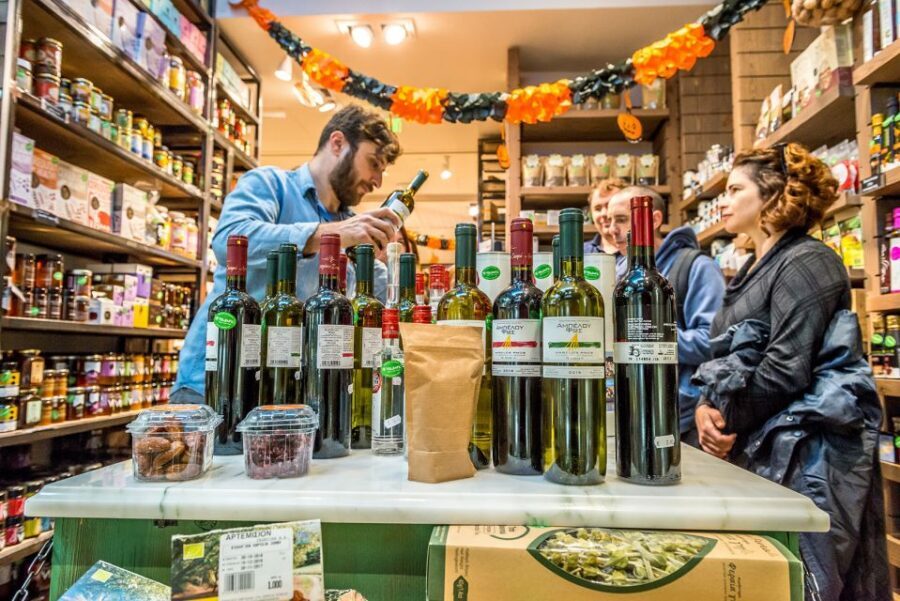
After you’re warmed up (mentally and with caffeine), you head into specialty food shops where the focus turns into tasting and comparing. This is where the tour becomes more than eating: it’s learning how Greeks shop and stock their kitchens.
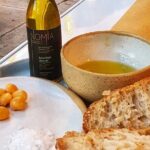
You’ll taste different olive oils, along with cheese, spreads, and other products from Greek shops that take their shelves seriously. The guide points you toward what to notice—texture, flavor, and how products show up together on tables. It’s the kind of shop stop that’s great even if you think you already know feta, because you start noticing variations and combinations you’d never pick on your own.
Important Sunday note: on Sundays, the tour does not include olive oil tastings or market visits. If your schedule is flexible, you may want to pick a different day to get the full product-and-market experience.
Bakeries and Syrupy Sweets: Baklava and the Art of Sticky

Athens has plenty of dessert, but this tour focuses on the good stuff with real history baked into it—especially when you reach bakery stops. One of the planned moments is a baklava bakery with a long history, along with tastings of syrupy sweets that are famously Greek.
You’ll also get the chance to sample bread from one of the oldest bakeries of Athens, including award-winning bread. That matters because bread isn’t a side character here. Greek meals often start with simple staples, then build around them. Tasting bread early helps you understand why later bites taste more intense and satisfying. It’s also a nice break from the heavier sweets.
If you have a sweet tooth, this is your stretch of the tour. If you don’t, don’t skip it. You can pace yourself, take smaller bites, and still get the education part—how these sweets are made, flavored, and served.
Souvlaki and the Market You Can Smell From Blocks Away
Next comes a classic: authentic souvlaki at a grill spot. This is a turning point because it shifts the tour from shop tastings to street-food comfort. It’s also a good temperature and energy change. After sweets and bread, souvlaki resets your appetite and gives you something savory and portable.
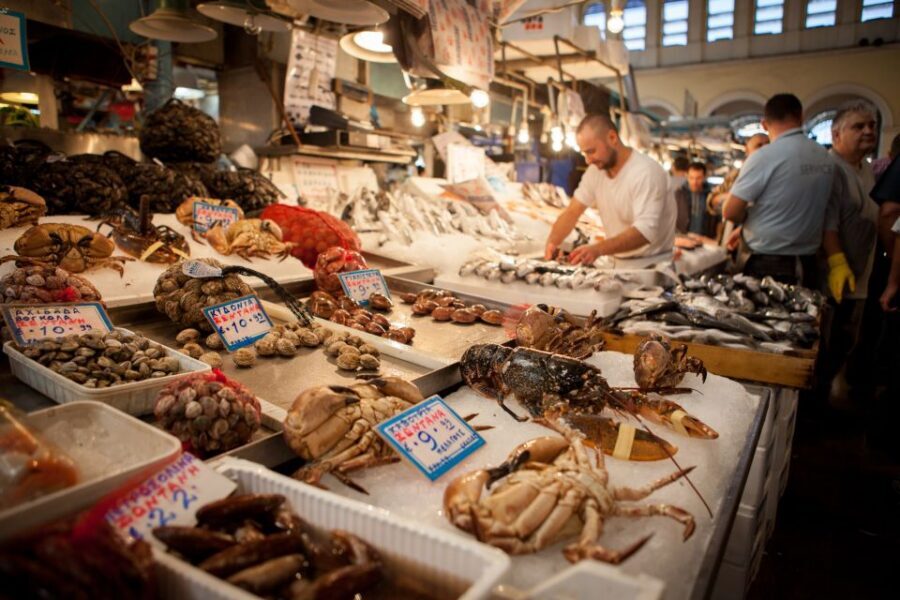
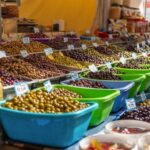
Then you head into the traditional “belly of the city”: Varvakios Market. This is the big, well-known market in Athens for fish, meat, and vegetables. Even if you’re not a market person, it’s worth it for the sensory experience—colors, smells, and the sheer volume of what’s being traded.
What you get from a stop like this isn’t just photos. It’s context. You start to see how the food you’re tasting connects to where ingredients come from. If you’re the kind of eater who always wonders where something tastes better, this portion gives you an answer you can actually feel.
You can also read our reviews of more food & drink experiences in Athens



Spice Street and Krokos Kozanis: Learn the Ingredients, Not Just the Names
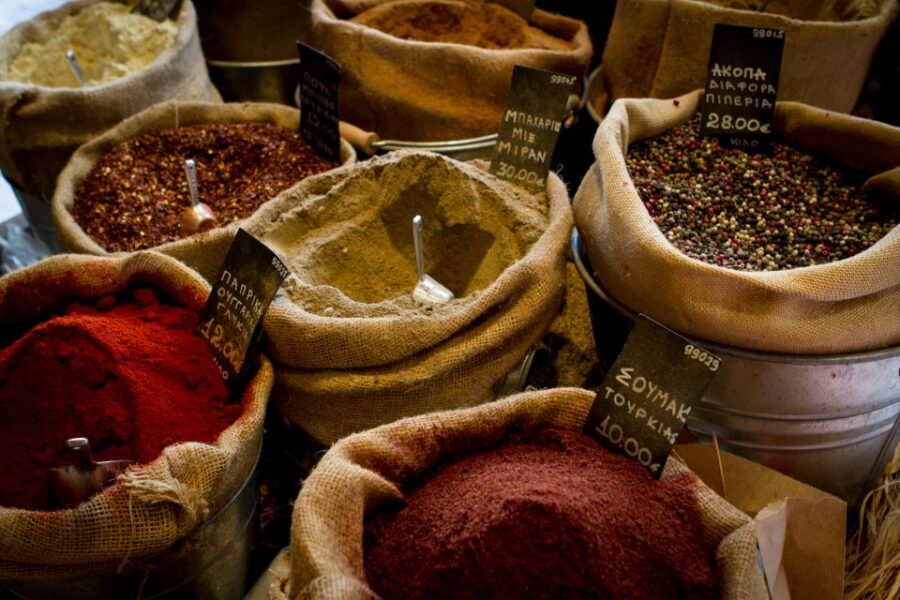
As you continue walking through Athens neighborhoods, you’ll hit Spice Street, then stop in a shop stocked with local condiments and herbs. This is one of those stops that feels small on paper but sticks with you after.
You’ll learn about Greek oregano and other herbs, plus Krokos Kozanis, also known as Greek red saffron. Hearing the name is one thing; tasting or smelling the real products helps you understand why Greeks treat ingredients like characters in the story. They’re not just seasonings. They shape the final dish.
Practical tip: if you like to cook at home, this is the stop where you should pay attention. Ask your guide what to try first when you get back. Even if you only buy one item, it’s a souvenir that helps your future meals taste more like Greece.
Pastry Rush: Bougatsa or Loukoumades for Your Final Sweet Punch
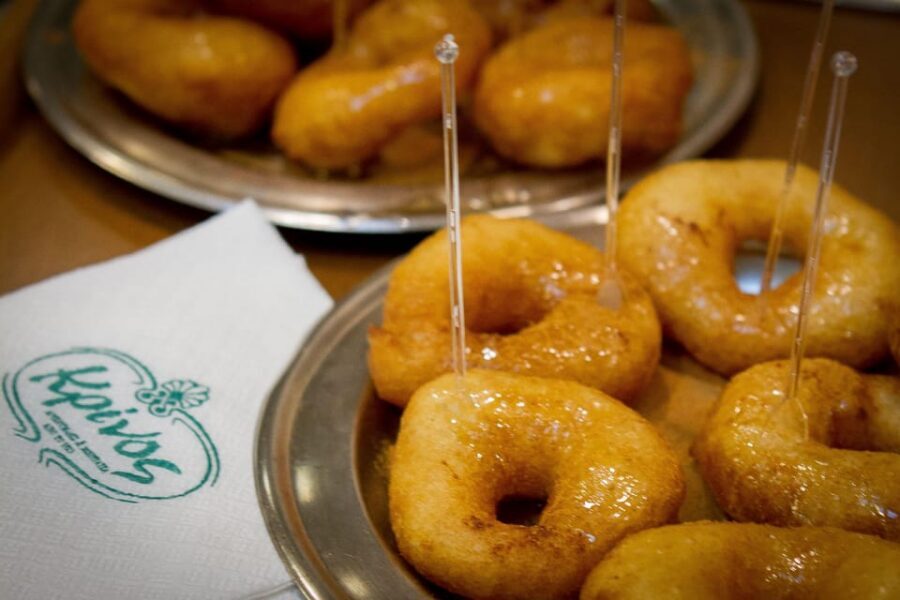
Near the end, the tour moves into serious dessert territory. You’ll stop at a local pastry shop and taste bougatsa (cream-filled phyllo) or loukoumades (Greek doughnuts).
This is a smart move in the overall flow. You’ve already had syrupy sweets and bread, so the tour saves the most iconic, comforting pastry forms for later. That timing helps because your palate is primed. Coffee helps. Savory bites help. And then you get that unmistakably Greek pastry payoff.
You’ll leave this section feeling like you’ve eaten half a bakery. It’s fun, but it also explains why so many people can’t eat dinner afterward.
The Meze Finale: A Proper Tavern Finish, Not a Random Snack
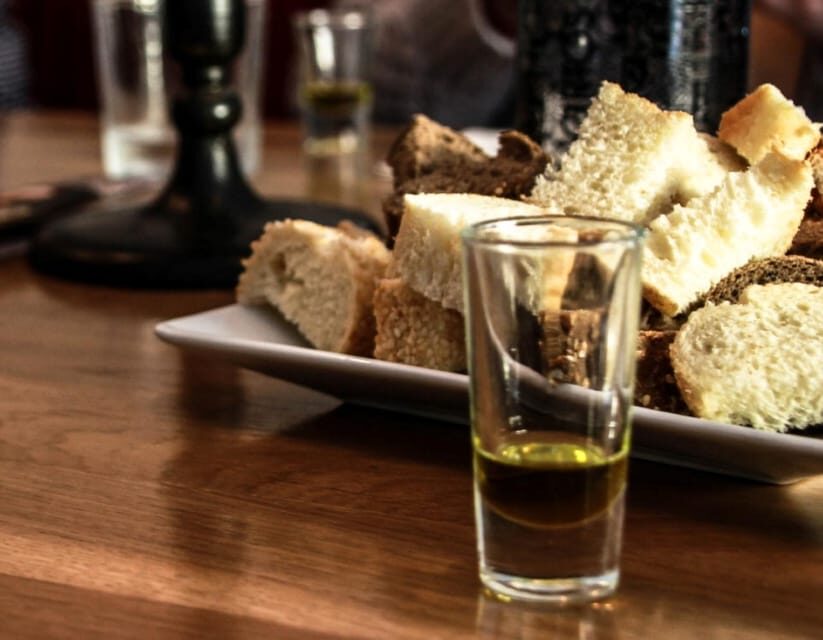
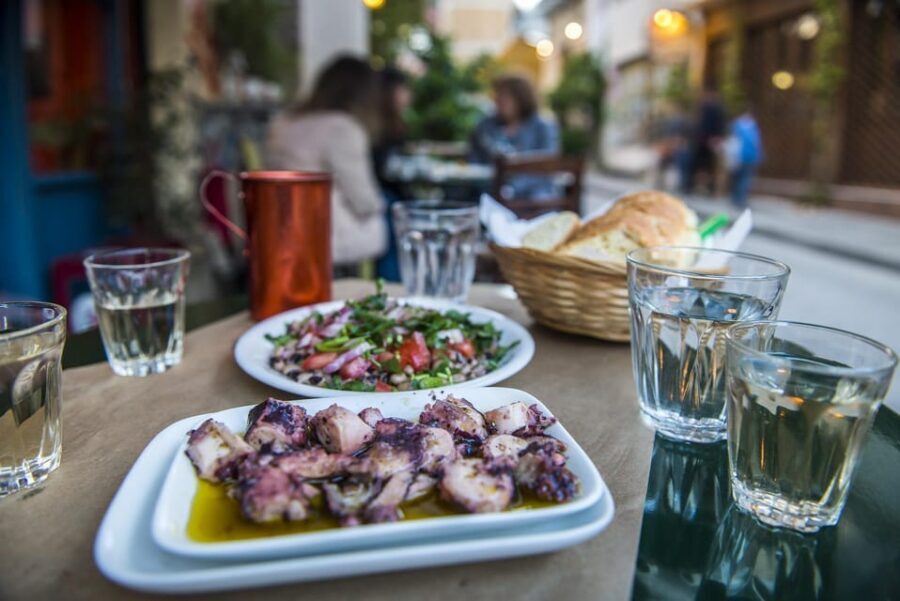
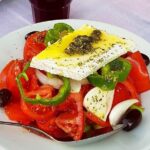
The last stop is a selection of Greek meze at a traditional tavern—think tapas style, only you’ll likely find it more satisfying because it’s built for slow sharing. When the plates start clearing, the tour ends and the mission is accomplished: you’re full, you’re happy, and you understand Greek food beyond what’s in a guidebook photo.
What makes this final meal feel valuable is that it ties everything together. Olive oil and spreads make sense with bread. Market ingredients make sense when you taste seasonal flavors. Sweet pastries make sense after coffee and savory food.
If you’ve been sightseeing earlier in the day around the ancient sites, this meal feels like a reward. It’s a different Athens lens, and it’s exactly the kind of contrast that makes a trip feel complete.
Price and Value: Is $81 Worth It?
At $81 per person for about 3.5 hours, the value depends on how you like to travel. If you’re the type who would happily spend the day eating anyway, this price is reasonable because you’re getting 8 to 10 premium tastings and the equivalent of lunch. You also get an expert food guide and guided stops through markets and shops—things you’d struggle to recreate yourself without local knowledge.
It’s also good value when you consider logistics. Eating in random places sounds cheap until you realize tastings, especially in well-known local shops, add up fast. Here, the cost bundles taste variety with guidance.
Small group size matters too. With up to 12 people, your guide can keep the pacing friendly and actually answer questions. Many past guests talk about guides like Antigone, Elisabeth, Joseph, Maria Katerina, Elena, and Andreas as standout parts of the experience—so choose your comfort with walking and eating, and you’ll likely love what you get.
Who Should Book This (and Who Should Skip It)
This tour is a great fit if you want:
- A food-focused intro to Athens that also teaches you how Greeks shop and season
- A guided walk that connects neighborhoods like Syntagma, Plaka, Monastiraki, and Psyri to what you’re eating
- Classic Greek comfort food plus market energy and spices
You might think twice if:
- You get overwhelmed by lots of stops and nonstop small tastings
- You hate walking through busy market areas
- You’re booking for a Sunday and really want olive oil tastings or market time (those parts aren’t included then)
The tour is family-friendly in the sense that guides work with kids and teens (many guides have experience engaging younger guests). Still, it’s best for families who are excited to try new things.
Should You Book This Athens Food Discovery Walk?
I think you should book it if you’re coming to Athens for the food experience as much as the sights. The tour is built for maximum payoff in a short amount of time: you get coffee, savory hits, market context, spice learning, and a proper meze finish. It’s also one of the best ways to learn what to order later, because your guide is explaining the logic behind flavors, not just handing you bites.
If you’re unsure, pick the day carefully. If you can choose, avoid Sundays so you can get the full ingredient tastings and market visits. Otherwise, come hungry, wear comfy shoes, and plan to snack lightly after—because this one feeds you like a local, not like a tourist.
FAQ
How long is the Athens Greek Food Discovery Small Group Walking Tour?
The tour lasts 3.5 hours.
How many food tastings should I expect?
You’ll have 8–10 premium food tastings.
What does the tour include?
It includes 8–10 premium food tastings, an expert food guide, visits to local markets, and tastings that equal lunch.
How big is the group?
It’s a small group with a maximum of 12 participants, and the walking pace is described as easy.
Where do I meet the guide?
Meeting point may vary depending on the option booked, including Syntagma Square locations such as a public café restaurant in Syntagma Square, Public Syntagma, or Starbucks.
What happens on Sundays?
Tours on Sundays do not include olive oil tastings or visits to the markets.
What languages are the tours offered in?
The tour guide speaks English and French.
Is there free cancellation?
Yes. You can cancel up to 24 hours in advance for a full refund.