REVIEW · ATHENS
Athens: Horror Mythology Evening Experience – Myths Come to Life
Book on Viator →Operated by Hellas Revival · Bookable on Viator
Athens gets spooky after sunset. This 2 to 2.5 hour evening walk turns familiar landmarks into a string of Greek horror myths told through fear, transformation, and mythic justice. It’s not a standard lecture tour. It’s a story-led route meant to make you look at Athens like it has secrets.
Two things I really like: the storytelling style, with guides such as Michael or Michalis who mix humor with respect for heavy material, and the way the night includes both walking and pauses so you can actually enjoy the scenes. The other big win is route value: you cover major spots around the Acropolis area, then finish near Monastiraki, so the myths come with real, visible Athens views.
One drawback to consider: this is myth horror, not ghost stories. If you’re hunting for jump-scare style spooky tales, you may feel it’s more psychological and gruesome myth detail than modern horror.
In This Review
- Key things to know before you go
- A dark-myth night walk that actually fits Athens
- How the 8:30pm schedule shapes the experience
- Meeting at Kalvos-Kalambokis and finding your group fast
- Stop 1: Dionysiou Areopagitou Promenade and the first myth hook
- Stop 2: Herod Atticus Odeon and stepping into the tragic king role
- Stop 3: Apostolou Pavlou Street, St. Paul footsteps, and a quick game
- Stop 4: The Ancient Sanctuary of Pan carved into rock
- Stop 5: Statue of Theseus and the short-tour finish
- Stop 6: Monastiraki’s labyrinth of legends and Temple of Hephaestus backdrop
- Stop 7: Hadrian’s Library and the final myth at the Roman end
- Stop 8: Monastiraki Square, where the myths keep breathing
- Price and value: what you’re paying for
- The content warning you should actually take seriously
- Practical tips so your night stays comfortable
- Who should book this Athens horror mythology evening experience
- Should you book this tour?
- FAQ
- What time does the Athens Horror Mythology Evening Experience start?
- How long is the full tour, and is there a shorter option?
- How far do you walk on the full and short versions?
- Is this tour only for adults?
- What kind of content does the tour include?
- How big is the group?
- What happens if the weather is bad?
Key things to know before you go
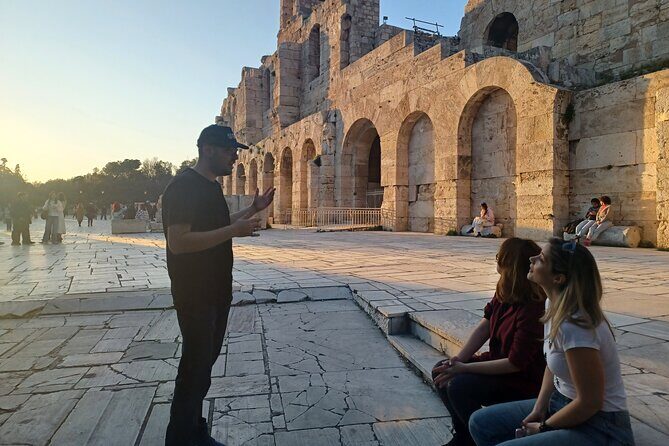
- Small group size (max 10) keeps the tone intimate and interactive.
- Language is English, so the horror beats and myth logic stay clear.
- Short and full versions let you choose a 2 km route ending at Theseus or the longer 3 km loop ending at Monastiraki Square.
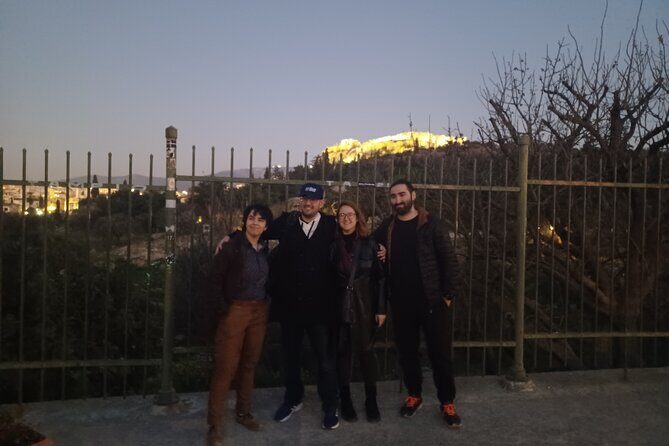
- The route is built around nighttime atmosphere, with photo stops and scenic promenade walking.
- Seated moments happen while stories are told, so it’s not nonstop walking.
- Content warning: themes include sexual assault and body horror, and the tour is adult-oriented.
A dark-myth night walk that actually fits Athens
This experience is built for the hour when Athens looks different. The air cools, the stones feel less harsh underfoot, and the Acropolis area turns into a stage set. You’re walking between real historic spaces, but the point isn’t archaeology trivia. The point is to hear how Greek myth explains fear—through gods, monsters, punishment, and transformation.
You’ll also notice the tone is very intentional. Guides I’ve seen described in this format (like Michael and Michalis) bring warmth and timing. They don’t rush past the hard parts, and they keep things respectful even when the myths get brutal. That matters, because the material includes body-horror elements and references to sexual violence.
You can also read our reviews of more evening experiences in Athens


How the 8:30pm schedule shapes the experience
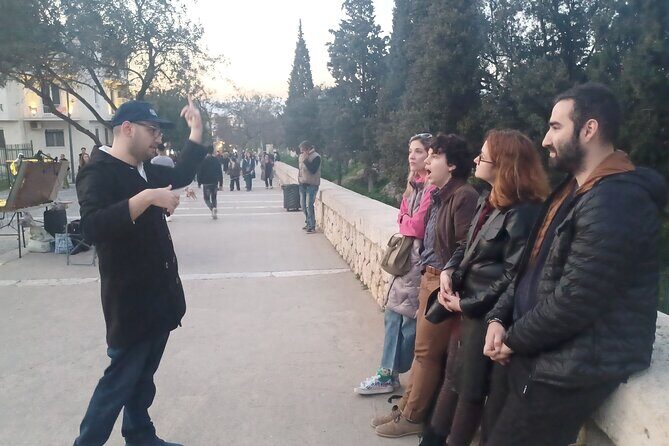
The start time is 8:30 pm, which is perfect for this kind of storytelling. It means you’re not competing with daytime crowds, and you get the best kind of “story lighting” from street lamps and the night sky.
The tour runs about 2 to 2.5 hours. The full version is roughly 3 km (1.9 miles), and the shorter option is about 1.5 to 2 hours over 2 km. That timing matters because horror stories work best when you’re not sprinting. You’ll get enough time at each stop for the narrative to land before you move on.
Meeting at Kalvos-Kalambokis and finding your group fast
You meet at Athinaiki Skini Kalvos – Kalambokis, near the Acropolis at Tzireon 13, 117 42. It’s close enough to get your bearings quickly, and it’s near public transportation, which helps if you’re combining this with dinner beforehand.
The tour uses a mobile ticket, so you won’t be chasing paper confirmations at the last second. And with a maximum group size of 10 travelers, you should be able to spot your guide without a frantic search.
Stop 1: Dionysiou Areopagitou Promenade and the first myth hook
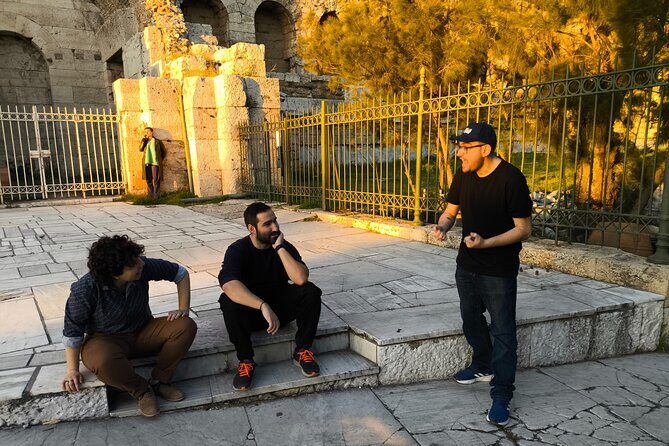
Your first story point is Dionysiou Areopagitou, a promenade that runs along the edge of the Acropolis area. It’s named after Dionysius the Areopagite, the city’s first Christian convert. That name alone gives you a neat historical contrast: the path connects later Athens identity to older sacred ground.
The tour opens with the first myth of the evening, set like a cold open. This start is useful because it trains you for how the rest of the walk works: short distance, strong narrative focus, and a myth that ties directly into the location’s vibe. If you’re the type who likes a clear through-line, this opener will help you follow the evening without feeling lost.
Practical note: it’s a nighttime stroll on stone-paved roads. Wear shoes you trust.
Stop 2: Herod Atticus Odeon and stepping into the tragic king role
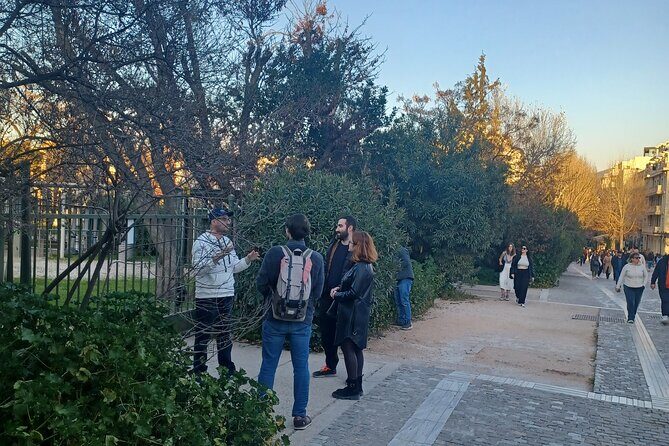
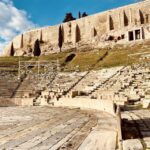
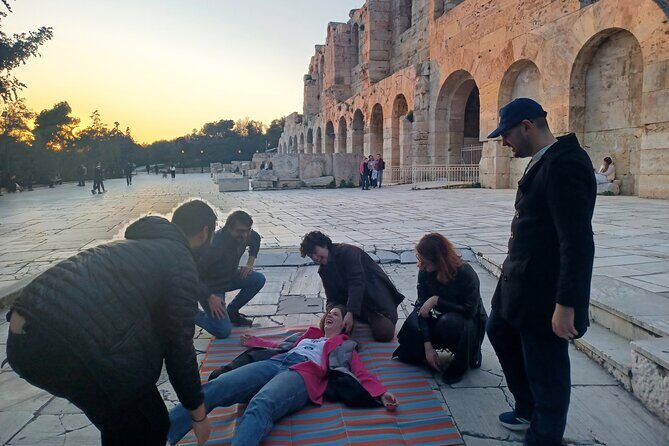
Next is Herod Atticus Odeon (you view it from outside). This ancient theatre is still used for performances today, which makes it feel alive instead of just “ancient rocks.” The story frame here is darker: a tragic king met a gruesome fate in this setting.
What I like about using a still-active theatre space is the emotional logic. You’re standing in a place built for human drama, then you’re asked to imagine what happens when fate flips. The tone lands best here if you’re okay with horror being more about consequence than monsters jumping out.
This isn’t the kind of stop where you wander and browse. It’s a brief focus point—about 20 minutes—so listen closely and don’t get too stuck looking at the architecture. The myth connection is the main event.
- All Day Cruise -3 Islands to Agistri,Moni, Aegina with lunch and drinks included
★ 5.0 · 4,958 reviews


Stop 3: Apostolou Pavlou Street, St. Paul footsteps, and a quick game
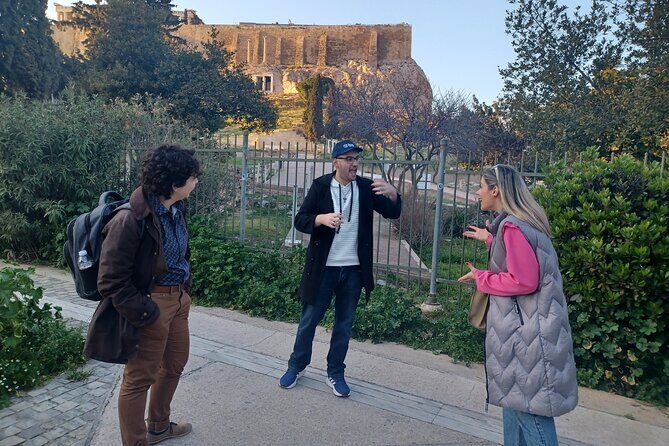
Apostolou Pavlou Street is where the tour starts mixing myth, history, and street-level atmosphere. You follow the footsteps of St. Paul, which gives the walk a layered feel: ancient Greece’s stories on top of later religious history.
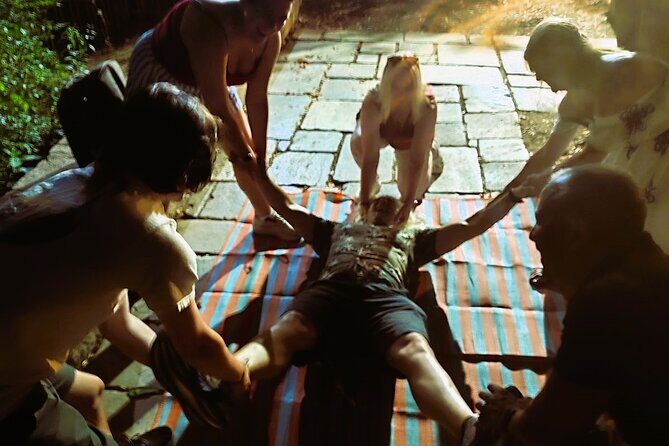
The horror myth moment here involves a beautiful maiden transformed into a terrifying monster. The tour also includes a quick game that pulls you into the story. I love story-led games on night walks because they do two things: they break the mood in a good way, and they prevent the group from turning into passive listeners.
If you learn best by doing, this stop is for you. If you hate being asked to participate, you can still enjoy it, but your enjoyment may depend on how much you’re comfortable with group interaction.
Stop 4: The Ancient Sanctuary of Pan carved into rock
The Ancient Sanctuary of Pan is one of the most visually creepy stops on the route. It’s described as carved directly into living rock, which matters because it makes the space feel like part of the earth—not a museum object.
The myth tone here is fear and transformation, plus a question about divine behavior. You’re invited to consider whether the Olympian gods are cruel. But the story angle is specific: dread is provoked not through evil intent, but through appearance. That’s a subtle but important shift. It’s horror as misrecognition and power, not just horror as violence.
This stop is shorter (around 10 minutes), so don’t expect a long pause for photos and reading. Instead, treat it like a storyboard scene: you arrive, the guide sets the moment, and you move on with the feeling of unease still in your head.
Stop 5: Statue of Theseus and the short-tour finish
The next highlight is the Statue of Theseus, sculpted by George Vitalis. Theseus is one of Greece’s best-known myth heroes, and here the story focuses on the monster he defeated. It’s a satisfying narrative turning point because it changes the tone from being hunted by myth to being defined by myth.
This is also the finish for the shorter version of the experience. If you choose the short option, you’ll skip the Monastiraki area and end here instead. That’s a smart choice if you’re low on energy, want an earlier night, or prefer a more compact route.
Even if you’re doing the full tour, it’s still worth paying attention here. Theseus gives you a myth anchor—like a headline for everything you’ll hear later.
Stop 6: Monastiraki’s labyrinth of legends and Temple of Hephaestus backdrop
When you continue on the full tour, you move into Monastiraki—described as a labyrinth of legends. The area is busy in general, but at night it feels like a film set where old stories keep walking alongside modern life.
The story framework includes betrayal, cunning, and punishment. You also get a concrete backdrop: the Temple of Hephaestus is part of the visual scene. That’s a nice touch because it keeps you grounded. You’re not only hearing horror; you’re also seeing myth’s physical stage.
This stop lasts about 15 minutes. That’s enough time to take a few photos, listen for the myth logic, and then keep moving without losing the thread.
Stop 7: Hadrian’s Library and the final myth at the Roman end
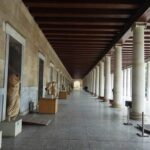
The last major story location is Hadrian’s Library (viewed from outside). You’re told it was built by Roman Emperor Hadrian in 132 AD, which adds a powerful perspective shift: after all that Greek myth fear, you get a Roman structure built to house knowledge.
The final myth of the evening is framed around powerful devotion, forbidden acts, and defiance that alters human fate. This stop is short—about 10 minutes—but it carries the story weight. Ending near a place associated with learning makes the horror land differently. It’s not just about monsters. It’s also about how people cross lines when gods, loyalty, love, or compassion collide with consequences.
If you tend to overthink stories, this stop will reward you. It asks the kind of question horror myths often ask: is punishment justice, or is it cruelty with a moral label?
Stop 8: Monastiraki Square, where the myths keep breathing
Your full-tour finish is at Monastiraki Square, described as where your journey ends but the myths keep living. In practice, this means you finish in an area that’s lively and easy to navigate, so you’re not left stranded far from transportation.
This final stretch is short—about 5 minutes—and it works like a release. You close the story cycle, then you step back into regular Athens life with new eyes.
Price and value: what you’re paying for
At $42.24 per person, this isn’t a “cheap entertainment” add-on, but it is also not priced like a museum-ticket day. You’re paying for four core things:
First, story depth with guidance. This tour is specifically built around horror myths, not a general highlights loop. The guide’s job is to connect each setting to the myth theme so it feels like a night narrative, not random stops.
Second, small-group delivery (max 10). That keeps the tone interactive, which shows up in the games and in the way guides handle intense topics with care.
Third, you get multiple major landmarks in one night without needing to plan transport or tickets. You’ll walk a real route from the Acropolis area down into Monastiraki and finish at a convenient square.
Finally, there’s the human factor: many guides described here, including Michael and Michalis, are noted for being patient, humorous, and respectful with heavy subject matter. That balance is part of the value.
The content warning you should actually take seriously
This experience includes themes of sexual assault and body horror. It’s also adults only, with teenagers allowed only with parental consent.
So here’s my practical advice: read that warning like you mean it. Don’t assume you can handle it just because you like Greek myth. Myth horror can be direct and unsettling. If you’re sensitive to either topic, you’ll likely have a better night with a different Athens tour that stays away from those themes.
Also remember the format: it focuses on horror myths tied to real places, not on ghosts or supernatural jump scares. If you want modern ghost energy, this may disappoint.
Practical tips so your night stays comfortable
- Wear sensible footwear. You’ll be on stone-paved roads and doing steady night walking.
- Plan for a short pause and seated storytelling. Reviews mention you can sit while stories are being told, which helps break the walk into manageable segments.
- Bring a light layer. Athens nights can change fast, and you’ll be outside for 2 to 2.5 hours.
- Keep behavior steady. The alcohol and conduct policy says disruptive behavior or intoxication can lead to removal without refund.
- If you’re doing the short version, remember it finishes at Theseus’ statue, skipping Monastiraki.
Who should book this Athens horror mythology evening experience
Book it if you want:
- A story-led Athens night walk instead of a standard sight tour
- Greek mythology presented with darker, more adult versions of themes
- A guide who mixes humor and respect with intense material
- A route that includes photo opportunities and viewpoints around the Acropolis area and Monastiraki
Skip or reconsider if you:
- Want ghost stories or modern horror style scares
- Are not comfortable with sexual assault themes or body horror
- Prefer long museum-style stops over brief narrative scenes
Should you book this tour?
If you’re an adult (or bringing a teen with parental consent) and you like mythology with bite, I think this is worth your evening. The combination of night views, a tight route, small-group energy, and a guide who can handle dark material thoughtfully makes it feel like a special Athens activity instead of just another walk with facts.
But go in with the right expectation: this is myth horror, not Hollywood ghosts. If you match that mood, you’ll likely come away thinking about Athens a little differently—like the stones themselves are part of the story.
FAQ
What time does the Athens Horror Mythology Evening Experience start?
It starts at 8:30 pm.
How long is the full tour, and is there a shorter option?
The full experience is about 2–2.5 hours. There’s also a shorter option of 1.5–2 hours.
How far do you walk on the full and short versions?
The full version is about 3 km (1.9 miles). The shorter version is about 2 km (1.2 miles).
Is this tour only for adults?
Yes. It’s adults only, and teenagers are allowed with parental consent.
What kind of content does the tour include?
It includes themes of sexual assault and body horror, so it’s best suited to adults who are comfortable with those topics.
How big is the group?
The tour has a maximum of 10 travelers.
What happens if the weather is bad?
The experience requires good weather. If it’s canceled due to poor weather, you’ll be offered a different date or a full refund.