REVIEW · PELOPONNESE
Beekeeper for a Day close to Nafplio
Book on Viator →Operated by Landlife Travel · Bookable on Viator
At this small bee farm near Nafplio, you do not just hear about honey production. You put on protective clothing, stand beside working hives, and see the queen bee that directs the colony. The visit turns a jar of honey into a lesson in animal behavior, farming, and Greek food.
I like two things especially: the hands-on hive inspection, which makes the talk much more memorable, and the tasting, which can include more than 12 honeys and traditional sweets made with Greek honey. The short two-hour format also fits neatly into a day of sightseeing around Nafplio.
The main consideration is simple: bees are active insects, and this is not a good choice if you have a bee allergy. Children under nine are not recommended, and everyone should arrive in closed shoes, long cotton trousers, and light-colored clothing.
In This Review
- Key points to know before you book
- Why a bee farm makes a good Nafplio side trip
- The opening lesson: from flowers to honey
- Putting on the suit and approaching the hives
- The honey tasting is more than a sweet finish
- What the two-hour schedule feels like
- Who will enjoy this experience most
- A practical choice for families and curious food lovers
- Should you book the Nafplio beekeeping experience?
- FAQ
- Where does the beekeeping experience take place?
- Can I be picked up in Nafplio?
- How long does the activity last?
- What is included in the price?
- What should I wear?
- Can children join the experience?
- Is the experience suitable for someone allergic to bees?
- What is the cancellation policy?
Key points to know before you book
- See the queen inside a working hive: The beekeeper explains how worker bees respond to her and how the colony functions.
- Suit up for a real hive visit: Protective clothing is provided for the practical part of the experience.
- Taste a wide range of Greek honey: The tasting may include more than 12 varieties, along with traditional honey sweets.
- Visit a small traditional unit near Aria: You can meet at the farm or arrange pickup from Nafplio.
- Allow about two hours: The compact visit works well before or after Nafplio sightseeing.
- Plan clothing and safety carefully: Wear closed shoes, light-colored clothes, and long cotton trousers.
Why a bee farm makes a good Nafplio side trip
Nafplio is famous for its old streets, waterfront, fortresses, and nearby archaeological sites. Those sights tell you plenty about rulers and soldiers. This visit offers a different view of the Peloponnese, one rooted in farming, local food, and the natural work behind a familiar Greek product.
The bee farm is in the countryside just outside town, at AXION ESTI, the Organic Apiculture-Museum of Beekeeping Art in Argos. The setting is a small, traditional beekeeping unit rather than a large entertainment complex. That matters if you prefer a personal introduction to a local craft over a polished, heavily staged attraction.
You begin with an English-speaking beekeeper who explains the basics before taking you outside to the hives. The opening talk gives you the framework you need: how bees gather pollen, how they turn it into honey, and how the colony stores its food.
I find this sort of introduction useful because it keeps the hive visit from becoming a quick look at insects behind a veil. You know what to watch for, and you can better understand why the beekeeper handles the frames carefully.
You can also read our reviews of more tours and experiences in Peloponnese.
The opening lesson: from flowers to honey
The first part takes place at the beekeeping unit and focuses on the life of the bee and the practice of beekeeping. You learn about the roles within the colony, including the queen and the worker bees.
The key idea is that honey is not simply collected from flowers. Bees gather pollen and nectar, carry it back to the hive, process it, and store the finished honey in the comb. The beekeeper shows how this system supports the colony and explains how people can collect honey while caring for the hives.
The visit also covers the history of the beehive, from ancient times to modern practice. That detail gives the museum portion extra value. You are not only looking at a current farm operation, but also seeing how people have worked with bees across the centuries.
The explanation is likely to be most interesting for families and children old enough to follow a short talk. It also suits anyone curious about food production, wildlife, or traditional rural work. The subject stays focused, so you should not expect a long academic lecture. The strength here is the direct link between the talk and the hive inspection that follows.
Putting on the suit and approaching the hives
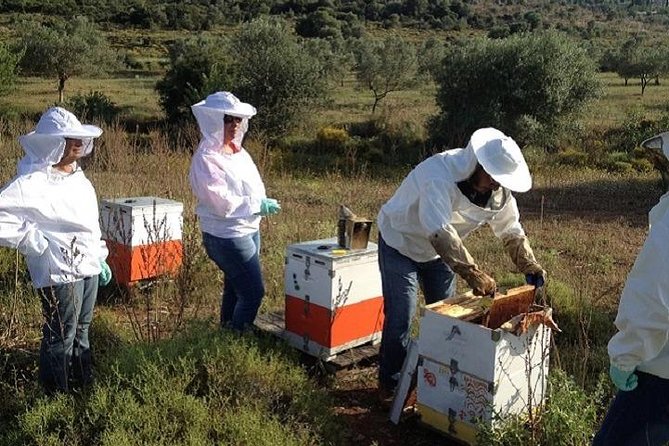
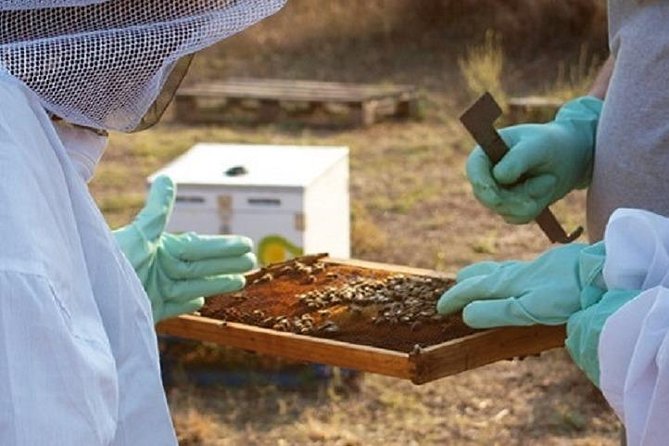
After the briefing, you put on a beekeeper uniform and join the experienced beekeeper for a hands-on inspection. This is the part that makes the activity feel different from a museum visit.
Expect practical guidance on how to approach the hive and how to observe the bees. The protective clothing lets you get close while the beekeeper controls the inspection. One particularly memorable feature is the chance to see the queen bee and learn how the worker bees follow the colony’s structure.
A private visit may include the chance to hold a beehive, according to the experience details. That should not be treated as a guarantee for every group, since hive handling depends on conditions and the beekeeper’s judgment. Still, the activity is designed to give you much more than a distant look.
You may see bees moving through their routine, collecting pollen, and storing honey inside the hive. The point is not to turn you into a beekeeper in two hours. It is to give you a clear sense of how much coordination goes into a colony and how carefully the beekeeper works around it.
Wear the requested clothing even if a uniform is supplied. Closed-type shoes are required, not sandals. Light-colored clothes and long cotton trousers are recommended. These are practical choices for a close visit to active hives, not just dress suggestions for comfort.
The honey tasting is more than a sweet finish
The tasting comes after the hive visit and gives you a chance to connect the earlier lesson with something you can actually taste. Several varieties of honey may be served, with one visit including more than 12 honeys.
That range is important. Honey can differ in color, aroma, and flavor, and a tasting lets you notice those differences instead of treating all honey as the same ingredient. The beekeeper acts as your guide, explaining the products while you sample them.
The farm also serves Greek traditional sweets made with pure Greek honey as a main ingredient. This adds a local food element and gives the visit a pleasant finish without turning it into a full meal. If your family likes honey, the tasting will probably be one of the strongest parts of the afternoon.
Personal expenses are not included, so plan to pay for anything extra you may want to purchase separately. The supplied details do not state that honey purchases are included or guaranteed, so ask on site if you are interested in taking products home.
What the two-hour schedule feels like
The full activity lasts about two hours. That includes the introduction, protective clothing, hive inspection, explanation of bee life and honey production, and tasting.
This is a good length for a hands-on visit. You get enough time to see the process without committing half a day to one subject. It can fit around a morning or afternoon in Nafplio, though you should allow extra time if you are arranging transport.
The meeting point is the AXION ESTI Organic Apiculture-Museum of Beekeeping Art, listed at Argos 212 00, Greece. The activity ends back at the same meeting point. Pickup can be offered from Nafplio, but pickup and drop-off outside Nafplio are not included.
Road transfers are available on request for an additional cost. Since the farm is outside Nafplio, check the transport details before paying if you do not have your own way there. The price of $46.30 per person covers the workshop entrance, honey tasting, English-speaking beekeeper, liability insurance, and taxes. It does not cover extra road transfers or personal spending.
For the amount of direct contact involved, I consider the price reasonable, especially if your group values a small local experience. The value is less obvious if you only want a quick tasting, since you are also paying for the instruction, protective equipment, and time with the hives.
The booking pattern suggests that people often reserve about 68 days ahead. That does not guarantee that every date sells out, but it is sensible to book early if you are building a fixed Nafplio schedule. Confirmation is sent within 48 hours, subject to availability.

Who will enjoy this experience most
This is a strong choice for families with children aged nine and above, provided the children are comfortable following safety instructions. The bees are the main attraction, but the tasting gives younger participants an easy reward after the educational part.
It also suits nature enthusiasts, wildlife lovers, food-focused visitors, and anyone who wants to understand a traditional Greek product. You do not need previous beekeeping experience. The guide begins with the basics and leads you through the practical steps.
The small maximum group size of 15 helps keep the visit manageable. A smaller group or private visit may feel more personal, and the experience details describe a private group that held a hive and received an extended look at bee life and beehive history. Group size can affect how close you get to the beekeeper during the inspection, so ask about the expected number when booking.
This is not the right pick for someone who dislikes insects or wants a completely passive outing. You will wear protective clothing and approach active hives. Anyone with a bee allergy should avoid the activity. Children under nine are not recommended, and all children must be accompanied by an adult.
A practical choice for families and curious food lovers
The visit succeeds because it joins three things that work well together: a clear explanation, close contact with the hives, and a generous tasting. The beekeeper shows you the queen, explains the colony, and then lets you sample the finished product.
I also like that the experience takes place at a working traditional unit. You are learning about a real craft rather than only looking at display panels. The museum element adds context, while the hive inspection keeps the visit active.
There are limits. The activity is short, and the provided details do not promise a particular beekeeper by name. Transport from Nafplio may cost extra, and the experience is unsuitable for people with bee allergies. The tasting is substantial for a sample session, but it should not replace lunch.
If you want a quiet, polished attraction with no insects nearby, choose something else. If you want an accessible introduction to Greek beekeeping with a genuine practical element, this is a better fit.
Should you book the Nafplio beekeeping experience?
Book it if you want to see how honey is made before tasting it, and if you enjoy small-scale local experiences. The queen bee, hive inspection, museum context, and possible tasting of more than 12 honeys give the visit more substance than a standard food stop.
Families should check the age rule and clothing requirements. If you are staying in Nafplio, confirm whether pickup is available and ask about any added road-transfer cost. If you are arranging your own transport, use the Argos meeting-point details carefully.
I would choose this experience for a two-hour break from Nafplio’s historic sights, especially for a family, a food lover, or anyone interested in rural Greece. I would skip it only if bees make you uneasy, if your schedule cannot handle transport beyond town, or if you are looking for a longer farm visit with a full meal.
FAQ
Where does the beekeeping experience take place?
It takes place at AXION ESTI, the Organic Apiculture-Museum of Beekeeping Art, in Argos 212 00, Greece, at a small traditional beekeeping unit just outside Nafplio.
Can I be picked up in Nafplio?
Pickup from Nafplio is offered. Pickup and drop-off outside Nafplio are not included, and road transfers can be arranged on request for an additional cost.
How long does the activity last?
The experience lasts approximately two hours and ends back at the meeting point.
What is included in the price?
The price includes entrance to the beekeeping workshop, honey tasting, an expert English-speaking beekeeper, liability insurance, and all taxes.
What should I wear?
Wear comfortable closed shoes, not sandals, along with light-colored clothes and long cotton trousers.
Can children join the experience?
Children must be accompanied by an adult. The activity is not recommended for children under nine years old.
Is the experience suitable for someone allergic to bees?
No. The activity is not recommended for people with bee allergies because it includes a close visit to active beehives.
What is the cancellation policy?
You can cancel up to 24 hours before the experience start time for a full refund. Cancellations or changes made less than 24 hours in advance are not accepted for a refund.