REVIEW · PELOPONNESE
Olive oil Mill Visit & Olive oil tasting Experience
Book on Viator →Operated by The Olive Routes · Bookable on Viator
Olive oil gets real when you taste it in Messinia. This 1.5-hour small-group stop in Androusa starts at a 13th-century castle, moves through a centuries-old olive museum, and ends with an expert-led olive oil tasting workshop. I love the way you get both the story of local olive varieties and the hands-on tasting lesson that teaches what extra virgin should taste like. I also like that you’re not just sipping—there are pairing bites with Kalamata olives and tapenades. One thing to consider: it’s not a long, walk-through-groves experience, so if you want lots of outdoor time or a full view of machines running year-round, this format may feel more indoor-focused.
The tour is priced at $54.31 per person and runs about 1 hour 30 minutes, in English, with a mobile ticket. It caps at 16 people, so you’ll get real back-and-forth with the guides (I’ve seen names like Athanasia, Dimitra, Calliope, Demeter, and others leading groups), not just a lecture.
In This Review
- Key highlights worth planning for
- Starting at the 13th-Century Castle of Androusa
- The Olive Museum in Androusa: Why 120 Years Matters
- Touring a Modern Olive Oil Mill and Seeing Extra Virgin Production
- An Olive Oil Tasting Workshop: Organoleptics Made Simple
- Pairing Bread, Cheese, Vegetables, and Kalamata Olives
- Group Size, Timing, and What the Short Duration Means
- Price and Value: What $54.31 Gets You
- Practical Tips for Your Olive Oil Day in Messinia
- Should You Book This Olive Oil Mill Visit and Tasting?
- FAQ
- FAQ
- How long is the Olive Oil Mill Visit and Tasting in Androusa?
- Where does the tour start and end?
- Is the tour offered in English?
- What is included in the price?
- Is lunch included?
- Does the tour provide an air-conditioned vehicle?
- How big is the group?
- Do I receive a mobile ticket?
- What is the cancellation policy?
- What happens if the weather is poor?
Key highlights worth planning for
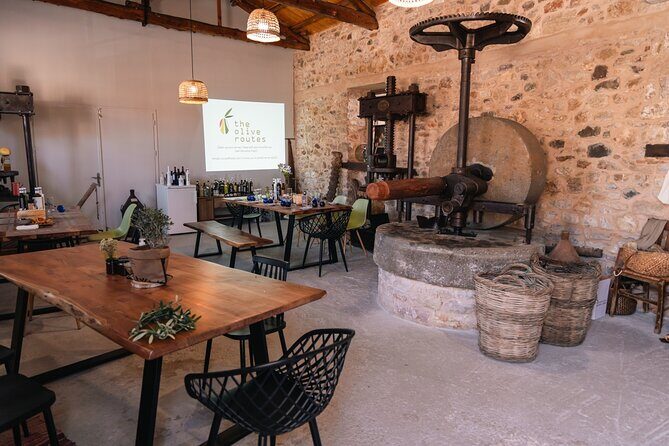
- Androusa first, then oil production: castle setting, then both a traditional olive museum and a modern olive mill.
- Expert olive oil tasting: you practice tasting and learn the organoleptic traits that define extra virgin.
- Pairing bites, not just samples: bread, cheese, vegetables, plus Kalamata olives and olive tapenades.
- Small group feel: maximum 16 people means questions actually get answered.
- You can buy what you taste: products from the site are available to take home.
Starting at the 13th-Century Castle of Androusa
Your day begins in Androusa, in Messinia, at the 13th-century castle area. It’s a smart first move because it sets the tone: olives here aren’t a hobby. They’re part of daily life and family memory. From this point, you’re also well-placed for the broader region—Androusa is about a 20-minute drive from Kalamata and roughly 10 minutes from Ancient Messene.
The first lesson is about the local olive trees themselves. You’ll hear about the olive tree varieties found in the area and how the region’s long relationship with these trees shapes the oil you’ll taste later. Expect a mix of storytelling and practical context, the kind that helps tasting make sense later, not just after-the-fact trivia.
You can also read our reviews of more food & drink experiences in Peloponnese
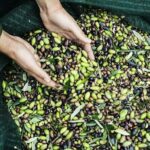
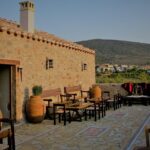
The Olive Museum in Androusa: Why 120 Years Matters
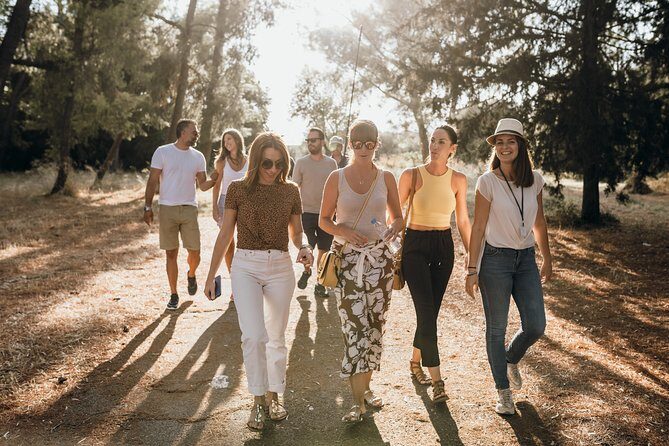
Next comes a traditional olive museum right in the village, one that’s been operating for more than 120 years. The point of this stop is simple: it gives you the “why” before you get the “how.”
In museums like this, you often see farming tools, local traditions, and displays that explain how olives moved from tree to pantry to table over generations. Even if you’re not a museum person, this one works because it’s directly tied to the tasting lesson that follows. It helps you notice that olive oil isn’t just one flavor. Different varieties can taste different, and the story behind the oil is tied to those trees.
If you like culture that’s grounded in real food, this stop delivers. If you’re short on time and only want the most modern part, you might feel you’re learning before tasting—except the tasting later makes that extra context worth it.
Touring a Modern Olive Oil Mill and Seeing Extra Virgin Production
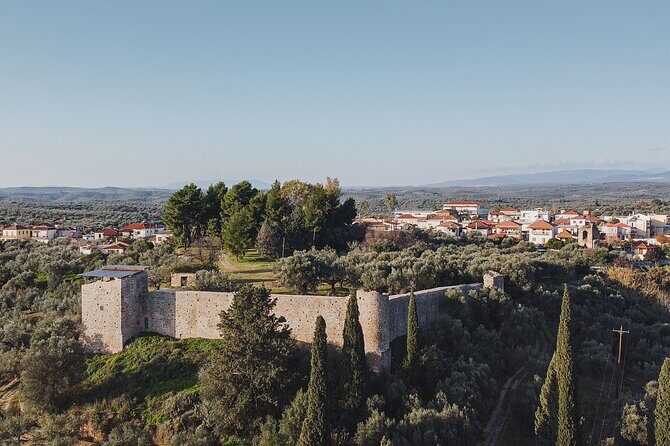
After the museum, you’ll visit a modern olive oil mill to understand how extra virgin olive oil is produced and why it’s considered unique. This is where the tour shifts from heritage to process. You’ll be guided through what happens in the mill and what you should understand about the end product you’re about to taste.
A key detail to know: this tour is designed for a compact time window, so you may not get the kind of long, technical walkthrough you’d get on a full-day production tour. And one review-style concern that matters: if you’re hoping to see every machine in action, note that machine demonstrations can depend on timing and season. In other words, you might still learn the production flow, but don’t count on seeing everything running the way it would on a peak operations day.
Still, this mill visit is valuable because it links the earlier “olive tree” talk to the final product in your glass. That connection is what turns tasting from confusing guessing into something more like a skill.
An Olive Oil Tasting Workshop: Organoleptics Made Simple
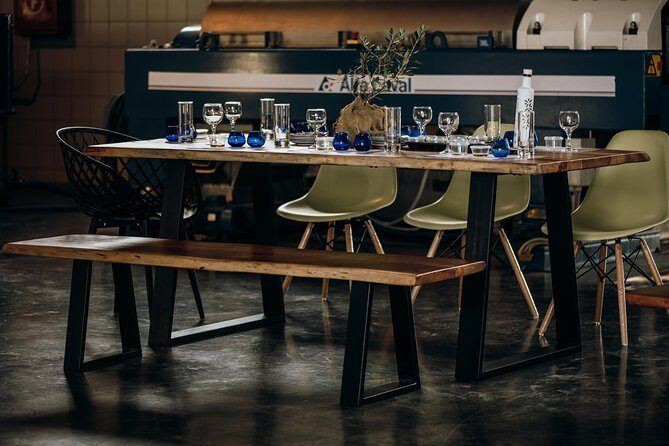
Then comes the highlight for many people: an olive oil tasting workshop led by an olive oil expert. This is where the tour earns its keep.
You’ll taste different olive oil varieties and learn how to describe what you sense using organoleptic characteristics—smell, taste, and the sensations that help differentiate oils. The workshop also focuses on the elements that define extra virgin olive oil, so you understand what quality looks and tastes like beyond just “tasty” or “strong.”
I like this approach because it trains your palate fast. You don’t need formal training, and you don’t need fancy gear. The guide’s job is to translate what farmers and producers pay attention to into normal human language.
You’ll also get a sense of how regional pride shows up in the glass. Olive oil tasting in Messinia isn’t treated like a product pitch. It’s treated like food knowledge—practical, local, and meant to be shared. Guides I’ve seen lead these sessions include Athanasia and Demeter, with other local hosts like Dimitra, Calliope, and additional team members helping groups move through the process and tasting.
Pairing Bread, Cheese, Vegetables, and Kalamata Olives
Tasting works best when it’s paired. Here, the tour includes small bites designed to help you experience the region’s flavors alongside the oils.
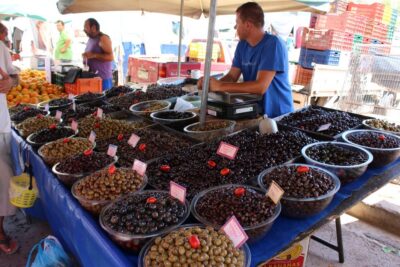
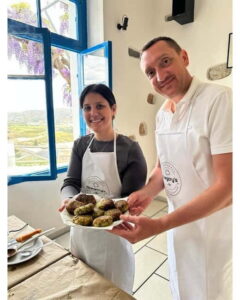
You’ll get pairing bread, cheese, and vegetables with extra virgin olive oils, plus you’ll taste the famous Kalamata olives and olive tapenades. This is more than a snack interlude. Pairing shows you how oil interacts with salt, fat, and acidity. It also gives you a way to remember the oils later—because your brain links the flavor to a real bite, not a tasting alone.
One underrated part of this food section: tapenades are an easy entry point if you’re not sure what olive oil should taste like yet. You can use them as a flavor reference, then go back to the oils with a better idea of what you’re looking for.
And yes—there’s usually an opportunity to buy the products you taste directly there, so the tour can turn into a bring-home mission, not just a memory.


Group Size, Timing, and What the Short Duration Means

This is a compact experience: about 1 hour 30 minutes. That’s a good thing if you’re building a day around Kalamata, Ancient Messene, or other stops in the Peloponnese. It’s also a good match if you like food tours but don’t want to spend half a day in a vehicle.
The small-group cap of 16 people matters here. Short tours can easily turn into crowds and rushing. This one stays structured enough that you’ll have time to ask questions during the tasting and get explanations while you’re actually tasting, not after you’ve moved on.
One more practical note: the tour does not include an air-conditioned vehicle. If you’re traveling in hotter months, plan for the outside conditions before you meet at the start point. The tour itself stays focused on the stops, but you’ll still have to think about comfort on the route between sites.
Price and Value: What $54.31 Gets You
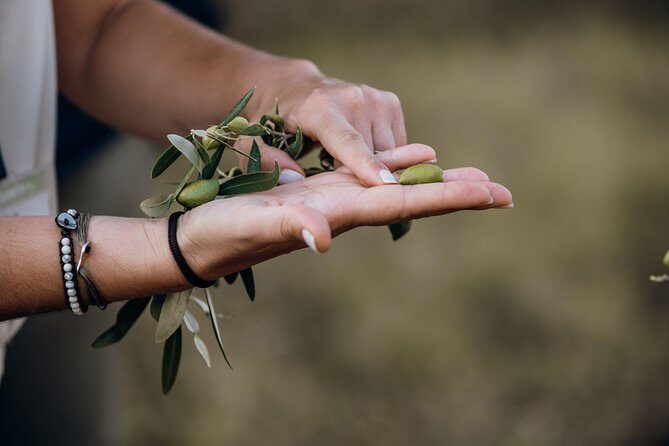
At $54.31 per person, this isn’t an impulse bargain, but it also isn’t overpriced for what’s included. The value is in the combination:
- Tour leader for a small group
- Visits to both a modern olive mill and a traditional olive setting
- An olive oil tasting workshop led by an olive oil expert
- Small bites paired with extra virgin olive oils
- Kalamata olives and olive tapenades
For your money, you’re paying for more than samples. You’re paying for explanation—how olives connect to quality, how extra virgin is assessed, and how to recognize organoleptic differences. That kind of guided tasting is what makes the tour feel educational, not just food-walk sightseeing.
Also, because it’s about 90 minutes, you’re not adding extra time costs. You can stack this with other Messinia highlights without feeling like your day is eaten up by logistics.
Practical Tips for Your Olive Oil Day in Messinia
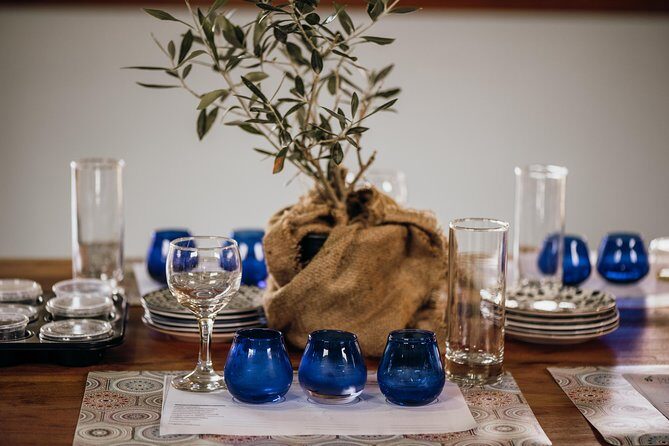
To get the most from this tour, here are the choices that actually help:
- Arrive a few minutes early at the meeting point in Androusa (Epar.Od. Ellinoklissias-Androusa 29, Androusa 240 13, Greece). This keeps the group on schedule, especially with multiple stops.
- Go with curiosity, not judgment. Extra virgin tasting can start as surprising—some oils feel peppery or grassy. The expert-led guidance helps you figure out what you’re noticing.
- Ask to slow down during tasting if something clicks late. This is the part where you’ll benefit most from clarifying what words like fruity, bitter, and pungent mean in practice.
- Plan to carry a taste memory home. With products available on-site, bring a tote bag so you’re not scrambling later.
Finally, if you’re hoping for a long grove walk, you might need a different tour option. This experience keeps focus on museum + mills + tasting. That structure is great—just match it to your expectations.
Should You Book This Olive Oil Mill Visit and Tasting?
Book it if you want a short, high-impact Messinia experience that links olive trees, production, and real tasting skills. This is especially worth it if you care about extra virgin olive oil and want to learn how to recognize quality without being an expert already.
Skip it (or look for another format) if you’re mainly after an extended outdoors-and-groves adventure or if you expect a factory-style “watch everything run” tour every single time. The mill visit is part of the story, but this is not designed as a full-day industrial deep look.
If you’re the type who likes to taste, compare, and then bring something home that matches what you learned, this tour hits the sweet spot.
FAQ
FAQ
How long is the Olive Oil Mill Visit and Tasting in Androusa?
It lasts about 1 hour 30 minutes.
Where does the tour start and end?
It starts at Epar.Od. Ellinoklissias-Androusa 29, Androusa 240 13, Greece, and ends back at the meeting point.
Is the tour offered in English?
Yes, it is offered in English.
What is included in the price?
You get a tour leader for a small group, visits to the traditional and modern olive oil mills, an olive oil tasting workshop led by an olive oil expert, and tasting of local products such as Kalamata olives and olive tapenades, plus pairing bites with bread, cheese, vegetables, and extra virgin olive oils.
Is lunch included?
No, lunch is not included.
Does the tour provide an air-conditioned vehicle?
No, an air-conditioned vehicle is not included.
How big is the group?
The tour has a maximum of 16 travelers.
Do I receive a mobile ticket?
Yes, the tour includes a mobile ticket.
What is the cancellation policy?
You can cancel for a full refund up to 24 hours before the experience starts. If you cancel less than 24 hours before, the amount paid isn’t refunded.
What happens if the weather is poor?
This experience requires good weather. If it’s canceled due to poor weather, you’ll be offered a different date or a full refund.