REVIEW · CRETE
Cooking class at the Shepherd’s Shelter in Rethymno
Book on Viator →Operated by Το Σπίτι του Βοσκού · Bookable on Viator
The best part of this Cretan cooking class is that it starts long before the stove. You visit a working mountain farm near Milopotamos, pick vegetables and herbs, learn how sheep’s milk becomes cheese, then sit down to a generous meal made from what you have helped prepare. Farm life is the lesson here, not just the food.
I like the hands-on cheese making, which gives the class a real sense of place, and I like the farm tour, where you learn about animals and the daily life of a shepherd. The discussion of Cretan nutrition, along with local wine and raki, adds useful context instead of leaving you with a list of recipes. Yiorgos Kokkinos and his family host the experience, according to the provider details.
The main consideration is the setting. The class takes place at a mountain farm, not in central Rethymno, and the meeting point is listed on an unnamed road near Milopotamos. You should be comfortable arranging your own way there and spending about five hours on a rural property.
In This Review
- Key points to know before booking
- A farm kitchen high on Psilor(e)iths
- Picking herbs before you cook
- Turning sheep’s milk into cheese
- Meeting the animals and learning shepherd life
- Cooking a full Cretan meal from scratch
- What the five-hour schedule means for you
- Is $131.06 a fair price?
- Who will enjoy this experience most?
- Booking details and cancellation advice
- FAQ
- Where does the cooking class take place?
- What time does the activity start?
- How long does the class last?
- What will I learn to make?
- Does the class include a farm tour?
- Are wine and raki included?
- How many people can join the class?
- Should you book the Shepherd’s Shelter cooking class?
Key points to know before booking
- Sheep’s milk cheese is made by hand, giving you a practical look at one of Crete’s oldest food traditions.
- The meal begins with picking produce, including vegetables and herbs used in the cooking class.
- A guided farm tour is included, with an introduction to the animals and the work of a shepherd.
- Wine and raki are part of the tasting, adding a social Cretan touch to the meal.
- The small group is capped at 12 people, so the class should feel more personal than a large food tour.
- The listed price is $131.06 per person, with discounts for groups and a final price that varies with party size.
A farm kitchen high on Psilor(e)iths
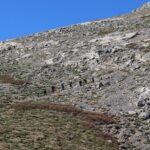
This class gives you a useful change of pace from Crete’s beaches, old towns, and archaeological sites. The setting is a farm on Mount Psilor(e)iths, where cooking is tied to animals, crops, weather, and family work.
You meet at The Shepherd’s Shelter near Milopotamos at 11:00 a.m. The activity returns to this same meeting point, and the full program lasts about five hours. That makes it a substantial half-day, with enough time for cooking and conversation without turning the experience into an all-day commitment.
The farm setting matters. In a town kitchen, you can learn how to assemble a dish. Here, you get a better sense of where the ingredients come from and why Cretan cooking uses them so simply. Fresh vegetables, herbs, sheep’s milk, olive oil, wine, and local spirits are not presented as abstract ingredients. They are connected to work on the land and to the daily rhythm of rural Crete.
The exact route from Rethymno is not provided, so you should check the meeting point carefully before booking. The address is listed as The Shepherd’s Shelter, Unnamed Road, Milopotamos 740 51, Greece. No transfer service is specified, so do not assume transportation from your hotel is included.
You can also read our reviews of more cooking classes in Crete
Picking herbs before you cook
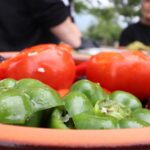
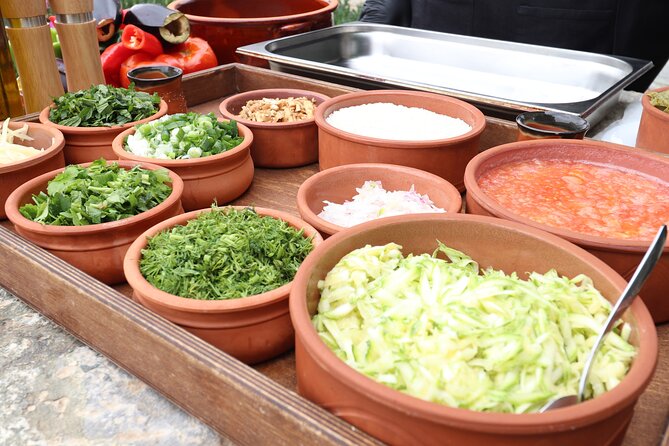
The class begins with the kind of preparation that many cooking lessons skip. You help pick vegetables and herbs for the meal, using produce supplied from local farms and described as fresh and organic.
This is a small detail with a big payoff. You see the ingredients before they are washed, chopped, or cooked. You can ask how they fit into Cretan food traditions, and you get a clearer idea of why the cuisine often depends on good produce rather than heavy sauces or complicated techniques.
The class also includes a discussion of the nutritional value of Cretan products. That makes the food lesson broader than a recipe demonstration. You learn not only what to prepare, but why particular foods matter in the local diet.
The available details do not list the exact menu. That is worth keeping in mind if you have a particular dish in mind or need to avoid certain ingredients. The experience promises a Cretan meal prepared from scratch, but you should ask the host about the day’s recipes and any dietary needs before arrival.
Turning sheep’s milk into cheese
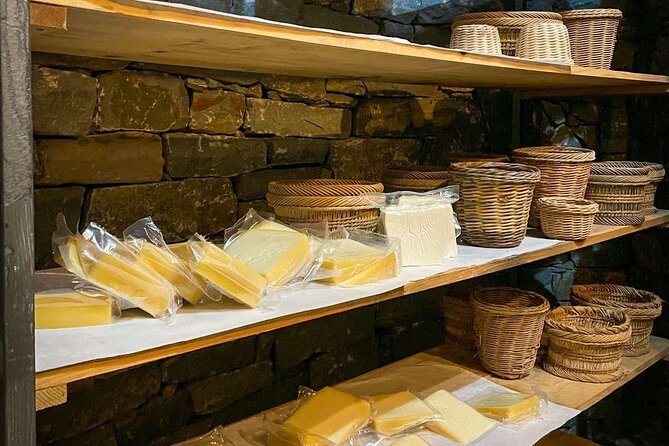
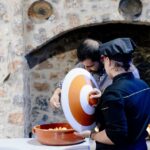
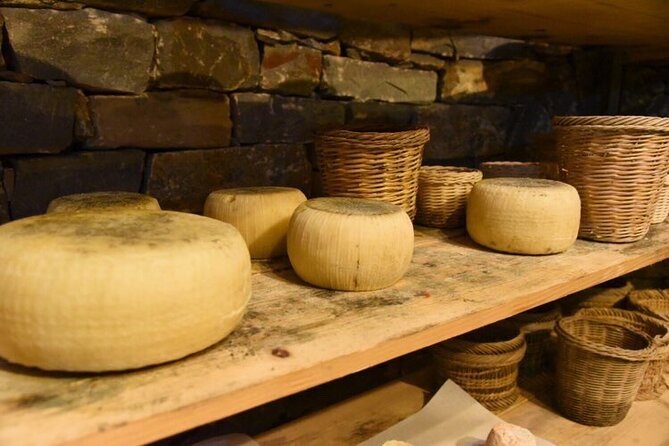
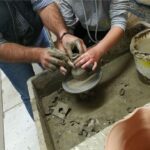
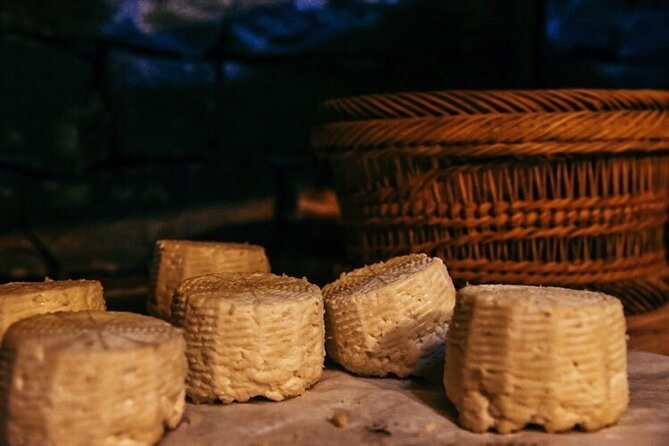
Cheese making is the signature hands-on feature. You learn how to make cheese from sheep’s milk, a process that connects the meal directly to the farm’s animals and to shepherding traditions in Crete.
You should not expect a formal dairy-school lesson with a long technical syllabus. The appeal is more direct. You take part in a traditional food task and see how a basic local product is made. For anyone interested in food production, this may be more memorable than simply tasting several finished cheeses.
The cheese session also helps explain why this is called a shepherd’s shelter rather than just a cooking studio. The class links the kitchen to the animals and the work that supports it. That connection gives the experience a stronger sense of place than a standard restaurant-based cooking class.
The supplied information does not say how much cheese you make or whether you take any home. Plan to enjoy the process and the meal, rather than assuming you will leave with a packaged cheese-making kit or finished product.
Meeting the animals and learning shepherd life
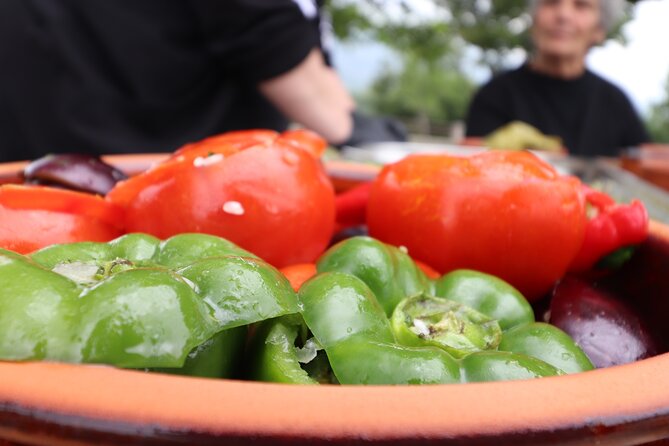
A guided tour of the farm is included, with an introduction to the animals. This is one of the most appealing parts for families and for anyone who wants more than a cooking demonstration.
You get a glimpse of the practical side of rural Crete. The farm tour helps show how food, animals, and household work fit together. It also gives the class a welcome break from chopping and stirring, especially if you are traveling with children or with someone who is more interested in country life than in recipes.
The class presents the life of a shepherd as part of the food story. That does not mean you are signing up for a full workday or a strenuous farm task. It means the host uses the property and its animals to explain where local foods come from and how traditional Cretan households have worked.
The group limit is 12 people. That is a useful size for this sort of activity. You have a better chance to see the demonstrations, ask questions, and take part in the practical work without being lost in a crowd. Still, the experience is shared, so it may not suit someone seeking a private lesson.
Cooking a full Cretan meal from scratch
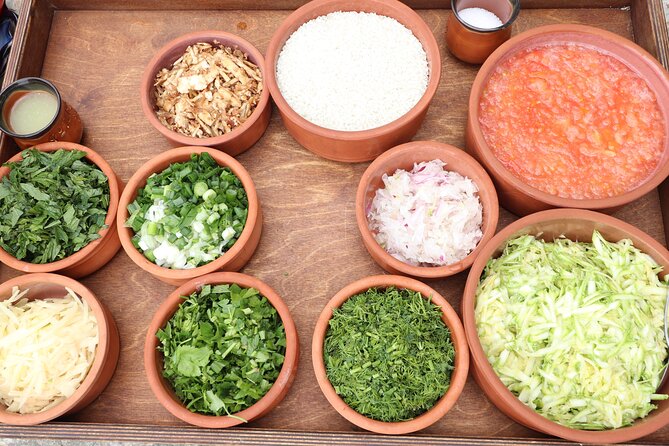
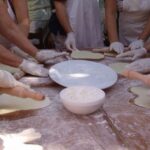
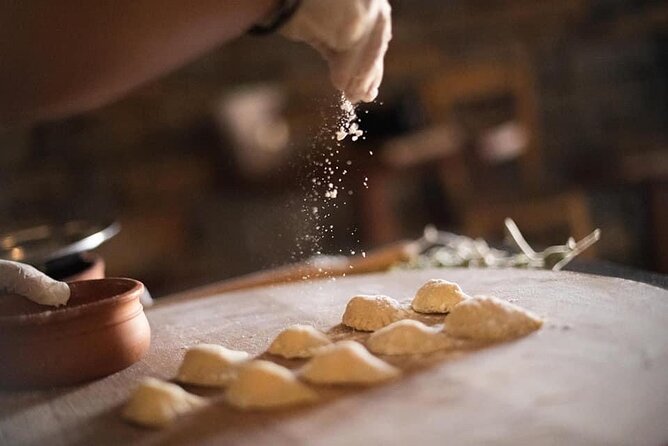
After collecting ingredients and learning about the farm, you prepare a Cretan meal. The emphasis is on making food rather than watching a chef perform from a distance.
That distinction matters. You will likely spend your time handling ingredients, following guidance, and working through the steps of the meal. The class is best for you if you enjoy a relaxed, social kitchen session and do not need every minute planned around a formal schedule.
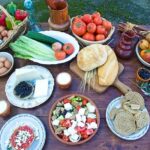
The amount of food is another notable feature. The available account describes generous portions, enough to leave diners very full. That is good news if you want lunch included as part of the experience, though it also means you should not plan a large meal immediately afterward.
Because the menu is not specified, I would treat the meal as a seasonal Cretan experience rather than a chance to choose from a restaurant menu. Ask in advance if you have allergies, follow a special diet, or need a vegetarian or other tailored menu.
You also taste local wine and raki. Wine fits naturally with the meal, while raki gives you a taste of a familiar Cretan after-meal tradition. Drink at your own pace, especially if you are driving afterward. The information confirms that both are offered, but it does not specify the number of servings or the exact winery or distillery.
A few more Crete tours and experiences worth a look
What the five-hour schedule means for you
The 11:00 a.m. start gives the class a late-morning beginning and leaves the earlier part of your day free. You should allow the full five hours rather than expecting a quick lesson followed by an early lunch.
The time is spread across several activities: the farm visit, animal introduction, produce gathering, nutrition discussion, cheese making, cooking, and eating. That variety helps the program feel like a rural visit rather than a single classroom session.
The pace may also depend on the group. With up to 12 people, some tasks may be shared or completed in turns. I see that as part of the social character, but it is worth knowing if you prefer a fast, highly structured class with constant individual instruction.
The activity ends back at the Shepherd’s Shelter. Since no pickup or drop-off is listed, you need to plan both arrival and departure. The mobile ticket is convenient, and confirmation is usually issued at booking. If you book within 11 hours of departure, confirmation comes as soon as possible and depends on availability.
Is $131.06 a fair price?
The listed price is $131.06 per person, though the final cost varies with the number of people. Group discounts are available, which makes this worth checking if you are traveling with friends or family.
At first glance, that is more than the cost of a normal Cretan lunch. But this is not simply a meal. The price covers about five hours of activity, a guided farm visit, cheese making, food preparation, the cooked meal, the local product discussion, wine, and raki.
I think the value is strongest if you want a full cultural activity rather than a short cooking demonstration. You are paying for time, access to a rural setting, and direct contact with the host family’s way of working. The value is weaker if your main goal is simply to eat traditional food or collect a detailed recipe book.
The class is also a better buy for people who enjoy participation. If you would rather sit back while someone else cooks, a food-focused village meal might suit you better. If you want to handle the ingredients and understand the farm behind them, the price is easier to justify.
Since the price changes with group size, ask for the exact rate for your party before making firm plans. The maximum group size is 12, but the supplied information does not state the minimum number needed to operate the class.
Who will enjoy this experience most?
I would recommend this class to food lovers, families, couples, and small groups who want to see a quieter side of Crete. It is especially useful for anyone who values local contact and hands-on activities over a polished cooking studio.
Children may enjoy the animals, produce picking, and cheese making, though the information does not give an age range or a detailed accessibility description. Service animals are allowed. If you have mobility concerns, ask the provider about the farm surface and the physical demands before booking.
This is also a good choice for repeat visitors to Crete. If you have already explored Rethymno’s old streets and beaches, a farm visit near Psilor(e)iths gives you a different view of the island.
I would be more cautious about booking if you have a tight schedule, dislike shared group activities, or need a fully confirmed menu. The class is offered every weekend, with additional days available on request, but other dates depend on arrangement with the provider.
Booking details and cancellation advice
Free cancellation is available when you cancel at least 24 hours before the 11:00 a.m. start time. If you cancel less than 24 hours ahead, you do not receive a refund, and changes made within that period are not accepted.
The cut-off follows local Greek time. I would also confirm the meeting instructions, transportation plan, dietary needs, and the exact group price before the day of the class. Those details matter more here than they would for a standard city walking tour because the meeting point is rural and the menu is not listed.
The provider is Το Σπίτι του Βοσκού, or The Shepherd’s Shelter. The experience is offered in English, and a mobile ticket is available.
FAQ
Where does the cooking class take place?
The class takes place at The Shepherd’s Shelter on an unnamed road near Milopotamos, Crete. The listed address is Milopotamos 740 51, Greece.
What time does the activity start?
The start time is 11:00 a.m.
How long does the class last?
The experience lasts approximately five hours.
What will I learn to make?
You will learn to make cheese from sheep’s milk and prepare a Cretan meal from scratch. The exact menu is not specified.
Does the class include a farm tour?
Yes. The program includes a guided tour of the farm, an introduction to the animals, and information about the life of a shepherd in Crete.
Are wine and raki included?
Yes. Tasting local wine and raki is part of the experience.
How many people can join the class?
The activity has a maximum of 12 participants. Group discounts are available, and the price varies according to the number of people.
Should you book the Shepherd’s Shelter cooking class?
Book it if you want your Cretan meal to come with a farm visit, a cheese-making lesson, local drinks, and a closer look at shepherd life. The strongest reason to go is the combination of activities: you pick produce, meet the animals, make sheep’s milk cheese, cook, and eat in the same rural setting.
Skip it if you want a short, city-based class, a guaranteed menu, or included transportation from Rethymno. Before paying, confirm how you will reach Milopotamos and ask about ingredients if you have dietary restrictions.
For the right visitor, this is a generous and personal way to spend half a day in Crete. You leave with more than a recipe. You gain a better understanding of how food connects to family, animals, and mountain life on the island.