REVIEW · CORFU
Corfu: Small Group City Walking Tour
Book on GetYourGuide →Operated by Corfu Perspectives Guided Tours · Bookable on GetYourGuide
Corfu Old Town rewards slow steps. This small-group walk lets you see the old streets through local explanations, and I especially like the careful stop-and-say approach that links UNESCO context to what you’re standing in front of. Two hours is also long enough to feel like a proper experience, but it is a real walking route on cobbled streets, so good shoes matter.
I also liked how the route keeps moving past photo-friendly landmarks without turning into a museum day. You’ll start with the Esplanade and Liston arcade area, then work your way through fortress history, grand civic and church buildings, and finally into the island’s oldest-feeling neighborhood, Campiello.
If you want to go inside museums or major fortresses, this tour is not that. It’s a walking-and-looking experience, with sightseeing stops designed to give you context rather than tickets.
In This Review
- Key highlights you’ll feel on the walk
- Starting at the Old Fortress Gate: where the tour begins
- Esplanade and Liston arcade gallery: your first real taste of Corfu
- The old fortress area and UNESCO context: history you can point at
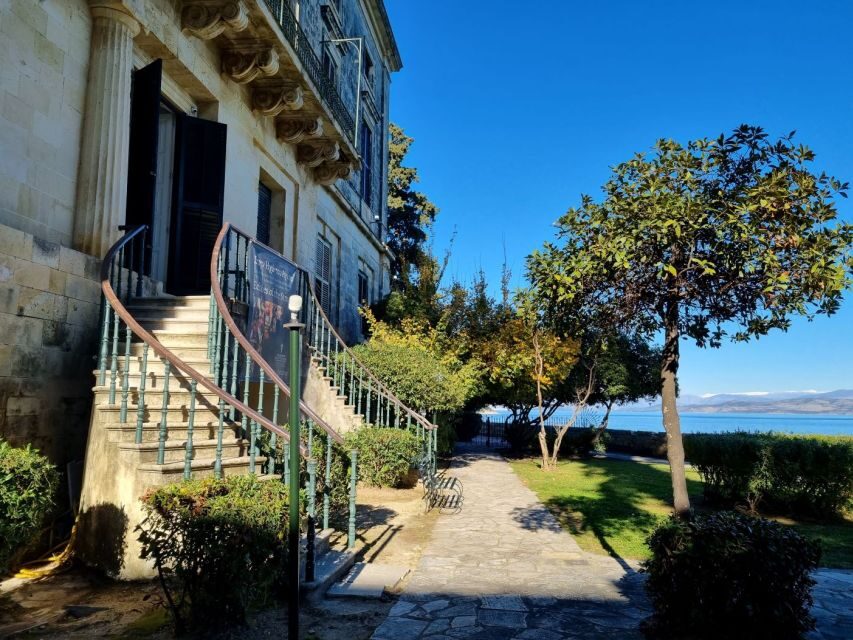
- Neoclassical Palace of St. Michael and St. George: grand buildings with a purpose
- Dimarcheion and the Episcopal Church of San Giacomo: civic life meets faith
- Campiello: the oldest-feeling neighborhood and why the streets matter
- Where the tour finishes in Corfu-town: turn context into a meal
- Price and value: is $82 worth a 2-hour walk?
- What to bring (and what to expect from the walk)
- How the guiding style shows up in the details
- Should you book the Corfu Small Group City Walking Tour?
- FAQ
- FAQ
- Where do I meet for the tour?
- How long is the Corfu walking tour?
- How large is the group?
- Which languages are available for the live guide?
- Are museum or fortress entrances included?
- What should I bring, and is recording allowed?
Key highlights you’ll feel on the walk
- Old Town UNESCO context explained right where it counts
- Liston arcade gallery and Esplanade atmosphere to orient you fast
- Fortress-era storytelling to connect Corfu’s past to today’s streets
- Iconic buildings on one route, from civic palaces to churches
- Campiello neighborhood vibes at the pace of everyday life
- Small group up to 8, so questions actually land
Starting at the Old Fortress Gate: where the tour begins
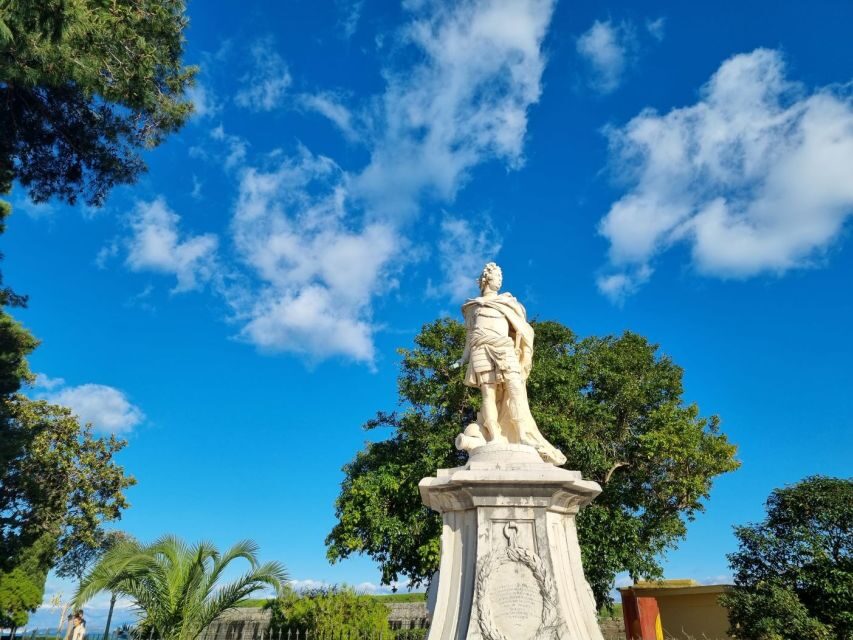
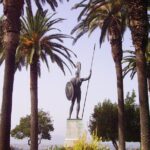
The meeting point is easy to find once you know what to look for: the Old Fortress Gate in front of Schulenburg’s statue. Your guide holds a lollipop sign with the agency logo, so you’re not left guessing in the crowd.
This first moment matters more than you might think. You get oriented on the edge of the historic core, and the guide can quickly set the tone: you’re walking through a place shaped by layers of rule, faith, trade, and street life. For a 2-hour tour, that kind of fast framing is what turns random pretty buildings into a story you can follow.
A practical note: the group is small (up to 8), which changes the vibe. You’re not just being moved along. You can ask why a building looks the way it does, or what a neighborhood name means, without shouting over ten other groups.
You can also read our reviews of more walking tours in Corfu

Esplanade and Liston arcade gallery: your first real taste of Corfu
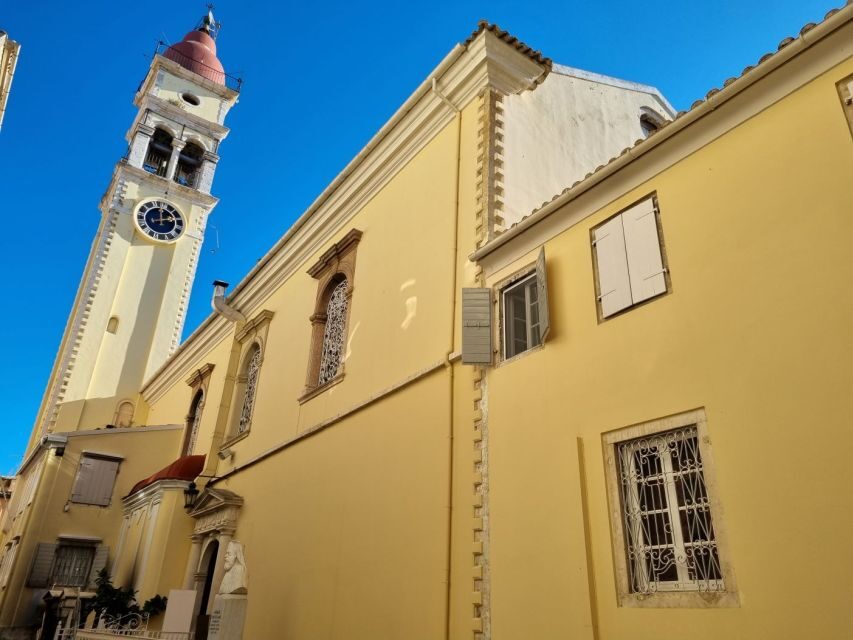
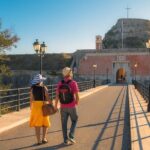
After the welcome, the walk starts with the Esplanade and then moves through the Liston arcade gallery area. This is one of those spots where Corfu looks like it has a public living room. You’ll notice the rows of cafés and bars in the vicinity, and even if you’re not stopping for a drink, the energy tells you something about how the city breathes.
Why this stop works: it gives you a baseline. Once you’ve seen the Esplanade/Liston atmosphere, the older streets you’ll hit next feel less mysterious. The guide can point out architectural cues and street patterns that make more sense once you’ve seen both the grander public-facing side and the tighter older lanes.
You’ll likely spend enough time here to take photos, but not so long that you lose momentum. That’s ideal when your goal is to enjoy the walk and still cover real sights in a short window.
The old fortress area and UNESCO context: history you can point at
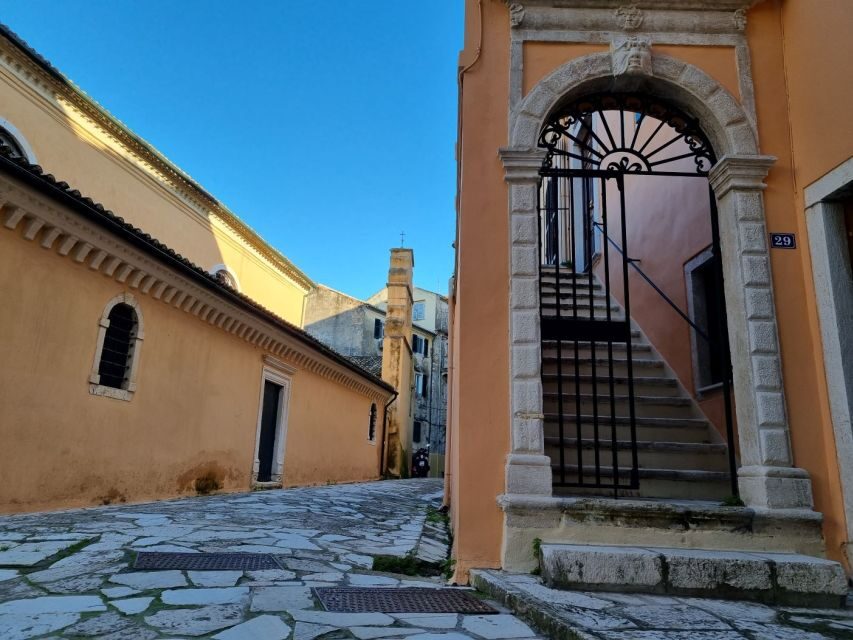
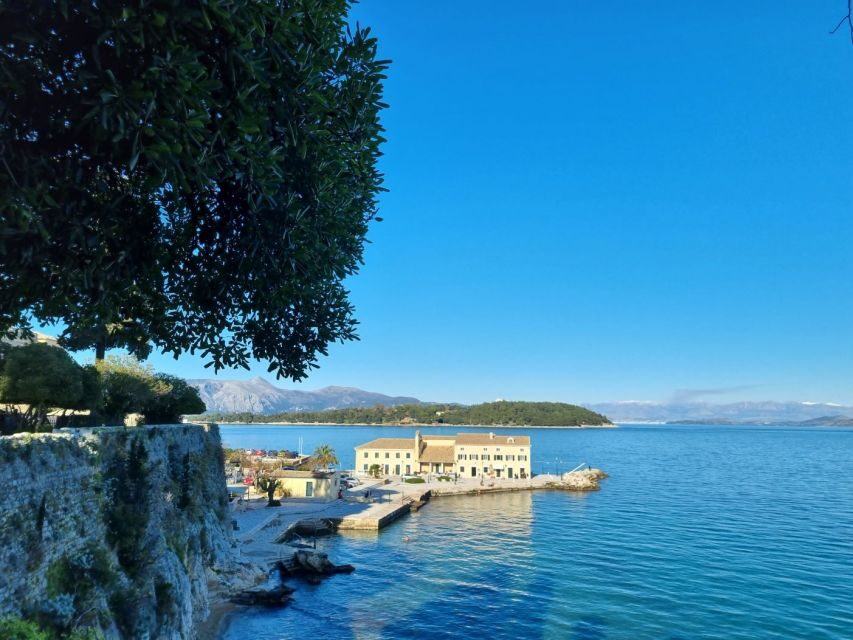
Next comes the old 14th-century fortress area, where the guide connects Corfu’s past to what you see around you. This part is less about ticking off a viewpoint and more about understanding why Corfu developed the way it did.
The tour also references the old town’s UNESCO world heritage status. You’re not just told it’s important; you’re shown how the street layout and architectural style fit the kind of heritage UNESCO aims to protect. In other words, you learn how to read the city.
Two things I appreciate here:
- The explanation stays tied to visible details rather than turning into a lecture.
- You’re walking between eras, so the story doesn’t feel like one long timeline with no breaks.
Possible drawback: the fortress section can be a lot of standing and looking, and with cobblestones underfoot, you’ll want to pace yourself. Bring water, and if it’s hot, plan on sunscreen doing real work.
Neoclassical Palace of St. Michael and St. George: grand buildings with a purpose
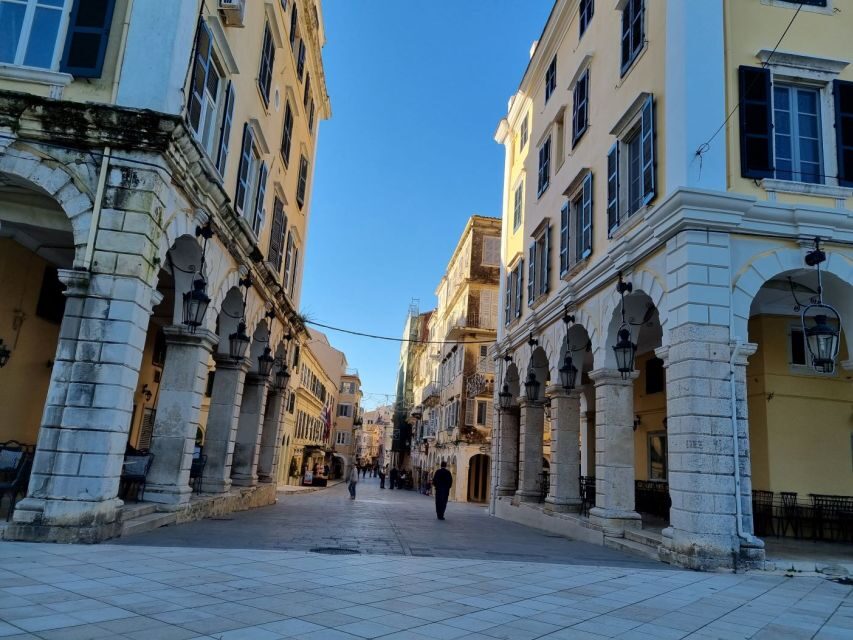
From the fortress area, the walk moves into the city’s more formal stretches, including the Neoclassical Palace of St. Michael and St. George. This is where Corfu’s public power and institutional presence become obvious. Neoclassical design tends to communicate authority through symmetry, proportion, and a polished look, and that is exactly what you’ll notice when you stand in front of it.
The guide’s job is to connect the look to the time period and civic role. That turns a “nice building” into a clue about who influenced the city and how it wanted to represent itself.
If you enjoy architecture, you’ll likely get a lot out of the way the guide points out features you might otherwise miss. For example, it’s the kind of place where the details in the façade help you understand style changes across the city.
Dimarcheion and the Episcopal Church of San Giacomo: civic life meets faith
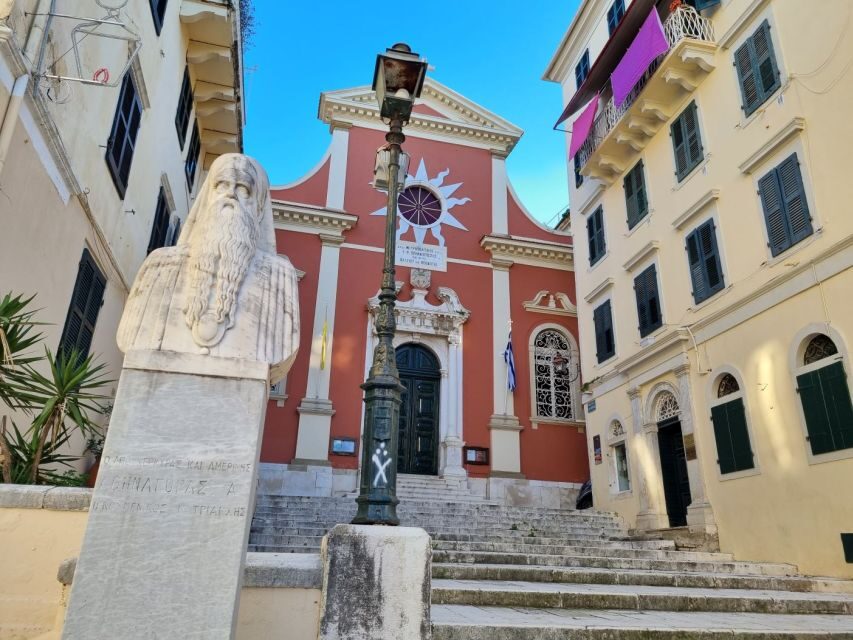
The tour continues to the Dimarcheion and the Episcopal Church of San Giacomo. These are strong stops because they show two different types of influence living side-by-side in Corfu.
- The Dimarcheion gives you a look at civic administration, the kind of building language that signals governance and public order.
- San Giacomo adds the religious layer, where church architecture reflects how faith and community identity shaped daily life.
This is also one of the stops where a small-group format shines. If you’re curious about how church and civic buildings affected neighborhood development, you can ask and get a specific answer without waiting your turn for the next group’s questions.
Also, remember this tour is not built around entering interiors. Museums and fortress visits are not included. You’ll be seeing the buildings as you walk past them, with context from your guide.
You can also read our reviews of more city tours in Corfu


Campiello: the oldest-feeling neighborhood and why the streets matter
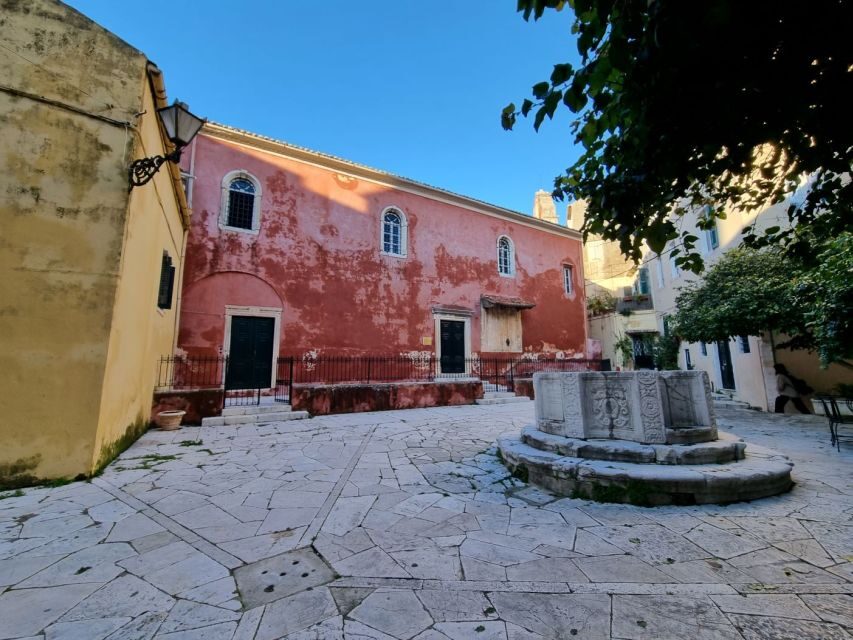
After the grander buildings, the route turns toward Campiello, described as the oldest neighborhood on the island. This is a key moment because the tour shifts from monuments to lived-in street character.
Campiello tends to feel more intimate: older lanes, older rhythms, and a sense that the city grew in place rather than being planned as one big showpiece. This is where the UNESCO idea becomes more tangible. Heritage isn’t only in major landmarks; it’s also in the way neighborhoods keep functioning and shaping daily movement.
One reason I like ending with a place like this: it gives you contrast. If earlier stops felt like big-picture history, Campiello helps you experience the city at street level.
Where the tour finishes in Corfu-town: turn context into a meal
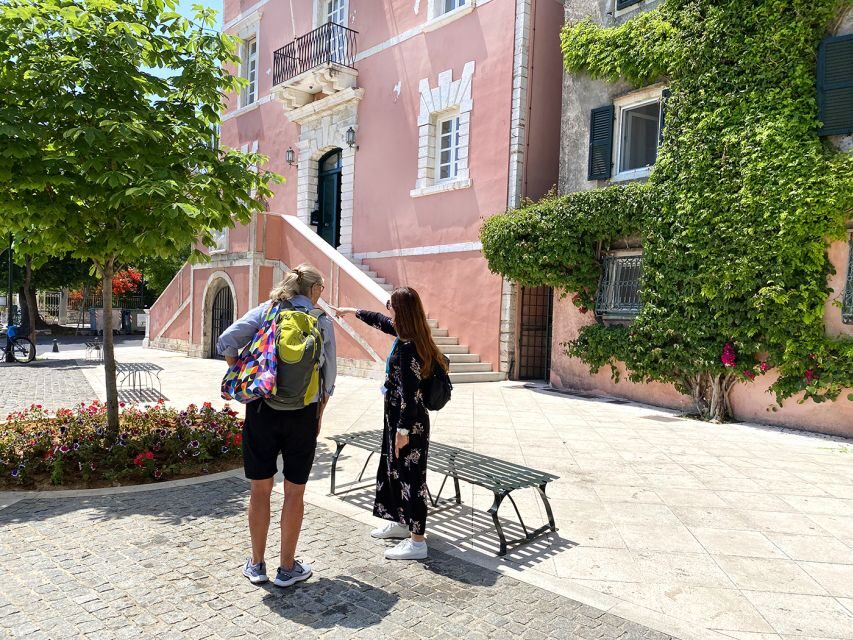
Your guide finishes the tour in Corfu-town. From there, the practical part kicks in: you can head down the bustling streets to find stalls, shops, and tavernas.
This is where local food cues help. The tour points you toward places selling Corfiot specialties like kumquat and Corfiot olive oil. Even if you’re not sure what to order, you’ll now know what kind of treats to look for, and what the city is proud to put on menus.
My advice: don’t plan a heavy dinner immediately after. Give yourself a little time to wander and pick a place that feels right. The walk gives you context, and then you get to enjoy Corfu’s everyday pace in return.
Price and value: is $82 worth a 2-hour walk?
At $82 per person for a 2-hour small-group tour, the value is mostly about what you’re buying: a guided route with a professional local guide, plus 24% fees and taxes included. You’re not paying for museum tickets, fortress entrances, or drinks because those aren’t included.
So the tradeoff is clear:
- If you love architecture, city layout, and explanation that turns sights into meaning, this price can feel fair because you’re getting a guided interpretation of the core old-town area.
- If you’re only interested in inside visits or want lots of time in museums, you’ll feel limited because the tour is designed as a walking sightseeing experience.
The small group matters too. Up to 8 people means you’re more likely to get a human conversation instead of a scripted monologue. One review highlighted that the guide still ran even when the group ended up very small, which tells me the format is built for flexible, real-time guiding rather than mass processing.
What to bring (and what to expect from the walk)

This tour is built for walking old streets, which can be uneven. Bring:
- Comfortable shoes for cobblestones
- Water (seriously)
- Sun hat and sunscreen
- Weather-appropriate clothing
A small but important detail: there are rules about media. Video recording and audio recording are not allowed. That’s usually for a reason: it keeps the tour focused on listening and on the guide’s explanations.
Also check who it suits. It’s not suitable for children under 3, pregnant women, people with mobility impairments, people with heart problems, or wheelchair users. Even if you can walk in general, this route is not positioned as an easy stroll.
How the guiding style shows up in the details
I like tours where the guide makes the city feel readable. Here, that shows up in the sequence: Esplanade for orientation, Liston for atmosphere, fortress history for why the city looks the way it does, and then a run of standout civic and church buildings so you can recognize influences without needing a guidebook.
It also helps that the tour offers live guidance in German and English. If you’re traveling in English, you still get a real local guide voice, not just translations.
One named guide that stood out in the provided feedback is Efi. The praise focused on how she connected different periods of Corfu, architecture, and famous people. That’s the exact skill set you want from a walk like this: stories that explain forms, not just facts for facts’ sake.
Should you book the Corfu Small Group City Walking Tour?
You should book it if:
- You want a short, focused way to see the heart of Corfu Old Town
- You care about architecture and how buildings reflect history
- You prefer small groups so you can ask questions
You might skip it if:
- You’re mainly looking for inside museum time or fortress entry
- You need a wheelchair-accessible route or you have mobility/health constraints that make cobblestones risky
If you’re flexible, this tour is also an easy add-on because it’s a 2-hour slot. And because they offer free cancellation up to 24 hours in advance and a reserve-now-pay-later option, you can book without feeling locked in.
FAQ
FAQ
Where do I meet for the tour?
You meet at the Old Fortress Gate in front of Schulenburg’s statue. The guide will be holding a lollipop sign with the agency’s logo.
How long is the Corfu walking tour?
The tour lasts 2 hours.
How large is the group?
This is a small group tour limited to up to 8 participants.
Which languages are available for the live guide?
The tour is offered with a live guide in German and English.
Are museum or fortress entrances included?
No. Visits to museums, fortresses, and similar ticketed stops are not included. You’ll see sights from the walk and learn about them.
What should I bring, and is recording allowed?
Bring comfortable shoes, a sun hat, sunscreen, and water, plus weather-appropriate clothing. Video recording and audio recording are not allowed.