REVIEW · CORFU
Small-group Corfu Town Historical Walking Tour
Book on Viator →Operated by Corfu Walking Tours · Bookable on Viator
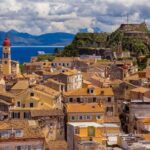
Corfu Old Town makes more sense on foot. You get a small-group size and a guided hit-list that turns UNESCO Corfu Town from postcard photos into real places, starting at the Old Fortress and ending with the story of the Evraiki Jewish quarter. One heads-up: it’s still a walking tour, so plan on being on your feet for about 3 hours, especially in hot weather.
I like that you can choose a morning or evening departure, which makes it easier to fit into a day that already includes beaches, viewpoints, and the inevitable last-minute museum detour. With a maximum of 10 people (and often far fewer), you get real conversation, not a headset lecture.
In This Review
- Key Highlights You’ll Notice Fast
- Start at the Old Fortress: How the Tour Sets the Tone
- Spianada Square and Liston: Where Corfu’s Public Life Happens
- The Palace of St Michael and St George: British Power, Asian Art
- Church of St Spyridon: The Island’s Patron, Up Close
- San Giacomo Theatre and Old Town Hall: Why the Streets Keep Changing
- Evraiki Jewish Quarter: Narrow Lanes, WWII Impact
- Small-Group Size: Why Your Guide’s Answers Matter
- Timing and Pace: Morning vs Evening in Corfu Town
- What $95.86 Really Buys You
- Should You Book This Walking Tour?
- FAQ
- How long is the Corfu Town Historical Walking Tour?
- What does the tour cost?
- How big is the group?
- Is the tour in English?
- Where do we meet for the tour?
- What time does it start?
- Does the tour include admission to the Old Fortress?
- Can I cancel and get a full refund?
Key Highlights You’ll Notice Fast
- Old Fortress entry included: You go in together with an accredited guide rather than just standing outside.
- St Spyridon and its bell tower: A 16th-century Venetian-style church tied to the island’s identity.
- Spianada Square details: Venetian naming, French civic makeover, and cricket on the Esplanade.
- British-era landmark on the main square: The Palace of St Michael and St George and the museum it now hosts.
- Tight group, real Q&A: Limited to about 8 people in practice, so your questions actually land.
- Evraiki Jewish quarter walk: Narrow lanes shaped by history, including WWII bombardments.
Start at the Old Fortress: How the Tour Sets the Tone
The walk begins at Agoniston Politechniou, near Kerkira’s central area, with the official meeting point in town. Your guide meets you in front of the Old Fortress at the statue of Schulemburg, gives quick context, then you enter together.
The fortress stop is about an hour long, and the entry ticket is included—this matters because it’s one of those places where wandering on your own can feel like you’re just looking at stone walls. With a guide, you learn what you’re actually looking at, and you’re more likely to notice the layers: defensive design, Venetian-era influence, and why this spot dominates views of Corfu Town.
Practical tip: wear shoes that handle uneven stone. Old Corfu is full of narrow streets and small grades. Even when the route is described as easy for most people, you’ll still want traction and comfort.
You can also read our reviews of more walking tours in Corfu
Spianada Square and Liston: Where Corfu’s Public Life Happens
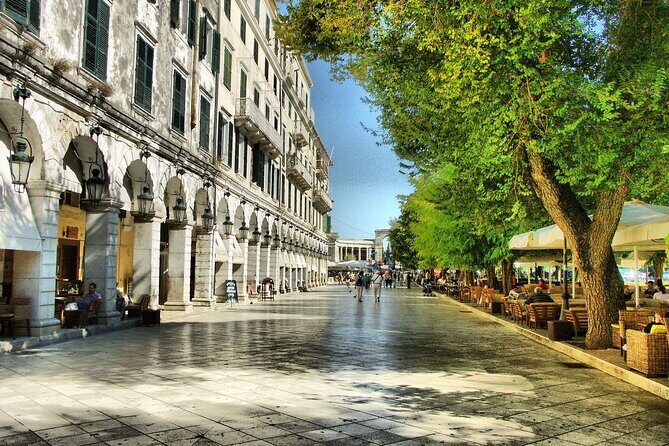
Next you step into Spianada Square, the big open space at the heart of Corfu Town. The name comes from a Venetian word meaning open flat area, and it’s famous for being among the largest squares in the Balkans.
This stop is short—around 20 minutes—but it’s packed with context. You’ll hear how the French turned Spianada into a public square, and you’ll also get the before-story: before the 19th century it was used defensively as a large empty lot. Then there’s the fun oddity: cricket matches are played on the Esplanade, and it’s the only place in Greece where the sport is played.
Look down the edge of the square where Liston sits. Liston is the line of elegant arcades and cafes/restaurants that define the area’s “sit and watch the world” vibe. If you’ve been walking all morning, this is one of the best places to slow down without feeling like you’re wasting time.
Practical tip: use Spianada to take a breather and reset your bearings. After you leave, the streets tighten fast.
The Palace of St Michael and St George: British Power, Asian Art
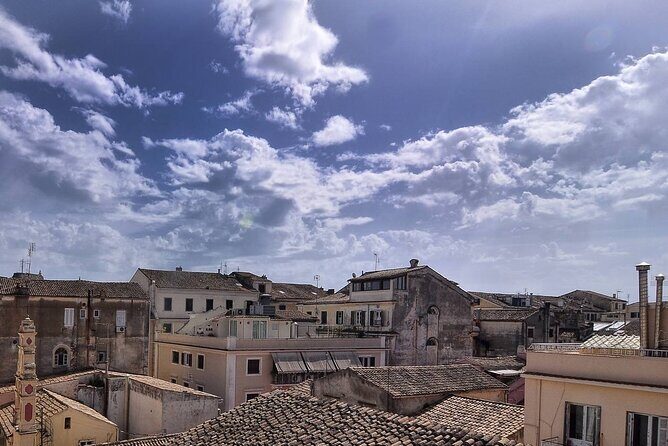
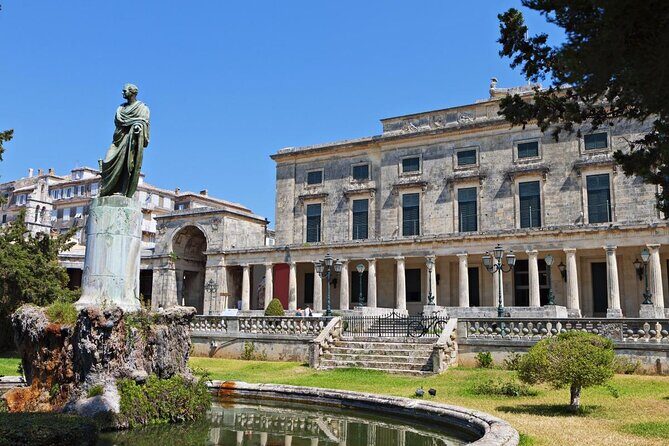
From Spianada you move through the northern part of Corfu Town’s historical center to the Palace of Saint Michael and Saint George. This is a standout building tied to the British rule period in the Ionian Islands, from 1814 to 1864.
The palace was built on the request of British Lord High Commissioner Sir Thomas Maitland. The goal was practical and political: it served as Maitland’s luxurious residence and also housed the High Commissioner’s administrative headquarters.
Today, the building houses the Corfu Museum of Asian Arts, a museum dedicated to art and antiquities from the Far East and India. It was founded in 1928 and its collection includes about 15,000 works, with rare items recognized in international exhibitions.
Even if you don’t go inside immediately (the tour time here is focused on walking and seeing the landmark), this stop is valuable because it corrects a common assumption that Corfu Town is only Venetian, only Greek, only one story. It’s also English-era architecture—and it’s tied to a museum that’s not something you stumble on in every European city.
Practical tip: if Asian art is your thing, note the museum name and consider timing a return visit during your free time.
Church of St Spyridon: The Island’s Patron, Up Close
The Church of Saint Spiridon (Agios Spyridon) is next, and it’s one of the emotional anchors of Corfu Town. This church is the patron saint’s home, and it’s also famous as a miracle worker.
You’ll visit here for about 20 minutes. The church dates to the 16th century, and its architecture is typical of Venetian style. The bell tower is the highest point in town and is visible from all over the Old Town area—so even if you’re not staring at it right now, you’ll likely spot it later as you wander independently.
Inside, the tour explains a detail that makes this place feel deeply local: there’s a crypt where the relics are kept in a double sarcophagus.
Practical tip: keep your voice down and slow your pace. Even on a tour, you’ll feel that this isn’t a showpiece. It’s still part of everyday belief for many locals.
San Giacomo Theatre and Old Town Hall: Why the Streets Keep Changing
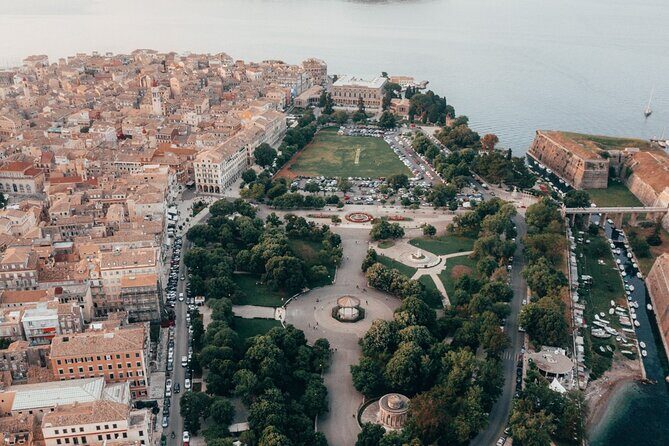
As you continue through the narrow lanes, you pass Old Town Hall Square and the area connected with San Giacomo Theatre.
The neighborhood story is Venetian first. This was once an area for the Venetian elite, with an opera house and villas around it. In 1720, the Noble Theatre of Saint Giacomo of Corfu operated here. Then in 1903, the building was turned into a town hall.
This stop is about 15 minutes and works like a “history in one glance” moment. It’s a reminder that architecture in Corfu Town didn’t freeze in time. Buildings adapted as power shifted—from Venetian cultural life to British administration to later civic use.
Practical tip: don’t rush this part just because it’s short. Stand still for a minute and compare what you see on the street now with how the guide explains what used to be there.
You can also read our reviews of more historical tours in Corfu




Evraiki Jewish Quarter: Narrow Lanes, WWII Impact
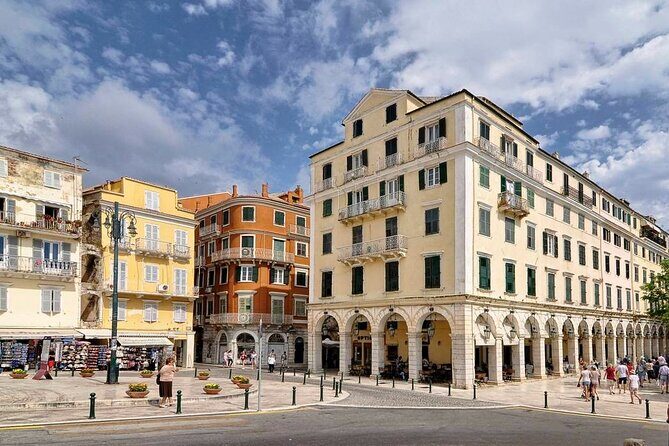
The final stretch focuses on the Jewish quarter, known in Greek today as Evraiki. It stretches across the southeast part of the city near the Venetian fortifications.
You’ll hear how the neighborhood was laid out with criss-crossing alleyways lined with faded, multistoried houses—an urban feel that people compare to Venice. The important note is that the area lost much of its original unity due to bombardments during World War II.
This isn’t a “look and move on” stop. The streets are tight, and the history here is heavy. Your guide’s job is to keep you oriented while also treating the area with respect.
Practical tip: if you stop for photos, do it quietly and briefly. In a place with layered history like this, it’s better to leave no trace than to chase the perfect angle.
Small-Group Size: Why Your Guide’s Answers Matter
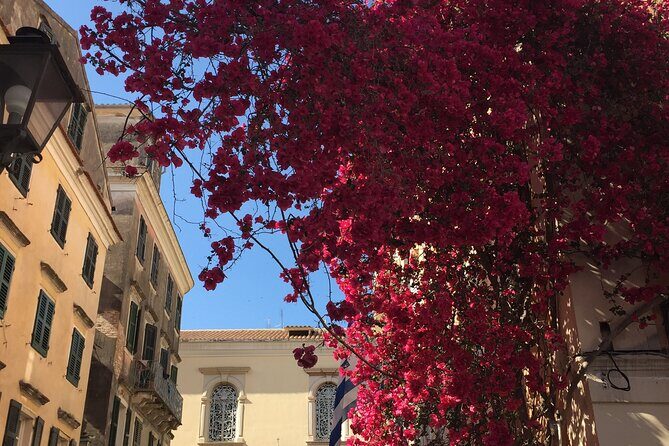
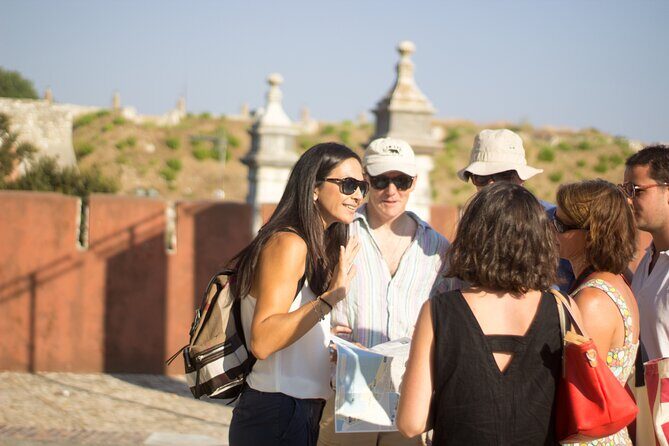
This is where the tour earns its top rating. The maximum group size is 10, and the experience is designed as a small group that can be limited to about 8, which changes everything:
- You can ask follow-up questions as you walk.
- You get context tied to what you’re seeing, not generic city facts.
- Your pace can adjust, including breaks when it’s hot.
Guides running this walk often bring a personal style—names that show up often include Electra, Ariti, Nausica, Debbie, and Alice/Alkistis. You’ll feel that firsthand in how they explain the why behind the what, and how they manage the walking tempo so it stays enjoyable instead of exhausting.
One more note: walking tours can be great, but they’re still walking tours. Even when the route is “fairly easy” for most people, you should expect standing in viewpoints, moving through narrow streets, and doing the slow dance of stairs and cobblestones.
Timing and Pace: Morning vs Evening in Corfu Town
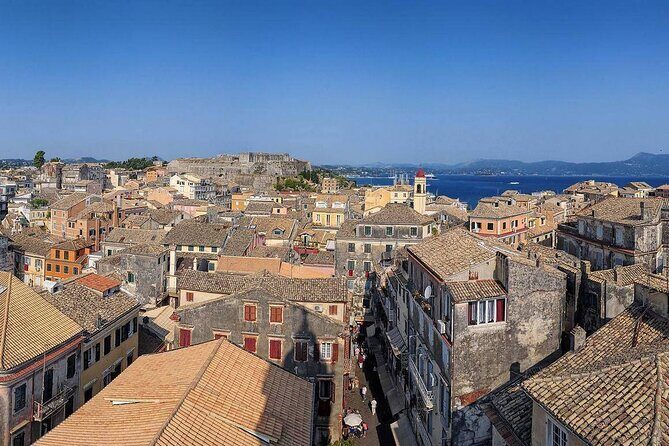
You can choose a morning or evening departure, and that’s not a small detail—it helps you match the walk to your energy and to the way light hits Corfu Town’s stone buildings.
If you go in the morning, you’ll often feel fresher for the Old Fortress portion and better able to enjoy the church stop without rushing. If you go in the evening, the Old Town can feel more alive with locals and lingering conversations around the squares and cafes.
Either way, the tour runs around 3 hours. Start time examples can include a 10:00 am departure, but the key is: build your day with a real walking block. Don’t schedule a long ferry transfer immediately afterward.
What $95.86 Really Buys You
At $95.86 per person, this is not a “cheap and cheerful” add-on. So I look for what’s included and how it saves you time.
Here’s the value logic that makes sense:
- You get a guided walk through multiple major landmarks in a short window.
- The Old Fortress admission ticket is included, which removes one common line-item cost.
- The tour is structured around a focused route through UNESCO-listed Corfu Town, so you’re not paying for someone to simply point at random streets.
- Small-group size means you spend less time waiting and more time asking questions.
If you were to hire a private guide or do all stops independently, you’d likely spend extra on admissions, guide time, and the trial-and-error of figuring out what to notice. This tour compresses the best “first Corfu Town orientation” into a single, efficient afternoon or morning.
Should You Book This Walking Tour?
Book it if you want:
- A structured way to see Corfu Town’s top historical anchors in about 3 hours.
- A guide who can connect Venetian, British, and local religious history into one route.
- A small group experience with real interaction, not a crowd herding strategy.
- A quick plan for the Old Fortress, Spianada Square, St Spyridon, and Evraiki without mapping everything yourself.
Skip it (or switch to a lighter option) if:
- You strongly dislike walking or you know you’ll struggle with being on your feet for a full tour block.
- You’re looking for a long museum visit. This is a walking-and-seeing experience, with a strong emphasis on stops and explanations rather than hours inside galleries.
If the weather is warm, take it seriously: comfortable shoes and water matter. And if you enjoy stacking your sightseeing, this walk sets you up well for later add-ons in Corfu Town—like viewpoints in nearby areas—because you’ll finish with a much clearer sense of where things sit relative to each other.
FAQ
How long is the Corfu Town Historical Walking Tour?
It runs about 3 hours (approx.).
What does the tour cost?
The price is $95.86 per person.
How big is the group?
The tour is limited to a maximum of 10 travelers, with a small-group experience limited to eight.
Is the tour in English?
Yes, it is offered in English.
Where do we meet for the tour?
The meeting point is Agoniston Politechniou, Kerkira 491 00, Greece.
What time does it start?
A start time of 10:00 am is listed, and the tour also offers morning or evening departures.
Does the tour include admission to the Old Fortress?
Yes. Old Fortress admission ticket is included.
Can I cancel and get a full refund?
Yes. Free cancellation is available up to 24 hours in advance for a full refund.