REVIEW · CORFU
Corfu: History and Culture Walking Tour
Book on GetYourGuide →Operated by Corfu Walking Tours · Bookable on GetYourGuide
Corfu Town makes rulers feel tangible. This 3-hour walk links the Venetian fortress, St. Spyridon’s bell tower, and Town Hall Square into one clear cultural map. I love how the Old Fortress sets the tone first, and that the small group size keeps things easy to follow.
Next, I like the way the route connects architecture to everyday life, from quiet alleys to big public spaces. One consideration: it’s a proper walking tour, and it isn’t suitable for people with mobility impairments.
In This Review
- Key points at a glance
- Entering Corfu Town: why the Old Fortress comes first
- Venetian, French, and British influence on the streets you walk
- St. Spyridon Church: the bell tower that helps you read Corfu’s identity
- Town Hall Square and the story behind Corfu’s elite
- The guides: why small groups matter in a 3-hour walk
- Practical timing and walking comfort you should plan for
- Value check: what $93 gets you for Corfu Town
- Should you book the Corfu History and Culture walking tour?
- FAQ
- How long is the Corfu History and Culture Walking Tour?
- How much does it cost?
- Where is the meeting point?
- What does the tour include?
- Is food included in the price?
- Is hotel pickup and drop-off included?
- How big is the group?
- Do I need to buy an Old Fortress ticket separately?
- What language is the tour guide speaking?
- Is the tour suitable for people with mobility impairments?
- Is free cancellation available?
- Can I reserve now and pay later?
Key points at a glance
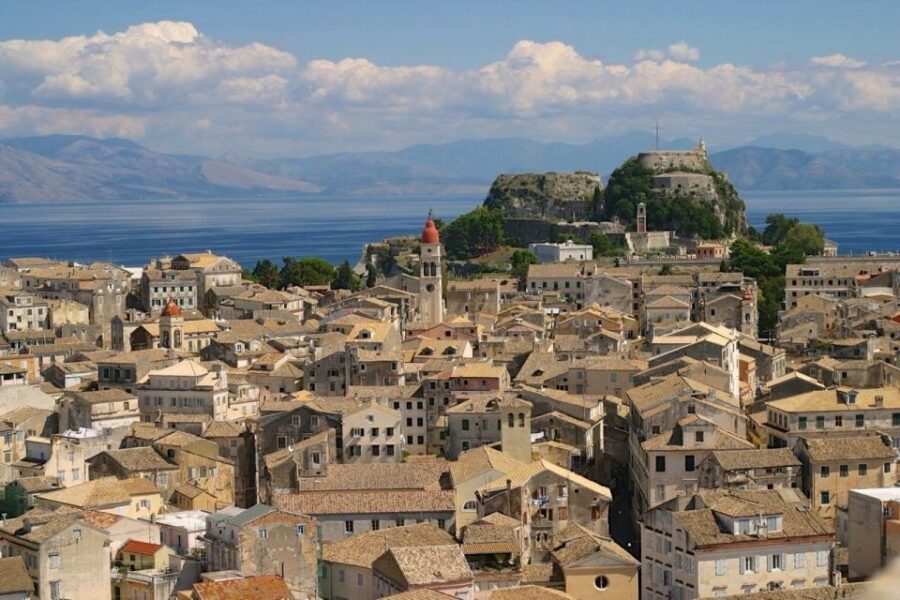
- Start at the Old Fortress: Guided time inside a Venetian-era fort, plus skip-the-ticket-line convenience.
- Culture shaped by multiple powers: You’ll see how Venetians, French, and British left visible marks in town life and buildings.
- St. Spyridon Church is a focal stop: A 16th-century Greek Orthodox church with a bell tower highlighted as the highest in the Iodan Islands.
- Town Hall Square adds social context: You’ll connect monuments and the square to Corfu’s former elite neighborhood vibe.
- Guides make the difference: Recent groups mention guides like Alice, Nausica, Valia, and Arita bringing strong explanations and real local spirit.
Entering Corfu Town: why the Old Fortress comes first
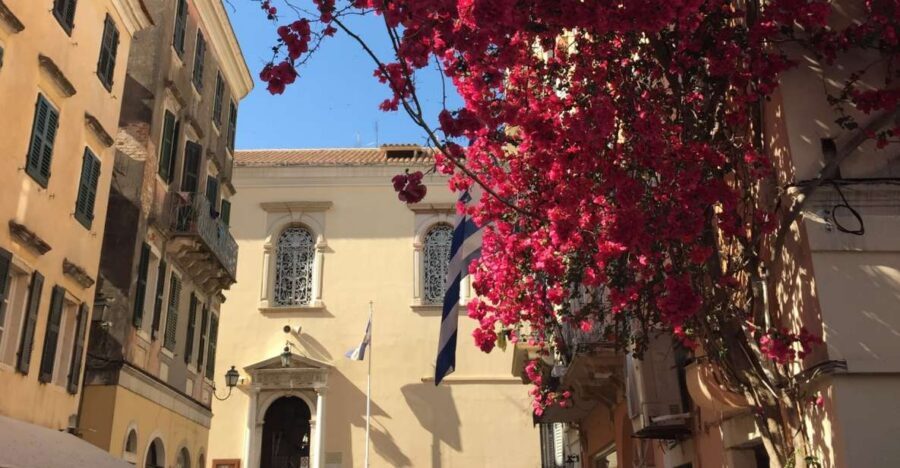
The best way to understand Corfu Town is to start with the defensive big picture. This tour begins at Agoniston Politechniou and you’ll gather by the statue of Schulenburg in front of the Old Fortress. From the start, the location does what photos can’t: it puts you at the edge of the city’s historic power system.
The Old Fortress is Venetian in origin, and you get a guided visit rather than a quick wander. That matters, because fortress walls aren’t just dramatic stone. They’re the physical answer to questions like: Who controlled the island at different moments, and how did they protect trade and people? Even if you’ve seen fortress exteriors before, the guide’s route through the site helps you read the details instead of just admiring the view.
The tour includes the Old Fortress entrance fee, so you’re not juggling extra costs mid-walk. You also skip the ticket line, which is a small thing that can feel like a big win when you’re trying to keep a steady rhythm for a 3-hour experience. If you’re the type who wants context fast, starting here is a smart choice.
And yes, there’s a practical benefit too: beginning at a central landmark helps you orient yourself before you move into the maze of streets. Corfu Town’s lanes can feel like they were designed for dramatic effect, not navigation. Starting at the fortress gives you a mental map before you lose the grid.
You can also read our reviews of more walking tours in Corfu


Venetian, French, and British influence on the streets you walk
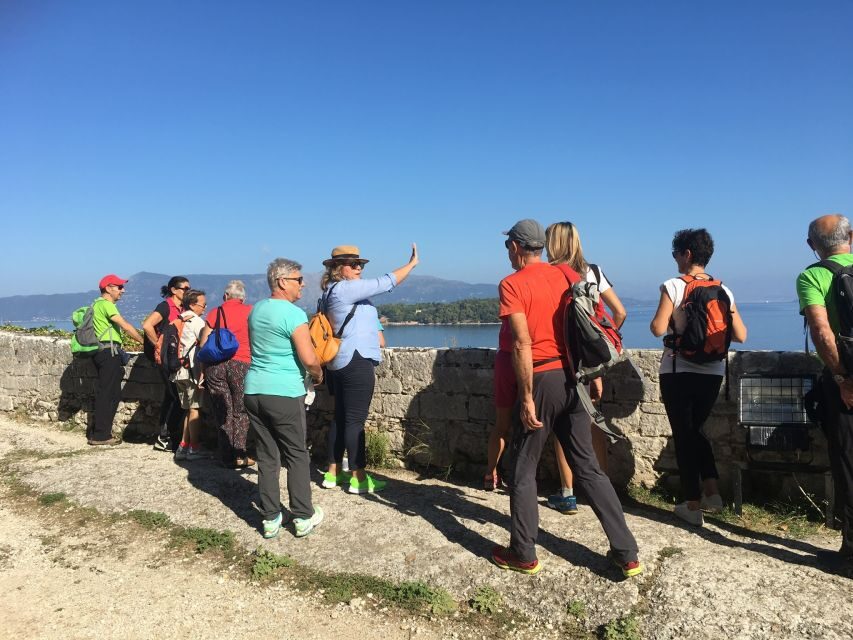
Corfu’s story isn’t a single, clean timeline. It’s a mix of rulers, styles, and cultural habits layered over time. This tour is built to show that “melting pot” feeling in concrete places you pass by, not in vague summaries.
As you walk through the historic center, you’ll notice how the city layout and architectural cues reflect shifting control. The alleys can feel slightly disconnected at first—turn, turn, pause—then suddenly you’ll reach a square or a focal building where everything clicks. That’s where the guide’s explanations help you understand why certain corners feel open and others feel tucked away.
The tour explicitly ties you to the Venetian footprint first, then points toward the later French and British impact. You’ll see how those influences show up in cultural tradition and building character, and you’ll start to grasp the lived result: locals didn’t just inherit artifacts. They adapted them into daily life.
A lot of walking tours can be either too general or too museum-like. This one aims for the middle. You’re moving, you’re outside, and you’re getting a guided narrative as you transition from one neighborhood mood to another—from quieter stretches to lively squares and fountains.
If you’re curious about how empires leave traces without building a single monument everyone remembers, this part of the walk delivers. It’s the difference between seeing a building and understanding why it looks the way it does.
St. Spyridon Church: the bell tower that helps you read Corfu’s identity
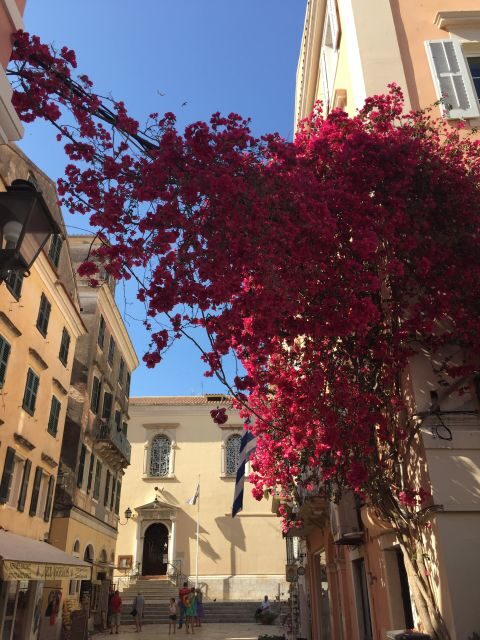
After the fortress, the walk heads through Corfu Town toward St. Spyridon Church, with stops along the way that keep the story anchored in place. When you arrive, you’re looking at a 16th-century Greek Orthodox church with a standout feature: a bell tower described as the highest in the Iodan Islands.
That detail isn’t trivia. It’s a clue about identity and visibility. In a town shaped by multiple cultural influences, a church bell tower becomes more than a religious marker—it’s a statement of what the community values and wants to be seen. The guide’s commentary helps connect the architecture to that meaning.
What I like about this stop is that it breaks up the fortress-heavy feel. The fortress is about defense and power. The church is about community life, tradition, and the kind of permanence that outlasts rulers. Even if you don’t consider yourself a church person, the architecture and height-based scale do a lot of work for you—especially when the guide explains how the building fits the broader Corfu blend.
You also get to enjoy the walk between points. The tour passes deserted alleyways and then reaches lively squares, so your senses shift with the route. It’s a small thing, but it keeps you from feeling like you’re marching straight from one landmark to the next.
And if you like asking questions, this is a good stretch to do it. The church stop is naturally rich in symbolism, so a good guide can connect your curiosity to something specific instead of giving a vague answer.
Town Hall Square and the story behind Corfu’s elite
The finish line is Town Hall Square, which the tour frames as an area once considered one of the most exclusive neighborhoods in Corfu. That context changes how you look at the monuments you see around the square. Instead of treating the space like a pretty backdrop, you start to ask: who had access to this part of town, and what kinds of power gathered there?
This part of the tour feels like a social-history capstone. The earlier stops deal with fortress defense and religious identity. Town Hall Square brings in the civic layer: authority, meeting places, and the public-facing side of power.
You’ll spend time admiring the monuments around the square and learning more about Corfu’s elite who used to meet here. Even without listing every statue or building name, the guide’s framing helps you connect the dots between architecture and everyday hierarchy.
It’s also a practical finish. Town Hall Square is a strong location to understand the center of Corfu Town before you go off on your own. After the tour, you’ll usually be in a better position to choose your next move—whether that means wandering more alleys, heading toward a cafe, or focusing on the areas you liked best.
The guides: why small groups matter in a 3-hour walk
This tour runs for about 3 hours and is limited to a small group of up to 8 participants. That’s a big deal on a walking tour. Fewer people means you don’t spend the whole time trying to hear over a crowd, and it’s easier for a guide to respond when you ask a question.
The guide is licensed and speaks English, and recent feedback repeatedly points to guides who bring energy and clear explanations. Names that come up include Alice, Nausica, Valia, and Arita. One group also noted a guide was flexible with time across areas, while another mentioned adjusting when weather turned. That kind of adaptability keeps the tour feeling like a plan made for real life, not a script printed on paper.
If you like history told as a living story, pay attention here. The best comments weren’t just about facts. They were about how the guide made Corfu feel personal—friendly enough to stop for a Greek coffee, or willing to connect the dots between what you’re seeing and how people live now.
And while this review is focused on the walking tour itself, it’s worth noting that some groups described small extras—like tastings or coffee—arranged by the guide. Those are not listed as standard inclusions, but the pattern matters: it suggests you’re likely to be treated like a human, not a barcode.
You can also read our reviews of more historical tours in Corfu





Practical timing and walking comfort you should plan for
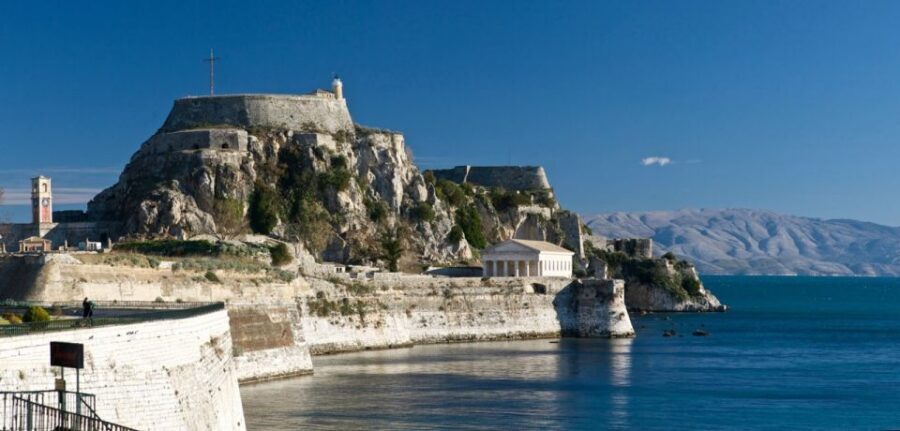
You’ll cover a lot in 3 hours, moving between the Old Fortress, the historic center streets, St. Spyridon Church, and then Town Hall Square. The pace is generally friendly for a walking tour, but it’s still continuous walking—this isn’t a sit-and-listen museum route.
Wear comfortable shoes. That’s the one item the tour specifically asks you to bring, and it’s good advice. Corfu Town streets can include uneven paving and tight lanes. If your shoes are anything less than ready for that, your feet will start negotiating with your brain halfway through.
Also, plan around where you meet. Your guide will wait by the statue of Schulenburg in front of the Old Fortress. There’s no hotel pickup included, so you’ll want to be on time at the fortress area rather than rushing across town at the last second.
Food isn’t included. That means you should be thinking ahead about whether you want a meal before or after. If you’re sensitive to hunger while walking, treat this as a mid-day or morning activity and plan your food timing around it.
Value check: what $93 gets you for Corfu Town
At $93 per person for a 3-hour walk, you should judge value based on what’s actually covered. Here’s the practical math:
- Old Fortress entrance fee is included
- A licensed English-speaking guide is included
- You’ll get skip-the-ticket-line convenience
- The group stays small, limited to 8 people, which usually means more direct attention than large group tours
So yes, it’s not the cheapest way to see Corfu Town. But it’s also not just paying for a stroll. You’re paying for guided access at a key site, plus interpretation for multiple cultural layers: Venetian foundations, later French and British influence, Orthodox church context, and the civic-social story of Town Hall Square.
If you’re the type who can read guidebooks and enjoy a self-guided route, you could do Corfu Town cheaper on your own. But if you want the street-level explanation—why certain buildings feel the way they do, how eras overlap in the same neighborhood, and what to notice as you walk—this price can make sense.
The biggest “value lever” is the guide. When the guide connects details to meaning, 3 hours can feel like you learned far more than a longer, less-focused tour.
Should you book the Corfu History and Culture walking tour?
Book it if you want Corfu Town with context, not just photos. This is especially good if you’re excited by how different powers and cultures leave marks that you can still see today—starting with the Venetian Old Fortress, then moving toward St. Spyridon’s standout bell tower and finishing with Town Hall Square’s elite story.
Skip it (or rethink it) if mobility is a concern. This is a walking tour, and it isn’t designed for mobility impairments.
If you do book, show up with comfy shoes, arrive at the fortress meeting point on time, and come ready to ask questions. With a small group size and a strong English guide, you’re set up to leave Corfu Town feeling like you understand what you walked through.
FAQ
How long is the Corfu History and Culture Walking Tour?
The tour lasts 3 hours.
How much does it cost?
The price is $93 per person.
Where is the meeting point?
Meet your guide by the statue of Schulenburg in front of the Old Fortress.
What does the tour include?
It includes the Old Fortress entrance fee and a licensed English-speaking guide.
Is food included in the price?
No. Food is not included.
Is hotel pickup and drop-off included?
No. Hotel pickup and drop-off are not included.
How big is the group?
The group is small, limited to 8 participants.
Do I need to buy an Old Fortress ticket separately?
You don’t need to buy it separately because the Old Fortress entrance fee is included. You also skip the ticket line.
What language is the tour guide speaking?
The live tour guide speaks English.
Is the tour suitable for people with mobility impairments?
No, it is not suitable for people with mobility impairments.
Is free cancellation available?
Yes. You can cancel up to 24 hours in advance for a full refund.
Can I reserve now and pay later?
Yes. There is reserve now & pay later availability.
If you tell me your travel month and whether you want more church time or more fortress time, I can suggest how to pair this walk with the rest of your Corfu Town day.