REVIEW · CORINTH
Epidavros sea kayak at the Ancient sunken city tour, small ancient theater
Book on Viator →Operated by Tribal Kayak · Bookable on Viator
Snorkel ancient ruins while you paddle. This Epidaurus sea kayak trip links Argolida’s Lost Atlantis with the Little Theatre of Epidaurus, plus a scenic meal at an eco-farm stop.
I love the way you get snorkeling time over underwater ruins in very shallow water, not just a quick look from the boat. I also like that the day ties in local food from Athina EcoFarm after the history stops.
One consideration: this outing runs only in good weather, and it’s active—so if you’re nervous about paddling or snorkeling, plan to take it slow and follow the guide’s pace.
In This Review
- Key highlights before you paddle
- Epidaurus sea kayaking + the small theatre: a day with three different kinds of magic
- From Yialasi Beach to the Lost Atlantis-style ruins: what you’ll see out on the water
- Snorkeling over ancient structures: how to make the most of the underwater time
- Sea kayaking effort level: short paddles, big views, and the reality of a learning curve
- Walking to the Little Theatre of Epidaurus: what you’ll notice beyond the seats
- Athina EcoFarm meal: why the food stop feels more meaningful than a generic lunch
- Value check: what $96.75 gets you (and what it doesn’t)
- Practical tips so your day runs smoother
- Should you book this Epidaurus sunken city + small theatre tour?
- FAQ
- How long is the Epidaurus kayak tour with the sunken city and small theatre?
- Where does the tour start, and is pickup available?
- What do you do at the sunken city?
- Do you visit the Little Theatre of Epidaurus on this tour?
- What is included for food?
- Is the tour in English, and what’s the group size?
Key highlights before you paddle
- Shallow sunken-city snorkeling in about two meters of water, with masks provided
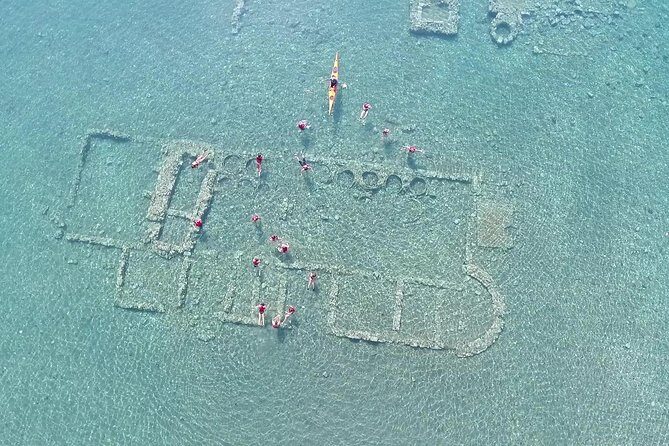
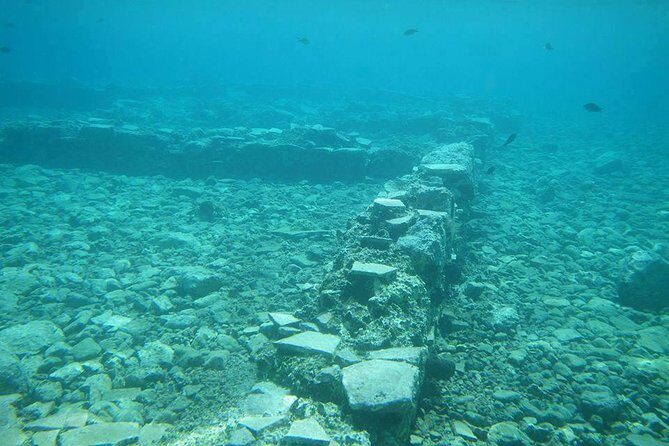
- Underwater ruins to spot: walls, foundations, amphorae, and preserved breakwater sections
- Little Theatre of Epidaurus walk and visit in the Nisi area near Palea Epidaurus port
- Greek Festival context: the small theatre hosts summer performances, music, dance, and theatre
- Athina EcoFarm meal with local organic products grown according to the ancient way
- Small group size (max 10) and pickup from the small port of Epidaurus
Epidaurus sea kayaking + the small theatre: a day with three different kinds of magic
This is the kind of tour that feels like it has three gears. First gear is water time: sea kayaking out from Yialasi Beach, then switching to snorkeling over an ancient site. Second gear is history on foot: a guided walk to the Little Theatre of Epidaurus and a look at what’s left (and what’s still being restored). Third gear is food and culture at Athina EcoFarm, where you eat with the day’s stories still fresh in your head.
At a price point of $96.75 for roughly four hours, you’re paying for more than movement. You’re paying for access to a protected-feeling experience: small group paddling (max 10), guided interpretation, snorkeling gear (masks), and a sit-down meal made from local organic products. It’s not trying to cram everything into one rushed photo stop.
Logistically, you start at 10:00 am in Epidaurus, with the option of pickup from the small port. The tour ends back at the meeting point, which makes it easier to plan the rest of your day around Epidaurus without a long transfer shuffle.
You can also read our reviews of more city tours in Corinth
From Yialasi Beach to the Lost Atlantis-style ruins: what you’ll see out on the water
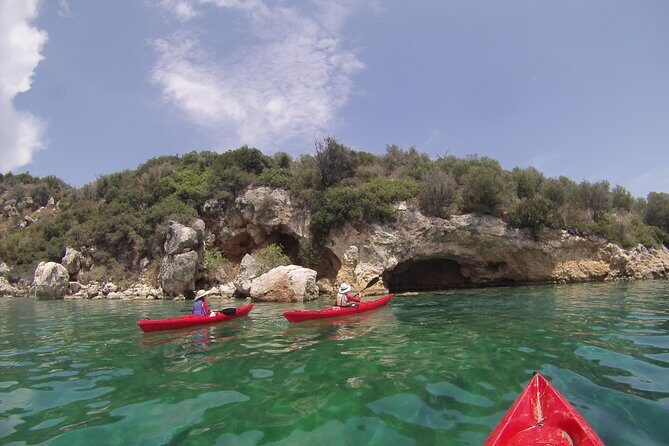
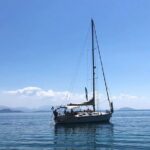
You begin at Yialasi Beach, a short stroll from the center of Epidaurus. From there, you paddle westward toward the Sunken City, often described as Argolida’s Lost Atlantis. This isn’t just a name—when you reach the underwater area, you’re in a place where ancient remains sit very close to the surface.
A key detail I’d focus on: the site is only about two meters deep in places. That shallow depth changes the whole experience. You’re not battling for air or timing long swims just to reach the ruins. Instead, you can snorkel, look down, and take photos while staying in a comfortable zone.
As you go, you also get visual context: the Volcano of Methana appears as a backdrop while you’re paddling. It makes the “ancient + sea” setting feel real, not staged.
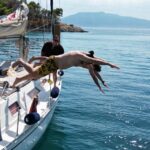
Once the group reaches the seabed, the snorkeling setup becomes the main event. You’ll get masks, then swim over ancient structures where you can see:
- walls and building foundations
- amphorae (including very large ones)
- paved sections that are now far below where the Romans and Greeks once walked
- an ancient breakwater preserved in parts
And because the water is shallow, the marine life becomes part of your sightseeing. The experience is described as colorful fish sightings, plus the chance of turtle encounters while snorkeling.
Snorkeling over ancient structures: how to make the most of the underwater time
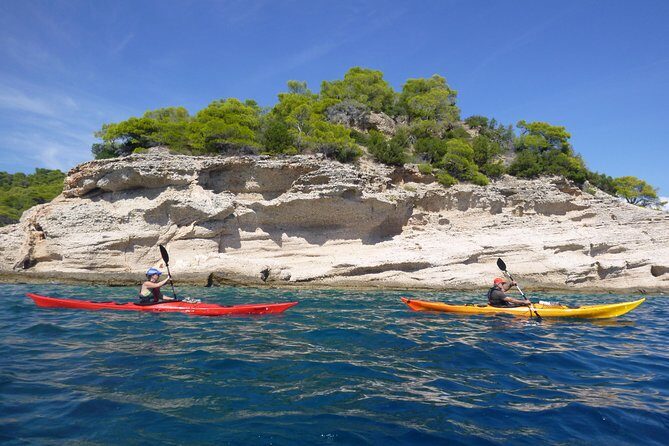
The snorkeling portion is where the tour earns its reputation. You’re not just snorkeling “near” an attraction—you’re snorkeling over it. That means you get the fun, sensory part (seeing fish and ruins close to you) and the “wait, this is real” part (meters below sea level, with ancient architecture still intact).
Here’s how I’d set you up mentally. Expect your brain to split attention:
- you want to look for shapes (walls, steps, paved sections)
- you want to spot movement (fish, and sometimes turtles)
- you want to take photos
That’s also why guides matter. In feedback from past groups, guides are described as patient with setup and attentive in the water, especially when people need extra help. One small caution that shows up in comments: people sometimes wish they’d received a bit more instruction on using the snorkel comfortably and what to do if water gets in it. So don’t be shy about asking for a quick, practical explanation right before you enter the water.
If you’re a first-time snorkeler, treat this as a “learn-by-doing” trip, but keep your expectations grounded. You’ll likely spend more time looking calmly than covering distance fast. That’s the right strategy here.
Sea kayaking effort level: short paddles, big views, and the reality of a learning curve
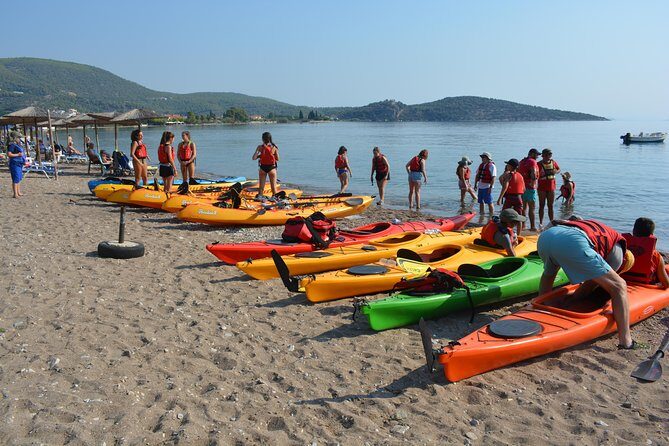
This is sea kayaking, but it’s not an all-day wilderness expedition. The experience is built around short, guided stretches that take you from beach to site and then back again. That’s a big value point for many travelers: you get the coastal workout and the sense of freedom without committing to a long paddling grind.
That said, one consistent consideration is that the kayaks can feel a bit tricky to maneuver at first. A couple of comments mention that you may need time to get comfortable with the controls and positioning. So if you’re someone who prefers a very steady boat, go in expecting a brief learning curve.
A practical approach that helps: listen to the guide’s positioning cues immediately. Then paddle at the group pace. In small groups, you’ll usually get more personalized help than on large tours, and multiple guide styles come through in the feedback—people describe guides as helpful, patient, and willing to adapt to different skill levels.
Also, if you’re worried you’ll be the slowest paddler: remember the focus isn’t speed. The tour’s best moments happen when you’re looking at the ruins and snorkeling, not when you’re racing across open water.
Walking to the Little Theatre of Epidaurus: what you’ll notice beyond the seats
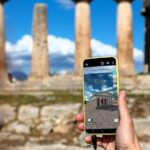
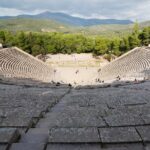
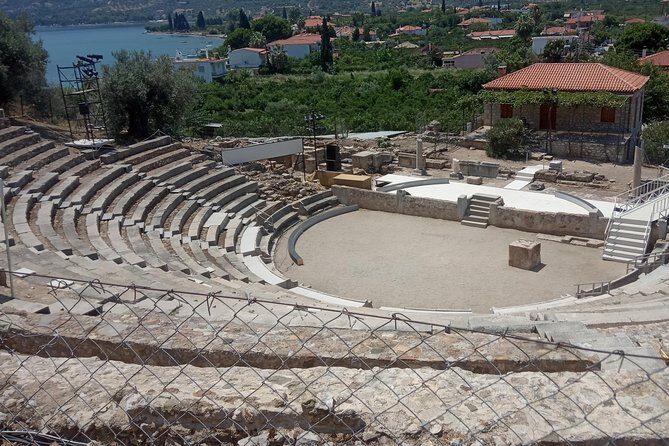
After the water part, the day shifts to the Nisi area near the port of Palea Epidaurus, where you’ll visit the Little Theatre of Epidaurus. This is not just a building; it’s a story about how ancient communities used shared spaces for public life.
Here’s what you’ll learn and see:
- It began in the 4th century B.C. as a theatre for a smaller city-state
- Construction details included 9 tiers and 18 rows, with an original capacity around 2,000 spectators
- Some seats had inscriptions tied to Dionysus, and sections were built with that dedication in mind
- In Roman times, the theatre was reformed: the orchestra became semi-circular, and seating was reorganized
- The theatre appears to have been in use for roughly seven centuries, since Pausanias (who visited in the mid-2nd century B.C.) didn’t mention it
The theatre you visit today was discovered in the early 1970s under field-like surroundings of olive trees, and restoration work is still happening. In feedback, I’ve seen how guides make that walk matter—people appreciated being shown the local fruit and produce along the way, not just the “turn here” directions.
One more reason this stop is special: it has a living connection. The Little Theatre hosts the annual Greek Festival in summer with performances that mix music, dance, and theatre. Today, there are seats for around 800 spectators, and restoration continues to bring more seating back into use.
Athina EcoFarm meal: why the food stop feels more meaningful than a generic lunch
The final act is gastronomy at Athina EcoFarm. This is where the day shifts from sightseeing to taste—still tied to place, but less about ruins and more about how people live with the landscape.
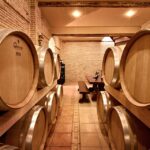
You’ll rest and enjoy a meal made from local organic products cultivated in the area according to the ancient way. That phrasing matters because it frames the food as something rooted in local tradition, not just a restaurant stop you could get anywhere.
What makes it feel worthwhile is the pacing. You’re not rushing in, eating fast, and sprinting out. The idea is to learn a bit about ancient Greek heritage in cooking, cultivating, and harvesting—then eat what you’ve been talking about.
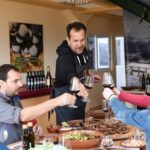
And yes, the food tends to land well. Past guests mention homemade traditional lunch served on the beach, with guides and staff adding a warm, personal touch. In at least one group note, someone even asked for the recipe afterward—so if you like your meals to leave a memory you can recreate at home, this stop is built for that.
Value check: what $96.75 gets you (and what it doesn’t)
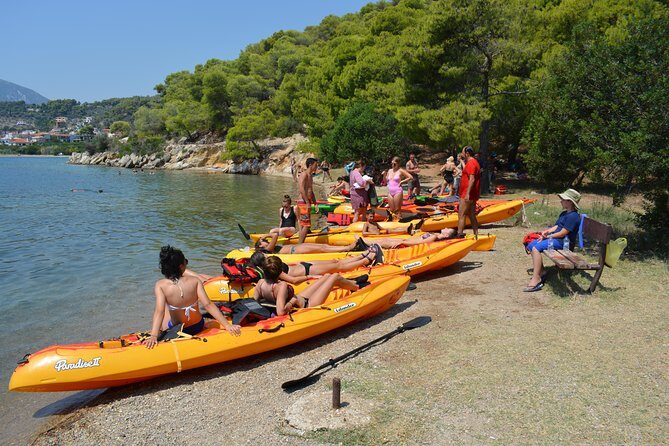
For $96.75, you’re buying a focused package:
- sea kayaking for part of the day
- snorkeling masks and time at a shallow underwater ruin site
- a guided theatre visit with context
- a meal at Athina EcoFarm
It’s also booked about 45 days in advance on average, so planning ahead isn’t just about securing a spot—it’s about locking in a good weather window too, since the tour requires good conditions.
What it doesn’t promise is luxury. You’re on a water-based day with active time, basic gear (masks), and outdoor walking. If you’re expecting a smooth, seated sightseeing bus day, you’ll be happier choosing something else. But if you want a day that mixes ocean fun with ancient sites and real local food, the price starts to make sense fast.
Also, the small group limit (max 10) helps you feel the day rather than just pass through it. When things run well, that extra guide attention makes a real difference—especially with snorkeling comfort and kayak setup.
Practical tips so your day runs smoother
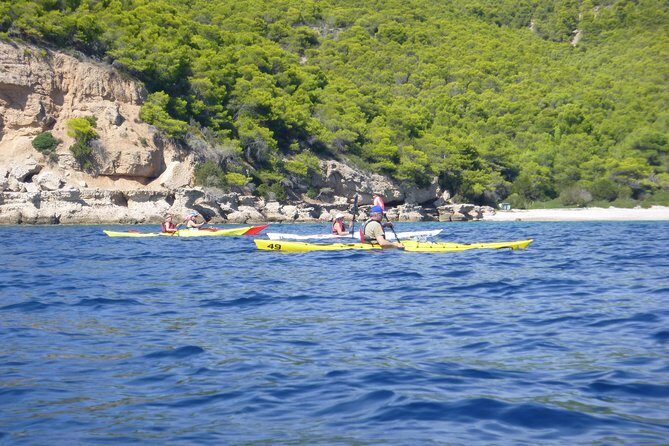
A few things I’d do before you go, based on the nature of the experience:
- Bring swim-ready clothes and plan to get wet. This is sea kayaking and snorkeling, not just viewing.
- Expect a short learning period for kayak handling. If you’re unsure, ask for help right at setup.
- If snorkeling is new to you, ask the guide how to fit the mask and what to do if water gets into it. That small question can save frustration later.
- Bring sunscreen and a way to protect your phone/camera from water. Photos are part of the appeal, but you’ll want to be prepared.
- Wear footwear you’re comfortable with around shore and shallow water.
If you want extra memories, keep in mind that some guides in this program are noted as helping with photos and video. It can take the pressure off you to capture everything while you’re looking down at the ruins.
Should you book this Epidaurus sunken city + small theatre tour?
If your dream day in Epidaurus mixes water time with ancient ruins and ends with a real local meal, I think this is a strong booking. It’s especially worth it if you:
- love snorkeling or want a structured, guided way to try it
- enjoy archaeology when it’s physically close to you (not just behind a fence)
- like pairing a site visit with food that connects to local tradition
- prefer small groups and guide-led pacing
I’d skip or reconsider if you’re not comfortable with active water conditions or you need a very calm, low-effort day. Because the tour requires good weather, the day’s success depends on nature cooperating.
FAQ
How long is the Epidaurus kayak tour with the sunken city and small theatre?
The tour lasts about 4 hours.
Where does the tour start, and is pickup available?
It starts in Epidaurus at Yialasi Beach area, and pickup is possible from the small port of Epidaurus. The tour ends back at the meeting point.
What do you do at the sunken city?
You paddle to the sunken city and snorkel in shallow water among ancient ruins. Masks are provided.
Do you visit the Little Theatre of Epidaurus on this tour?
Yes. The day includes a guided visit to the Little Theatre of Epidaurus.
What is included for food?
You’ll visit Athina EcoFarm for a meal made from local organic products.
Is the tour in English, and what’s the group size?
The tour is offered in English and has a maximum of 10 travelers.