REVIEW · CORINTH
From Athens: Half-Day Biblical Corinth Tour
Book on GetYourGuide →Operated by Greece Athens Tours · Bookable on GetYourGuide
Corinth feels close to scripture and stone. On this half-day run from Athens, my favorite part was hearing Theodore connect St. Paul’s setting to the actual geography of Corinth as you move from viewpoint to ruin.
I also loved the Corinth Canal stop. You get a clear explanation of how people managed the narrow isthmus by hauling ships from one side to the other. The main drawback to plan for: entrance fees and lunch cost extra, so the listed price is not your whole-day total.
In This Review
- Key Points If You Like Biblical + Classical Stops
- Why Corinth Works for Both Faith and Facts
- Getting There from Athens or Piraeus Without Losing the Day
- Corinth Canal Photo Stop: The Isthmus Story You’ll Remember
- Kechries: A Port-Area Stop That Adds Real Context
- Acrocorinth: The Hill-Stronghold Hour
- Temple of Apollo and the Archaeological Site: Your Main Walk
- Museum Stop: Roman Emperors and the Labors of Hercules
- Lunch and Free Time in Corinth: Plan for the Costs
- Guides Make the Difference: Theodore, Odysseus, Kostas
- Price and Value for a Half-Day from Athens
- Practical Tips So You Don’t Waste Time at Corinth
- Should You Book This Biblical Corinth Half-Day?
- FAQ
- How long is the Half-Day Biblical Corinth Tour from Athens?
- Where do pickup and drop-off happen?
- What’s included in the price?
- What is not included?
- Is the tour wheelchair accessible?
- What languages are available?
Key Points If You Like Biblical + Classical Stops
- St. Paul locations explained on-site, not just in abstract story form
- Corinth Canal ship-passage story with time to photograph the waterway
- Kechries and Acrocorinth included for a sense of ports and power in one tight schedule
- Temple of Apollo at Corinth is the anchor stop with plenty of time to walk the grounds
- Small museum, big exhibits, including Roman emperors and the Labors of Hercules
- Private-group pacing that works well if you like asking questions, like with guides such as Odysseus or Kostas
Why Corinth Works for Both Faith and Facts
Corinth is one of those places where you can’t separate the big ideas. The city matters for Ancient Greece, and it also matters for the New Testament. That’s exactly why this tour feels efficient: you’re not only “seeing ruins.” You’re getting a guided thread that ties the Bible to what you can still stand in front of today.
What I like most is how the experience is built around movement. You don’t sit in a van for five hours and hope the story lands. You stop, look, and then get context. When your guide talks about where St. Paul spoke to the Corinthians, they’re doing it while you’re in the actual area, so the message clicks faster.
If you enjoy conversations—spiritual, historical, and geographic—this private format helps. More than once, guides like Odysseus have been described as flexible and willing to adjust pace based on what you want to see and how long you linger for photos.
You can also read our reviews of more tours and experiences in Corinth.
Getting There from Athens or Piraeus Without Losing the Day
This is a half-day excursion, so timing matters. You’ll start with a pickup from either Athens or the port area (Piraeus), depending on what option you choose, and you’ll return to one of those drop-off points.
The drive is about an hour, which is long enough to reset your brain but short enough that the day still feels like a focused outing. In the car, you get practical comforts that actually help: chilled water, Wi-Fi, and even a mobile phone for convenience. That means you can look up references, map where you are, or just keep your phone charged and usable without worrying.
Because it’s private, the group size stays small. That tends to make the experience feel less rushed. And it’s not just comfort. A smaller group gives you a better chance to ask questions and get answers tied directly to what you’re about to see.
Corinth Canal Photo Stop: The Isthmus Story You’ll Remember
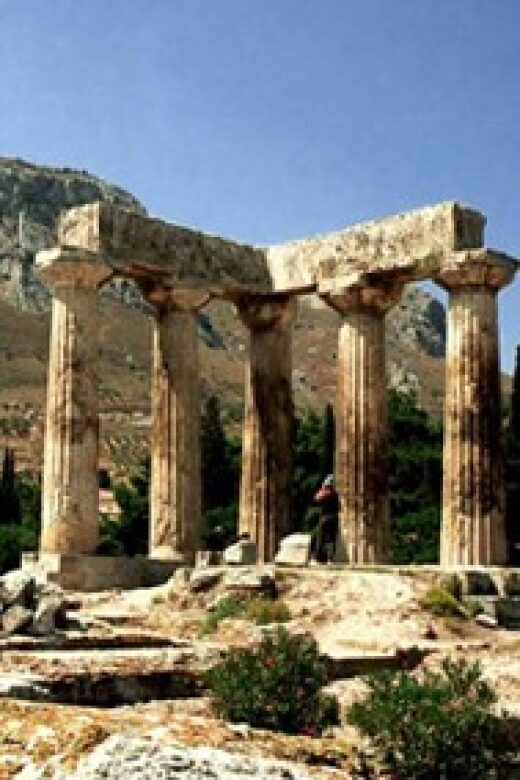
The Corinth Canal stop is short—around 20 minutes—but it’s the kind of stop that sticks in your mind because it helps you picture the region’s geography. This tour specifically explains how locals managed moving ships from one sea to the other along the narrow isthmus.
That’s a powerful mental image. You’re standing at a modern-looking waterway, then your guide helps you connect it to the older reality of movement, trade, and travel routes. Even if you’re not into engineering, it’s one of the easiest ways to understand why Corinth mattered so much.
My practical advice: use this time to take photos, yes, but also pause and just look. With a guide speaking in context, the canal stop becomes a turning point in the whole tour. It’s where the story shifts from “ancient city” to “strategic corridor.”
Kechries: A Port-Area Stop That Adds Real Context
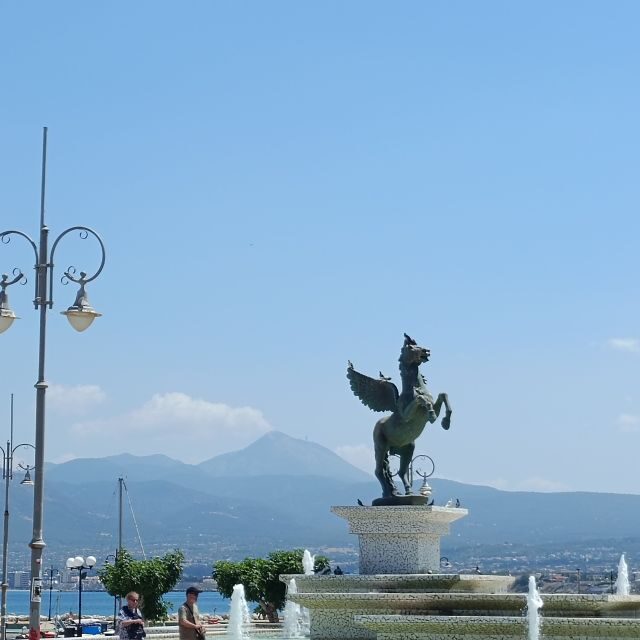
After the canal, the route continues toward Kechries for a guided visit (about 30 minutes). Kechries helps fill in the “how Corinth worked” part of the puzzle.
Port areas are usually where history becomes tangible. Ships come and go, traders bring news, and cultures mix. Even without a long lecture, a guided walk in a port area gives you a stronger sense of why Corinth was a hub—and why letters and preaching could reach people there.
One subtle benefit of this stop: it breaks up the day so you’re not only climbing hills and walking ruins. You get a different kind of viewpoint—more connected to travel and daily life.
Acrocorinth: The Hill-Stronghold Hour
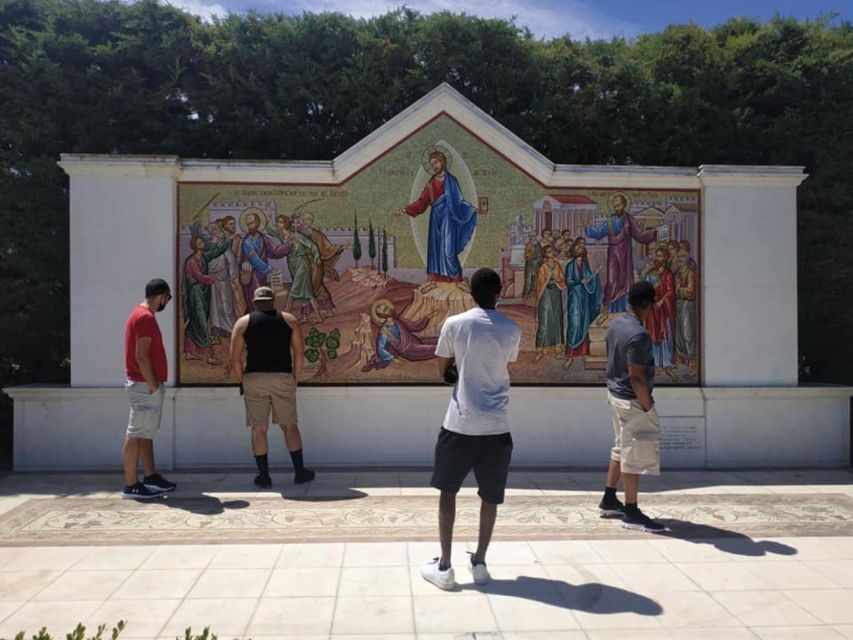
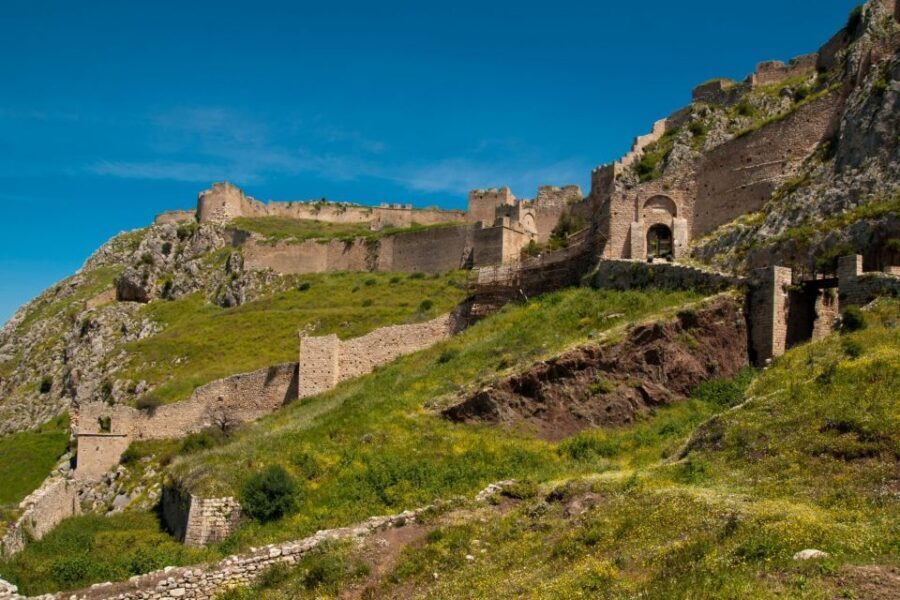
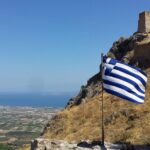
Then comes Acrocorinth, the hilltop area you visit for about 40 minutes. This part of the tour is perfect if you like seeing how power worked in ancient cities. From hill forts and high viewpoints, you understand why certain places were defensible and why they became centers of control.
A lot of the value here is in the guiding. Your guide can connect what you see on the ground to what the Corinthians would have understood about the city’s layout and its defenses. If you enjoy castle-and-views energy, this is where you’ll feel it most.
Practical heads-up: wear comfortable shoes. This is not the place for fashion sneakers with no support. Also, take your time. The hill stop is short, so you want to avoid rushing past the parts that help the story make sense.

Temple of Apollo and the Archaeological Site: Your Main Walk
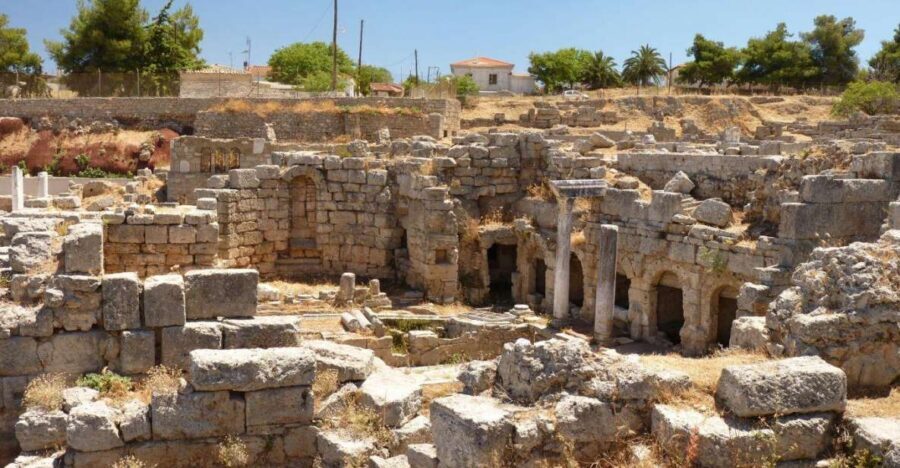
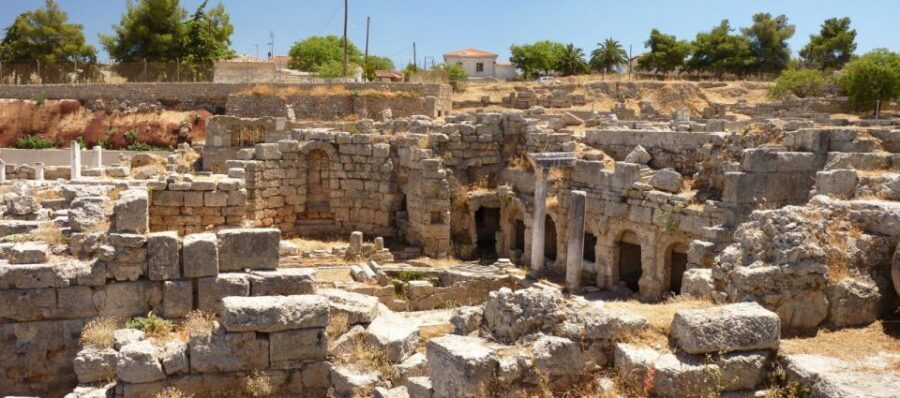
The centerpiece portion is your visit to the Temple of Apollo and the broader Corinth archaeological site (about 80 minutes). This is where you’ll likely spend time walking through the remains and forming your own picture of what the city looked like.
I like that the tour gives enough time here to do more than stand at one spot. Corinth ruins are spread out, and the site needs a bit of imaginative effort. A guide helps you “reconstruct” what you’re seeing—like where key activity might have happened, and what the place likely felt like during the time connected to St. Paul.
There’s also a built-in reality check: the site doesn’t feel like a single tight monument. It feels like a city’s worth of remains. That can be great if you like wandering, but it does mean you’ll want to pace yourself and keep your eyes open for guidance cues.
Museum Stop: Roman Emperors and the Labors of Hercules
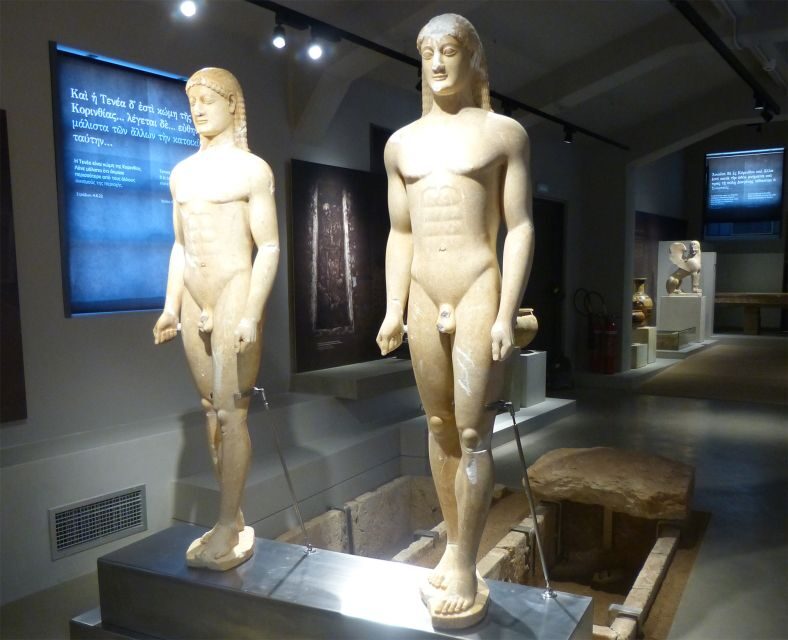
After you’ve seen the outdoor remains, you’ll also visit the museum connected with the Corinth site. In a small museum, the exhibits can hit surprisingly hard.
Look for statues of Roman emperors and the Labors of Hercules displays. These kinds of artifacts help explain what a Roman-era audience might have seen and valued when Christianity was spreading through the wider Greek-speaking world.
One of the best parts is that you’re not stuck between the “Bible story” and “Ancient Greece story.” You get cultural layers. You see how older myth and imperial power lived alongside the world that produced (and received) early Christian messages.
If the museum is closed on a particular day, you may still be able to see more of the town and key outdoor areas, with your guide adjusting the plan as needed. The overall experience still works because the tour’s other stops are strong on their own.
Lunch and Free Time in Corinth: Plan for the Costs
You’ll get a break for lunch and shopping/free time in Corinth. Here’s the important financial detail: lunch is not included in the tour price. Your guide can point you toward places nearby, but you’ll still want to budget for a meal.
I actually like that approach for this kind of site visit. You’re close to where locals eat, and it keeps the day from feeling like you’re stuck with a preselected option. Just don’t assume lunch is covered.
If you’re the type who likes to bring back small souvenirs, this is your window. And if you just want a slow walk and a coffee, it’s a good time to reset before the return drive.
Guides Make the Difference: Theodore, Odysseus, Kostas
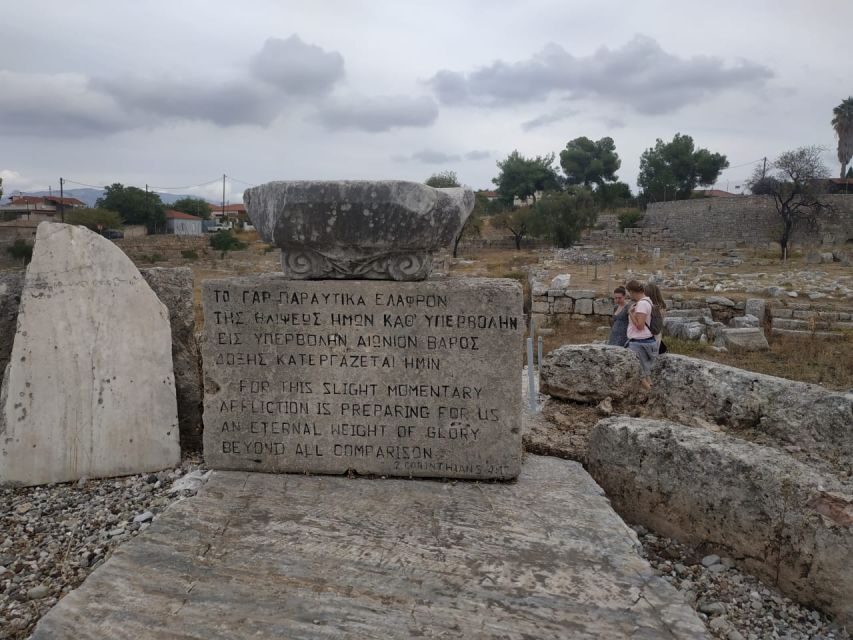
The experience is only as good as the person behind the story. In this case, the guide quality is repeatedly highlighted, and names like Theodore/Theodor, Odysseus, and Kostas come up as standouts.
What matters isn’t just “facts.” It’s the way the guide uses the day to help you understand relationships: biblical setting to geography, Greek sites to Roman-era culture, and modern Corinth landmarks to the ancient reality of travel and trade.
You’ll also notice how often the tone is friendly and conversational. That’s a real value for private tours. You’re not just listening. You can discuss, ask, and compare perspectives without feeling like you’re interrupting.
And because it’s private, guides can adjust on the fly. If you want more time on a hill viewpoint or you want extra context before a museum stop, there’s room to breathe.
Price and Value for a Half-Day from Athens
At $412 per group (up to 3 people) for about five hours, this tour is priced like a private experience, not a budget group shuttle. For families or small groups, that can be a fair deal because you’re paying for access, explanation, and the convenience of hotel or port pickup.
Where you should think carefully is your group size. If you’re a couple, you might feel the cost more than a group of three. The best value tends to come when you can share the cost and still enjoy the private pacing.
Also remember what’s not included:
- entrance fees
- lunch
So do a quick “all-in” estimate. If entrance fees are significant for you and you want a sit-down lunch, the true total will rise. Still, the structure makes sense: you’re paying for an efficient route that hits the canal, multiple Corinth-area stops, and the museum without turning your day into a logistics puzzle.
Practical Tips So You Don’t Waste Time at Corinth
Bring comfortable shoes. You’ll do walking across uneven ground and up to viewpoints. If you’re prone to foot fatigue, plan for it.
Wear sun protection too. Corinth outdoor stops mean direct light, and the day runs on your schedule. A hat helps, and water is provided in the vehicle, but you may still want to sip often.
One more practical note: the tour is not suitable for wheelchair users. If mobility is a concern, you’ll want to consider a different option with accessible stops.
Language support is covered with an English/Russian driver/guide. If you want English, confirm that at booking—this kind of tour works best when you can follow the discussion easily.
Should You Book This Biblical Corinth Half-Day?
I’d book it if you want a focused day that connects scripture context to visible ruins and artifacts, and you like having a guide who can talk geography, not just recite details. It’s also a good match if you want a private pace and you’re okay with extra costs for entrances and lunch.
I’d skip it (or look for an alternative) if you want a fully comprehensive archaeological deep dive with museum time that stretches longer, or if budgeting extra entrance fees and meals would stress you out. For a half-day structure, you get the main highlights, not every possible side site.
If you decide to go, one smart move is to arrive curious. Pick one or two questions you actually care about—about St. Paul’s setting, about why Corinth mattered, or about how the canal-era movement fits the story. With a private guide like Theodore or Odysseus, those questions are the fuel that turns a good tour into a memorable one.
FAQ
How long is the Half-Day Biblical Corinth Tour from Athens?
The tour duration is 5 hours.
Where do pickup and drop-off happen?
Pickup is available from options in Athens or Piraeus, and drop-off is also either in Piraeus or Athens. Hotel pickup is included for places in central Athens or near the port area.
What’s included in the price?
Included items are pickup and drop-off from/to hotel in Athens center or the port, an English-speaking driver/guide, chilled water, Wi-Fi, mobile phone support, and professional historical driving with deep knowledge.
What is not included?
Entrance fees and licensed guide services for entry are not included, and lunch is also not included.
Is the tour wheelchair accessible?
No. The tour is not suitable for wheelchair users.
What languages are available?
The driver/guide language options listed are English and Russian.