REVIEW · CORINTH
Olive Oil Tour & Tasting with sommelier -Kalentzi, Athens daytrip
Book on Viator →Bookable on Viator
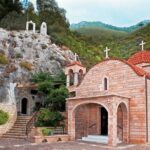
Olive oil starts with a leaf. I love how this Kalentzi daytrip begins at the petite chapel of St. Efrem, then turns into a real walk through a family grove where the land does the teaching. You get close to Manaki olive trees, and that matters because the trees aren’t just scenery.
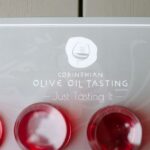
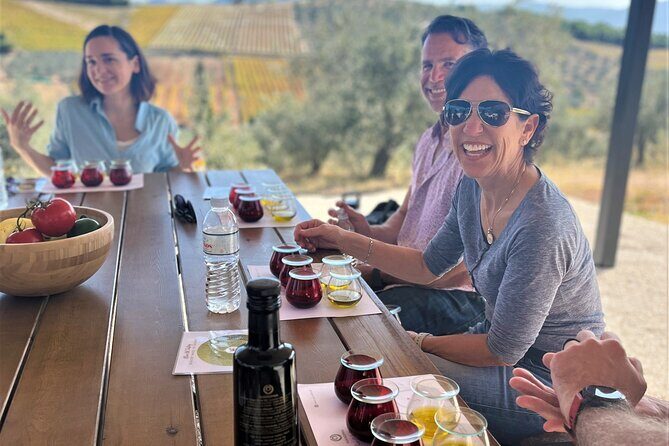
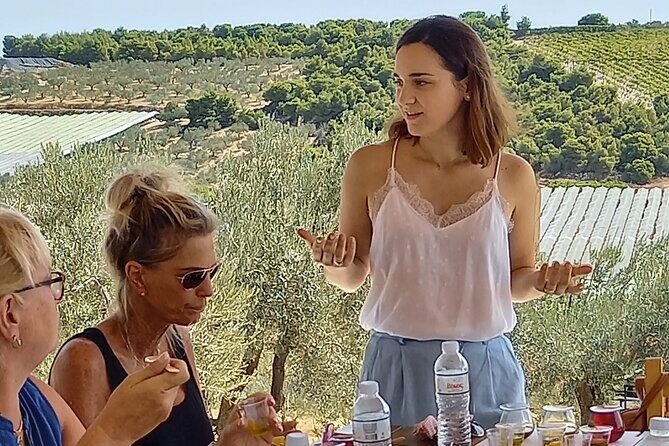
My second favorite part is the tasting with sommelier Marianna—hands-on, structured, and set up with views over olive groves and grapes near Mt. Fokas. You’ll learn the basics of olive oil tasting (fruitiness, pungency, and bitterness) and how to think like a taster, not just someone who’s sipping oil.
The only drawback to flag is straightforward: this isn’t recommended if you have an allergy to olive oil, since the experience centers on tasting and pairing with Greek foods.
In This Review
- Key highlights you’ll actually use
- Start at OLEOSOPHIA and Walk Out of St. Efrem Chapel
- The Family Grove Walk: Manaki Olives and Sustainable Farming
- Tasting With Marianna: Fruitiness, Pungency, and Bitterness
- How to Spot Better Oil and Skip Bad Traits
- Greek Meze Pairing and the Mediterranean Diet, Explained Simply
- Views Over Mt. Fokas: Why the Setting Matters for Your Tasting
- Price and Group Size: Is $96.12 Worth It?
- What to Expect in the 2 Hours (and What You Should Bring)
- Should You Book This Olive Oil Tour in Kalentzi?
- FAQ
- Where is the tour meeting point?
- How long does the olive oil tour last?
- Is the tour offered in English?
- What’s the maximum group size?
- What’s included in the tasting?
- What isn’t included?
- Is it suitable for someone with an olive oil allergy?
Key highlights you’ll actually use
- A family grove visit with Manaki olive trees you don’t just hear about—you see.
- Sommelier Marianna leads the tasting, including how farming and processing can affect flavor.
- Fruitiness, pungency, and bitterness training so you can evaluate oil on your own later.
- Food pairing with small Greek meze, tied to Mediterranean diet ideas.
- Views from the tasting spot over olive groves, grapes, and the Mt. Fokas area.
Start at OLEOSOPHIA and Walk Out of St. Efrem Chapel
The experience kicks off at OLEOSOPHIA Olive Garden & Olive Oil Tastings in Kalentzi (Kalentzi 200 01, Greece). From there, the walk begins at the petite chapel of St. Efrem, which is a simple but memorable start point—like a pause button before you head into the grove.
What I like about beginning this way is that it sets the tone. You’re not rushing into a tasting room. You’re stepping into a place where olive trees have been part of family life, not just part of a tour route.
After the start, you’ll move through a traditional family olive grove at a comfortable walking pace. The group size is small (maximum 8 people), which keeps things personal—questions don’t get lost and you can actually pay attention.
You can also read our reviews of more food & drink experiences in Corinth
The Family Grove Walk: Manaki Olives and Sustainable Farming
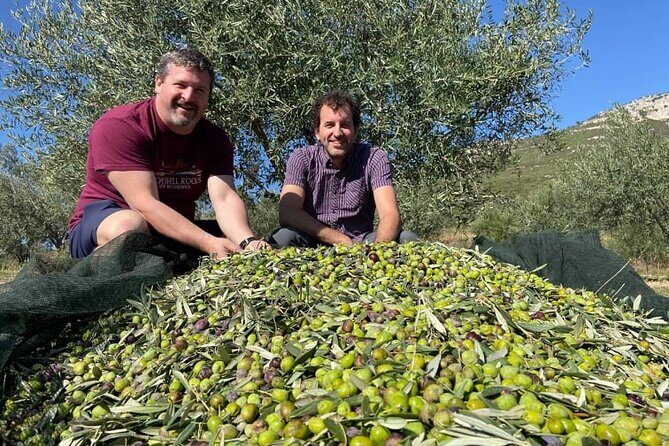
The grove walk is the heart of the morning, and it’s not only scenic. You’ll explore the rare Manaki olive trees, then learn how cultivation and sustainable agricultural practices shape the final oil.
This is where the tour becomes more than flavor talk. You learn the basics behind why trees taste the way they do: cultivation choices, the family’s approach over time, and how that all feeds into what ends up in the bottle.
You’ll also hear family history tied to the grove. That part is especially valuable because olive oil culture in Greece isn’t abstract. It’s passed down through people who live with the trees, watch the seasons, and make decisions year after year. Even if you only catch part of the story, you end up with a better sense of what you’re tasting.
And because you’re walking the grove itself, the lesson sticks. Instead of remembering a list of facts, you remember the actual setting where those facts come from.
Tasting With Marianna: Fruitiness, Pungency, and Bitterness
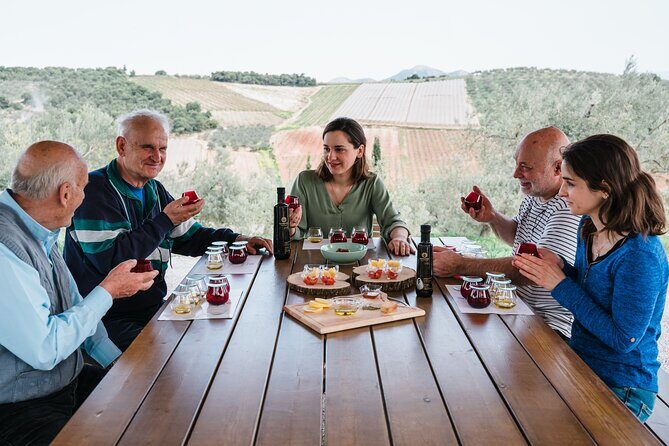
After you’ve walked the trees, the olive oil tasting happens with a view of the olive groves and grapes of the Mt. Fokas area. It’s a nice setting because it slows you down. You taste, then look around, then taste again—your brain links the sensation to the landscape.
The tasting is led by sommelier Marianna, and one theme comes through clearly: she explains the why behind the what. In particular, she focuses on how biological processes in the olive tree can affect flavor, and how manufacturing approaches and grades influence the end result. That’s a big deal for anyone who usually buys olive oil based on a label or price.
Here’s what you’ll practice during tasting:
- You learn the categories of olive oil and the basic principles of tasting.
- You work with the three key tasting traits: fruitiness, pungency, and bitterness.
Those three terms can feel technical at first, but they’re also practical. Once you know what each one is pointing to, you can start comparing oils more intelligently—especially when shopping at home.
Marianna also teaches you how to taste olive oil the right way, including what notes to look for so you can identify award-winning qualities as well as negative traits to avoid. The goal isn’t snobbery. It’s confidence. You want to taste an oil and have a reason for what you like.
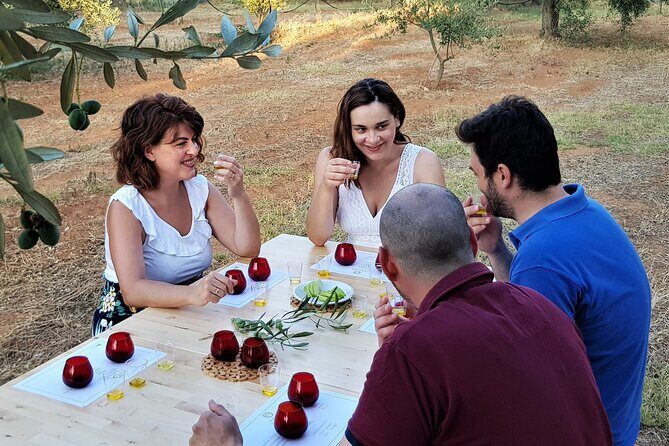
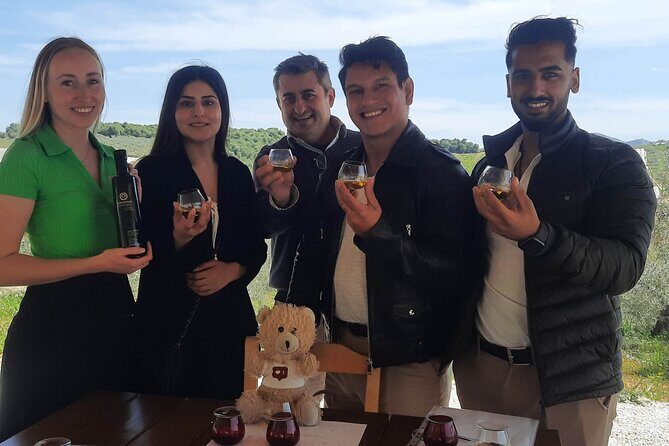
And yes, the tasting includes actual snack time. You’ll pair olive oil with Greek flavors as part of the experience, not just sip oil on its own.
How to Spot Better Oil and Skip Bad Traits
This tour’s tasting lesson is built for real-world buying. Instead of saying olive oil is healthy and moving on, it trains you to think in terms of quality markers and flaws.
You’ll learn how to appreciate olive oil to identify award-winning qualities, and how to recognize negative traits you should avoid. That turns the tasting into a skill, not just an event.
One reason I consider this high value: most people don’t learn how to evaluate oil outside of the store. You might stand in front of shelves wondering what’s what. After this kind of tasting, you’re more likely to read oils with your senses instead of your assumptions.
You also pick up context on categories and grades, so the bottle information starts making sense. Even if you don’t memorize every label detail, you’ll understand why two bottles can feel totally different.
Greek Meze Pairing and the Mediterranean Diet, Explained Simply
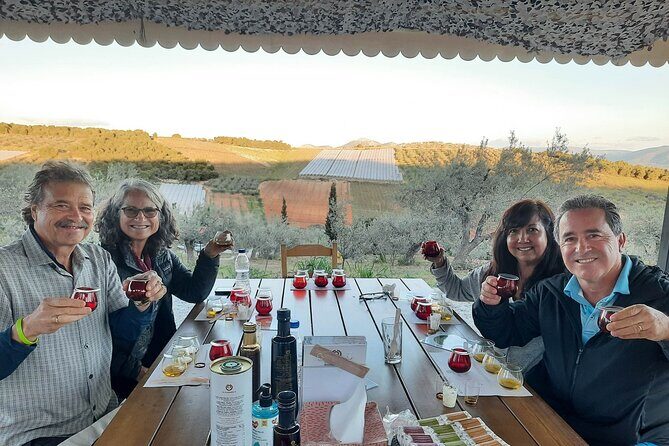
The pairing part is where the tour becomes useful at your table. You’ll enjoy an olive oil food pairing with Greek flavors, with a starter described as small Greek meze.
What makes this part work is the logic: olive oil isn’t just a condiment. It’s part of how Mediterranean meals are built—especially when you think about balance, flavor, and everyday ingredients.
The tour also includes discussion of health benefits and the Mediterranean diet in a holistic way. That doesn’t mean you’re getting medical advice; it means you’re connecting olive oil to how the diet is practiced culturally, not just marketed.
So if you want more than taste knowledge—if you want to understand how to use olive oil where it actually matters—this pairing segment helps. You learn how olive oil can play different roles on the plate, not only as a finishing drizzle.
Views Over Mt. Fokas: Why the Setting Matters for Your Tasting
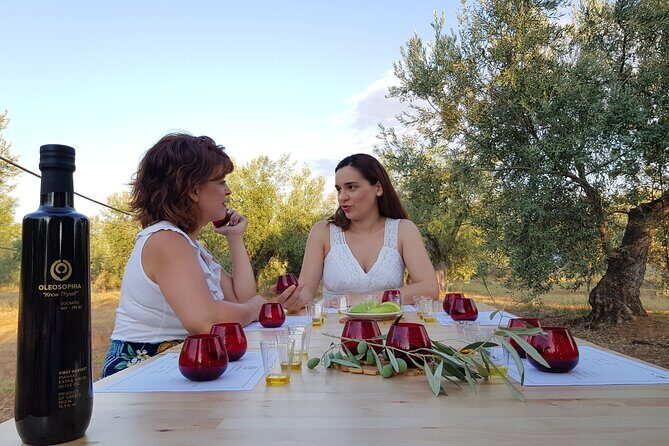
The tasting view matters more than you might think. You’re not tasting in a windowless room. You’re tasting looking out at olive groves and grapes near the Mt. Fokas area—mythical slopes tied to the Lion of Nemea story.
That myth reference might be a curiosity, but the real benefit is sensory timing. When you taste in the grove with that view, you remember what you’re learning. The experience becomes anchored to a place, not a lecture.
It’s also a calm change from the usual hurry of sightseeing. Two hours can fly by when you’re sprinting through major sites. Here, the pacing feels natural: walk, listen, taste, pair, and then leave with a clearer sense of what good oil can feel like.
Price and Group Size: Is $96.12 Worth It?
At $96.12 per person for about 2 hours, the price may look steep at first glance—until you break down what’s included and why it’s priced that way.
You’re paying for:
- access to a family olive grove setting
- a tasting led by a sommelier (Marianna)
- instruction that teaches you how to evaluate olive oil
- Greek flavor snacks for pairing (small Greek meze)
- a small group experience (maximum 8 people)
So the value isn’t only the oil. It’s the guidance. Most people can buy olive oil. Far fewer learn a tasting method they can use again at home.
Also, the duration is compact. If you’re doing a daytrip from the Athens area, a 2-hour format is easier to schedule than a half-day that swallows your whole afternoon.
If you’re the type who enjoys food education—tastings where you leave with practical takeaways—this price starts to make sense quickly.
What to Expect in the 2 Hours (and What You Should Bring)
This is a morning-start experience with a 10:00 am start time. Plan on comfortable walking through an olive grove and time for tasting and pairing afterward.
A few practical notes:
- It runs in English.
- You’ll get a mobile ticket, and confirmation arrives at booking.
- The meeting point is near public transportation.
- Service animals are allowed.
And because this is an outdoor grove-focused experience, good weather matters. If the tour is canceled due to poor weather, you’ll be offered a different date or a full refund. So on your calendar, keep your afternoon buffer in mind.
What should you bring? Wear shoes you’re comfortable walking in (you’re in a grove, not a museum floor). If you have questions about what you like in olive oil, jot them down before you arrive—by the time you taste, you’ll want to talk through them.
Should You Book This Olive Oil Tour in Kalentzi?
Book it if you want more than a quick tasting. This is a structured session that teaches you how to evaluate oil using real sensory terms—fruitiness, pungency, and bitterness—and how to connect farming and processing to what ends up in the cup.
It’s also a great fit if you enjoy hands-on food learning in a small setting. The limited group size (up to 8) keeps it from feeling like a conveyor belt, and Marianna’s storytelling style comes across as clear and engaging.
Skip it if you have an olive oil allergy. Since tasting and food pairing are core parts of the experience, it just isn’t the right match.
If you’re planning to bring home olive oil and actually use your senses when shopping, this tour gives you tools you’ll keep using long after you return to your kitchen.
FAQ
Where is the tour meeting point?
The tour starts at OLEOSOPHIA Olive Garden & Olive Oil Tastings, Kalentzi 200 01, Greece. The walk itself begins at the petite chapel of St. Efrem.
How long does the olive oil tour last?
The experience lasts about 2 hours.
Is the tour offered in English?
Yes, the tour is offered in English.
What’s the maximum group size?
The tour has a maximum of 8 travelers.
What’s included in the tasting?
You get snacks for olive oil food pairing, including a small Greek meze.
What isn’t included?
Private transportation and lunch aren’t included.
Is it suitable for someone with an olive oil allergy?
It is not recommended for anyone with an allergy to olive oil.