REVIEW · THESSALONIKI
From Thessaloniki: Meteora Small Group Day Trip
Book on GetYourGuide →Operated by Salty Soil · Bookable on GetYourGuide
Meteora looks impossible until you’re there. This small-group day trip delivers UNESCO Meteora monasteries plus real monk-life context from a live guide, and I like that you get time for photo viewpoints near Kastraki and a breather in Kalambaka. The only catch: entrance fees for the monasteries aren’t included, and the cliffside sites mean stairs and lots of walking.
I also enjoy how much personality the guides bring. On recent trips, you might be hosted by guides like Tassos, Sotiris, Pascalis, or Anastasis, and the common thread is clear: they keep the day moving without rushing you, while sharing stories you simply won’t pick up on your own.
In This Review
- Meteora From Thessaloniki: What You’re Really Signing Up For
- A 3-Hour Drive to UNESCO Country: The Early Start That Pays Off
- Kastraki Viewpoints: The Part You’ll Want to Revisit
- Visiting Gran Meteoro Plus One More: What the Monastery Time Feels Like
- The optional official guide note
- The Lives of the Monks: Stories That Make the Stones Mean Something
- Kalambaka Break: A Small Pause That Keeps the Day Enjoyable
- Transport and Pacing: Why Small Group Matters Here
- Price and Value Check: Is $176 Worth It?
- What to Wear and Bring for Cliffside Monasteries
- Should You Book This Meteora Day Trip?
- FAQ
- How long is the Meteora small-group day trip?
- What’s included in the price?
- Are monastery entrance fees included?
- How many people are in the group?
- Is the tour guide English-speaking?
- What stops and activities are included during the day?
- Do you provide time to take photos?
- Are meals and drinks included?
- What should I wear?
- Can I cancel or change my plans?
Meteora From Thessaloniki: What You’re Really Signing Up For
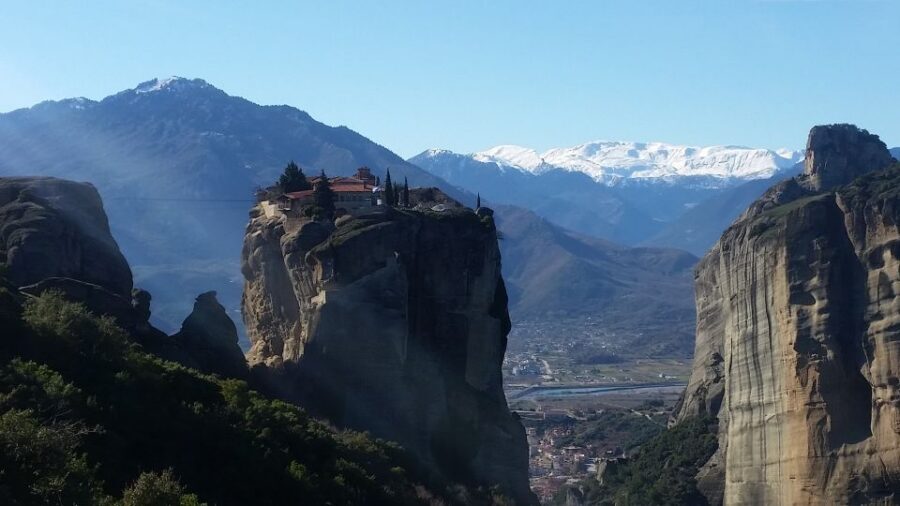
This is a full-day hit of Meteora—one of Greece’s most unusual religious landscapes—run in a tight, small-group format. You start early from your Thessaloniki hotel, ride out about three hours, and build your day around monastery visits, viewpoint stops, and a practical break for coffee and snacks.
The real win here is balance. You get guided context for what you’re seeing, but you’re not locked inside a schedule tunnel. After you do the main sites, you’re given time to rest in Kalambaka before heading back.
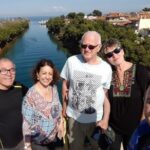
One more thing I appreciate: the trip is capped at just 6 participants. That keeps questions easy, conversation more natural, and your group likely won’t feel swallowed by a busload of people.
A 3-Hour Drive to UNESCO Country: The Early Start That Pays Off
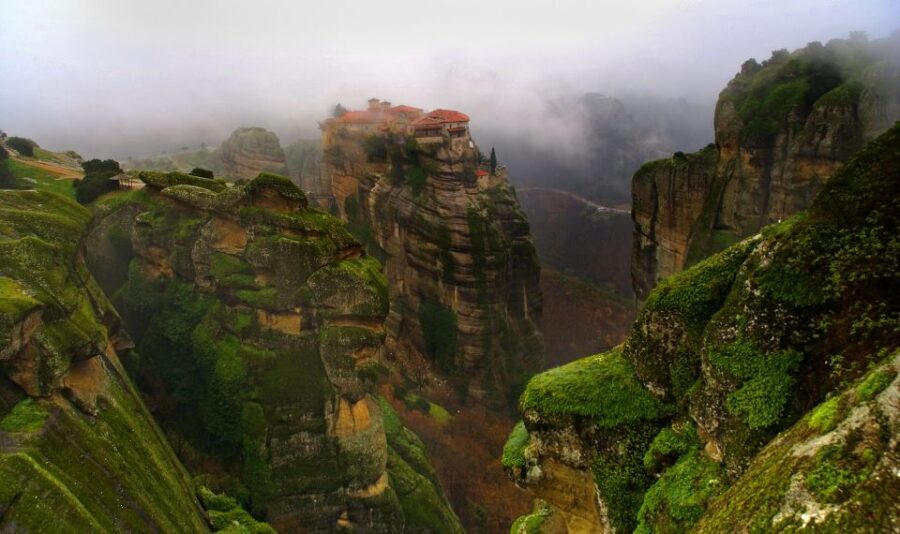
Expect an early morning pickup directly from your accommodation in Thessaloniki. The drive is roughly 3 hours, and there’s at least one stop on the way so your day doesn’t feel like a nonstop commute.
Along the way, your guide will usually set the stage: why these monasteries exist where they do, how the region developed, and what to notice as you get closer. That kind of warm-up matters. Meteora is dramatic on arrival, but it’s more rewarding when you understand what the rock towers meant for monks centuries ago.
When you reach the Meteora area, you’ll land in the small town zone below the cliffs—Kalambaka—before moving closer to Kastraki and the viewpoints. This “arrive low, then look up” rhythm is a smart way to experience the scale.
A few more Thessaloniki tours and experiences worth a look

Kastraki Viewpoints: The Part You’ll Want to Revisit
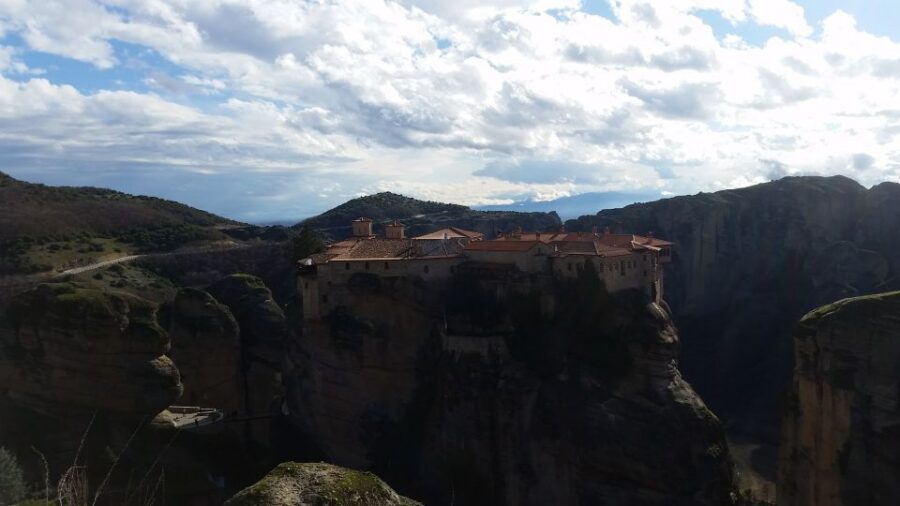
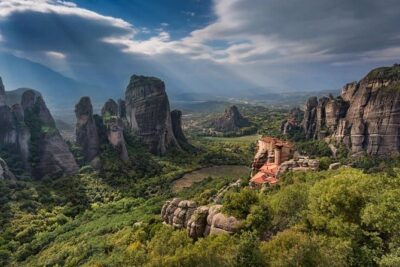
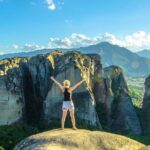
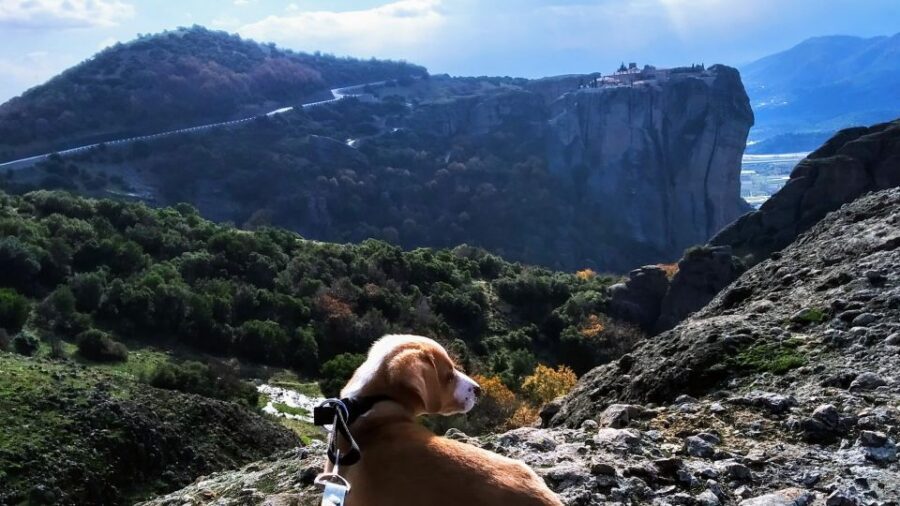
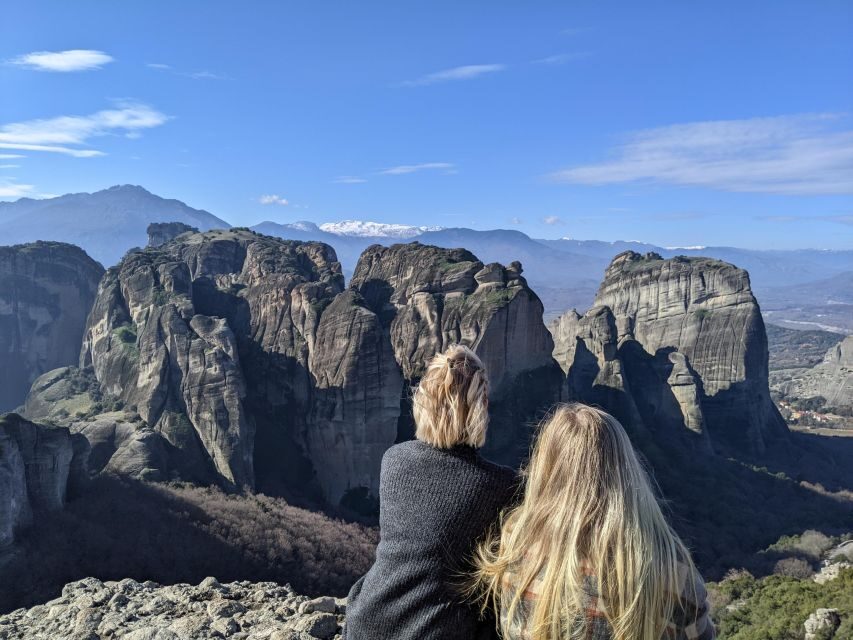
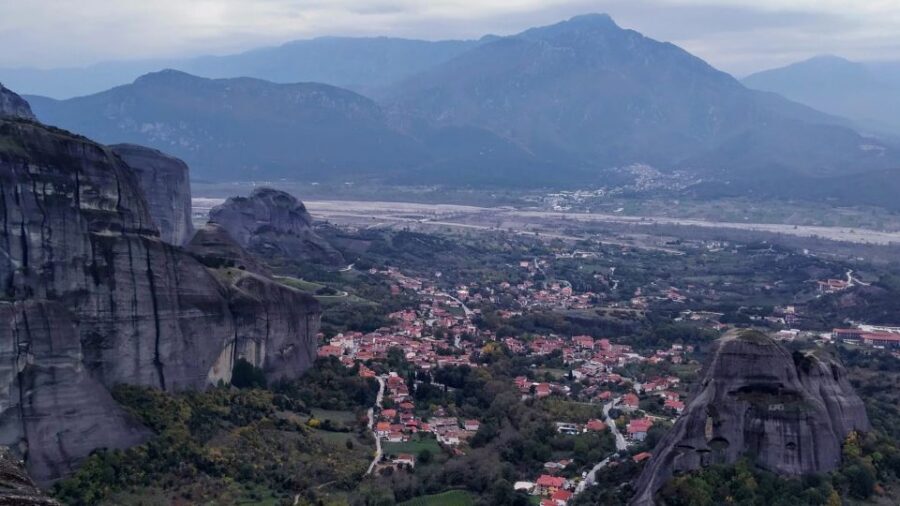
From Kalambaka, you head toward Kastraki, the closest village to the monasteries. This is where you start getting those cliffside panoramas that make Meteora feel like a different planet.
The timing is built for photos. You’ll include observation points, which is exactly what you want here. Meteora isn’t just about one view—it’s about how the monasteries sit on vertical rock spires from different angles as you move.
Practical tip: bring something you can wear comfortably all day. Even if the weather looks fine in Thessaloniki, the cliffs can bring wind and cooler air, and you’ll be standing around for photo moments.
Visiting Gran Meteoro Plus One More: What the Monastery Time Feels Like
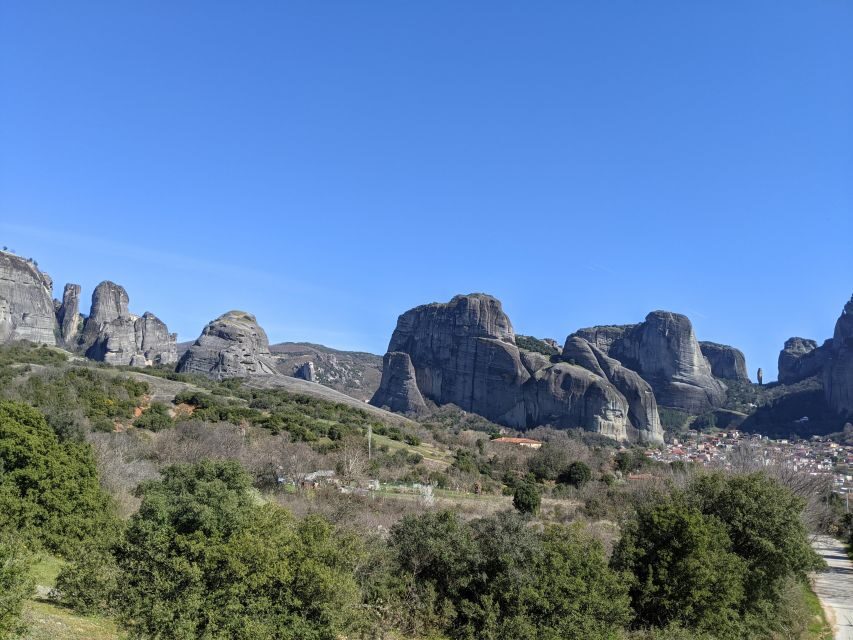
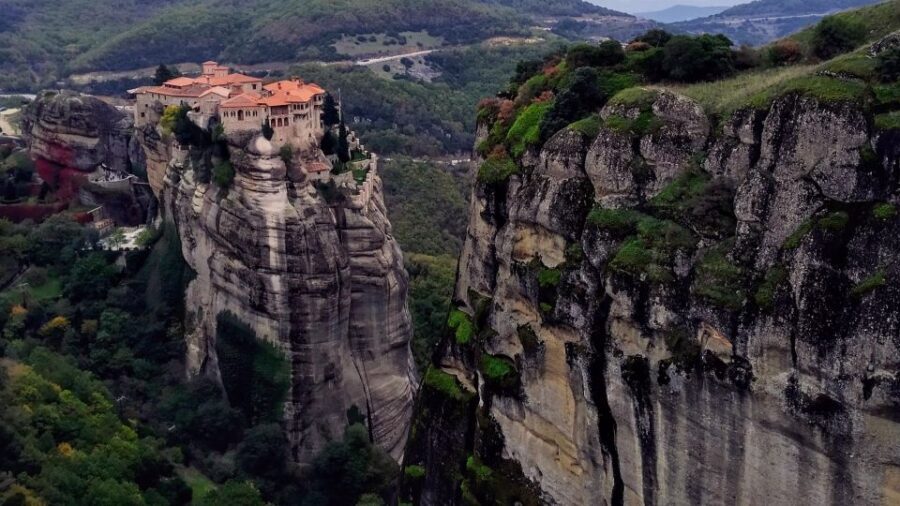
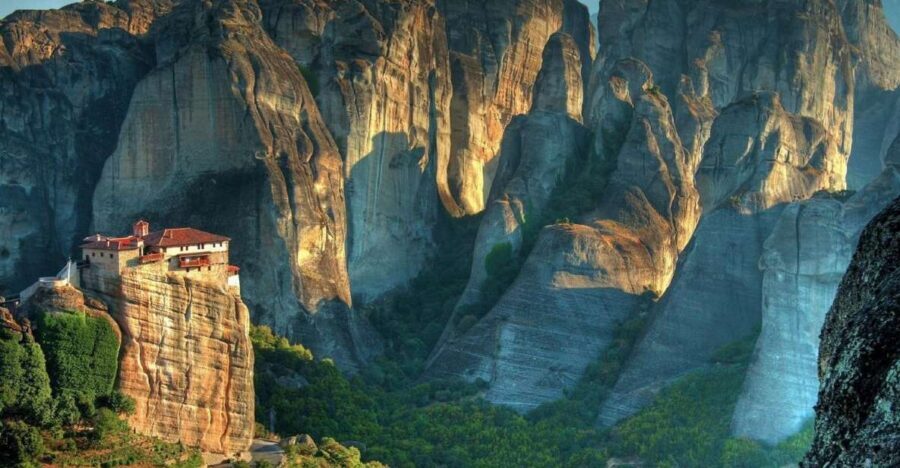
The core of your trip is visiting inside monasteries. You’ll see Gran Meteoro Monastery first—described as the largest—and then you’ll visit a second monastery based on your preference.
This is a good setup for two reasons:
- You get a clear “main stop” with Gran Meteoro.
- You still get choice with the second visit, instead of being forced into a one-size-fits-all route.
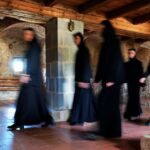
You’ll have time to explore older temples and various spaces of the monuments. The best part, though, is how the tour frames the experience—so you’re not just walking through stone corridors, but learning how monastic life worked in the past and what these places meant to the people living around the rock formations.
The optional official guide note
If you want more guidance inside the monasteries, there’s an option to arrange an official tour guide inside the monastery for an extra cost. It’s not required to enjoy the sites, but if you really want the religious art and architecture explained with added depth, it’s worth considering.
The Lives of the Monks: Stories That Make the Stones Mean Something
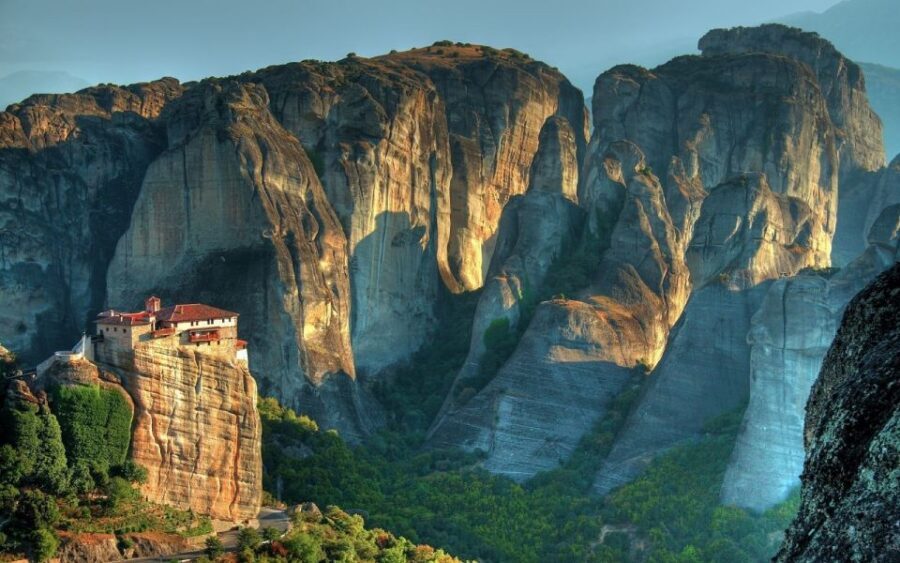
Meteora’s appeal isn’t only the views. It’s the human choice behind them: communities placing themselves on towering rock outcrops to live a particular kind of life.
That’s where the live guide adds value. You’ll learn local history and the stories connected to these monasteries—facts and context that make the spaces feel intentional rather than just impressive.
In guides I’ve encountered on other tours, it’s easy for the story to turn into a lecture. Here, the better guides keep it conversational and interactive, with room for questions. Based on the guide variety you may meet—people like Sotiris, Pascalis, or Anastasis—you can reasonably expect a blend of serious knowledge and a lighter tone during the drives.
Kalambaka Break: A Small Pause That Keeps the Day Enjoyable
After monastery time, your leader takes you back to Kalambaka for a rest break. This is where you can have coffee, a drink, or a snack—simple, but genuinely helpful on a long day.
This matters because Meteora combines stairs, viewpoint walking, and concentrated sightseeing. Without a break, the second half of the day can feel rushed. With it, you can reset before the return drive.
If you’re deciding where to stand or what to photograph again, this stop is also a low-pressure moment to regroup with your group and compare notes.
Transport and Pacing: Why Small Group Matters Here
This trip runs about 9 hours total, including pickup and drop-off. The ride is long enough that pacing becomes a big deal, especially when you’re navigating cliffside locations.
A small group of up to 6 participants changes how the day feels:
- The guide can answer questions without repeating the same explanation for a crowd.
- You’re less likely to get separated from your group at viewpoints.
- The itinerary usually feels more flexible in real time.
Also, the transportation has strong ratings. Comfort isn’t a luxury on a day like this. If you get a smoother ride, you arrive with more energy for the stairs and the indoor monastery time.
Price and Value Check: Is $176 Worth It?
At $176 per person for a 9-hour day trip, you’re paying for a package, not just a bus ride. You’re getting:
- hotel pickup and drop-off in Thessaloniki
- a driver and live local tour leader
- VAT and local taxes
- travel insurance
- a small-group experience
What’s not included are monastery entrance fees and meals/drinks. So in your own budgeting, plan to add those costs at the point of entry, plus whatever you want to eat and drink during the day.
To me, the value makes sense if you:
- prefer guided context (especially for monastery history and what to notice inside)
- want to avoid self-driving and parking stress in a busy sightseeing region
- like small groups and easy communication
If you’d rather go at your own exact timing, and you’re confident navigating between monasteries, you could do Meteora independently. But if you want a structured, low-stress full day, this one is built for that.
What to Wear and Bring for Cliffside Monasteries
This trip gives you the classic Meteora experience—meaning steps and uneven surfaces. You’ll be on rocky paths, and monasteries are up on high cliffs.
I strongly recommend:
- comfortable shoes with grip
- clothing that works for stairs and layered weather
- water or something small to sip if you tend to run warm or thirsty
Since meals and drinks aren’t included, bring a simple plan for hydration and energy. The short café break helps, but you’ll still want to be ready for the full day.
Should You Book This Meteora Day Trip?
Book it if you want the full Meteora hit—UNESCO monastery time, viewpoint stops, and guided context—without spending your trip time solving logistics. I’d especially recommend it for first-timers who want to understand what they’re looking at, and for anyone who dislikes crowds or long, rigid tours.
Skip it or think twice if you:
- hate stairs and steep walking
- want meals included in the price
- prefer doing monasteries at your exact pace with no guide
If you’re on the fence, a good rule is simple: if you’re coming to Greece for big, meaningful sights and you’d rather pay for guidance than figure it out, this day trip fits.
FAQ
How long is the Meteora small-group day trip?
The total duration is 9 hours.
What’s included in the price?
Hotel pickup and drop-off in Thessaloniki, a driver/local tour leader, VAT and local taxes, and travel insurance are included.
Are monastery entrance fees included?
No. Entrance fees to the monasteries are not included.
How many people are in the group?
It’s a small group limited to 6 participants.
Is the tour guide English-speaking?
Yes, the live tour guide is in English.
What stops and activities are included during the day?
You’ll drive from Thessaloniki to the Meteora area, include a short café break, visit Meteora monasteries (including Gran Meteoro and a second monastery based on preference), stop at observation points for photos, and have time to rest in Kalambaka.
Do you provide time to take photos?
Yes, there are observation points near the monasteries designed for photos.
Are meals and drinks included?
No. Meals and drinks aren’t included, though you’ll have a break time in the day where you can get coffee or snacks.
What should I wear?
Comfortable shoes and clothing are advised because monasteries are up on rocky cliffs with stairs.
Can I cancel or change my plans?
Cancellation is free up to 24 hours in advance for a full refund, and you can reserve now and pay later.