REVIEW · ATHENS
Marathon, Thermopylae/ Herodotus History private tour (9 hours)
Book on Viator →Operated by GREECE TAXI · Bookable on Viator
The most memorable part of this full-day trip is not a grand ruin. It is the chance to stand on the ground where two famous Greek battles took place, then connect those places by mountain roads and the coast. At Marathon, you see the burial mound of the Athenians. At Thermopylae, you face the pass where Leonidas and his small Greek force resisted the Persian army.
I like the private vehicle and flexible schedule, especially for a day with long driving distances. I also like the strong focus on military history. Philip, one of the named drivers, has been praised for explaining battle plans and turning familiar schoolbook stories into something easier to picture.
The main drawback is simple: this is a battlefield and scenery tour, not a day of standing ruins. You will spend many hours in the car, and the famous sites often have only monuments, open ground, or small museums rather than large ancient remains.
In This Review
- Key points to know before booking
- Why Marathon and Thermopylae belong on the same day
- Leaving Athens at 7:30 a.m. for Marathon
- The Marathon Tomb and the Athenian battlefield
- Schinias Beach and Marathon Bay
- The Archaeological Museum of Marathon
- The modern marathon route and Lake Marathon
- The long ride north to Thermopylae
- Thermopylae and the monument to Leonidas
- The Thermopylae Museum and the hot springs
- Damasta Monastery and the mountain route of Ephialtes
- Lunch or dinner at Kamena Vourla
- What the $301.98 price really covers
- Who will get the most from this day
- Should you book the Marathon and Thermopylae tour?
- FAQ
- What time does the tour start?
- How long does the tour last?
- Is the tour private?
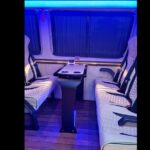
- What type of vehicle is available?
- Are entrance fees included?
- Is lunch included?
- Can I book with a deposit?
Key points to know before booking
- Two major battle sites in one day: Visit Marathon and Thermopylae, linked to the Greek struggles against Persia.
- A private English-speaking driver: Your driver leads the day and provides historical audio material while you travel.
- A long but varied route: Expect Athens, Marathon Bay, mountain roads, Thermopylae, hot springs, a monastery, and the Malian Gulf coast.
- Museum visits cost extra in places: Marathon’s burial mound and the Thermopylae Museum require separate admission fees, while the Archaeological Museum of Marathon is included.
- Best for history fans: The focus is on battlefield geography, military strategy, and historical explanation rather than extensive archaeological ruins.
- Good for small groups: Choose a sedan for up to three adults, a minivan for up to seven people, or a minibus for up to fourteen.
Why Marathon and Thermopylae belong on the same day
Marathon and Thermopylae tell different chapters of the Greek-Persian Wars. Marathon recalls the Athenian victory over the Persian army in 490 BC. Thermopylae recalls the 480 BC battle in which the Greek defenders, especially the Spartans under Leonidas, were eventually defeated.
That contrast gives the day its shape. Marathon is a story of Greek success. Thermopylae is a story of sacrifice, delay, and military defeat that became a lasting symbol of obedience and courage.
You do not need to be a military scholar to enjoy the route, but you should want to understand how geography shaped both battles. Your driver explains the passes, coastline, routes of attack, and defensive positions as you travel. That is important here because the land itself is the main exhibit.
I would not book this trip if your ideal day means walking through extensive ancient ruins. The sites are meaningful because of what happened there, not because many buildings remain.
You can also read our reviews of more private tours in Athens


Leaving Athens at 7:30 a.m. for Marathon
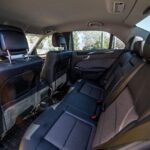
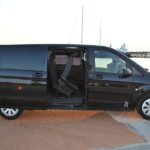
The tour begins with pickup from your Athens hotel at 7:30 a.m. The private air-conditioned sedan, minivan, or minibus keeps the morning simple. Fuel, toll roads, and parking fees are included, so you are not sorting out small transport costs along the way.
A private ride matters on this route. Marathon lies northeast of Athens, while Thermopylae is much farther north, so this is not a compact sightseeing loop. You can ask questions, adjust the pace within the agreed schedule, and travel with only your own group.
The operator describes the tour as approximately nine hours, while the booking information also refers to an agreed tour period of up to eight hours. I would confirm the exact timing before departure, especially if you have evening plans in Athens, a dinner reservation, or a ship to catch.
The drive is part of the lesson. The driver provides an informative audio documentary with historical details as you go. That helps fill in the spaces between stops, since the trip is built around several short visits rather than long stays at one attraction.
The Marathon Tomb and the Athenian battlefield
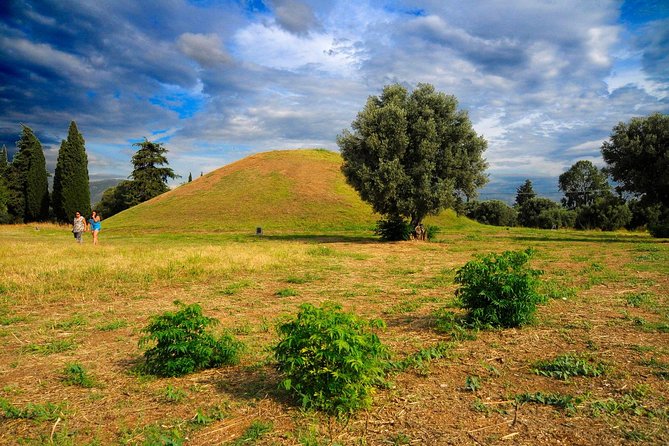
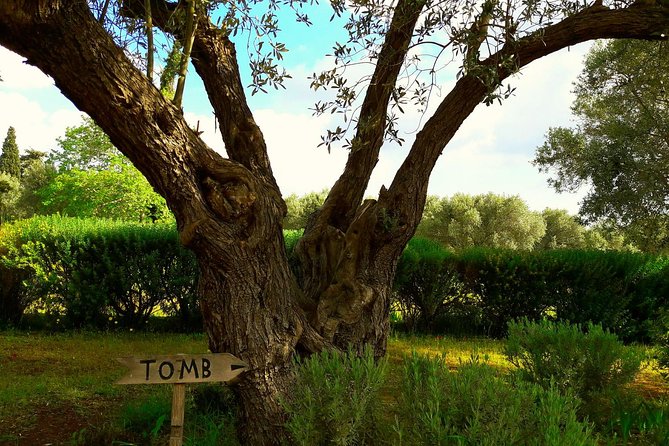
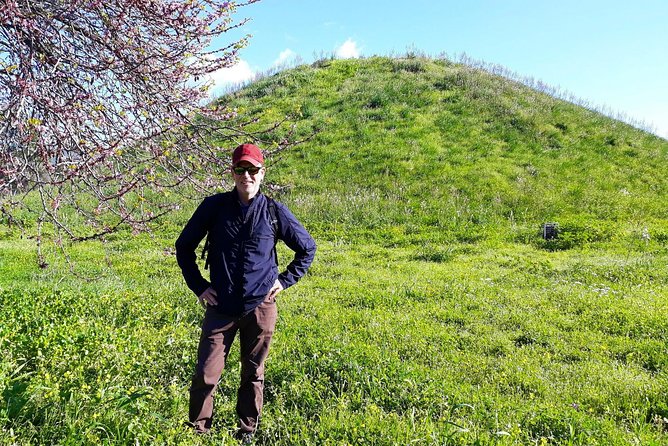
The first major stop is the Marathon Tomb, about one kilometer west of Marathon Bay. The ten-meter-high tumulus is the burial mound of the Athenians who died in the battle, and it gives the open battlefield a clear human focus.
You have about 30 minutes here. Admission is not included, with a listed price of 10 euros and a reduced rate of 5 euros. Bring suitable shoes and sun protection, since this is an outdoor historic site rather than a traditional indoor attraction.
The mound is not visually elaborate. Its value comes from standing near the place where the dead were buried after the battle. I find that this sort of site works best when the guide explains what you are looking at and why the position mattered.
If you already know the basic story of Marathon, ask your driver to explain the battlefield tactics. The tour is particularly suited to people who want more than the familiar tale of a messenger running to Athens.
Schinias Beach and Marathon Bay
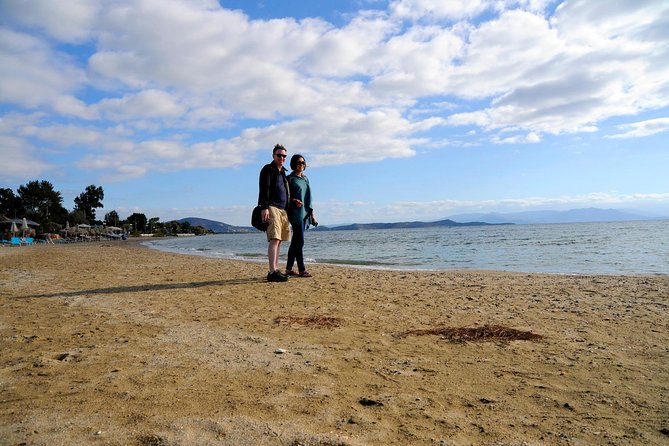
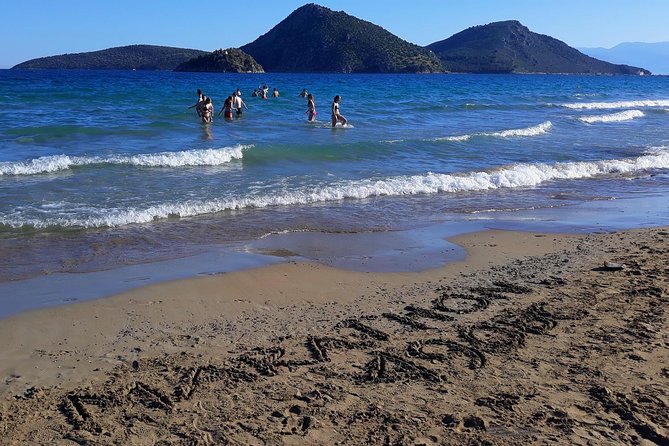
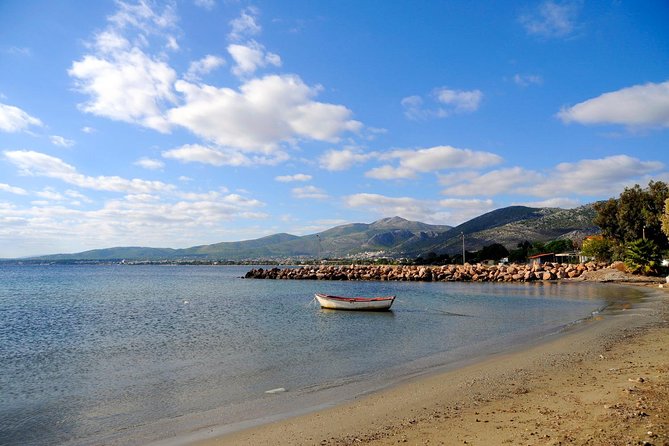
The route continues to Schinias Beach, one of Attica’s popular coastal resorts. You have about 15 minutes, with no admission fee.
This is a brief scenery stop, not a beach day. The area is known for clear water and visitor facilities, but the schedule does not provide time for swimming or a long seaside break. I would treat it as a useful pause after the battlefield visit.
The stop also helps you understand Marathon geographically. The battle was not an abstract event on a textbook map. The bay, coastal plain, and routes inland all affected how forces could move.
The Archaeological Museum of Marathon
Five kilometers from Marathon Bay, the Archaeological Museum of Marathon brings the local story indoors. The collection covers several periods and includes Neolithic pottery from the Cave of Pan and finds connected with the Tomb of the Athenians.
You have about 30 minutes here, and admission is included. That is a welcome detail because the museum gives context to the outdoor mound without taking up a large part of the day.
Thirty minutes is enough for a focused visit, but not for a slow reading of every display. I would use your time to look for material tied to the local burial practices and the long human history of the Marathon area.
The museum also keeps the tour from becoming only a military outing. The region was inhabited long before the famous battle, and its archaeological remains cover more than one moment in Greek history.
You can also read our reviews of more historical tours in Athens


The modern marathon route and Lake Marathon
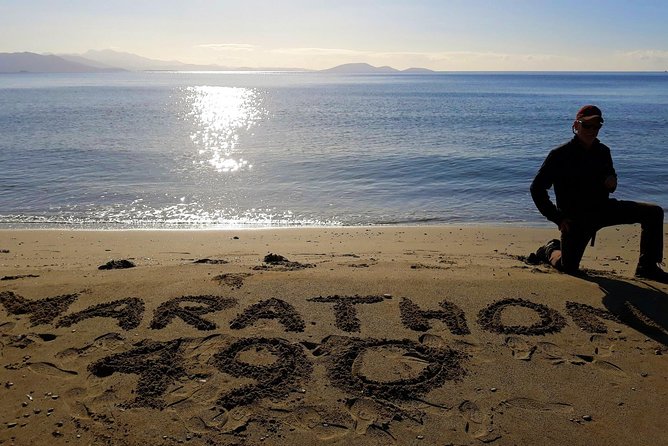
A short stop on Leoforos Marathonos connects ancient history with modern Greece. The modern Athens Marathon begins in the town of Marathon and finishes at Athens’ Olympic Stadium, associated with the modern Olympic Games.
You spend roughly 15 minutes here. It is a quick orientation stop rather than a major attraction, but it shows how the ancient place name still shapes modern sporting culture.
The route also includes Lake Marathon, a reservoir created by the Marathon Dam at the meeting point of the Charadros and Varnavas torrents. It supplied Athens from 1931 until 1959, when water from Lake Yliki became available.
The lake is a change of mood after the battlefield and museum. You see how the Marathon area served not only as a historic site and coastal destination, but also as part of Athens’ water system. The tour information does not assign a precise visit length here, so ask your driver how much time is planned.
The long ride north to Thermopylae
The road to Thermopylae is where the private format becomes especially useful. You are covering a lot of ground, and the driver can explain the Greek-Persian Wars while you travel rather than leaving the historical context to a few signs at the destination.
The scenery shifts from the Marathon area toward the mountains and coast. The tour specifically emphasizes mountain roads and coastal views, so the journey is not just dead time between attractions.
Still, be realistic about the pace. With stops at both battlefields, two museums, a monastery, hot springs, and a seaside town, individual visits are short. You will get an overview of several places rather than a slow study of each one.
For me, the best way to enjoy this stretch is to listen, watch the changing terrain, and ask questions. A private driver who can explain military geography adds more value here than a standard sightseeing transfer.
Thermopylae and the monument to Leonidas
Thermopylae is the emotional center of the day. The pass was used as a north-south route along Greece’s eastern side, which is why it became the setting for several battles.
The 480 BC battle is the one most people come to understand. Greek forces, including the Spartans, fought the invading Persians here. The defenders were eventually defeated after the Persians learned of a mountain route that allowed them to reach the Greek rear.
You have about one hour at the battlefield. That is the longest single outdoor stop, and it gives you time to look around, hear the story, and consider why this narrow passage mattered.
The monument to Leonidas helps focus the visit, but do not expect a preserved ancient battlefield with walls and fortifications waiting in place. The surroundings have changed over time, and the tour is about reading the terrain and understanding the events.
This is where the guide’s historical skill matters most. The strongest praise connected with this experience has focused on battle strategies and clear storytelling, particularly from a driver named Philip. If you have a special interest in troop movements or defensive tactics, say so early in the day.
The Thermopylae Museum and the hot springs
Next to the Leonidas monument is the Thermopylae Museum, dedicated to the 480 BC battle. You have about 30 minutes inside.
Admission is listed at 3 euros and is not included. The museum is small enough to fit into the day, but it gives structure to the battlefield visit. I would go inside even if you prefer outdoor sites, since the displays can help explain the battle before you look again at the surrounding ground.
The nearby Loutra Thermopilon, or baths of Thermopylae, is another short stop of about 15 minutes. The name Thermopylae means the Hot Gates, referring to the local hot springs and, in Greek mythology, cavernous entrances to the underworld.
This is a quick look, not a spa visit. The tour does not promise bathing time or spa services, so keep your expectations practical. The springs add a layer of myth and place to the military story.
Damasta Monastery and the mountain route of Ephialtes
The visit to the female Damasta Monastery brings you away from the battlefield and into a quieter mountain setting. The monastery is dedicated to the Birth of the Virgin Mary, and its main church dates to the 11th century. Religious icons in the church date to 1818.
The monastery sits in a scenic setting, and the visit lasts about 30 minutes. Admission is free. Dress and behavior should be respectful at any active religious site, even though no special dress rules are provided in the tour information.
This stop also connects with the Anopaia path, the secret mountain route used during the Thermopylae battle. According to the historical account presented on the tour, Ephialtes revealed the route to the Persian ruler Xerxes, allowing Persian forces to get behind the Greek defenders.
That detail explains the battlefield’s outcome better than a simple story about one heroic stand. Thermopylae was shaped by a route through the mountains, and the monastery stop helps you picture the high ground and rear approach described in the battle story.
Lunch or dinner at Kamena Vourla
On the way back to Athens, the tour stops at Kamena Vourla for about 30 minutes. This coastal town lies on the south coast of the Malian Gulf, west of Cape Knimis.
The town became a major resort after World War II and now offers beach access and visitor services. Lunch or dinner is optional, so this is the natural place to eat if the timing works.
Thirty minutes may feel tight for a leisurely restaurant meal, depending on the day’s pace. I would ask the driver whether the stop is intended for a quick meal, a coffee, or a short look at the waterfront.
Kamena Vourla is a practical final pause. After a day of museums, battlefields, and mountain roads, you can sit by the coast and let the history settle before the return drive to Athens.
What the $301.98 price really covers
At $301.98 per person, this is not a budget sightseeing bus. The value depends heavily on your group size and on how much you care about privacy and historical guidance.
You are paying for a private air-conditioned vehicle, fuel, toll roads, parking, hotel pickup and return, and an English-speaking professional driver for the day. The private arrangement can be worthwhile for a family or small group that would rather avoid a large coach and wants to ask questions along the way.
Group discounts are available, and the vehicle choice changes with group size. A sedan holds up to three adults, or a family of four with two adults and two children up to age 12. A minivan can carry one to seven people, and a minibus can carry one to fourteen. Two children up to age 12 are listed as free in the larger vehicle options.
Museum and site charges are separate. Plan for the Marathon Tomb fee, listed as 10 euros or 5 euros reduced, and the 3 euro Thermopylae Museum fee. The Archaeological Museum of Marathon is included. Gratuities are not included, with a suggested amount beginning at 1 euro per person.
You can reserve with full credit-card payment or place a 50 percent deposit, with the balance paid in cash to the driver on the tour date. The cancellation policy is strict: the experience is non-refundable and cannot be changed after booking. I would only reserve once your schedule is firm.
Pickup is available in central Athens. Locations more than seven kilometers from the city center may carry a 10 euro charge each way. Piraeus Port and the cruise terminal also have an extra charge, while airport and Lavrio Port transfers require prior agreement.
Who will get the most from this day
I would recommend this tour to you if you have a serious interest in:
- Greek and Persian military history
- The battles of Marathon and Thermopylae
- Battlefield geography and strategy
- Private sightseeing rather than a fixed group tour
- A full day of driving through central Greece
- Combining historic sites with coastal and mountain scenery
Families with older children may also like it, especially if the children already know the stories of the Spartans or the marathon race. The private vehicle makes it easier to keep the day personal, and children up to age 12 are listed as free in the specified family and vehicle arrangements.
I would be more cautious if you want grand temples, intact ancient streets, or long independent walks. The tour has few ancient ruins. Its rewards come from the explanation, the setting, the museums, and the connection between the battlefield sites.
Should you book the Marathon and Thermopylae tour?
Book it if you want the history of these battles explained on the ground, not just read from a guidebook. The private format, air-conditioned transport, and English-speaking driver make a difficult route manageable, while the mix of battlefields, museums, hot springs, monastery, and coast keeps the day from feeling repetitive.
Skip it if you have limited time in Athens or if you dislike long drives with short stops. Also confirm the exact duration, pickup charge, vehicle type, entrance fees, and payment arrangement before committing, since the tour is non-refundable.
For a military-history fan, this is one of the more focused day trips available from Athens. For everyone else, it is best viewed as a scenic historical road trip with two famous battlefields at its center.
FAQ
What time does the tour start?
Pickup begins at 7:30 a.m.
How long does the tour last?
The tour is advertised as approximately nine hours. The additional information also refers to an agreed tour period of up to eight hours, so confirm the exact schedule before departure.
Is the tour private?
Yes. Only your own group participates.
What type of vehicle is available?
You can choose a sedan for up to three adults, or a family of four with two adults and two children up to age 12. A minivan accommodates one to seven people, and a minibus accommodates one to fourteen people.
Are entrance fees included?
The Archaeological Museum of Marathon is included. The Marathon Tomb fee and Thermopylae Museum admission are not included. The listed fees are 10 euros, or 5 euros reduced, for the Marathon site and 3 euros for the Thermopylae Museum.
Is lunch included?
No. A stop at Kamena Vourla allows time for optional lunch or dinner, but the meal is not included.
Can I book with a deposit?
Yes. You can pay the full amount by credit card or reserve with a 50 percent credit-card deposit. The remaining 50 percent is payable in cash to the driver or tour leader on the tour date.