REVIEW · ATHENS
Mythology, Philosophy and Democracy Tour
Book on Viator →Operated by Athens Classic Tour · Bookable on Viator
Democracy has a street address in Athens. This 3-hour Mythology, Philosophy and Democracy walk ties politics, ideas, and places into one readable story, from Kerameikos to the Pnyx and the best nighttime viewpoints.
I especially like how the tour links the big concepts to specific corners of the city, so it doesn’t stay trapped in theory. I also like the small group size (max 12) and the guide’s story-driven style, which makes a brisk walk feel like a guided conversation.
One thing to plan for: the route is mostly on foot and includes hill viewpoints, so you’ll want comfortable shoes and a weather check, especially in warm months.
In This Review
- Key points you’ll feel on the ground
- Why this Athens tour feels different from a regular highlights walk
- Meet Panos and the myth-to-democracy way the story is told
- Kerameikos: ceramics, centuries of burials, and Pericles’ democracy speech
- The Ancient Agora: where Athens practiced debate (not just worshipped ideas)
- Monastiraki Square and the Roman Agora: a calmer interlude with context
- Tower of the Winds: Athens turns weather and time into tools
- Hadrian’s Library: Roman-era big thinking near the Acropolis
- Plaka: where the old ideas sit beside everyday life
- Pnyx Hill: the first parliament and a view that makes it real
- Philopappos Hill at night: finishing with the Acropolis in your line of sight
- Price and value: what you get for about $50
- Logistics and comfort: how to make the 3-hour walk easier
- Who this tour suits best
- Should you book Mythology, Philosophy and Democracy in Athens?
- FAQ
- How long is the Mythology, Philosophy and Democracy Tour?
- Where does the tour start and end?
- Is the tour offered in English?
- How many people are in the group?
- Do I need to pay for admission at the stops?
- Is the tour walking-heavy?
- Is the tour ever canceled for weather, and what happens then?
Key points you’ll feel on the ground
- Pericles at Kerameikos: the setting for his famous funeral speech and its praise of Athenian democracy
- Agora conversations: a walk through the city’s debate culture, from philosophers to politicians
- Two Acropolis viewpoints: major sightlines from the Pnyx and Philopappos Hill
- Tower of the Winds: early “science” through timekeeping and wind-and-weather clues
- Roman Athens shows up: Hadrian’s Library helps explain how Athens kept changing after Greece’s peak
- A symposium-style finish: an end-of-tour philosophical wrap-up that ties themes together
Why this Athens tour feels different from a regular highlights walk
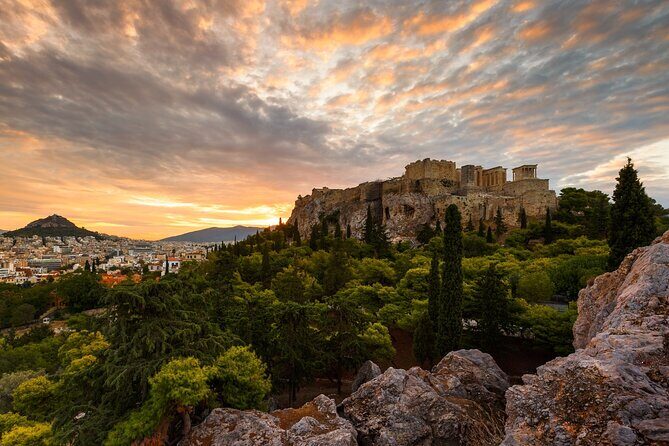
A lot of Athens walking tours focus on monuments. This one focuses on the ideas that grew around those monuments. You’ll move through places where Athenians argued about law, duty, myth, reason, and politics—then you’ll see how the same questions still show up in modern life.
The best part for your brain is the pacing. In under half a day, you’ll go from religious certainty and heroic storytelling toward thinking that relies on observation and argument. It’s not a lecture; it’s more like an annotated route, where each stop adds a new piece to the “how did we get here” story.
You can also read our reviews of more tours and experiences in Athens.
Meet Panos and the myth-to-democracy way the story is told
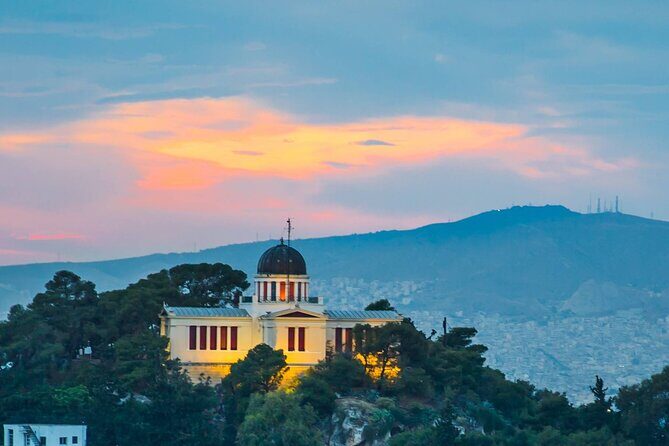
The guide for this experience is Panos, and the tone matters. People consistently describe him as witty and engaging, with the ability to make connections between mythology, philosophy, and real civic life. Instead of treating Athens like a museum, he treats it like a living argument—who gets to decide, what makes a good citizen, and why ideas spread.
You’ll also get the feeling that the tour is designed for more than just seeing. The tour keeps nudging you to think critically, including moments where past problems are compared to modern ones. That push is part of the value: you leave with more questions in a good way, not just photos.
Small group travel helps here. With a maximum of 12 people, you’re less likely to get lost in the crowd, and the guide can keep the pace conversational. You’ll also have a mobile ticket, which keeps the start smoother than paper-only systems.
Kerameikos: ceramics, centuries of burials, and Pericles’ democracy speech
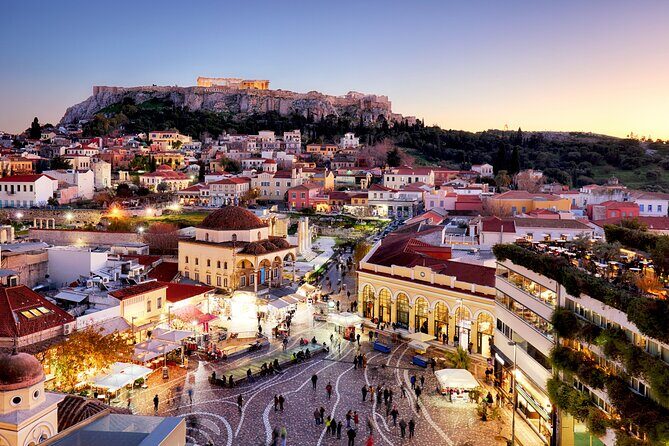
Your walk begins at Kerameikos, an area tied to both work and memory. The name is connected to ceramics, because this was where pottery workshops clustered. Over time, it became the cemetery of Athens for many centuries, including the burial place of prominent Athenians.
This stop matters because it’s where Pericles delivered his famous “Epitaph” speech for the first casualties of the Peloponnesian War. The point isn’t just that Pericles spoke here; it’s what he praised. You’ll connect the cemetery setting to the civic meaning of democracy—how the city talked about itself, its virtues, and its obligations to citizens.
If you care about political philosophy, this is a strong opening because it reframes democracy as something emotional and cultural, not just an abstract system.
What to watch for
- The solemn shift from craft and daily life into public remembrance
- How the guide links mourning, civic pride, and democratic identity
The Ancient Agora: where Athens practiced debate (not just worshipped ideas)
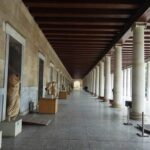
Next comes the Ancient Agora, the daily engine of Athens. This is described as the heart of the city, where both public figures and ordinary citizens walked in and out of discussions. It’s the setting you associate with debates that ranged from philosophy to politics.
What makes this stop click is the mix of names and roles. You’ll hear about philosophers like Socrates and Plato, plus major political thinkers such as Solon and Themistocles. Pericles and Thucydides come into the story too, and even playwrights like Sophocles and Aristophanes help show that ideas weren’t limited to philosophy rooms—they lived in theater, law, and civic argument.
For you, this is where “democracy” becomes practical. It’s easy to say democracy is voting; it’s harder to remember that it also meant public reasoning, argument, persuasion, and constant negotiation.
Possible drawback
This stop is often mentally busy. If you prefer pure sightseeing with minimal thinking, you may want to take brief breaks and pace the questions in your head rather than trying to absorb every idea at once.
Monastiraki Square and the Roman Agora: a calmer interlude with context
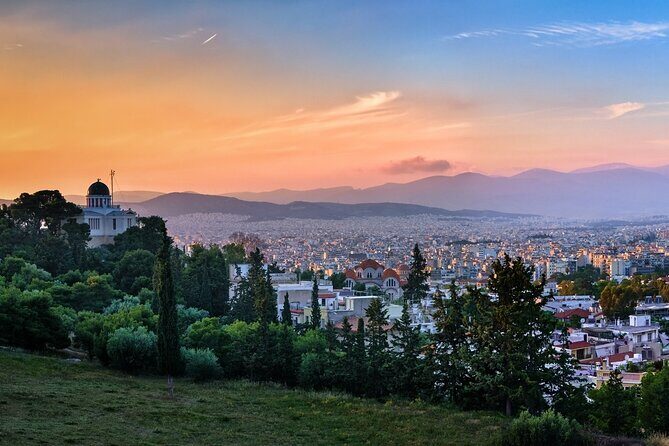
After the heavy idea work, you’ll slow down with an easy walk through Monastiraki Square and the nearby flea-market lanes. This is where the city’s modern energy shows through—colorful streets, antique finds, and plenty of tourist shops. It’s a useful contrast, because it keeps you in “Athens as it is today,” not only Athens as a textbook.
Then you’ll move to the Roman Agora, located north of the Acropolis and east of the Ancient Agora. Roman-era layers can be easy to miss if you only chase the classical peak. Here, the placement helps you understand how power and public space shifted across time while Athens stayed a major cultural center.
This section gives your feet a moment to reset while your mind keeps the historical timeline moving.
- All Day Cruise -3 Islands to Agistri,Moni, Aegina with lunch and drinks included
★ 5.0 · 4,958 reviews


Tower of the Winds: Athens turns weather and time into tools
Now you hit one of the most fun stops in the whole arc: the Tower of the Winds. It’s an octagonal structure connected to Andronicus of Kyrristos and dated to the 1st century BC. The tower served as a wind indicator and also a clock—so you can see early science thinking at work in public space.
The clock system is especially interesting. It used solar tracking, but on cloudy days it had a hydraulic mechanism that produced a sound every hour. That makes the tower feel like a blend of engineering and observation, not just a pretty monument.
If your tour theme is “blind faith to the start of science,” this is a centerpiece. You’re standing in a place that tries to measure the world around it and communicate that information to people below.
Hadrian’s Library: Roman-era big thinking near the Acropolis

From science tools, you shift to another kind of knowledge center: Hadrian’s Library. This library was created by the Roman emperor Hadrian in AD 132, on the north side of the Acropolis. It’s described as the second largest library in the world at the time, which tells you something about how seriously the Romans treated learning and prestige.
This stop is valuable because it complicates the story. Athens doesn’t stop being important after the classical era. The city remains part of a larger empire, and public culture—especially written knowledge—keeps getting rebuilt and repurposed.
Even if you don’t go “library mode,” you’ll still get the bigger message: learning systems survive political change.
Plaka: where the old ideas sit beside everyday life
Plaka is a scenic neighborhood with small houses and narrow, picturesque streets. It’s a slower-feeling stretch compared with the monuments, and it helps you absorb Athens visually while your guide keeps tying the story themes together.
For me, this is the practical emotional break. After learning about public speech and civic duty, wandering winding streets makes the city feel human again. You’re not just moving between major points; you’re living inside the atmosphere that those ideas eventually fueled.
Pnyx Hill: the first parliament and a view that makes it real

Then comes the heart of the democracy theme: the Pnyx Hill. This is described as the first parliament of the world. Standing in this area, it becomes easier to imagine the mechanics of public decision-making—where citizens gathered, where debate happened, and where civic life took physical form.
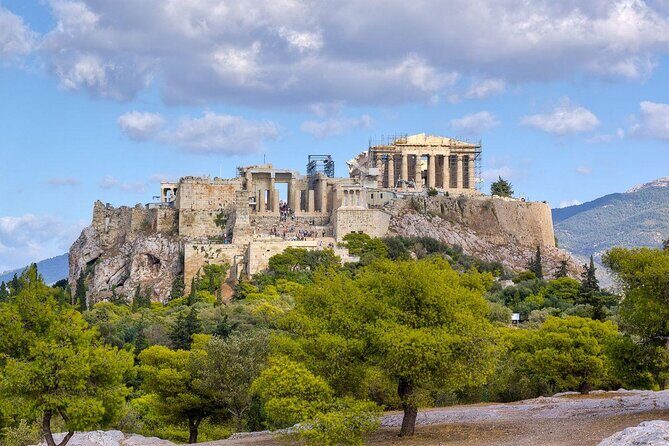
The view is also a reason to care. You get strong sightlines over the area, and it’s noted as a great spot for sunset views. Even if you don’t time it exactly for golden hour, the viewpoints make the political history feel less theoretical.
If you want a single “this is why the tour works” moment, Pnyx is usually the one.
Philopappos Hill at night: finishing with the Acropolis in your line of sight
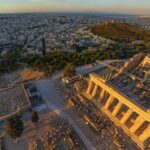
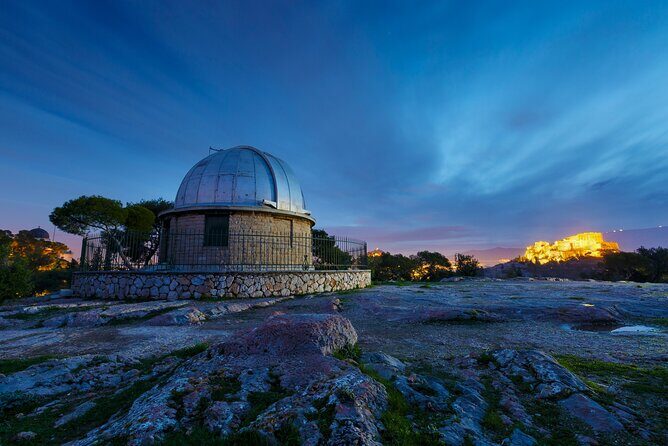
The tour ends at Philopappos Hill, also called the Hill of the Muses. It’s described as the best place for views of the Acropolis and Athens by night, and you’ll spend about 45 minutes here. That time matters. It gives you space to step back from the ideas and simply look—then let the themes land: democracy, debate culture, and the rise of reason as a human tool.
You’ll feel how the city’s layout supports the story. Athens’ high points are not just scenic; they’re political and cultural stages. When you watch the city below, you’re seeing why those thinkers cared about public gathering spaces in the first place.
Price and value: what you get for about $50
At $50.69 per person for about 3 hours, this is priced like a serious guided experience rather than a budget stroll. The value comes from two places.
First, the stops are listed as admission-ticket free. That means you’re paying for guidance, context, and the time saved by having someone connect the dots for you. Second, you’re getting multiple key sites tied to democracy and philosophy rather than just grabbing one big attraction and calling it a day.
The small group size (up to 12) also helps justify the cost. With fewer people, the guide can pace the walk and keep the discussion moving without turning it into a rush-job.
Logistics and comfort: how to make the 3-hour walk easier
This is a walking tour, and that’s part of the charm. Still, plan like you’re walking a real Athens afternoon or evening.
Here’s what I’d do to enjoy it fully:
- Wear comfortable shoes, since you’ll go between civic spaces and viewpoint hills
- Bring water, especially if the weather turns hot (some people note heat as a challenge)
- Use the near public transport advantage to get to the start smoothly and avoid extra stress
- If you’re traveling with kids or teens, know this tour can work well because it’s designed to explain big ideas with stories and real places
Also, start earlier rather than later if you can. The route includes viewpoints that feel best when you’re not overheating.
Who this tour suits best
This is a great fit if you like:
- the evolution of ideas (myth, then philosophy, then reason-based thinking)
- real civic history tied to real locations
- a guide who keeps the tone lively enough for non-experts
It’s also a strong choice for students and older teens who want context for school topics, because the tour style is built around explanation and discussion rather than memorization.
If you only want brief stops, minimal walking, or a strictly monument-photo itinerary, you might find it more cerebral than you expected. You’d likely still enjoy the views, but you may want a shorter or more flexible option.
Should you book Mythology, Philosophy and Democracy in Athens?
I’d book it if you want Athens to make sense. This tour takes you from Pericles’ civic speech to the Agora’s debate culture, then finishes with science-adjacent engineering at the Tower of the Winds and democracy stages at the Pnyx. The ending at Philopappos Hill gives you a satisfying payoff: the city’s story plus the skyline.
Skip it only if your idea of a perfect day is fast sightseeing with almost no thinking. If you’re happy to walk, listen, and connect ideas to street-level reality, this one is an excellent use of your time in Athens.
FAQ
How long is the Mythology, Philosophy and Democracy Tour?
It’s about 3 hours.
Where does the tour start and end?
It starts at Statue of Theseus, Athens (Athens 105 55, Greece) and ends at Philopappos Hill (Φυλής 215, Athina 117 41, Greece).
Is the tour offered in English?
Yes, it’s offered in English.
How many people are in the group?
The maximum group size is 12 travelers.
Do I need to pay for admission at the stops?
All listed stops show admission ticket free.
Is the tour walking-heavy?
Yes. It’s a guided walking tour with a finish at Philopappos Hill, so comfortable shoes help.
Is the tour ever canceled for weather, and what happens then?
The experience requires good weather. If it’s canceled due to poor weather, you’ll be offered a different date or a full refund.