REVIEW · THESSALONIKI
Olicatessen Olive Oil Tasting in Thessaloniki
Book on GetYourGuide →Operated by Olicatessen · Bookable on GetYourGuide
The most useful thing about this Thessaloniki experience is that it turns olive oil from a table condiment into something you can actually assess. At Olicatessen, you taste six Greek oils from different regions and varieties, then learn how aroma, texture, bitterness, and peppery flavor reveal what is in your glass.
I like the direct connection with small producers, shown through stories and photos, and I like the relaxed teaching style reported for guides Alex and Elli. You also get practical pairing advice, not just a string of samples. The main drawback is the price: at $47 per person for one hour, it is best for food-focused visitors rather than anyone looking for a broad sightseeing activity.
In This Review
- Key points at a glance
- Why an olive oil tasting belongs in Thessaloniki
- Meeting at Olicatessen in Ladadika
- Six oils, six ways to read Greek olive oil
- From olive varieties to producer stories
- Learning to pair oil with food
- What the one-hour format feels like
- The $47 question
- Who will enjoy this tasting most
- A practical place in your Thessaloniki plans
- Is Olicatessen worth booking?
- FAQ
- Where does the olive oil tasting take place?
- How long does the experience last?
- What is included in the tasting?
- Which languages are available?
- Who leads the tasting?
- Can I cancel or pay later?
Key points at a glance
- Six oils from across Greece: Compare regional character and olive varieties side by side.
- A central Ladadika setting: The tasting takes place at the Olicatessen store in Thessaloniki’s historical center.
- Guides who explain rather than lecture: Alex and Elli are praised for patient, friendly presentations in English.
- A real tasting lesson: Use green apple and water between samples while focusing on aroma, texture, flavor, and finish.
- Producer stories add context: Photos and accounts of the people behind the bottles give the tasting a human side.
- A small Greek food finale: Honey, balsamic vinegar, or another traditional or inventive Greek pairing may round out the session.
Why an olive oil tasting belongs in Thessaloniki
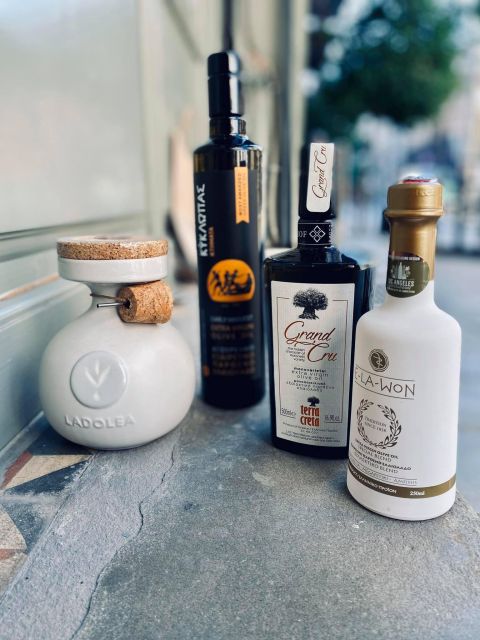
Greece is one of the world’s great olive oil countries, but most of us encounter its oil in a shallow restaurant dish with bread. That tells you very little. A guided tasting gives you a better starting point: compare oils under the same conditions and notice how different they can be.
This matters in Thessaloniki because Olicatessen is in Ladadika, close to the city center and its food scene. You do not need to set aside half a day or travel into the countryside. The experience fits neatly into a city break, perhaps before lunch or during an afternoon walk through the central districts.
I would not book this as a substitute for a full food tour. It is a focused lesson in one ingredient. That focus is the point, but it also means the session may feel too narrow if you want several dishes, market visits, or a longer cooking activity.
You can also read our reviews of more food & drink experiences in Thessaloniki



Meeting at Olicatessen in Ladadika
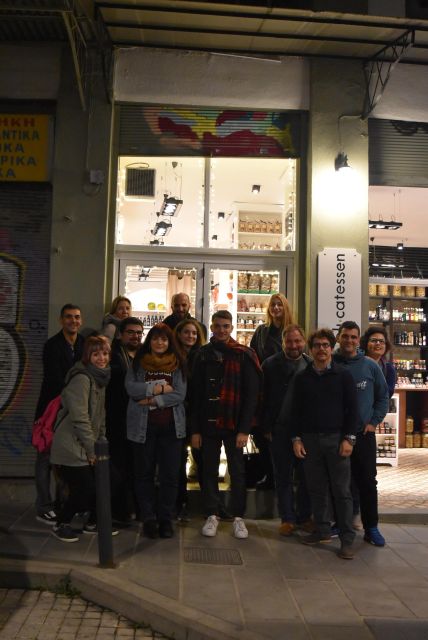
You begin and finish at the Olicatessen store in the Ladadika district. The location makes the activity easy to combine with other plans in central Thessaloniki, and the one-hour length keeps the commitment manageable.
The setting also makes sense for the subject. This is not a generic tasting in an unrelated meeting room. You are surrounded by products selected to show Greek food traditions and modern producers. If you find a favorite oil, you can buy it afterward for your kitchen or as a souvenir.
The store format has one practical advantage: you can continue thinking about the samples once the formal tasting ends. You might compare labels, ask about products, or choose something to take home. At the same time, remember that shopping is an optional extra, not part of the $47 tasting fee.
Six oils, six ways to read Greek olive oil
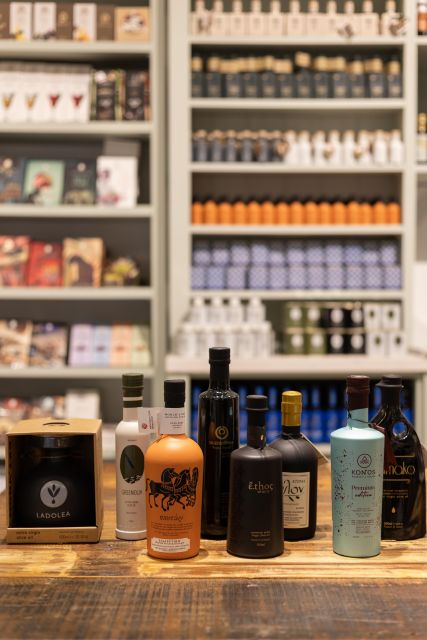
The main event is the tasting of six olive oils from different parts of Greece. The exact regions and varieties are not specified in advance, so you should expect the selection to depend on what Olicatessen is presenting at the time.
That changing selection is useful. You are not being asked to memorize a fixed list. Instead, you learn how to compare one oil with another. A milder oil may suit a delicate dish, while a stronger oil with bitterness and a peppery finish may work better with foods that can handle it.
The guide introduces the organoleptic qualities of each sample. In plain terms, you pay attention to what you smell, what you feel in your mouth, and what remains after swallowing. Fruitiness, grassiness, bitterness, spice, smoothness, and a scratchy pepper note can all be part of the experience.
You may already know that good olive oil can taste peppery. The session helps explain that this is not automatically a flaw. Bitterness and a peppery finish can be signs of character, though the right choice still depends on your taste and the food you plan to serve.
A green apple is included as a palate refresher, along with water. These are small details, but they make the comparison easier. Water clears your mouth, while apple gives you a neutral, crisp reset between oils. Follow the guide’s pace rather than rushing from one sample to the next.
From olive varieties to producer stories
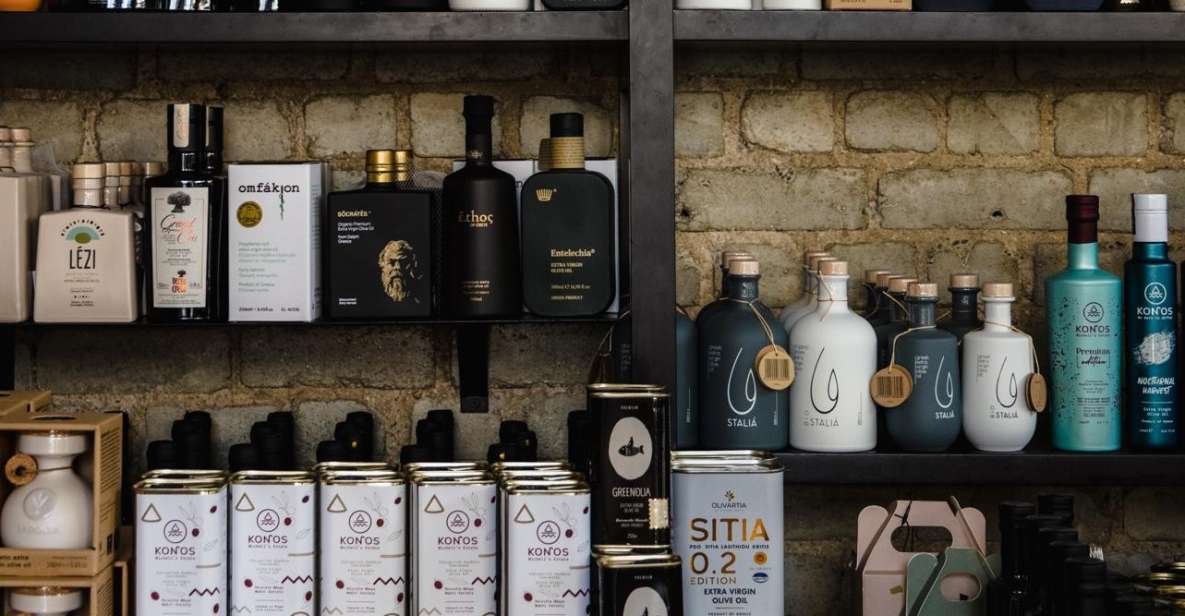
The most human part of the experience is the attention given to the producers. Olicatessen works directly with numerous producers and presents their stories alongside the oils. Alex, in particular, has been described as using many photos of the farmers while explaining how the products reach the store.
That detail changes the tasting from a technical exercise into a look at working Greek food culture. You hear about the people behind the bottles, their methods, and the care involved in producing oil. The information helps you understand why two oils made from the same broad ingredient can have different personalities.
The session also connects older Greek olive oil customs with newer ideas in production and presentation. You are not simply told that Greece has a long olive-growing tradition. You are shown how that tradition continues through individual producers and contemporary products.
The guide’s style is important here. Alex and Elli have been praised for friendly, patient explanations, and for taking questions without making the session feel rushed. That suits beginners. You do not need prior knowledge, and you can ask basic questions without feeling that you have missed a lecture.
Learning to pair oil with food
A useful tasting should help you after you leave. This one includes guidance on appreciating and pairing olive oils, so you can think beyond sipping or dipping. The goal is to choose oil with a dish in mind rather than treating every bottle as interchangeable.
You may learn to use a gentler oil where you want the main ingredients to remain clear, and a more forceful one where bitterness or spice can add contrast. The provided information does not set out specific dishes for every oil, so do not expect a fixed pairing menu. Instead, expect general advice tied to the samples in front of you.
The session ends with an extra taste from traditional or inventive Greek gastronomy. One session included honey and balsamic vinegar samples, but the final item can vary. That changing element keeps the close interesting, though anyone with strict dietary needs should confirm the available food before booking.
This final bite also shows how olive oil fits into a larger Greek pantry. Honey, vinegar, and oil can each shape a dish in different ways. The bonus is small, but it helps connect the tasting lesson with everyday eating.






What the one-hour format feels like
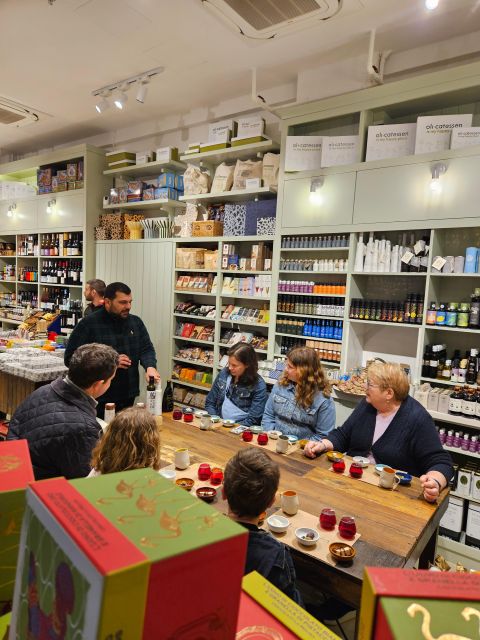
One hour is enough time for a focused introduction, especially if you have never tasted oil this way. You get six samples, an explanation of production and flavor, producer stories, pairing guidance, and a final food sample without having to give up a full morning.
The short format also has limits. A session lasting one hour cannot offer a detailed tour of Greek agriculture or a long technical course in olive oil grading. If you already know a great deal about oils, you may want to ask questions early so the guide can shape the discussion around your interests.
For most people, the pace seems to be one of the strengths. Katerina specifically described the activity as informative and fun without feeling rushed. That balance is valuable in a holiday schedule: you learn something real, but you are not trapped at a table for half a day.
Because no group size is provided, I would not book this expecting a private lesson. The quality of the discussion may depend partly on the group and the guide assigned that day. Alex and Elli are both mentioned as hosts, and the experience is offered in Greek and English.
The $47 question
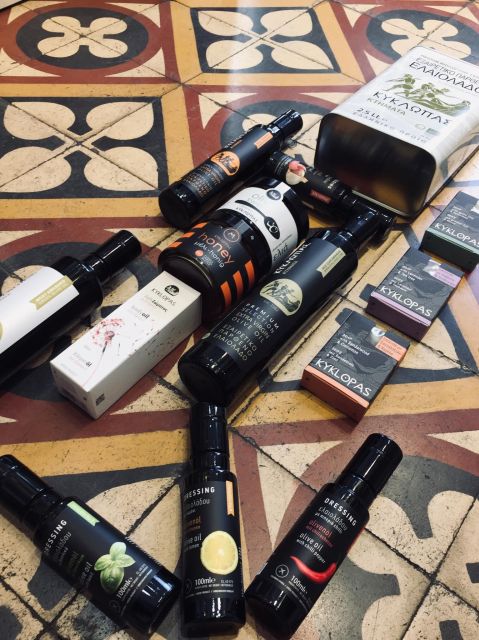
At $47 per person, this is not a bargain snack. You are paying for six oils, a guided explanation, producer background, pairing advice, and the convenience of a central Thessaloniki location. You are also paying for access to products that may be difficult to compare intelligently on your own.
I think the price makes sense for a dedicated food lover, a couple building a Greek pantry, or anyone who wants to bring home a bottle with a better understanding of what they are buying. It is less convincing for a casual sightseer who simply wants a quick taste of local food.
The ability to purchase favorites afterward improves the value for some people. You can sample before choosing, rather than guessing from a label in a shop. It also makes the activity useful near the end of a trip, when you know what food memories you want to take home.
Do not count on the shopping as part of the experience’s core value. You may buy nothing and still receive the full tasting lesson. The right question is not whether you will leave with a bottle, but whether learning to distinguish Greek oils is worth $47 to you.
Who will enjoy this tasting most
I would recommend Olicatessen especially for:
- First-time visitors to Greece who want a food experience tied to local producers
- Home cooks interested in oil quality, flavor, and pairing
- Couples or friends looking for a short activity in central Thessaloniki
- People who enjoy asking questions and comparing subtle differences
- Anyone searching for a useful, easy-to-pack Greek souvenir
It should also work well for beginners. You do not need to know olive varieties or production terms before arriving. The explanations are designed for food connoisseurs and curious newcomers alike.
I would hesitate if you dislike strong flavors, have no interest in tasting several versions of one ingredient, or want a large meal. This is a lesson with samples, not lunch. The food bonus adds variety, but it does not turn the hour into a full gastronomic tour.
A practical place in your Thessaloniki plans
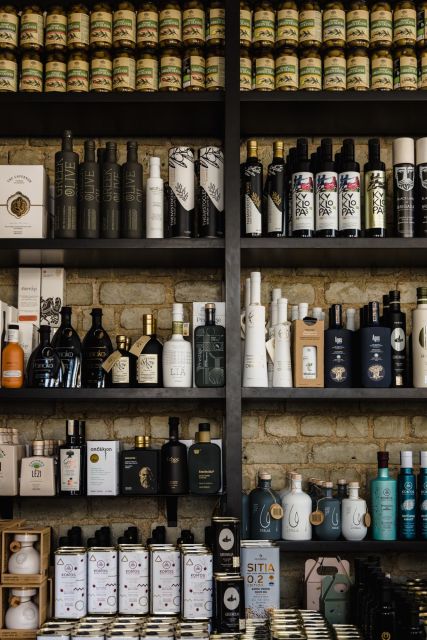
The Ladadika location lets you pair the tasting with a wider day in the city. Since you return to Olicatessen after the session, there is no complicated transport section or out-of-town transfer to budget for. Check the available starting times and build the hour around your other central Thessaloniki plans.
I would avoid scheduling it too tightly against another fixed activity. The tasting itself lasts one hour, and a little breathing room lets you ask questions and browse the store afterward. The guide may take time to explain a producer or answer something specific, so do not treat every minute as a stopwatch exercise.
Booking is flexible: you can reserve and pay later, and cancellation is free up to 24 hours before the activity for a full refund. That is useful when your Thessaloniki plans are still changing.
Is Olicatessen worth booking?
Book it if you want a compact, food-centered lesson rather than a standard sightseeing stop. The combination of six Greek oils, patient English-language guidance, producer stories, and pairing advice gives you something useful to take into your next meal.
I would especially choose it if you are curious about what makes one Greek olive oil different from another. Alex and Elli bring a friendly, easygoing approach, and the activity has earned consistently strong feedback for being informative without pressure.
Skip it if $47 feels high for a one-hour tasting or if you want a substantial meal and several food stops. For everyone else, Olicatessen is a smart addition to a Thessaloniki stay, particularly when you want to understand Greek food through one of its most important ingredients.
FAQ
Where does the olive oil tasting take place?
The session takes place at the Olicatessen store in the Ladadika district, in the historical center of Thessaloniki. It begins and ends at the store.
How long does the experience last?
The olive oil tasting lasts one hour. Starting times depend on availability.
What is included in the tasting?
You receive six olive oils from different parts of Greece, along with green apple and water. The session also includes explanations about production, flavor, pairing, and the producers.
Which languages are available?
The live guide service is available in Greek and English. The activity is designed to be delivered in English and Greek.
Who leads the tasting?
The guide may be Alex or Elli. Both are described as friendly and experienced in explaining Greek olive oil, and Alex is noted for sharing photos and stories about producers.
Can I cancel or pay later?
You can cancel up to 24 hours before the experience for a full refund. A reserve-now, pay-later option is also available.