REVIEW · ATHENS
Percy & Medusa: Family Mythology Treasure Hunt & Tour
Book on Viator →Operated by Narratologies · Bookable on Viator
The best thing about Percy & Medusa is that it turns Athens into a game board. Instead of walking behind a guide and simply looking at monuments, you follow clues, read short mythological stories, solve riddles, and collect tokens as you move from the Temple of Olympian Zeus to Plaka.
I like the mix of ancient sites and playful missions, which gives children a reason to pay attention. I also like the included lukumades, Greek donuts topped with honey and cinnamon, a welcome break during the walk. The main drawback is pace: two hours with eleven stops can feel brisk, and the route includes hills, steps, and plenty of walking.
In This Review
- Key points to know
- Turning Athens into a mythology mission
- From Hadrian’s Arch to the gods’ meeting place
- The Acropolis Museum and Dionysiou Areopagitou
- Lukumades provide a well-timed Greek snack
- Theatre of Dionysus and the road toward the Acropolis
- Areopagus gives you the best short viewpoint
- The Ancient Agora from above
- Plaka slows the route and adds local character
- Tower of the Winds and the final coronation
- What the guides add to the app
- Is $75.06 per person good value?
- Who should book this Athens treasure hunt?
- Should you book Percy & Medusa?
- FAQ
- Where does the Percy & Medusa treasure hunt start?
- Where does the experience finish?
- How long does the tour last?
- Is the activity offered in English?
- What food is included?
- Do I need to download an app?
- How many people can join the tour?
Key points to know
- The Narratologies app guides the hunt with location-based stories, navigation, riddles, and a digital collection system.
- Percy Jackson fans get a clear mythology connection, but the experience also works for families who simply want an entertaining introduction to Athens.
- The route links major sights without entering them, including the Acropolis Museum, Theatre of Dionysus, Ancient Agora, and Acropolis viewpoints.
- Lukumades and water are included, while other drinks and site admission costs are not.
- A facilitator carries the magic code that activates the game and helps the group when needed.
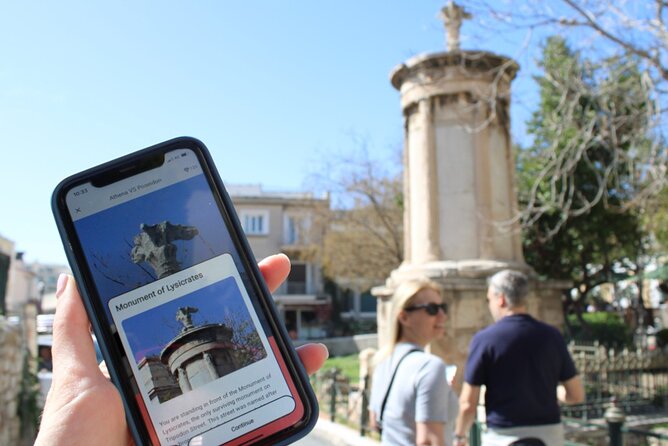
- The final ceremony takes place in Plaka, at the well-preserved Choragic Monument of Lysicrates.
Turning Athens into a mythology mission

This family treasure hunt begins at the Arch of Hadrian, beside the Temple of Olympian Zeus. From the first clue, the city becomes part classroom, part scavenger hunt, and part theatrical story.
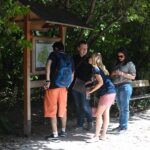
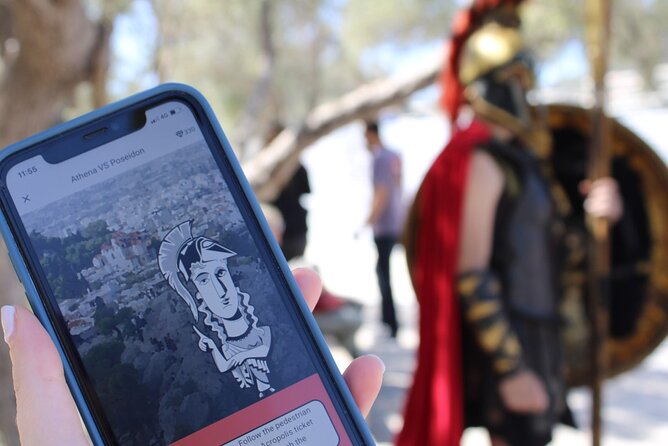
You use the Narratologies app on your phone. It provides directions, short stories tied to the places around you, and riddles that point toward the next stop. A facilitator is also part of the experience, though the app becomes your digital guide during stretches when the facilitator is not beside you.
That combination matters. Children can stay busy with a task while you take in the ruins and streets around them. Adults get useful context without sitting through a long lecture. The stories focus on Greek gods, heroes, and ancient monuments, with Percy and Medusa giving the route a familiar thread for children who know the Percy Jackson books or films.
The group size is capped at 15 people. That is small enough for a facilitator to keep the game moving, though it is not a private family outing unless you arrange one separately. The experience is offered in English.
You can also read our reviews of more tours and experiences in Athens.



From Hadrian’s Arch to the gods’ meeting place
The meeting point is the Arch of Hadrian at Leoforos Vasilisis Amalias 50. It is a practical starting point near public transportation and close to several major Athens sights.
Your first stop is the Temple of Olympian Zeus. The game presents this as a gathering place for the gods, where you ask for divine help before beginning the mission. You read a story in the app, solve a riddle, and use the answer to find the next monument.
You have about ten minutes here. That is enough for a clue and a look at the massive columns, but not enough for a full site visit. The stop works best as an introduction to the scale of ancient Athens rather than a detailed archaeological lesson.
The itinerary lists admission as free at this stop, but the tour does not appear to include entry into paid archaeological sites. You should think of this as an outdoor route with views and explanations, not a package of museum or Acropolis tickets.
The Acropolis Museum and Dionysiou Areopagitou
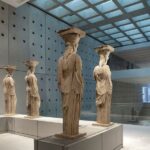
The next stop is the Acropolis Museum. You learn about the museum and its collection, then solve another riddle to receive directions.
The visit here is brief, about five minutes. That means you will not tour the galleries or see the collection in detail. The value is orientation. If you plan to visit the museum separately, the game gives children a reason to notice it and may help them understand why the building matters.
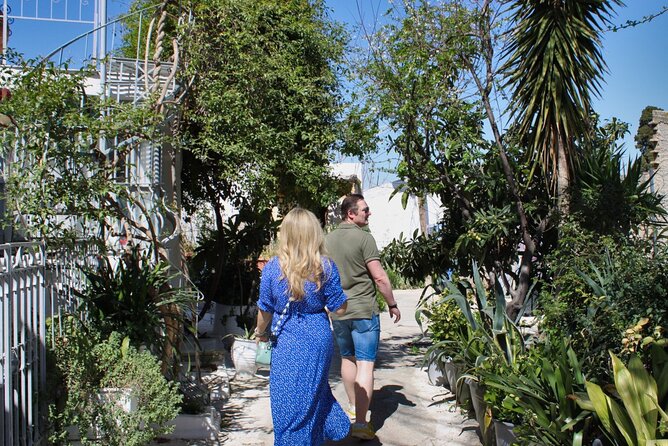
From there, the route follows Dionysiou Areopagitou, one of Athens’ most attractive pedestrian streets. Ancient monuments line the route, and the houses add a more modern architectural layer. The app supplies stories and riddles as you walk.
This fifteen-minute stretch is one of the better parts of the experience for families. It has room to breathe, and the pedestrian setting is easier for children than a busy road. Keep an eye out for the Olympian gods in the story, since the game asks you to stay alert for them.
The route is not just a march between famous ruins. It uses the street itself as part of the lesson. You see how ancient remains, later buildings, and modern city life sit close together in central Athens.
Lukumades provide a well-timed Greek snack
After the first set of clues, the group stops at LUKUMAΔΕΣ for about fifteen minutes. The included treat is lukumades, small Greek donuts served with honey and cinnamon, along with water.
This is a simple inclusion, but it makes a difference. Children often lose interest in an activity before adults do, and a sweet snack gives the group a clear pause. It also introduces a traditional Greek food without requiring a separate restaurant stop.
The food stop is not a full meal. Drinks beyond water are not included, so bring money if you want something else. The itinerary also refers to a savory pastry among the highlights, but the listed included food specifically confirms Greek donuts and water. I would plan around the lukumades rather than count on a full savory snack.
Theatre of Dionysus and the road toward the Acropolis
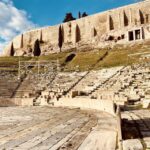
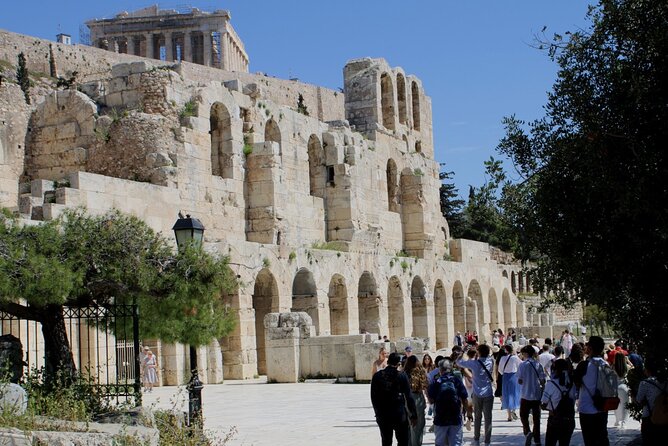
The Theatre of Dionysus comes next, with about five minutes devoted to the stop. This ancient theater sits at the foot of the Acropolis, and the game uses it as another setting for the mission.
The short timing lets you see the site and hear its role in ancient Greek culture, but it is not a substitute for a proper visit. If theater and classical drama are a major interest for you, you may want to return later with more time.
The route continues to the Herod Atticus Odeon, another ancient performance space. You read a story, solve a riddle, and prepare for the next stage, described as a visit to the cradle of civilization and the Acropolis hill.
The wording makes clear that the Acropolis is part of the story and setting, but the tour does not list an Acropolis entrance. That distinction is important when you compare the price with a standard guided Acropolis tour. You are paying for a game-based city walk, not an escorted visit inside the hilltop monument complex.
- All Day Cruise -3 Islands to Agistri,Moni, Aegina with lunch and drinks included
★ 5.0 · 4,958 reviews



Areopagus gives you the best short viewpoint
Areopagus is a small rocky hill with views toward Athens and the Parthenon. The group spends about ten minutes here, looking for clues and taking in the setting.
This is likely to be one of the most memorable stops for families because the view gives the mythology game a strong sense of place. You can connect the stories on your phone with the real Acropolis above you and the city below.
It is also where the physical demands become clearer. The tour calls for a moderate fitness level, and a rocky hill means you should wear sensible shoes. The route is not described as accessible for people with limited mobility, so anyone concerned about uneven ground or steps should ask the provider before booking.
The stop is short, so do not expect a long viewpoint session. Still, ten minutes is enough for the clue, a few photographs, and a useful pause before the route moves toward the Ancient Agora.
The Ancient Agora from above
At the Ancient Agora, the game gives you a look at the old center of Athenian public life from above. You read a story, solve another riddle, and continue.
Again, this is an outside perspective rather than a full archaeological visit. You will not have time to explore the Agora grounds in detail during the listed five-minute stop. That may disappoint anyone hoping to examine the ruins closely, but it keeps the hunt moving for children.
The app-based format is especially useful here. A short text tied to the view can help you understand why the Agora mattered without asking children to absorb a long historical explanation. The answer to the riddle becomes the reason to look more closely.
I would treat this stop as a preview. If the Agora catches your interest, return another day with an admission ticket and more time.
Plaka slows the route and adds local character
The hunt then reaches Plaka, Athens’ oldest district, for about twenty minutes. This is the longest single stop on the route and gives the game space to unfold through several stories and riddles.
Plaka is a fitting setting for the final section. Its narrow streets, old houses, shops, and proximity to the Acropolis make it feel different from the broad avenues around the earlier monuments. The route uses the district as a series of clue points rather than as a simple walk-through.
You should expect the app to ask you to read several stories and solve multiple riddles here. That can be engaging for children who enjoy puzzles, but it may feel like too much screen time for families trying to keep phones away during a holiday. The facilitator helps balance that by providing human direction and keeping the mission on track.
The tour includes discount vouchers from local souvenir shops and museum gift shops. These are useful only if you plan to shop, so consider them an extra rather than a major part of the value.
Tower of the Winds and the final coronation
The Tower of the Winds is the next clue point. The game introduces it as the first recorded weather station of humankind and asks you to solve a riddle connected with the monument.
You have about five minutes here. That is enough to appreciate the unusual structure and its place in ancient Athens, though not enough for a detailed architectural talk. This stop works well as a quick visual puzzle because the tower has a clear identity and an obvious connection to weather.
The hunt ends at the Choragic Monument of Lysicrates on Epimenidou Street in Plaka. The facilitator meets you there for a coronation ceremony if you have completed the mission.
Ending at an actual ancient monument gives the game a satisfying finish. It also makes the final location practical for the rest of your day. The monument is close to Acropolis Metro Station, so you can continue by public transportation after the ceremony.
What the guides add to the app
The Narratologies app is central, but this is not meant to be a completely self-guided walk. The facilitator has the magic code that unlocks the game and provides support along the route.
That human role is important for families with children of different ages. Maria is specifically praised for moving comfortably between elementary and middle-school children, adjusting the level of explanation so neither age group is left behind. Konstas is noted for explaining Greek mythology and its connection to Percy Jackson, while also handling questions about Athens and Greek history.
Those details tell you what to look for when booking. If your children are deeply interested in Percy Jackson, ask if Maria or Konstas is leading the session, if that information is available for your date. The experience depends partly on the facilitator’s ability to keep the riddles fun without letting the history disappear.
You should download the app before arriving. The provider sends a link after booking, and advance installation should make the start smoother. Bring a charged phone and make sure the adults in your group know how to access the app, since it remains part of the experience even when the facilitator is elsewhere.
Is $75.06 per person good value?
At $75.06 per person, this is not the cheapest way to see central Athens. You can walk past many of these monuments on your own for little or no cost, and the tour does not include admission to the Acropolis, Acropolis Museum, Ancient Agora, or other paid attractions.
The value comes from the structure. You get a two-hour route, an English-language digital guide, a facilitator, location-based stories, riddles, a snack, water, and discount vouchers. For a family that would otherwise need to invent games and explain every monument, that package can justify the price.
I would be less likely to book it for adults who want detailed archaeology. The stops are short, and several important sites are viewed from outside or above. A traditional guided tour, plus separate admission tickets, would suit someone seeking long explanations and time inside the monuments.
For families, the price buys momentum. You do not need to persuade a child to look at every column from scratch. The next clue gives the walk a purpose, and the food stop breaks up the ancient-site concentration.
The experience is usually booked well ahead, with an average booking lead time of 64 days. That suggests you should reserve early if your Athens dates are fixed, particularly if you want a certain guide or a convenient time.
Who should book this Athens treasure hunt?
I would choose this for families with children who enjoy mythology, riddles, stories, or Percy Jackson. It also suits adults who want a light introduction to major Athens landmarks without committing to a long lecture.
It is a good fit for mixed-age groups because the route combines physical movement, phone-based clues, food, views, and short explanations. The facilitator can help connect the mythology to the actual monuments, which is useful when children know the gods but not the city.
I would think twice if your group includes anyone who cannot manage moderate walking, rocky ground, or hills. I would also skip it if your top priority is entering the Acropolis Museum, Ancient Agora, Theatre of Dionysus, or Acropolis during the same two hours.
The two-hour duration is approximate. With eleven stops, the route may feel full rather than leisurely. Plan to arrive ready to walk, and avoid scheduling a major timed attraction immediately afterward.
Should you book Percy & Medusa?
Book it if you want Athens to feel like a story your family is solving together. The strongest features are the Percy and Medusa theme, the active riddles, the expert human support from guides such as Maria and Konstas, and the well-timed lukumades stop.
Skip it if you want a full archaeological tour or included entry to Athens’ major museums and monuments. At $75.06 per person, the cost makes the most sense when you value a ready-made family activity, not simply transportation between free viewpoints.
For the right group, this is a clever way to greet Athens. You finish in Plaka, near the Acropolis Metro Station, with a completed mission and a better sense of how myths, monuments, and modern city streets fit together.
FAQ
Where does the Percy & Medusa treasure hunt start?
It starts at the Arch of Hadrian, at Leoforos Vasilisis Amalias 50 in Athens.
Where does the experience finish?
The hunt ends at the Choragic Monument of Lysicrates at Epimenidou 3 in Plaka, close to Acropolis Metro Station.
How long does the tour last?
The experience lasts approximately two hours.
Is the activity offered in English?
Yes. The tour is offered in English.
What food is included?
You receive Greek donuts called lukumades, served with honey and cinnamon, plus water. Drinks besides water are not included.
Do I need to download an app?
Yes. After booking, you receive a link to download the Narratologies app. It provides navigation, location-based stories, riddles, and the digital game experience.
How many people can join the tour?
The activity has a maximum group size of 15 people.