Philippi hits you with that rare combo of ancient city layers and direct biblical context. This private outing is built around the St. Paul connection—so the ruins don’t feel like random stones. What I love most is how Efi Kalampoukidou ties the site to real-world stories, and how St. Lydia’s Baptistery gives you a living link to early Christian faith. One drawback: the day can run long, and the main archaeological admission fee for Philippi adds to the base price.
You’re also not stuck with a bland “see-and-go” plan. You get a private, certified guide for the full time, plus a car ride where the countryside and history between Thessaloniki and Philippi actually matter. Bring comfortable shoes, and plan for some walking inside an active excavation zone.
In This Review
- Key highlights and why they matter
- Walking Philippi with St. Paul context that actually clicks
- What you’ll do at the main site
- St. Lydia’s Baptistery: mosaics, marble, and a real religious link
- What to expect in 30 minutes
- Lion of Amphipolis: a 5-minute stop with good photo payoff
- Time on the clock: how the 7-hour pacing feels
- A bonus time-cut for cruise timing
- Price, value, and what you should budget before you go
- Is it worth it?
- Getting there from Thessaloniki: comfort and timing you can plan around
- Best months in plain terms
- Lunch in the region: how people usually handle the food gap
- Who should book this private St. Paul footsteps tour?
- Should you book it?
- FAQ
- What’s included in the price?
- Is the entrance fee to the Philippi Archaeological Site included?
- Is St. Lydia’s Baptistery entrance free?
- Is private transportation included?
- How long is the tour?
- What time does the tour start?
- Do I need to buy tickets for the tour day?
- What’s the cancellation timeline?
Key highlights and why they matter
- Philippi’s huge excavation site, covering Greek, Roman, and early-Christian eras in one walk
- St. Lydia’s Baptistery next to the Angitis stream, tied to St. Paul’s first-century baptisms
- A short Lion of Amphipolis photo stop on the way, a recognizable marble landmark by the Strymon
- Private guide time for your questions and pacing, not a crowded group script
- Clear budgeting: guide is included, but the Philippi entrance ticket and lunch are extra
Walking Philippi with St. Paul context that actually clicks
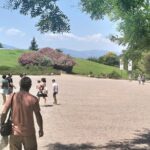
Philippi is one of Greece’s biggest excavations, and you feel that scale as soon as you start walking. You’re not just seeing a few “postcard” ruins. You’re moving through a city that went through multiple eras—ancient Greek, Roman, and then early Christian—right up to the period when St. Paul preached here around 49 AD.
That time period is the whole point of this tour. Efi’s explanations are geared toward helping you connect places to the story, not just the dates. You’ll hear the kind of context that turns a map into something personal: why Philippi mattered, how the city worked, and how early Christianity took root there.
You can also read our reviews of more private tours in Thessaloniki

What you’ll do at the main site
Your guided walk at the Archaeological Site of Philippi lasts about 1 hour 30 minutes. That’s long enough to get oriented and not long enough to feel like your feet hate you by hour two. You’ll see the remains across periods, and you’ll have time to stop and look rather than being pulled along at museum-speed.
A practical tip: the Philippi site is an active dig, with archaeologists working during the Spring and Summer, and ongoing UNESCO-related upgrades continuing year-round. That doesn’t ruin the visit—it often means you’re seeing a place that’s still being studied, not frozen in time.
St. Lydia’s Baptistery: mosaics, marble, and a real religious link
Right after Philippi, you head to Saint Lydia’s Baptistery. This chapel is dedicated to St. Lydia—often described as the first Christian baptized by St. Paul in Europe—and it’s paired with a dedication to St. Paul himself.
What makes this stop special is that it’s not purely about the past. The baptistery sits next to a stream called Angitis, connected to traditions about St. Paul’s baptisms in the Roman period. The site also remains in use today for baby baptisms, which gives the area a different feeling than the typical “stand back and look” ruin.
What to expect in 30 minutes
You’ll spend about 30 minutes here with time to take in the interior decoration and the setting. The baptistery is known for unique mosaic and marble decoration. It’s also free to enter, which is a nice win when you’re already paying for Philippi’s ticket separately.
If you’re doing a Christian history day-trip, this is the moment where the whole topic stops being abstract. You’re standing in a place where faith and ritual have a long continuity.
Lion of Amphipolis: a 5-minute stop with good photo payoff
If you’re starting from Thessaloniki, you’ll make a quick photo stop at the Lion of Amphipolis. It’s a marble lion memorial from the 4th century BCE, positioned by the river Strymon.
This is brief—around 5 minutes—but it works as a mental warm-up. It gives you a sense of the region’s identity before you hit the bigger Philippi experience. Also, it’s the kind of landmark you’ll actually remember when you look at your photos later.

Time on the clock: how the 7-hour pacing feels
This is a private tour running about 7 hours, from/to your Thessaloniki meeting point. The start time suggested is between 8:30 and 9:30 AM, with the listed start at 9:00. The tour ends back at the meeting point.
That timing matters because you’re combining a longer drive with a focused archaeological visit. You’re not wandering aimlessly; you’re doing a handful of high-impact stops. Still, you should expect a day that’s active—especially if you choose extra time for photos at the ruins.
Fitness note: the tour is listed for moderate physical fitness. Bring water and wear shoes with real grip. Even when a site is “only” 1–2 hours of walking, ancient paths can still feel uneven.
A bonus time-cut for cruise timing
If you’re joining from a cruise disembarkation from/to Kavala port, the same sites visit is shorter—around 4.5 hours. That’s useful to know because it changes the pace: fewer breaks, tighter timing, and less buffer for traffic.
Price, value, and what you should budget before you go
The price is $338.54 per group (up to 15 people) for a private guided experience. That base price covers the private certified guide for the full-day tour.
Here’s what’s not included, and why it matters for your math:
- Air-conditioned vehicle is not included in the guiding fee. Transportation depends on the number of people and the vehicle type needed. Pickup is offered, but any extra transport has to be arranged with the guide/driver before confirmation.
- Lunch isn’t included. No food or drinks are included, though bottled water is provided en route.
- Philippi entrance fee is extra: €10.00 per person for the Archaeological Site of Philippi.
- St. Lydia’s Baptistery entrance is free.
Is it worth it?
If you care about biblical and historical context—more than just “seeing ruins”—the private guide time is the main value. A group tour can rush you through explanations. A private tour lets you ask questions about why the places matter and how Philippi fits into St. Paul’s life and message.
Also, because Philippi’s main visit is time-limited (1 hour 30 minutes guided), you get highlights without getting stuck for your entire afternoon at one excavation zone.
Getting there from Thessaloniki: comfort and timing you can plan around
The meeting point is the Statue of Eleftherios Venizelos on Egnatia 78 in Thessaloniki. The tour returns you to the same spot.
Pickup inside Thessaloniki (or elsewhere you agree with the driver) can be arranged, but since transport is paid extra, you’ll want to confirm the exact pickup point early. The smoother your pickup, the less you lose to stress.
In the real world, many people end up appreciating a comfortable vehicle for this kind of route. The drives between locations can eat up energy fast, so plan to treat the ride as part of the experience, not just a commute.
Best months in plain terms
During April to October, the Philippi site and St. Lydia’s Baptistery are generally open all day until 20:00, except on Tuesdays. If you’re traveling outside those months, you’ll want to double-check opening times with the guide before you lock in your day.
Lunch in the region: how people usually handle the food gap
Lunch isn’t included, but bottled water is provided. In practice, a lot of these days work because the drive gives you options for a local meal rather than packing a long picnic.
Several people on this route highlight lunch near the ocean in Kavala. If your day includes time in/around Kavala, that’s often where you can turn the trip into something more than history-by-the-hour—sea air, local seafood choices, and a chance to reset before you head back.
If lunch matters to you, I’d plan on budgeting for it as a separate line item and ask your guide what’s convenient on the day based on timing.
Who should book this private St. Paul footsteps tour?
This tour is a strong fit if:
- You want biblical context tied to specific places in Philippi, not just general history
- You prefer a private guide who can pace the day and respond to questions
- You’d enjoy a route that includes a photo landmark en route (Lion of Amphipolis) plus the key Christian site at St. Lydia’s Baptistery
- You’re doing Thessaloniki and want a day trip that feels purposeful
It’s less ideal if:
- You hate long drives or you want a fully walkable, zero-transport morning
- You’re traveling ultra-budget and don’t want extra line items (Philippi entrance ticket and transport, plus lunch)
Should you book it?
Yes—if your goal is to make the story make sense. The biggest win here is the combination of a major archaeological site and a Christian landmark that still connects to religious practice today. With Efi guiding, the ruins don’t stay stuck in “someday I’ll read about this” territory.
I’d book it especially if you:
- want a private format (so you’re not rushed)
- care about St. Paul’s footsteps and Lydia’s role
- prefer a route that gives you a few high-impact stops instead of hours of wandering
Just go in with the right expectations: transport is extra, Philippi’s ticket is extra, and lunch is your responsibility. If you budget for those, this is a satisfying day that makes ancient Philippi feel personal and real.
FAQ
What’s included in the price?
The price includes a private certified guide for the full-day tour. Bottled water is provided en route.
Is the entrance fee to the Philippi Archaeological Site included?
No. The Archaeological Site of Philippi entrance ticket is €10.00 per person and is not included in the tour price.
Is St. Lydia’s Baptistery entrance free?
Yes. The St. Lydia’s Baptistery is listed as free to enter.
Is private transportation included?
No. An air-conditioned vehicle is not included. Transportation depends on the number of people and the vehicle size/type, and it’s paid extra.
How long is the tour?
The tour is about 7 hours, from/to Thessaloniki. If you’re coming from/to Kavala port (cruise timing), the visit to the same sites is about 4.5 hours.
What time does the tour start?
The listed start time is 9:00 AM, with a suggested start between 8:30 and 9:30 AM from Thessaloniki.
Do I need to buy tickets for the tour day?
You’ll need to pay for the Philippi Archaeological Site ticket (listed as €10.00 per person). St. Lydia’s Baptistery is free.
What’s the cancellation timeline?
You can cancel for a full refund up to 24 hours before the experience’s start time.