REVIEW · CRETE
Rethymno: Old Town Walking Tour with Meal
Book on GetYourGuide →Operated by Eco Events · Bookable on GetYourGuide
In four hours, you taste Crete’s Old Town. This guided walk pairs Cretan food with real local context—from a kafeneio breakfast to an atelier where phyllo dough gets made by hand, plus a lunch in an Ottoman-style garden. I especially like how the stops are food-first (so you learn by eating), and I like the way guides such as Vincent, Maria, or Michael tie each bite to what Rethymno used to be—and what it is now.
One thing to plan for: you’re walking through narrow Old Town lanes, so wear comfy shoes and expect some sun on the streets. The good news is the pacing feels relaxed, and you’ll get breaks while you eat, taste, and watch the phyllo process.
In This Review
- Key highlights you can plan around
- Walking the Old Town with a meal plan, not a checklist
- Starting point at Gerakari 4: easy to find, no hotel pickup
- Breakfast in a local kafeneio: sfakianopita, jam, and your first taste test
- Street-food and bakery stops: snacks that teach the rhythm of Rethymno
- Seeing phyllo made in Yorgos Hatziparaschos’ Venetian mansion
- Honey, olive oil, and raki tasting: learn what quality tastes like
- Lunch in an Ottoman-style garden under lemon trees
- How the architecture lessons connect to what you eat
- Vegetarian and non-vegetarian options: plan for your full meal
- Who this tour fits best (and who might not love it)
- Price and value: what $205 buys you in real terms
- Should you book this Rethymno Old Town walking tour with meal?
- FAQ
- How long is the Rethymno Old Town walking tour with meal?
- What food and drinks are included?
- Is there a vegetarian option?
- What languages do the guides speak?
- Where does the tour start?
- Is hotel pickup and drop-off included?
Key highlights you can plan around
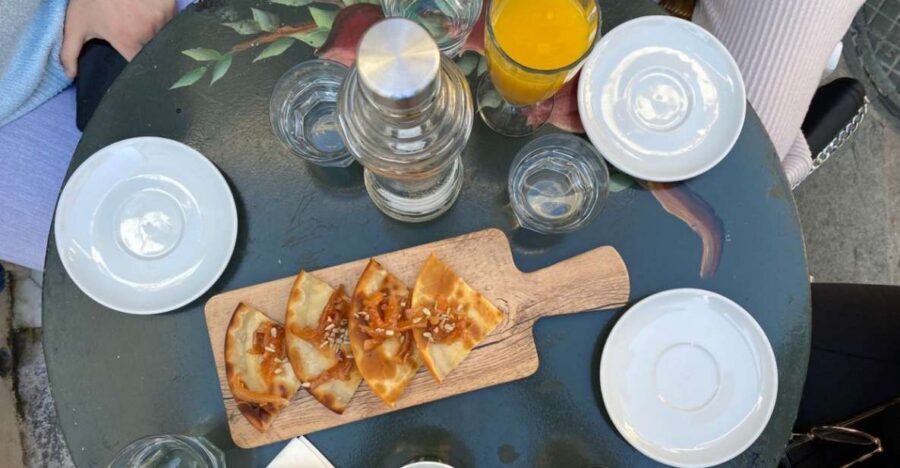
- Breakfast in a Greek kafeneio with coffee or juice plus handmade sfakianopita cheese pie and jam
- Street-food and snack stops that keep your hunger managed without turning it into a sprint
- 17th-century Venetian mansion phyllo atelier tied to Yorgos Hatziparaschos and dough made from flour, water, and salt
- Honey, olive oil, and raki tasting lesson focused on spotting higher vs lower quality
- Lunch under lemon trees in an Ottoman-style inner garden with traditional dishes served in a modern way
- Private-group feel with a guide who chats, adapts, and keeps the day comfortable
Walking the Old Town with a meal plan, not a checklist
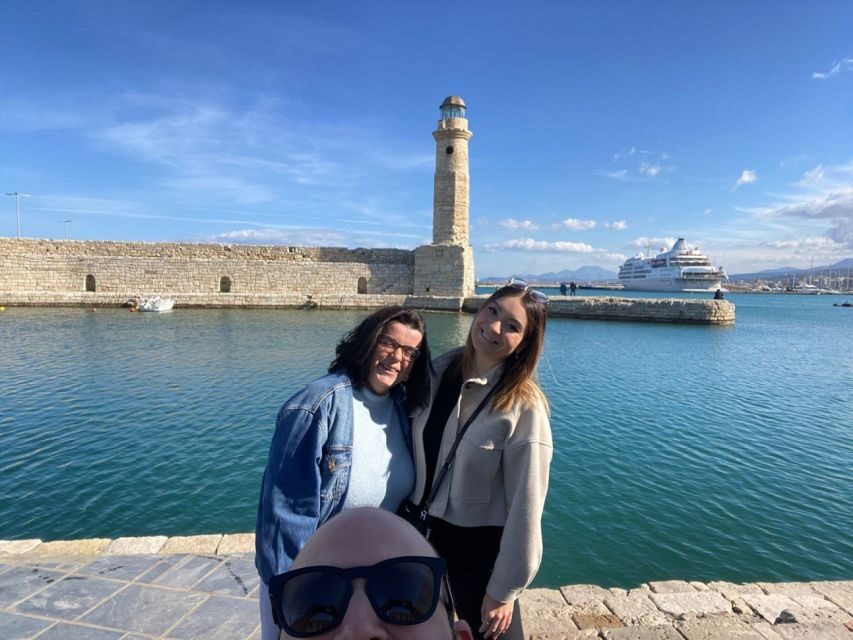
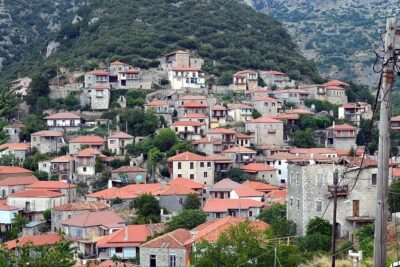
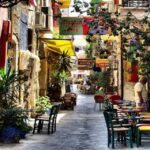
Rethymno’s Old Town can feel like a maze at first—small lanes, curves, and sudden views around Venetian-era stone buildings. This tour works because it gives you a path that’s built around eating, not around checking off landmarks. You move from one meaningful food stop to the next, so the walking actually feels like part of the experience.
At $205 per person for a 4-hour private tour, you’re paying for three things: a local guide, multiple food/drink stops, and a hands-on-style production moment with the phyllo tradition. The practical angle: you’ll leave knowing what to order and what to avoid when you’re on your own later.
You can also read our reviews of more walking tours in Crete


Starting point at Gerakari 4: easy to find, no hotel pickup
The tour begins at Gerakari 4, and it ends back at your meeting point. There’s no hotel pickup or drop-off, so you’ll want to be ready to get yourself to the Old Town area on your own.
That sounds basic, but it matters. A no-pickup format keeps the group moving on time, and it usually makes timing simpler for you—especially if you’re staying in or near the center.
Breakfast in a local kafeneio: sfakianopita, jam, and your first taste test
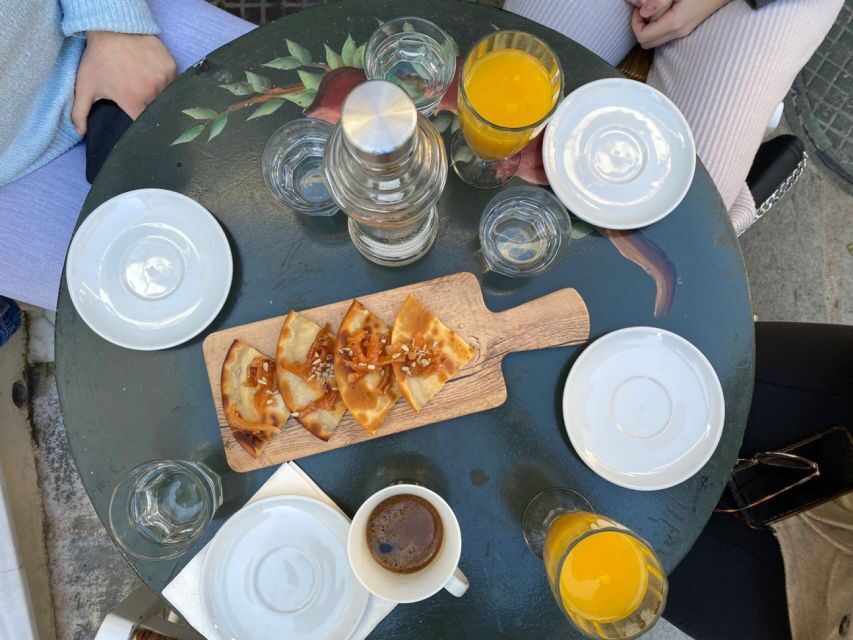
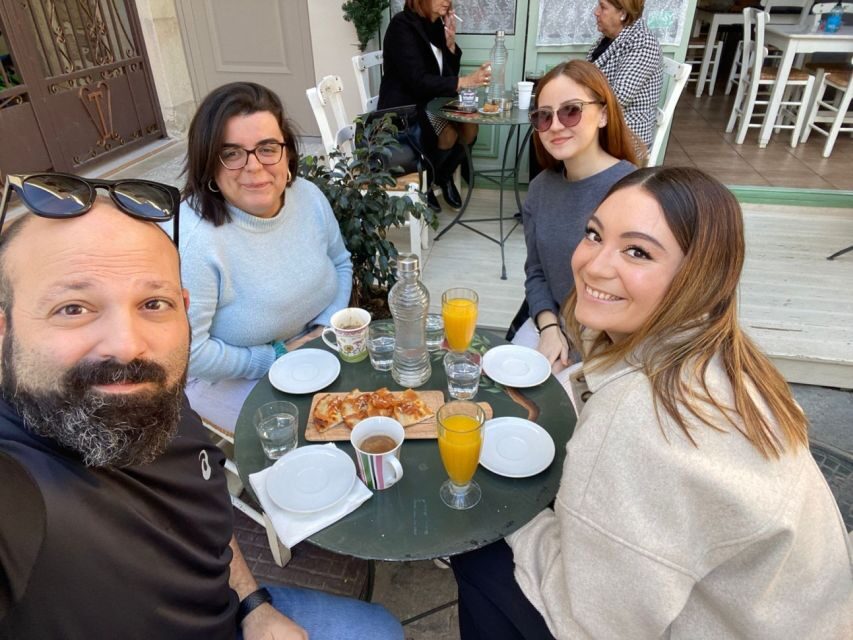
You start in a Greek-style kafeneio café in the heart of the city. This first stop is your reset button: you get coffee or fresh juice, plus traditional breakfast food that sets the tone for the rest of the walk.
One standout detail here is the sfakianopita: a cheese pie from the Sphakia tradition, coated with a layer of handmade jam. It’s a very Cretan kind of pairing—sweet and savory in the same bite—so it trains your palate for what comes next (especially honey and olive oil later).
This is also where you get the social part of the tour. During breakfast, your guide talks about local customs and how they connect to Cretan gastronomy. You’re not just learning ingredients—you’re learning why people eat this way and when.
Street-food and bakery stops: snacks that teach the rhythm of Rethymno
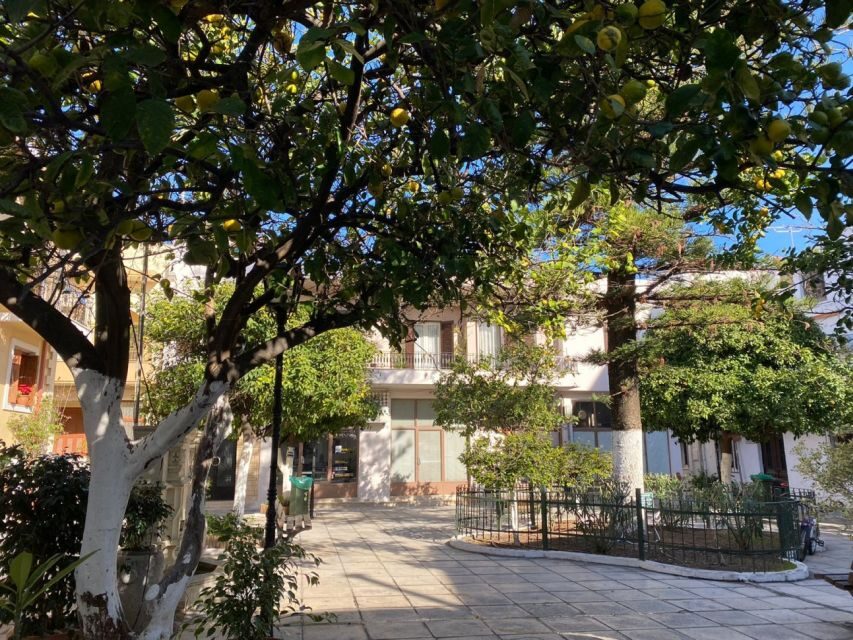
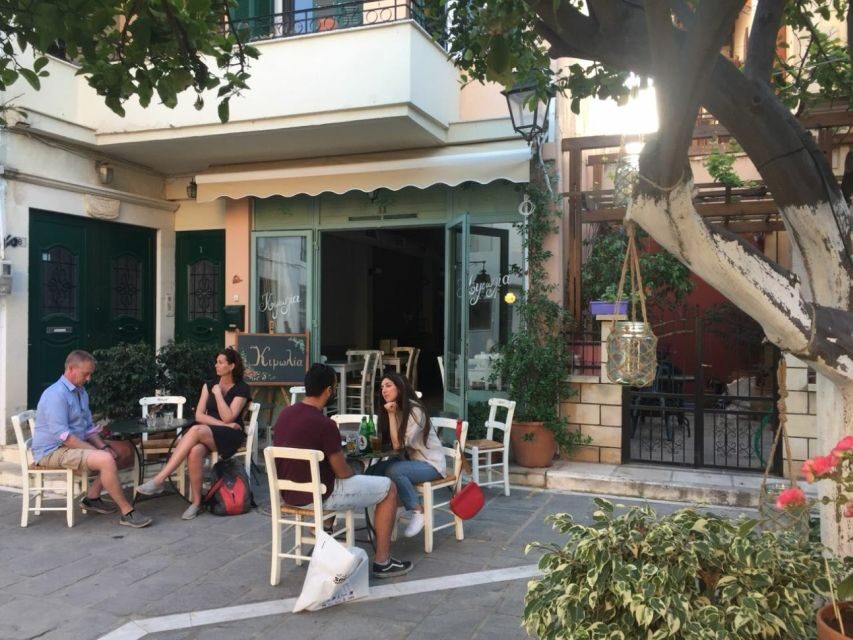
After breakfast, you head out to a local bar for street food (about 40 minutes) and then to a local bakery for snacks (about 20 minutes). The exact items can vary by stop, but the idea stays consistent: small bites, good conversation, and enough time to taste without feeling stuffed too early.
These stops do two practical jobs for you. First, they help you pace the day so lunch still feels enjoyable. Second, they show you how locals use food as a casual part of daily life—not a special-event only thing.
If you’re the type who likes to shop afterward, this is also smart timing. You’ll pick up cues for what kinds of products to look for, and you’ll have fresh context as you walk the lanes on your own.
Seeing phyllo made in Yorgos Hatziparaschos’ Venetian mansion
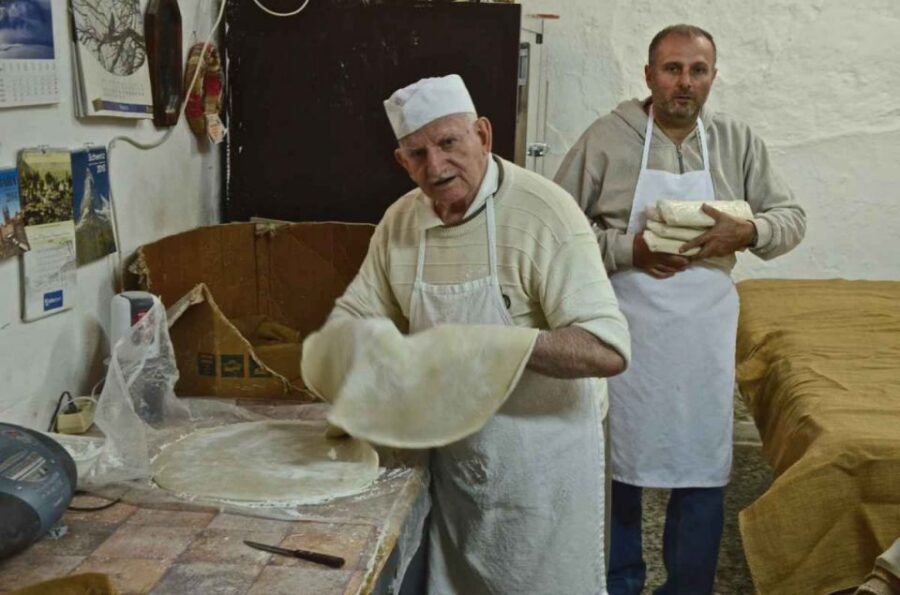
Then comes the moment most people remember: the phyllo workshop. You go to a 17th-century Venetian mansion house associated with Yorgos Hatziparaschos, who’s been making phyllo dough by hand for over 63 years.
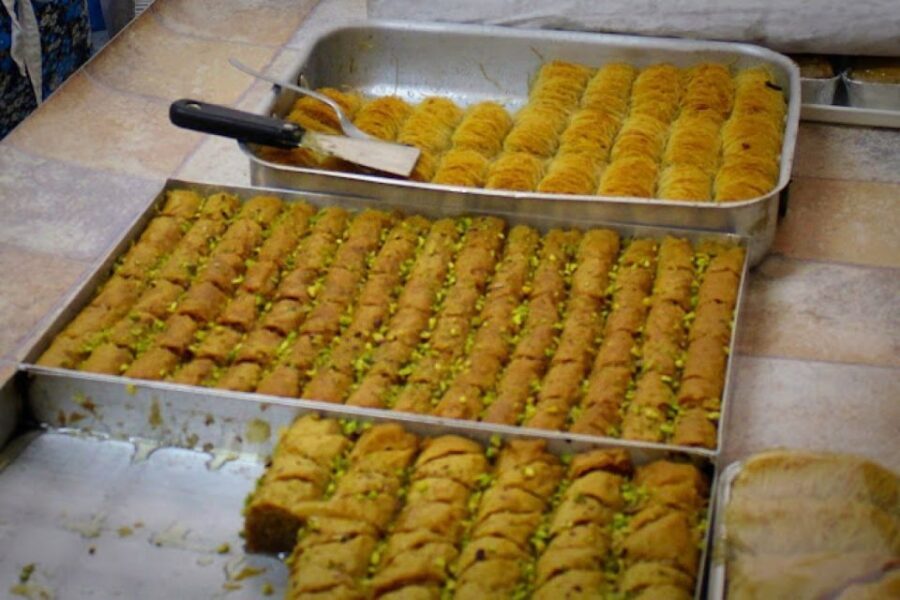
Watch how something simple—flour, water, and salt—gets turned into paper-thin dough. It sounds almost too basic to be magical, but the transformation is the lesson. Greek desserts like baklava rely on that thinness, and seeing it made makes the pastry feel less like a product and more like a craft.
Practical note: phyllo demos are usually easier to enjoy if you pay attention to texture and timing. When the dough is worked correctly, it stays manageable even when it’s very thin. That’s the skill—less about fancy ingredients, more about controlled hands and experience.





Honey, olive oil, and raki tasting: learn what quality tastes like
Next, you get a real tasting experience focused on how to tell high- vs low-quality honey, olive oil, and raki. This is one of the most useful parts of the day because it changes how you shop later.
Here’s what this kind of tasting does for you on Crete:
- It gives your senses a reference point, so you stop relying only on price or labels.
- It helps you understand why Cretans talk about these products so casually—like staples, not luxuries.
- It makes your food choices in restaurants faster, because you’ll know what to look for in the flavor.
Raki tasting also matters for pacing. Alcohol-based sips can feel strong if you’re not used to them, so this is the kind of stop where having earlier food (breakfast, snacks) really pays off. You get to taste without getting overwhelmed.
Lunch in an Ottoman-style garden under lemon trees
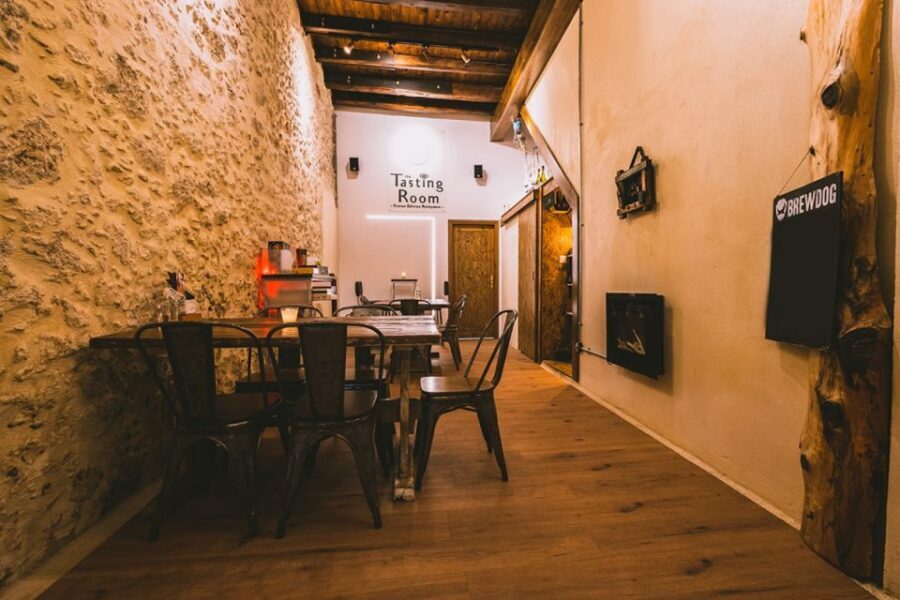
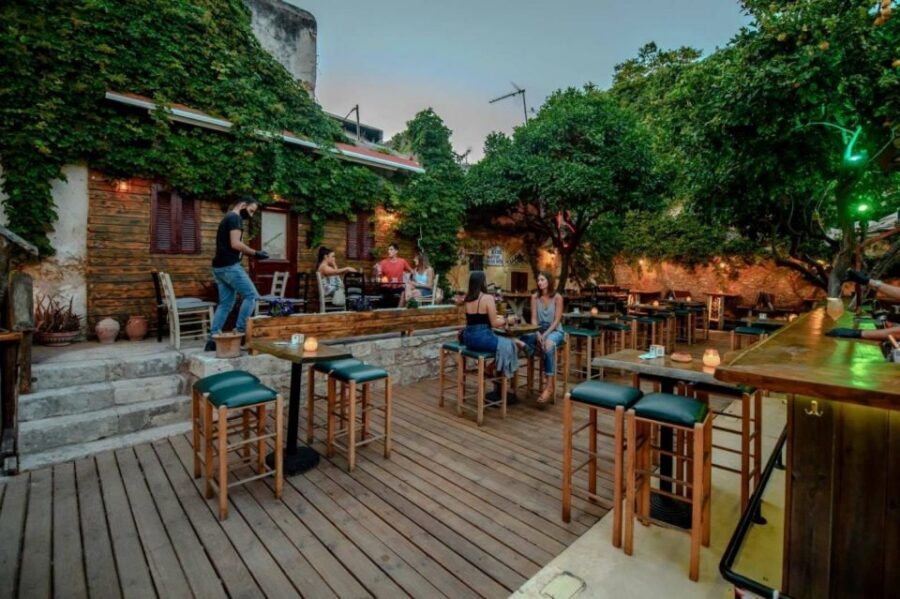
The day lands in a restaurant hidden in an Ottoman-style inner garden. The setting is built for lingering—an enclosed feel, a break from street noise, and the kind of atmosphere that makes you slow down and talk with your guide.
Your lunch is served under lemon trees, and it’s a full meal with traditional dishes made from fresh local ingredients. Even better: it’s served in a stylish, modern way, so it doesn’t feel like you’re just eating in a museum. You’re eating food that’s part of today, not only part of the past.
Since the tour includes full lunch (and some versions may be dinner depending on the session), you’ll likely finish your day feeling properly fed. In plain terms: you won’t need to hunt for a meal afterward unless you’re still craving sweets or coffee.
How the architecture lessons connect to what you eat
Rethymno isn’t one culture layered on top of another—it’s multiple influences in the same streets. This tour uses the food to help explain those influences in a way that sticks.
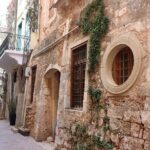
You walk through Old Town lanes with stone-built Venetian houses, then end up in spaces that echo Ottoman-style design. That matters because food is rarely separate from trade routes, cooking traditions, and local life. When your guide connects the history to what you’re tasting, it turns architecture into context instead of trivia.
It also helps you navigate. After this kind of walk, you’ll start noticing details like materials, courtyards, and street layout—because you’ve already linked them to a story you lived through with your meal.
Vegetarian and non-vegetarian options: plan for your full meal
The tour offers both vegetarian and non-vegetarian options for the full meal. That’s a big deal because food tours can go lopsided when only part of the menu works for you.
If you choose vegetarian, you still get the tasting-style stops (like honey/olive oil/raki education and the phyllo craft viewing). And when you reach lunch, you’ll still sit down for a full meal rather than eating snacks and hoping.
The best move: tell your guide what you avoid before the tour starts, so they can guide you through choices smoothly.
Who this tour fits best (and who might not love it)
This is a great match if you:
- Want a food-focused Old Town orientation so you know where to eat on the rest of your trip
- Like learning through tasting—honey/olive oil/raki lessons are practical, not abstract
- Enjoy slower, conversational tours rather than fast stop-and-go photo walks
- Appreciate seeing how a craft is actually made, especially phyllo dough
It might feel less perfect if you:
- Want a pure walking-and-sightseeing tour with minimal eating
- Have a schedule so tight you can’t spare a full 4 hours in the center of town
- Hate any alcohol-tasting component, since raki is part of the lesson
Price and value: what $205 buys you in real terms
$205 isn’t a throwaway price, so here’s how I’d judge value. You’re paying for:
- A guided walking route through Old Town
- Multiple stops (breakfast, street food, bakery snacks, plus a full lunch or dinner)
- A phyllo making demonstration tied to Yorgos Hatziparaschos
- A structured tasting lesson for honey, olive oil, and raki
- A private-group format with guide discussion
In other words, you’re not just buying food samples—you’re buying context, instruction, and experiences that are hard to replicate on your own. If you like food and you want a strong foundation for what to order around Rethymno, this price starts to look more reasonable.
Should you book this Rethymno Old Town walking tour with meal?
Book it if you’re aiming to leave Rethymno with two wins: a full stomach and better taste instincts. The combination of breakfast + street snacks + phyllo craft + honey/olive oil/raki tasting + a lemon-tree garden lunch is exactly the kind of day that makes the Old Town feel like it has a pulse.
Pass on it if you’d rather spend those 4 hours doing nonstop sights with no tastings. Also, if you’re very sensitive to heat, plan your day to go early or bring a bottle of water, since the streets are still streets—sun and cobbles included.
If you want flexibility, you can reserve with pay later and cancel up to 24 hours in advance for a full refund, so you can line it up with your first day in town.
FAQ
How long is the Rethymno Old Town walking tour with meal?
The tour lasts about 4 hours.
What food and drinks are included?
You’ll get coffee or juice at breakfast, traditional snacks during the walk, and a full lunch or dinner.
Is there a vegetarian option?
Yes. There is a vegetarian option for the full meal, as well as a non-vegetarian option.
What languages do the guides speak?
The guide speaks English, French, or Spanish.
Where does the tour start?
The tour starts at Gerakari 4.
Is hotel pickup and drop-off included?
No. Hotel pickup and drop-off are not included, and you’ll meet at the stated starting point.