REVIEW · CRETE
Rethymno Walking & Gastronomy Tour
Book on Viator →Operated by ECO EVENTS · Bookable on Viator
Small lanes, big flavor, and just enough history to keep it interesting. This Rethymno Walking & Gastronomy Tour stacks multiple food stops into a 3 to 4 hour walk, including raki and wine, so you leave full and informed. I especially like the small-group size (max 8) and the hands-on moments, like seeing phyllo made for kantaifi and baklava; one thing to keep in mind is that if you expect nonstop bite-size samples at every step, the snack pacing is lighter than some food tours.
You start in the old town and move through places that feel local, not stagey—think a quiet kafeneio breakfast, a tasting stop focused on Cretan staples, and then a Venetian-era atelier for phyllo craft. Guides vary, but past groups have praised people like Nora, Kostas, Michael, Vincent, Milo, Maria, Dina, Hara, and Dîna for mixing city stories with real food talk.
If you want a practical introduction to Cretan gastronomy (not just a few tourist tastings), this is a strong value. The main drawback is the same one with many walking-food tours: you need decent weather, and the itinerary depends on it.
In This Review
- Key Highlights You’ll Actually Care About
- Getting Your Bearings in Rethymno’s Old Town
- Stop 1: Cretan Breakfast in a Quiet Kafeneio Setting
- Stop 2: Olive Oil, Tsikoudia, and Honey at Bricks Beers & Tales
- Stop 3: Phyllo Craft in a Venetian-Era Atelier (Baklava and Kantaifi)
- Stop 4: Mezedes Lunch at Ali Vafis Garden With Wine and Raki
- Price and Value: What You’re Paying For at $107.63
- Pacing, Portion Expectations, and One Real Tradeoff
- Practical Tips Before You Go
- Should You Book This Rethymno Food and Walking Tour?
- FAQ
- What’s included in the Rethymno Walking & Gastronomy Tour?
- How long is the tour?
- What’s the group size?
- Where does the tour start?
- Is Fortezza included?
- Are there vegetarian options?
- What language is the tour offered in?
- What happens if the weather is poor?
- Is free cancellation available?
Key Highlights You’ll Actually Care About
- Small group, max 8 people: easier conversation with your guide and less waiting in lines.
- A breakfast plus a full lunch or dinner: enough food to feel like a real meal day, not a “light sampling” tour.
- Phyllo workshop in a Venetian-era mansion: you get context for why sweets like baklava and kadaifi work the way they do.
- Raki and wine included: you taste the drinks Cretans use to slow down, not just water.
- Meze lunch focused on Ottoman and Venetian threads: dishes connect to the city’s layered past.
- Fortezza option after the tour: your guide can help you plan the entrance if you want more sights.
Getting Your Bearings in Rethymno’s Old Town
The tour begins back at the Church of the Four Martyrs in Rethymno, which is a nice anchor point. From there, the walking feels like getting your legs under you while your guide sets the tone: customs, local rhythms, and how food fits into everyday hospitality.
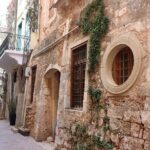
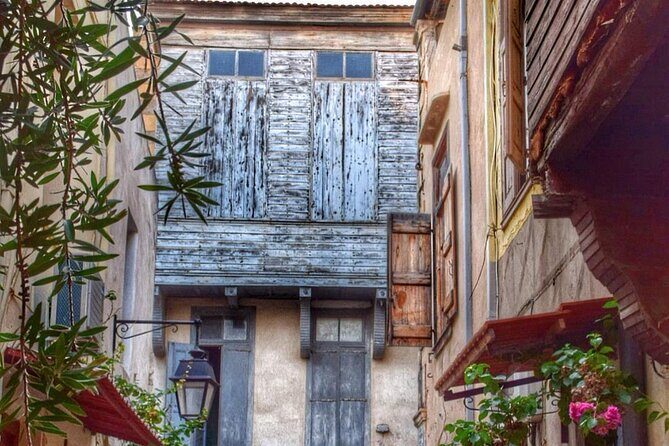
One reason I like starting this way is that it helps you understand what you’re looking at as you go—Venetian walls, Ottoman-era influence, and the overall “old town” feel that can be easy to miss if you only read plaques. The route is built for an easy pace, and because groups are limited, your guide can steer the conversation toward what you care about: olive oil, sweets, raki culture, or simple city history.
Also, guides in this program have a reputation for being friendly and talkative. Names that have come up include Nora and Vincent (very engaging), Michael (informative and accommodating), and Kostas (passionate about the city and its culture).
You can also read our reviews of more walking tours in Crete

Stop 1: Cretan Breakfast in a Quiet Kafeneio Setting
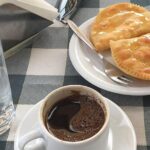
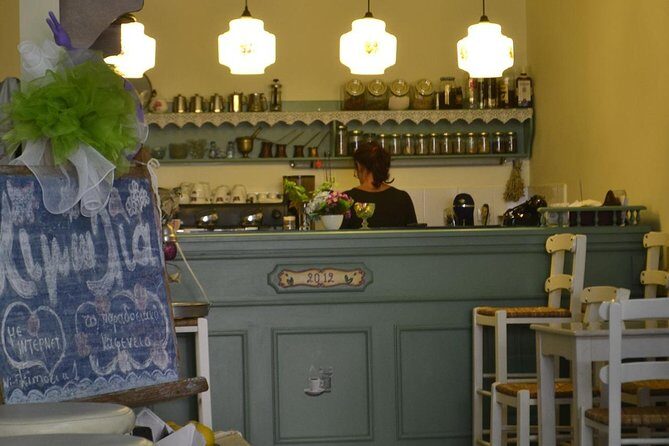
Your first stop is a kafeneio tucked into the old town, in a calm spot that helps you reset after travel and truly start the day. You’ll enjoy an authentic Cretan breakfast: a traditional Greek coffee or a juice, plus a handmade cheese pie that the guide calls sfakianopita, topped with organic thyme honey.
Here’s why this stop matters. Cheese pies and honey sound simple, but the point is learning how Cretan flavors “lock together.” Thyme honey is aromatic and herbal, and it works especially well with the warm, savory cheese pie. You also get a quick introduction to how Cretan traditions and customs connect to eating—what’s served, when it’s served, and how hospitality shows up in daily life.
If you’re the type who likes food first and facts second, you’ll still get the context you need without being dragged through a lecture. And if you like taking photos, this first stop is one of the calmer moments—more “pause and taste” than “walk and rush.”
Stop 2: Olive Oil, Tsikoudia, and Honey at Bricks Beers & Tales
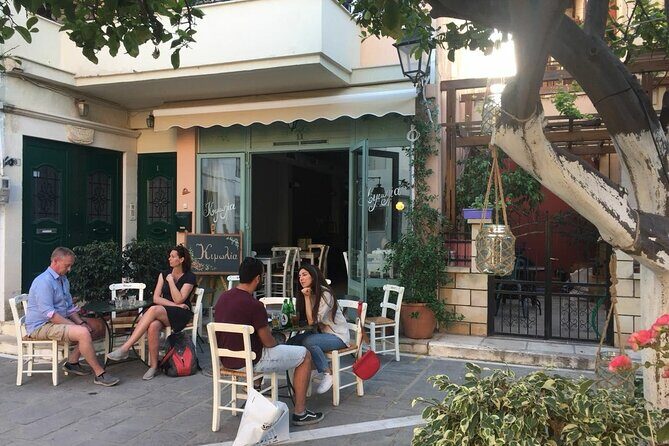
Next comes a tasting focused on core Cretan ingredients: olive oil, tsikoudia (local spirit), and honey. This is the stop where you start learning how to recognize what makes the real thing taste different.
A couple of practical expectations:
- You’re not just “sampling.” You’re getting cues for what to notice in olive oil and honey.
- Tsikoudia is part of the hospitality culture, and you’ll get the story behind why it shows up at the table.
In past experiences, the olive oil and honey parts have been a favorite, but one review note did point out that the olive oil tasting could feel a bit short if you’re hoping for deeper comparisons. So if you’re an olive oil nerd, just know this is still a guided walk-and-taste format—not an extended workshop.
Still, this stop is a great bridge between breakfast and the heavier, more showy food moments ahead.
Stop 3: Phyllo Craft in a Venetian-Era Atelier (Baklava and Kantaifi)
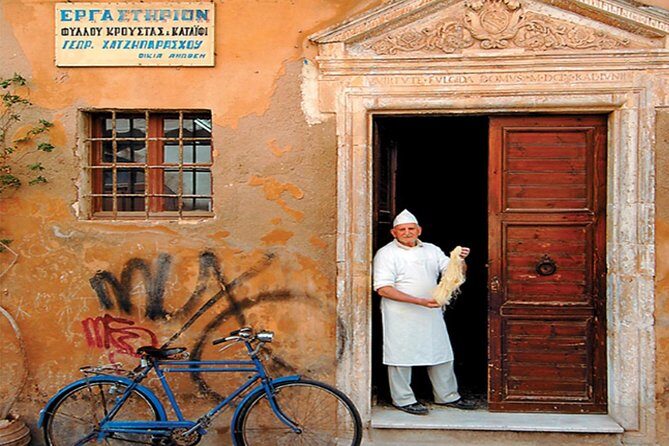
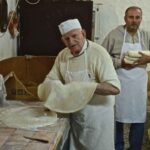
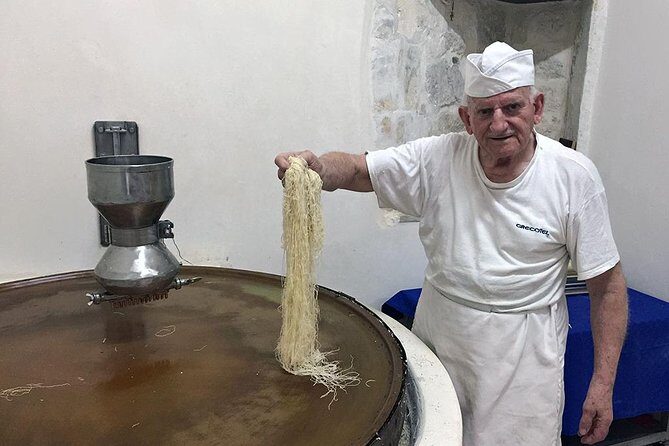
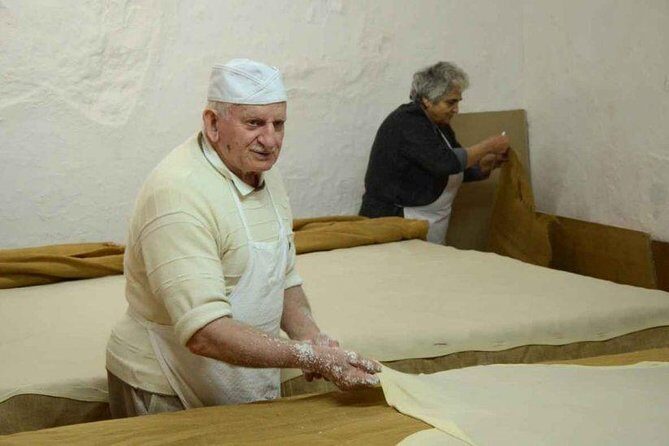
Then you shift from tasting to watching craft. The handmade traditional philo workshop takes place in a Venetian mansion dating to the 17th century, at the atelier of Giorgos Chatziparaschos. This place is described as the oldest of its kind for making phyllo for kantaifi and baklava, with 65 years of history behind the technique.
What you’re likely to see is the practical magic: simple ingredients—flour, water, salt—plus years of testing to get the right proportions. Your guide also explains why traditional phyllo matters for syrupy sweets. When you understand the dough process, baklava and kadaifi stop being mysterious and start making sense.
If you’re lucky, you’ll watch the master on the job. The description of how a mixture feeds into a special machine, how butter aromas spread, and how a copper pan keeps turning above the flames helps you picture the motion and timing. You’ll also learn how kadaifi gets built for flavor, with the right balance of cinnamon and chopped walnuts.
Why I think this stop is worth it: it turns dessert into culture. Even if you don’t care about baking at home, you’ll understand what you’re tasting later—how texture, thickness, and syrup behavior come from the technique.
Stop 4: Mezedes Lunch at Ali Vafis Garden With Wine and Raki
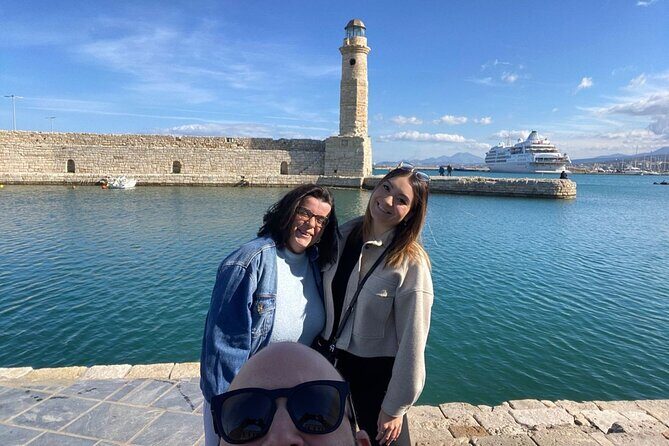
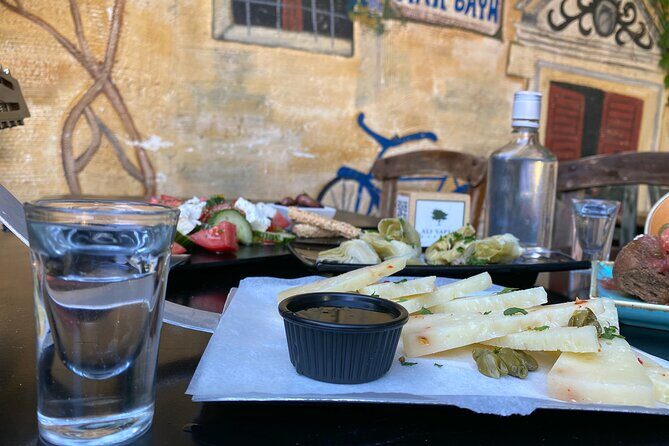
By the final stop, you’re done snacking and ready for a proper Cretan meal. Ali Vafis Garden is a tavern set in a building with Venetian-era roots, later occupied during Ottoman times. You’ll taste Cretan mezedes—small dishes that feel communal and plentiful.
The menu includes a mix that hits both land and sea and a mix of influences. You can expect items like:
- Salad with tomato, cucumber, artichoke, and bread crouton
- White, red, and rosé wine
- Black beans with smoked trout
- Goat cheese Graviera
- Organic sausage sheet, accompanied by raki
That’s a lot of variety for a single stop, and it’s exactly why people come away satisfied. Reviews also emphasize the “family-style” feeling of eating together, not just quickly passing through for a bite.
A nice extra: after you finish the tour, your guide can help you plan a visit to Fortezza, including accompanying you to the entrance. Fortezza entrance tickets aren’t included, so you’d still want to buy that separately—but having local help can save time and confusion.



Price and Value: What You’re Paying For at $107.63
At $107.63 per person for about 3 to 4 hours, the value comes from what’s included—not from cutting corners.
This tour includes:
- An English or French-speaking guide
- Small-group format (max 8)
- All taxes and fees
- Plenty of raki and laughter
- Coffee and/or tea plus traditional snacks
- A full lunch or dinner, with a vegetarian option
- Wine included with the mezedes
In plain terms, you’re not just buying three tastings. You’re paying for a guided food day with drinks, plus structured stops where you learn how the dishes and ingredients connect. And because the tour includes both a morning start (breakfast) and an ending meal, it’s often better value than piecing together coffee, snacks, and lunch on your own in different places.
If you want one “food anchor” in your Rethymno trip—something that gives you direction—this fits the bill.
Pacing, Portion Expectations, and One Real Tradeoff
This tour is built to walk and eat without turning it into a marathon. Still, it’s worth setting expectations.
One possible tradeoff: the tour does not promise endless tiny samples at every stop. The first part is a breakfast experience and tastings, and the real heavy lift is the final mezedes lunch. If you’re expecting something like multiple micro-samples every 10 minutes, you may feel the middle is lighter than you hoped.
Also, raki is included, but tsikoudia is described as being based on a traditional distillation process, so you shouldn’t expect a lineup of wildly different raki styles. If you’re hoping for a tasting flight with multiple variations, this won’t be that kind of tour.
The upside is that you’ll still leave with a full meal and a clear story of how Cretan food culture works.
Practical Tips Before You Go
A few things that help you get the most out of the day:
- Come hungry. Breakfast plus a full lunch means you’ll likely want room for it.
- Plan for walking in old town lanes. The meeting point is set, and the route goes through narrow streets. Wear comfortable shoes.
- Bring a light layer. Weather can shift fast in coastal Greece. One guide was noted as unflappable when rain formed and they added an extra stop to escape it.
- If you’re a dessert person, pay attention at the phyllo stop. The workshop makes the sweets you’ll likely encounter later taste more explainable.
- Use your guide for next steps. If you want Fortezza after, ask where to go and when—it’s easier with local context.
- Choose your timing with the weather in mind. The experience is noted as requiring good weather. If it’s canceled for poor weather, you’ll be offered a different date or a full refund.
Should You Book This Rethymno Food and Walking Tour?
If you want a guided day that combines Rethymno old town history with practical food education, I think this is a smart booking. It’s especially good for couples and small groups who want conversation, and for travelers who prefer fewer stops with real impact over scattershot eating.
Book it if:
- you want raki and wine included with your meal
- you like learning how food is made (phyllo craft)
- you’d rather have a guided plan than guess where to eat
Skip it or adjust expectations if:
- you expect lots of constant “one-bite” snacks every 15 minutes
- you want a large raki variety lineup (this tour is focused on the traditional style)
- you’re traveling during a period where weather might be unstable and you hate walking
Bottom line: this is one of those tours where the structure makes the meal feel effortless. You spend your time tasting and learning, not chasing reservations.
FAQ
What’s included in the Rethymno Walking & Gastronomy Tour?
The tour includes a local English or French-speaking guide, small-group tour, taxes/fees, coffee and/or tea with traditional snacks, lots of raki and laughter, and a full lunch or dinner (with a vegetarian option). Wine is also included with the meal.
How long is the tour?
The tour runs about 3 to 4 hours.
What’s the group size?
The tour has a maximum of 8 travelers.
Where does the tour start?
It starts at the Church of the Four Martyrs, Gerakari 6, Rethymno 741 31, Greece, and ends back at the meeting point.
Is Fortezza included?
Fortezza entrance tickets are not included. Your guide can help you with the entrance after the tour if you want to go.
Are there vegetarian options?
Yes. A vegetarian option is included for the full lunch or dinner.
What language is the tour offered in?
The tour is offered in English. Guides are local English or French speaking.
What happens if the weather is poor?
The experience requires good weather. If it’s canceled due to poor weather, you’ll be offered a different date or a full refund.
Is free cancellation available?
Yes. You can cancel up to 24 hours in advance for a full refund.