REVIEW · CRETE
Small-Group Wine Tasting Activity in West Chania
Book on Viator →Operated by PoTolo · Bookable on Viator
The best part of this experience is its small scale. At PoTolo in the mountain village of Tsourouniana, you taste five wines tied to small Chania winemakers, not a long parade of commercial labels. Mirsini explains how the wine is made, while local cheeses, savory pies, honey, and organic olive oil turn the tasting into a proper Cretan food experience.
I like the personal welcome from Mirsini and Stratos, and I like the way each wine is paired with local food rather than served on its own. The group is capped at 10 people, which gives you room to ask questions. The main drawback is the short 90-minute schedule: if you want a full winery visit or a slow afternoon over many bottles, this will feel brisk.
In This Review
- Key points to know
- Five wines in a quiet corner of western Crete
- How the 90-minute tasting unfolds
- Mirsini, Stratos, and a small-business welcome
- Why the local food changes the tasting
- Cretan wine without the rush of a large estate
- Is $59.17 a fair price?
- Who should book this experience?
- Practical details before you go
- My call: book it for the setting and the people
- FAQ
- Where does the wine tasting take place?
- How long does the experience last?
- How many wines are included?
- What food is served with the wine?
- Is the activity offered in English?
- Are people under 18 allowed to attend?
- What is the maximum group size?
- Is transportation to PoTolo included?
- What happens if the activity is canceled?
Key points to know
- Five local wines: Taste bottles made by small-scale winemakers from the Chania area.
- Food pairings included: Expect artisanal cheeses, savory pies, honey, and olive oil alongside the wine.
- Mirsini leads the tasting: She explains Cretan wine traditions and the winemaking process in a relaxed setting.
- Mountain-village setting: PoTolo is in Tsourouniana, near Kissamos, rather than in a busy resort center.
- Small group limit: No more than 10 people can join, making conversation easier.
- Under-18 option: Wine is for people over 18, while younger participants receive homemade juice.
Five wines in a quiet corner of western Crete
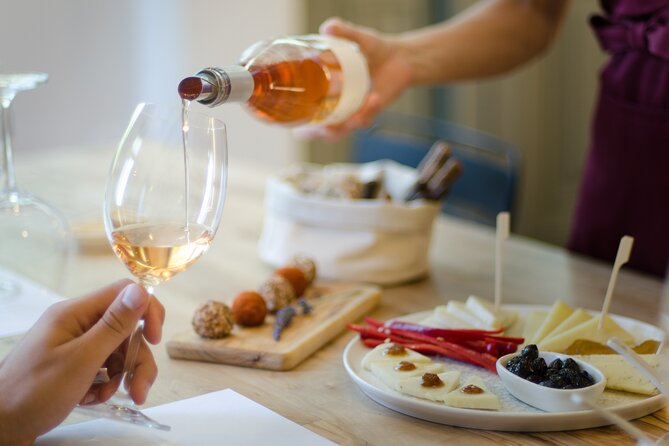
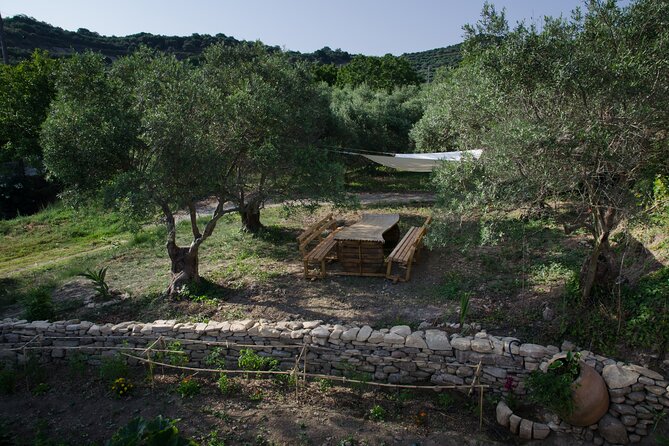
PoTolo offers a different sort of wine tasting from the polished cellar experience you may find at a large estate. The focus here is on small producers from Chania, the people the activity describes as local wine heroes. That means the tasting is built around character, place, and the choices of individual winemakers.
You will taste five wines during a session lasting about an hour and a half. That is enough time to sample a useful range without turning the afternoon into a drinking marathon. I see the format as a good fit if you want a clear introduction to local wine and food, not a technical course in viticulture.
The setting in Tsourouniana matters. You are not simply stopping at a generic tasting room in a city shopping district. You are heading to a mountain village in the Kissamos area, where the atmosphere is described as tranquil and cozy. The quiet setting should suit you if you prefer conversation and local stories to crowds and background noise.
The exact wine lineup can change, so you should not book this expecting named bottles or a fixed list of grape varieties. The useful promise is the theme: five wines connected to smaller Chania producers, with an explanation of how they are made and why they matter.
You can also read our reviews of more food & drink experiences in Crete



How the 90-minute tasting unfolds
The experience begins and ends at PoTolo, located at Tsourouniana 730 10, Greece. No transportation is included in the details provided, so you should plan your own way to the meeting point. That is important in western Crete, where a village location may require more planning than a tasting in Chania town.
Once you arrive, the session moves into tasting and conversation. Mirsini guides the wine presentation and explains the background of Cretan winemaking. You can expect the discussion to cover the island’s long wine tradition, the work involved from harvest to bottling, and the different methods used by the selected producers.
The experience also includes a winery tour according to the description of the visit, though the exact length and route are not specified. I would treat this as an introduction to the process rather than a full production tour. You should be able to learn how grapes become wine, but do not assume you will spend hours walking through vineyards, cellars, or bottling rooms.
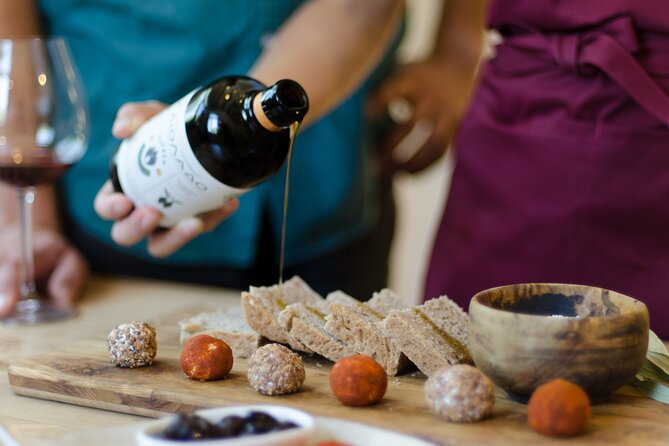
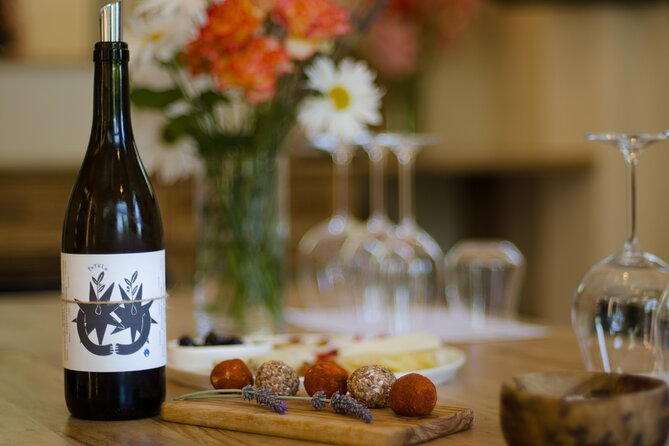
The wines are served with carefully chosen local bites. Artisanal cheeses can show how a wine handles salt and creaminess. Savory pies give you a richer, more substantial pairing. Honey adds sweetness, while olive oil brings a distinctly Cretan flavor to the table.
These foods are not just filler between pours. They help you understand how Cretan wine works with the food people actually eat on the island. I especially like that the tasting includes olive oil, since it connects the wine session to another major part of Cretan food culture. One visit also singled out the organic oil as a highlight.
Mirsini, Stratos, and a small-business welcome
The human side of this experience receives as much attention as the wine. Mirsini leads the tasting and is described as deeply committed to what she does. Her role is not only to pour wine, but to explain the bottles, the winemakers, and the process behind them.
That makes a difference if wine vocabulary makes you nervous. A relaxed explanation can help you notice aroma, texture, sweetness, acidity, and finish without making the experience feel like an exam. You can ask questions at your own pace, and the group limit of 10 should make that practical.
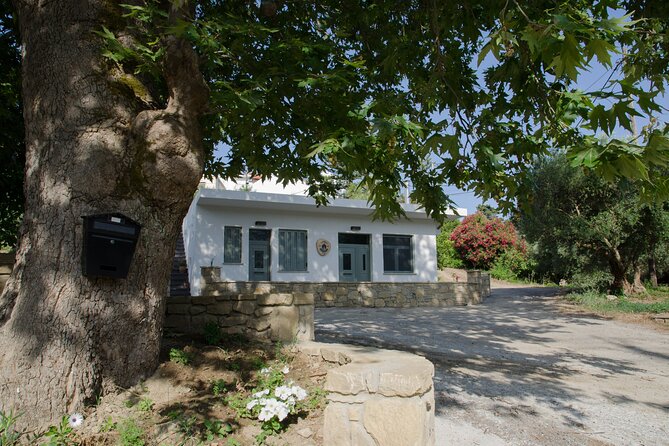
Stratos is also part of the hospitality at PoTolo. The experience is presented as a small business with a strong connection to the local community and the environment. I would expect the welcome to feel personal rather than corporate, which suits the mountain-village setting.
Alex handles communication before arrival, according to the information provided. That may be useful if you need help confirming the meeting point or sorting out the practical details of reaching Tsourouniana. The activity is offered in English.
The friendly tone is a major part of the value here, but it also creates a possible mismatch. If you want a formal lecture from a professional wine educator, this may feel informal. If you prefer a host who speaks with genuine enthusiasm about local producers, the easygoing approach should work well.
Why the local food changes the tasting
A wine tasting can be a little thin when it consists of five glasses and a bowl of crackers. PoTolo avoids that problem by pairing the wines with foods from the area. You get cheeses, savory pies, honey, and olive oil, all of which can change how a wine tastes.
Cheese often makes a dry wine seem softer and rounder. A savory pie can bring out a wine’s freshness, while honey gives you a chance to compare the wine with sweetness. Olive oil does something different again, adding fruitiness and a smooth texture to the food on the table.
You should still view this as a tasting, not a full meal. The food is described as local delicacies and snacks, but there is no stated menu size or promise of lunch. If you arrive hungry, keep your expectations sensible. The pairings add real value, but they may not replace a main meal later.
The food also gives the experience a stronger sense of place. You are not tasting wine in isolation. You are learning how local bottles fit beside familiar Cretan ingredients. For me, that is more useful than memorizing a list of grape names you may forget by dinner.
Cretan wine without the rush of a large estate
The activity’s main theme is the small winemakers of Chania. That focus gives you a look at producers who may not have the name recognition or scale of Greece’s best-known wineries. Small production often means the people involved can speak directly about their methods and choices, though the experience does not provide specific producer names in advance.
The history of Cretan winemaking is also part of the presentation. You will hear how wine has shaped the island’s food traditions and how present-day makers use local methods or selected techniques to create their bottles. The exact historical detail depends on the discussion, but the emphasis is clearly on context rather than simple pouring.
I like this approach for a first wine experience in Crete. It connects what is in your glass to the island around you. You do not need prior wine knowledge, and you can still take away a better sense of why Cretan wines are worth seeking out during the rest of your trip.
The 90-minute limit keeps the session manageable, especially if you have other plans near Kissamos. At the same time, it leaves little room for an expansive tour. Five wines, food pairings, history, production details, and hospitality can fill the time quickly.
You can also read our reviews of more wine tours in Crete




Is $59.17 a fair price?
At $59.17 per person, the price is not the cheapest way to drink wine in Crete. You are paying for more than five pours, though. The cost includes a guided presentation, local food pairings, access to a small host-run setting, and an introduction to producers from the Chania area.
The value improves if you care about context. A basic bar tasting might offer wine without explaining the people, methods, and regional traditions behind it. Here, Mirsini’s presentation and the personal welcome from the PoTolo team are central parts of what you are buying.
The price is also easier to justify for couples and small groups who want a calm, organized activity. You do not need to research several wineries, arrange separate tastings, or work out which local foods pair with each bottle. The experience puts those pieces together in one 90-minute visit.
Still, I would not choose it solely for quantity. You are not promised a full meal, transport, a large winery complex, or a long cellar tour. If your priority is drinking as much wine as possible, the price may feel high. If your priority is a personal introduction to western Cretan wine, it is more reasonable.
Who should book this experience?
I would recommend PoTolo to you if you want to meet local hosts and learn about Cretan wine in a quiet place. It suits couples, honeymooners, food-focused visitors, and anyone who prefers a small group to a coach outing.
The activity also works well for a mixed-age party. People under 18 cannot drink the wine, but homemade juice is served instead. That gives families a way to attend together, although adults should remember that the main focus remains wine.
It is a good choice for visitors staying in or exploring the Kissamos area who can reach Tsourouniana independently. The meeting point is fixed, and the experience returns there at the end. Since no pickup is listed, you should not assume that transport from a hotel or cruise port is included.
You may want something else if you are seeking a full-day vineyard visit, a technical sommelier lesson, or an extensive meal. The short format and small-village setting favor warmth and conversation over scale.
The experience is also weather dependent. If poor weather forces a cancellation, you are offered another date or a full refund. A minimum number of participants is required as well, so the provider may offer a new date, another experience, or a full refund if that minimum is not reached.
Practical details before you go
Your mobile ticket is accepted, and confirmation is provided when you book. The activity is offered in English, so you should be comfortable following an English-language explanation of wine and local history.
The maximum group size is 10 people. That limit is one of the strongest practical advantages because you are less likely to lose the explanation in a crowd. It also makes it easier to ask Mirsini about a wine, a producer, or the winemaking process.
Wine service is restricted to people over 18. Younger participants receive homemade juice instead. Service animals are allowed, and most people can take part, but the activity details do not describe specific accessibility features at the village location.
Cancellation is free up to 24 hours before the local start time. Cancel at least 24 hours ahead for a full refund. Changes or cancellations made less than 24 hours before the start time are not accepted for a refund.
Because the activity requires good weather and a minimum number of participants, keep your schedule a little flexible. You may be offered a different date or experience if PoTolo has to cancel.
My call: book it for the setting and the people
I would book this tasting if you want an intimate introduction to western Cretan wine, especially if you enjoy food pairings and personal stories. The five-wine format, local snacks, mountain-village setting, and small group make it more memorable than a quick glass at a resort bar.
I would skip it if you need transportation, a substantial meal, or a long technical winery tour. The 90-minute schedule is focused, and the details do not promise a fixed wine list or extensive cellar access.
For the right visitor, PoTolo offers a pleasant way to close an afternoon in the Kissamos area. You leave with a better feel for Cretan wine, a taste of local food, and a direct connection to the people who care for both.
FAQ
Where does the wine tasting take place?
The meeting point is PoTolo, at Tsourouniana 730 10, Greece. The activity ends back at the same meeting point.
How long does the experience last?
The tasting lasts approximately 1 hour and 30 minutes.
How many wines are included?
You will taste five wines made by small winemakers from the Chania area.
What food is served with the wine?
The tasting includes locally sourced delicacies such as artisanal cheeses, savory pies, honey, and olive oil.
Is the activity offered in English?
Yes. The experience is offered in English.
Are people under 18 allowed to attend?
Yes. Wine is available only to people over 18, and homemade juice is served instead to those under 18.
What is the maximum group size?
The activity accepts a maximum of 10 participants.
Is transportation to PoTolo included?
The provided details list the meeting point at PoTolo but do not state that hotel pickup or other transportation is included.
What happens if the activity is canceled?
If poor weather causes a cancellation, you are offered a different date or a full refund. If the minimum number of participants is not reached, you are offered a different date or experience, or a full refund.