Athens is best understood one bite at a time, and this small-group food walk puts you right into the city’s market life. Starting in Monastiraki, you stroll through the market and Psiri, stopping at local shops, a souvlaki house, a fish taverna, and sweet shops for a steady stream of Greek favorites.
I like two things here. First, the food is substantial enough to replace lunch, not just a few token samples. Second, every bite is included, so the $69.69 price is easy to judge from the start. Guides such as Rachel, Arela, and Mike also add practical advice about coffee, the metro, olive oil, honey, and places to eat later.
The main drawback is dietary: this tour is not suitable for gluten-free, vegetarian, or vegan diets. The 2.5-hour schedule also moves at a brisk food-and-walking pace, so it suits hungry visitors more than people seeking a slow, sit-down meal.
In This Review
- Key points at a glance
- A food-first introduction to central Athens
- The Athens market: seafood, pies, and local shopping
- Souvlaki, gyros, and the main meal
- Loukoumades, ice cream, and Greek coffee
- What the guides add to the food
- Is $69.69 a fair price?
- Walking, timing, and practical limits
- Who should book this Athens food tour?
- Should you book it?
- FAQ
- Where does the Athens street food tour start?
- What time does the tour begin?
- How long does the experience last?
- Where does the tour end?
- How many people can join the group?
- What food is included?
- Are drinks included?
- Can people with dietary restrictions join?
- What is the cancellation policy?
Key points at a glance
- Monastiraki to Psiri: Walk through two central Athens areas while eating in places used by the local community.
- A full lunch in small bites: Gyros, souvlaki, pies, seafood, cured meats, cheese, fruit, and sweets are included.
- Greek coffee and local drinks: Try coffee heated in volcanic sand, along with raki, ouzo, local wine, or fresh orange juice.
- Family-run food stops: Olive oil, olive, and honey tastings add useful shopping and food knowledge beyond the meal.
- Small group of up to 10: The group size leaves room for questions and conversation with the guide.
- Best booking tip: Take this tour early in your Athens stay, and arrive hungry.
A food-first introduction to central Athens
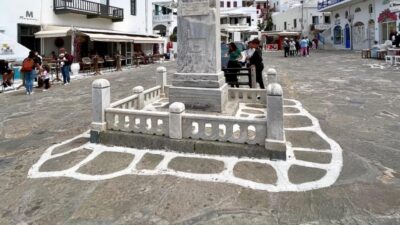
The meeting point is at Athinas 41, close to Monastiraki, with the tour beginning at 1:00 pm. From there, you make a short walk around the market area before moving toward Psiri, a social part of central Athens filled with places to eat, shop, and meet friends.
This is not a formal history tour with long talks at monuments. The city comes through its food businesses, market stalls, shopkeepers, and everyday customs. Your guide explains what you are tasting, helps with conversations, and points out how locals choose food and drink.
That approach is useful on a first visit. You get a neighborhood orientation, a meal, and a list of foods to seek out again. Several guides also give practical advice beyond the scheduled stops, including coffee suggestions, metro help, and tips for spotting good places to eat.
The group maximum is 10 people. That is small enough for the guide to explain unfamiliar foods and manage different appetites without turning every stop into a production. It also gives you a chance to meet other food-focused visitors, which can make the walk feel social rather than instructional.
You can also read our reviews of more food & drink experiences in Athens

The Athens market: seafood, pies, and local shopping
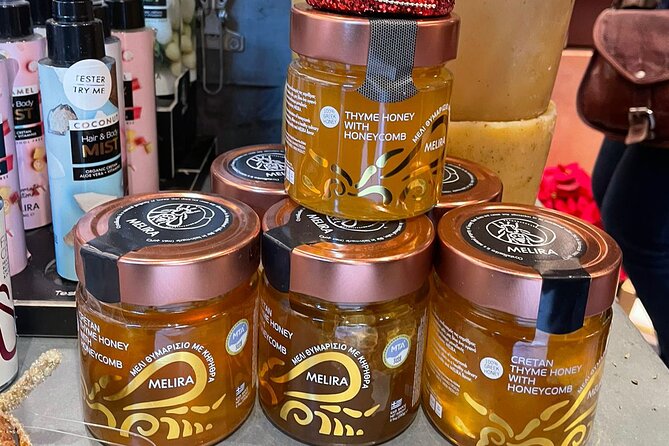
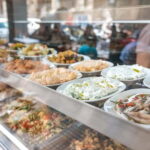
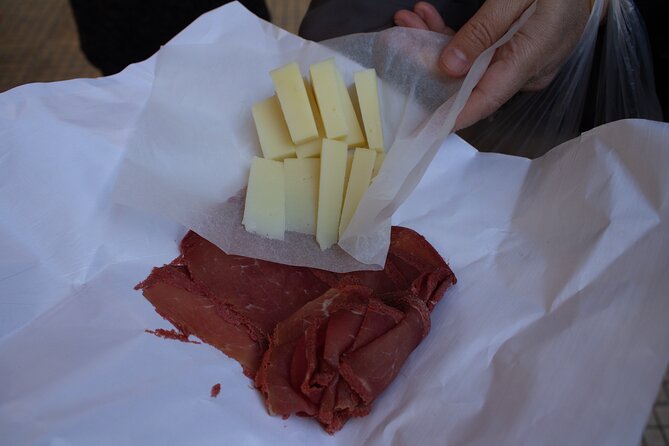
One of the early food themes is the central market area. The planned samples include calamari and anchovies, described as typical market snacks, along with cured meats and cheese. A visit to a fish taverna inside the market adds a sit-down element and may include fried calamari and small fish.
The fish stop is a good counterpoint to the meat-heavy street food later. You can taste seafood in a setting tied to the market rather than ordering a familiar restaurant dish. Small fish and fried calamari are simple foods, but they show the direct, practical side of Greek eating.
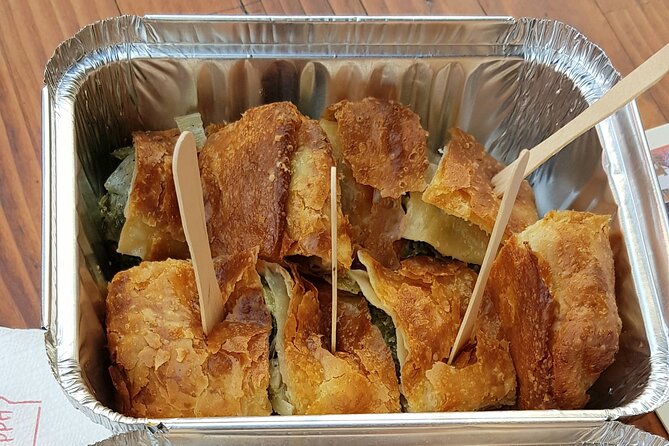
Fresh pies are another stop. The exact variety changes because the tour buys what is freshest that day. You might find a savory pie such as spanakopita, though the selection is not fixed. That daily change is part of the appeal, but it also means you should not book expecting one precise menu item.
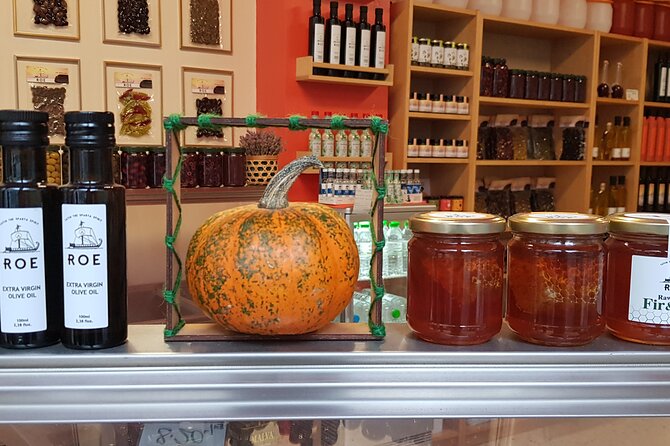
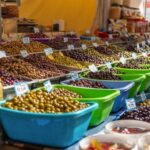
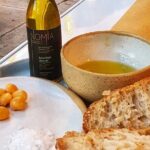
The market visits can include tastings of olive oil, olives, and honey. This is one of the more useful parts of the experience if you want to buy Greek food later. Your guide can show you how to taste olive oil properly and what to notice in honey, rather than treating each sample as just another quick snack.
These tastings also bring you into contact with local shopkeepers. The guide may translate conversations and explain what you are seeing, which helps turn a purchase stop into a small cultural lesson. Keep in mind that tasting shops can make you want to buy something. There is no stated requirement to purchase, but you should plan your own spending if you want to take products home.
Souvlaki, gyros, and the main meal
The heart of the tour is the meat course. You visit a well-regarded souvlaki house for pork or chicken skewers, known as kalamaki, then eat gyros as part of the included lunch. Fresh pies, cured meats, cheese, and seasonal fruit add more variety around these central dishes.
Souvlaki and gyros are often treated as interchangeable by visitors, but this meal gives you a chance to taste both forms. Kalamaki is grilled meat on a skewer, while gyros is meat cooked on a vertical spit and served in a different style. Your guide can help explain the local terms and ordering habits as you go.
The important practical point is portion size. This is not a tasting made up of one olive, one bite of meat, and a small sweet. The food is intended to add up to a full meal. That is why you should avoid eating lunch before the 1:00 pm start.
The menu is generous, but the pace may be demanding for people with small appetites. You are eating through several stops in about two and a half hours, with walking between them. You can ask the guide about portions, but the basic design is an active food crawl, not a leisurely restaurant lunch.
Drinks can include Greek liqueurs such as raki and ouzo, local wine, or fresh orange juice. These options help you compare a few common ways Greeks pair food with a meal. If you do not want alcohol, the fresh orange juice gives you a nonalcoholic choice, though the exact drink offered may depend on the stop and the day.
Loukoumades, ice cream, and Greek coffee
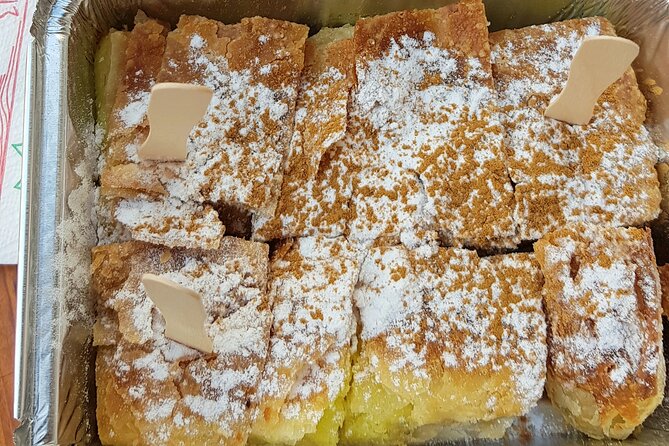
The sweet finish includes loukoumades, small doughnuts served with honey, and ice cream. Loukoumades are a fitting end to a street-food tour: warm, simple, and easy to share. The honey also connects back to the earlier tasting stops, giving you a chance to notice how the same ingredient changes across foods.
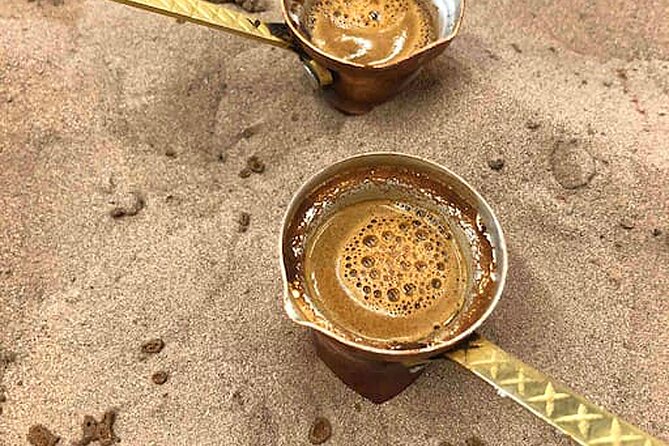
Greek coffee is listed as another tasting. It is heated in volcanic sand, a traditional preparation that makes the coffee stop more than a caffeine break. If you already know Greek coffee, this gives you a cultural setting for it. If you do not, your guide can help you understand what makes it different from filtered coffee.
Dessert comes late in a tour that already includes meat, seafood, pies, dairy, and bread. The sweet course is enjoyable, but you may be full by then. Again, the best strategy is simple: arrive hungry and treat the tour as your main meal.
Seasonal fruit is included as well. That is a small but welcome change after fried foods, pastry, and sweets. Since the fruit is seasonal, the exact choice is not fixed.
What the guides add to the food

The food matters, but the guide is what ties the stops together. The team includes Rachel, Arela, and Mike. The strongest descriptions of the experience point to guides who explain food customs, answer questions, keep a good pace, and make it easier to speak with shopkeepers.
Arela, in particular, is known for teaching visitors how to sample olive oil and what to look for when choosing places to eat. That advice has lasting value because it helps after the tour ends. You are not simply told that one product tastes good; you learn a method for paying attention.
Rachel brings a similar focus to the markets and Greek food traditions. She has also helped visitors understand the origins of food customs and offered practical suggestions for the rest of their time in Athens. Mike is described as friendly and good at choosing food at each stop.
Guide assignments can change, so you should not assume a specific person will lead your departure. Still, the range of guide feedback points to a tour style built around conversation, food explanations, and local contacts.
I would book this near the start of an Athens visit. You will learn what olive oil, honey, pies, gyros, and Greek coffee taste like before you begin ordering on your own. You will also receive restaurant and transport suggestions while there is still time to use them.
A few more Athens tours and experiences worth a look



Is $69.69 a fair price?
At $69.69 per person, the price is reasonable if you treat the experience as both lunch and a guided neighborhood walk. The included food covers gyros, souvlaki, fresh pies, sweets, seasonal fruit, calamari, cured meats, cheese, Greek coffee, and a Greek liqueur. That is a lot of food for a 2.5-hour outing.
The price is also easier to justify because the tastings are included. You do not need to keep adding small payments at each stop, and you can decide on purchases separately. Private transportation is not included, but none is needed for this central walking route.
Value depends on how you eat. If you would otherwise spend money on lunch, several snacks, dessert, and market samples, the tour can replace much of that spending while adding a guide. If you prefer to choose every dish yourself or dislike group schedules, you may get better value by exploring the market independently.
The tour is often booked well ahead, with an average advance booking time of 54 days. That suggests you should not wait until the last moment if your Athens dates are fixed, especially if you want a particular afternoon.
Walking, timing, and practical limits
The experience lasts about two hours and 30 minutes and ends back at the meeting point. Since it includes a market walk, stops in Psiri, and regular food tastings, wear comfortable shoes and leave room in your schedule afterward.
You will be in a public market and central city streets, not in a private dining room. Noise, crowds, and changing shop conditions are part of the setting. The exact order of stops and food choices can change, especially for fresh pies and seasonal fruit.
The activity is offered in English. Confirmation arrives at booking, and service animals are allowed. It is near public transportation, and most people can take part. The supplied information does not describe a specific route length or step-free access, so ask the provider directly if you need precise mobility details.
The tour requires good weather and a minimum number of participants. If poor weather or low participation cancels it, you can receive a different date or experience, or a full refund. You can cancel for a full refund up to 24 hours before the local start time. Changes or cancellations inside that window are not accepted.
Who should book this Athens food tour?
I would choose it for someone who wants a strong first taste of Athens without spending hours reading menus or guessing where locals eat. It is also a good fit for couples, solo visitors, and friends who like sharing food and meeting a few other people.
It suits hungry eaters who want lunch, not just samples. It also suits curious shoppers who want help with olive oil, honey, olives, cheese, and Greek food labels.
This is not the right choice for a gluten-free, vegetarian, or vegan diet. The provider offers a different traditional food tour that can accommodate dietary requirements, so you should select that instead of hoping this menu can be adjusted.
People who dislike alcohol can still choose nonalcoholic options such as fresh orange juice when available, but the experience includes Greek liqueur as part of its food-and-drink character. People who want a quiet meal should also look elsewhere.
Should you book it?
Book this tour if you want a full Greek lunch with local context, especially at the beginning of your Athens stay. The combination of market seafood, souvlaki, gyros, pies, honey, olive oil, Greek coffee, and loukoumades gives you a useful map of the city’s everyday food.
Skip it if dietary restrictions rule out the menu, if you need private transport, or if you want complete control over every dish. For everyone else, the fixed price, included tastings, small group, and practical guidance make this a strong way to get oriented in central Athens.
FAQ
Where does the Athens street food tour start?
The tour starts at Athinas 41, Athina 105 54, Greece, near the Monastiraki area.
What time does the tour begin?
The stated start time is 1:00 pm.
How long does the experience last?
The tour lasts approximately two hours and 30 minutes.
Where does the tour end?
The activity ends back at the meeting point.
How many people can join the group?
The maximum group size is 10 travelers.
What food is included?
Included food can include gyros, souvlaki, fresh pies, sweets, seasonal fruit, calamari, cured meats, and cheese.
Are drinks included?
Yes. Greek coffee and a Greek liqueur are included. Depending on the stops, drinks may also include raki, ouzo, local wine, or fresh orange juice.
Can people with dietary restrictions join?
This experience is not suitable for gluten-free, vegetarian, or vegan diets. The provider’s traditional food tour can accommodate dietary requirements.
What is the cancellation policy?
You can cancel at least 24 hours before the local start time for a full refund. Cancellations or changes made less than 24 hours before the start are not accepted. If weather or the minimum group size causes cancellation, you can receive another date or experience, or a full refund.