REVIEW · ATHENS
The Apostle Paul’s Missionary Journey in Athens and Corinth
Book on GetYourGuide →Operated by Colours of Greece · Bookable on GetYourGuide
Paul’s footsteps make Athens feel real. This day tour links the big ideas of Christianity to the exact streets and hills where Paul preached, starting with stops tied to the Ancient Agora and the Areopagus. Along the way, you get the geography that helps Paul’s story make sense.
I especially like how the schedule balances guided context with time to look, photograph, and wander on your own. Corinth gets the heavier focus too, with views from Acrocorinth and key ruins around Ancient Corinth, plus a port-area stop at Kechries. The only real drawback: several archaeological areas are self-guided, and there is no licensed guide walking you inside the sites, so you’ll want comfortable shoes and a little patience for entrances and exhibits.
In This Review
- Key tour takeaways
- Paul’s Athens Stops: Areopagus, Agora, and the Church of Saint Dionysius
- The Drive to Corinth: Isthmus Canal Views and Kechries Port
- Acrocorinth and the Museum: Short Stops That Still Pay Off
- Ancient Corinth Ruins: Walking Time Where Paul’s Life Meets Stone
- How the Timing Works in This 8-Hour Day
- Private Transport Value: AC Ride, WiFi, Water, and Sedan Comfort
- Faith Context Without Turning It Into a Classroom
- What to Bring and How to Get the Most From Self-Guided Time
- Who This Tour Suits Best (and Who Might Prefer Something Else)
- Should you book Apostle Paul’s Missionary Journey in Athens and Corinth?
- FAQ
- How long is the tour?
- Where do you get picked up and dropped off?
- What are the main sights on the route?
- Is this a private tour?
- Do I get a licensed guide inside archaeological sites?
- What does the tour price include?
- What is not included in the price?
- Is free cancellation available?
Key tour takeaways
- Areopagus hill + Agora context: you see the setting behind Paul’s famous Athens message.
- Corinth gets most of the time: it’s the main payoff of the day.
- Kenchries Port excavations area: a meaningful stop tied to Paul’s connections.
- AC private transport with water and WiFi: a long day stays comfortable.
- Self-guided ruins: great for pacing yourself, but you need to be okay with reading on site.
Paul’s Athens Stops: Areopagus, Agora, and the Church of Saint Dionysius
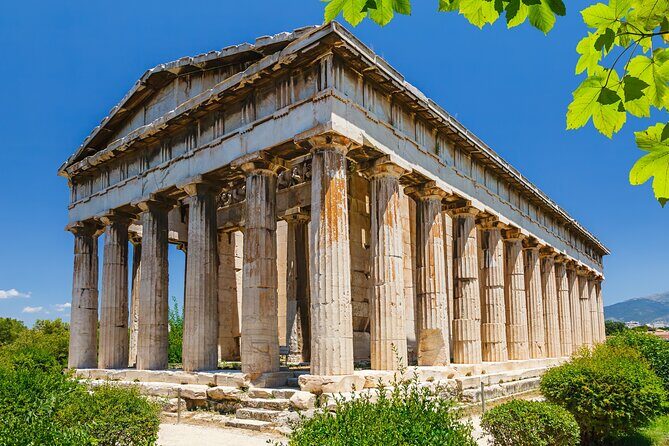
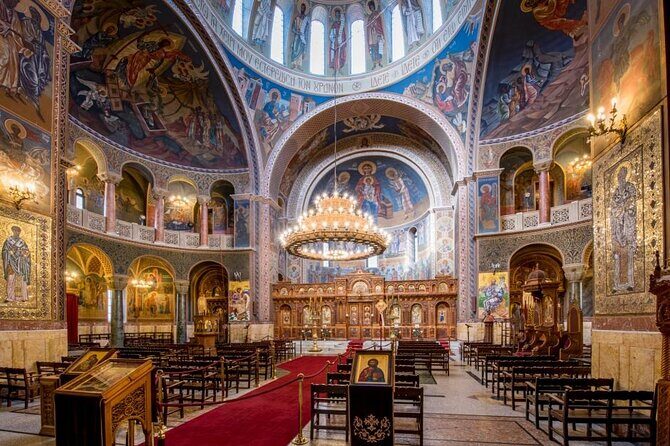
This is the kind of tour where Athens stops feel like they were chosen for a reason, not just for a photo. After pickup in Athens and a short transfer, you begin with a photo stop at the Holy Church of Saint Dionysius the Areopagite, a place connected to the Paul-and-Athens tradition. Even if you’re not a religious-history expert, that first stop helps you shift modes: from modern city sightseeing into thinking about Acts and early Christian preaching in Greek civic space.
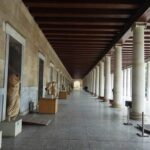
Next is the Ancient Agora of Athens, where you get about an hour for a self-guided walk. This is smart timing. The Agora is big enough that you’ll want time to find your footing, look at the stonework, and get your bearings without feeling herded. I like self-guided time here because you can move at your pace: slow down at the spots that feel relevant to Paul’s mission and skip what doesn’t.
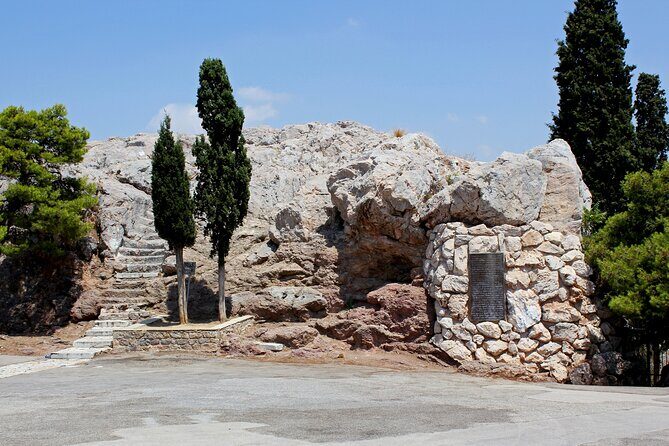
Then you head to the Areopagus. This is the hill audience site that matters. With about 30 minutes here, you don’t get stuck in one place forever. Instead, you get enough time to look over the area, take in the viewpoint, and connect it back to the idea of preaching in a public forum. The best part of this section is how it turns the words you’ve heard about Paul into something physical: a location where conversations between ideas and people would have happened.
One small consideration: since there is no licensed site guide for the archaeological interiors, you’ll get the key historical framing from your English-speaking driver, then you’ll do the fine details yourself. That works well if you like context plus flexibility.
You can also read our reviews of more tours and experiences in Athens.
The Drive to Corinth: Isthmus Canal Views and Kechries Port
After Athens, the day shifts gears toward Corinth with a transfer that takes about an hour. On a packed day like this, that drive matters. It keeps the tour realistic: you’re not trying to cram too much into one tight downtown loop.
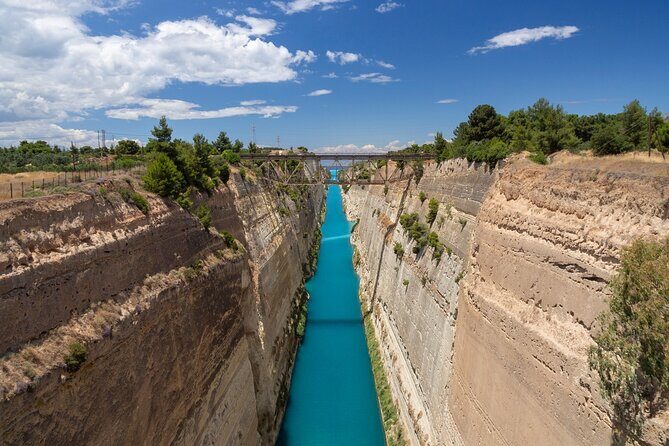
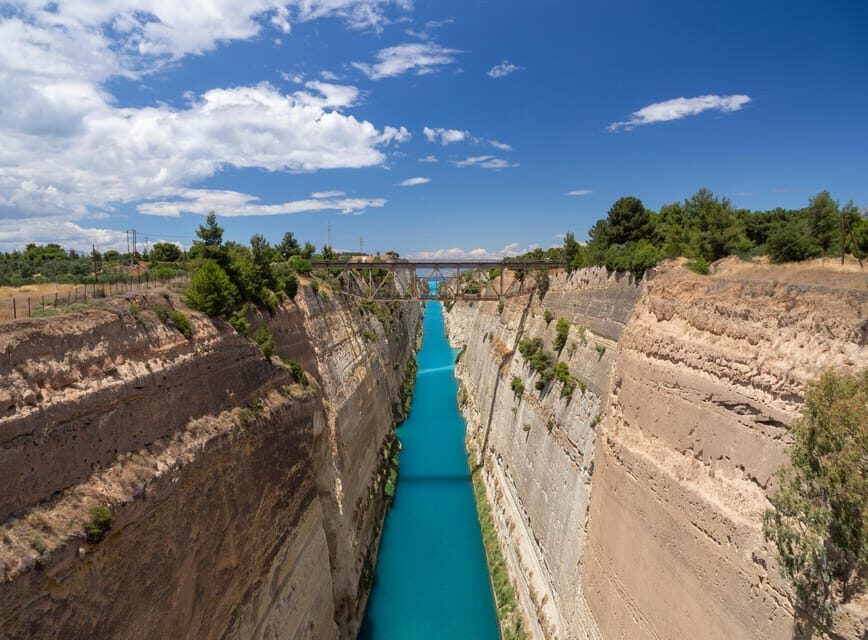
A highlight en route is the Isthmus of Corinth. You’ll have a short sightseeing stop (around 20 minutes). It’s brief, but it does a useful job. The Isthmus helps you understand why Corinth mattered for trade and travel in the ancient world. Even a quick pause here makes the route between regions feel less abstract.
Then you reach the Kechries area, with another short stop (about 20 minutes). This is one of those moments where the tour connects scripture-linked names to a real physical spot. In particular, I liked how Kechries Port-area excavations are treated as part of Paul’s early Corinth story. You might hear the connection to Aquila and Priscilla made in practical, historical terms as you look at the port setting.
If you’re the type who enjoys a bit of detective work, this stop is for you. You get to stand in a place where movement of people and goods would have shaped daily life, then relate that to why Paul’s message could spread through networks like markets, workshops, and travel corridors.
Acrocorinth and the Museum: Short Stops That Still Pay Off
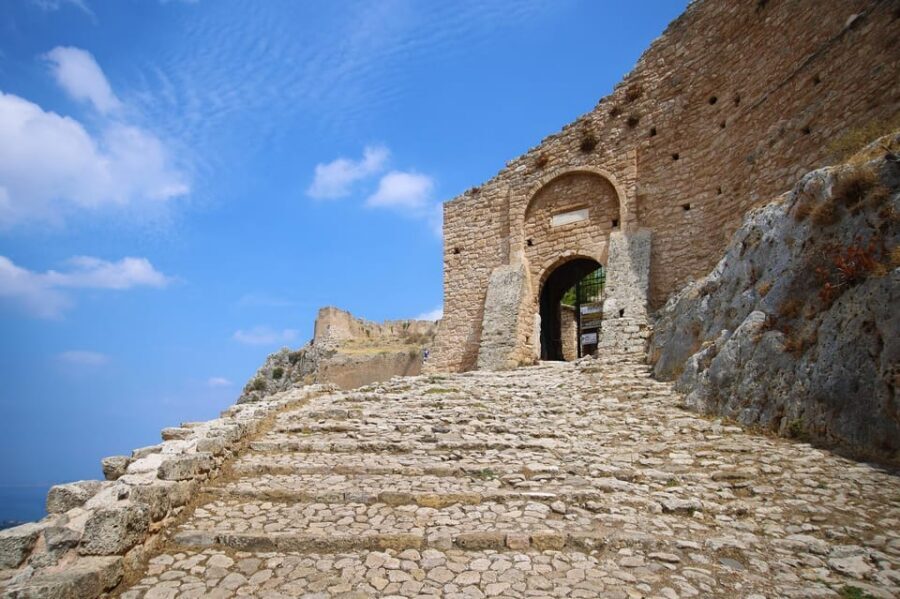
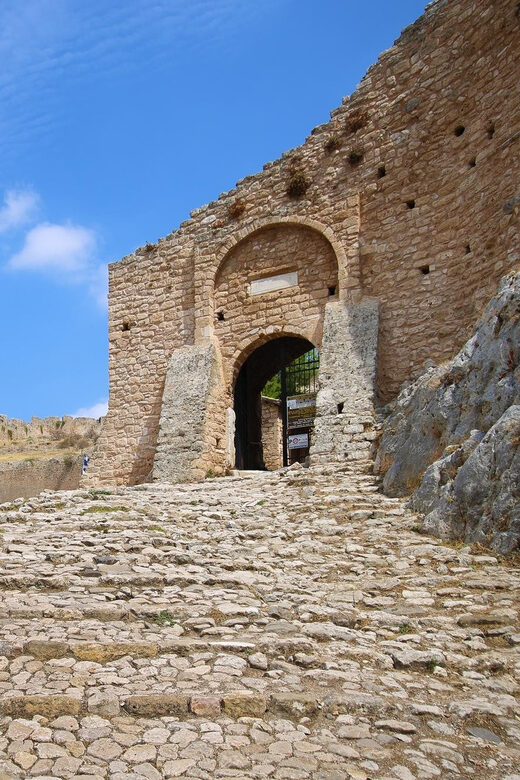
After Kechries, there’s a short transfer to Acrocorinth. You’ll get about 15 minutes of movement time, then roughly 30 minutes for a self-guided visit at Acrocorinth. This is the strong “big view” stop of the day. Even without a long guided lecture, the fortress setting helps you picture why ancient Corinthians could control routes and defend the city. You can also use this time for photos, and it’s a good mental reset before you step into the ruins.
Then the tour moves to the Archaeological Museum of Ancient Corinth, with about 45 minutes inside. A museum stop is valuable because it slows the day down for context. On many tours, ruins alone can feel confusing. With museum time included, you get a chance to match what you see outside to objects and interpretations that make the site easier to understand.
Because the museum visit is self-guided, you’ll want to keep your expectations realistic. You’re not going to get every interpretation spoon-fed. Still, 45 minutes is enough to focus on the highlights and build your own sense of what you’re looking at when you later walk through Ancient Corinth.
Ancient Corinth Ruins: Walking Time Where Paul’s Life Meets Stone
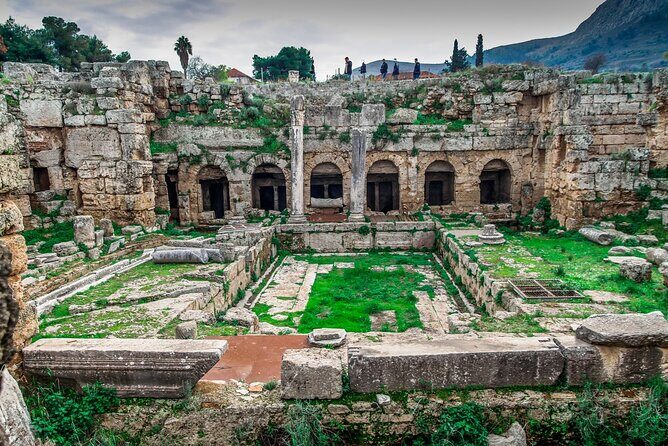
Ancient Corinth is the main event, and the tour reflects that by giving you about an hour for self-guided exploration. This is where the setting behind Paul’s letters and preaching starts to feel more than just a list of biblical scenes.
What I like about having a full hour is simple: you can pace yourself. Corinth is not a one-sight stop. It’s an area, and you’ll get more out of it if you can stop, look, then move again. That hour lets you do that without rushing.
It also helps that the day has already set you up. Athens provided the preaching location framework at Areopagus. Kechries and the canal made Corinth’s importance feel practical. Acrocorinth and the museum gave you the city’s bigger picture and material culture. When you arrive at Ancient Corinth, you can finally connect the dots.
The trade-off is the same as earlier: since you’re self-guiding in the archaeological sites, you’ll benefit from a few basic tools. Comfortable shoes are a must, and a phone with offline map access can be a lifesaver. If you prefer structured explanations, this tour still gives you strong big-picture framing through your driver, but you won’t have a licensed guide to interpret every stone and hallway step-by-step inside the sites.
How the Timing Works in This 8-Hour Day
This is an 8-hour experience, so it’s meant to be efficient without feeling like a sprint. The pacing follows a clear logic: short stops for viewpoint and key locations, plus enough self-guided time where you need it.
- Athens section: photo stop, then about an hour in the Agora, then 30 minutes on the Areopagus.
- Travel: roughly an hour transfer.
- Corinth section: short sightseeing stops, then two bigger self-guided blocks (Acrocorinth and the museum) before a final hour at Ancient Corinth.
This kind of timing is ideal if you want a “best of Paul’s route” day rather than a slow pilgrimage with zero pressure. If you’re the kind of traveler who likes to read every sign and linger at every artifact, you might wish you had more museum time or more time in the ruins. If you like to see everything that matters and then absorb at your own speed, the structure fits well.
You also get the advantage of private group format. That usually means the day stays flexible. Many guides on this route are praised for moving smoothly without feeling frantic and for tailoring the flow to your questions and interests.
- All Day Cruise -3 Islands to Agistri,Moni, Aegina with lunch and drinks included
★ 5.0 · 4,958 reviews


Private Transport Value: AC Ride, WiFi, Water, and Sedan Comfort
At $79 per person for a full day in Athens and Corinth, the price makes more sense when you look at what’s included. You’re getting hotel pickup and drop-off, an air-conditioned vehicle, WiFi on board, bottled water, and a professional English-speaking tour driver with an in-depth history background. For small groups of 1 to 4, you’re in a sedan rather than a large bus, which tends to make the day feel more personal and less chaotic.
This is where value shows up in real life. On a hot or long day, air-conditioning and bottled water don’t sound exciting until you’re standing in the sun trying to decide whether your legs still work. WiFi also helps because self-guided time can turn into “wait, what am I looking at” unless you can quickly check a map or background info.
There’s another practical benefit that shows up in the reviews: guides are often described as careful and accommodating, including flexibility when plans change mid-day. That’s the difference between a tour that feels like a checklist and one that feels like a day out with someone who can steer.
Just remember what’s not included: entrance fees for archaeological sites and museums. Your total cost will go up slightly based on the sites you choose to enter (and the season). Still, compared to booking separate transport and admission planning, this is usually a tidy, efficient package.
Faith Context Without Turning It Into a Classroom
One of the most interesting parts of this experience is the way it connects early Christianity to Greece’s living religious culture. Your driver may include context from Greek Orthodox churches along the route, not just ancient ruins. That’s helpful if you want Paul’s story to feel grounded in the present, not sealed inside a museum case.
At the same time, this is not framed as a deep theological lecture. You’ll get historical, geographic, and cultural explanations, plus guidance on what to look for. Then you handle the detailed reading and observations in the sites themselves.
That balance is good for most people. It keeps the tour lively, prevents information overload, and respects your time. If you want pure doctrinal analysis, you might need a different kind of guide. If you want to walk where the story happened and understand the context around it, this one fits nicely.
What to Bring and How to Get the Most From Self-Guided Time
This day moves through outdoor areas and archaeological ground, so plan like you’ll be on your feet. Bring comfortable shoes. Also bring a light layer if you get cold in AC vehicles and want to switch between sun and air-conditioned comfort.
For self-guided stops, you’ll enjoy the experience more if you prepare a tiny bit. A quick offline map check before you arrive helps you avoid wandering aimlessly. If you like photos, plan to use the viewpoint stops (like Acrocorinth) early enough that light is still good.
One more practical tip: hydration and snacks. Bottled water is included, but it’s still wise to plan for a lunch break of your own choosing. Several guides are known for giving food recommendations, but your day will feel smoother if you also have a general sense of where you want to eat.
Who This Tour Suits Best (and Who Might Prefer Something Else)
This works especially well for:
- People who want an efficient Athens-to-Corinth day with major Paul-related sites.
- Travelers who like asking questions and getting clear explanations from a driver.
- Families or small groups who appreciate private transport and a calm pace.
- History-and-faith travelers who enjoy ruins but don’t need a licensed archaeologist guiding every step.
You might want to look elsewhere if:
- You want a licensed guide inside every archaeological site.
- You prefer long museum time and slow, unhurried wandering without time limits.
- You dislike self-guided sections and need someone to interpret everything line-by-line.
Should you book Apostle Paul’s Missionary Journey in Athens and Corinth?
If you’re aiming for a well-paced, private day that connects scripture to real places, this is a strong choice. The included AC ride, water, WiFi, and English-speaking driver make the long route manageable. Plus, the mix of Athens context (Agora and Areopagus) and Corinth focus (Acrocorinth, museum, and Ancient Corinth) gives you a satisfying sense of the whole arc.
I’d book it if you’re comfortable with self-guided archaeological time and you’re okay paying entrance fees once you arrive. If you want every detail interpreted by a licensed site guide, you’ll have a mismatch in expectations.
FAQ
How long is the tour?
It lasts about 8 hours.
Where do you get picked up and dropped off?
Pickup is in Athens, and you return back to Athens at the end of the day.
What are the main sights on the route?
You visit the Ancient Agora of Athens, the Areopagus, the Holy Church of Saint Dionysius the Areopagite (photo stop), the Isthmus of Corinth, Kechries, Acrocorinth, the Archaeological Museum of Ancient Corinth, and Ancient Corinth.
Is this a private tour?
Yes. It’s a private group experience.
Do I get a licensed guide inside archaeological sites?
No. A licensed guide to accompany you into archaeological sites is not included.
What does the tour price include?
Hotel pickup and drop-off, an air-conditioned vehicle, WiFi on board, a professional English-speaking tour driver with in-depth history knowledge, bottled water, and sedan transportation for groups of 1–4 people.
What is not included in the price?
Entrance fees to archaeological sites and museums are not included. Licensed guiding inside archaeological sites is also not included. Airport pickup is optional and costs extra.
Is free cancellation available?
Yes. You can cancel up to 24 hours in advance for a full refund.