REVIEW · ATHENS
Unexpected Athens Orientation Tour
Book on GetYourGuide →Operated by Alternative Athens · Bookable on GetYourGuide
Athens looks different when you walk with intent. This 4-hour orientation tour links ancient Athens to today’s capital life, mixing famous monuments with lesser-seen streets. You’ll get a human timeline in motion, guided by people like Andreas, Simos, and Antigoni.
I really like the way the route builds a mental map. You start around Syntagma Square and then work through places like Kolonaki, Exarcheia, Psiri, and Monastiraki, with clear explanations of why these areas look the way they do now. I also love the contrast between eras: Ottoman neighborhoods side-by-side with major institutional buildings, and even stops tied to World War II.
One thing to plan around: the WWII prison stop is closed on Mondays and Tuesdays, so depending on your day you may get a different emphasis along the way. And yes, this is mostly walking, so comfortable shoes matter.
In This Review
- Key Takeaways Before You Go
- Why This Orientation Tour Feels Like a Cheat Code for Athens
- The Route: From Syntagma’s Power Core to Monastiraki’s Old-World Energy
- Syntagma Square area: where Athens shows its “state” face
- Kolonaki: polished streets, serious institutions
- Exarcheia: the neighborhood with attitude and history
- Psiri: Ottoman-era streets and the art of not getting lost
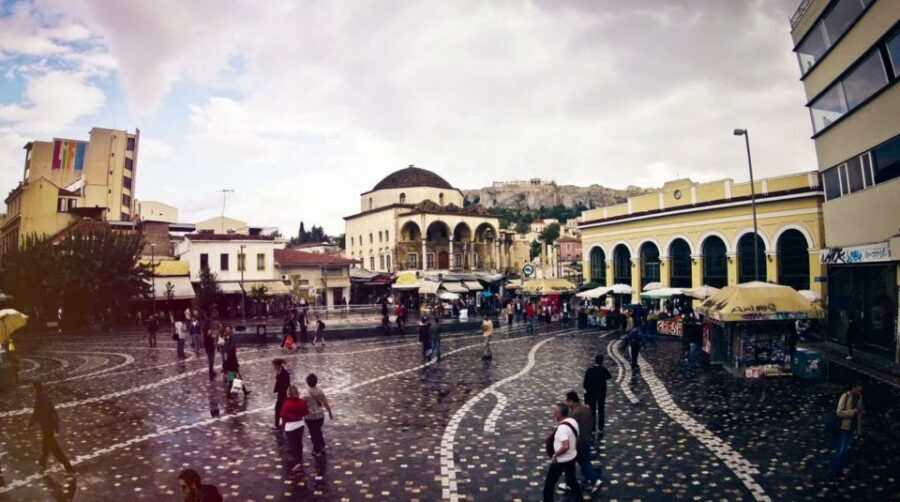
- Monastiraki: squares, markets, and the finish line
- The Stops That Make This Tour Worth $62 (and Not Just “Another Walk”)
- 19th-century landmarks + royal palaces: the European capital makeover
- “Ancient rivers” and tombs: the city’s past still peeks through
- WWII prison visit: serious history in the middle of a walking day
- How the Guide Makes the Whole Thing Click
- Practical Value: What You Get for $62 in Real Terms
- Best Fit: Who Should Book This Tour
- Booking Decision: Should You Choose This One?
- FAQ
- How long is the tour?
- How much does the tour cost?
- Where does the tour start and end?
- What languages are available for the guide?
- Is food included?
- Is the WWII prison visit always included?
- What should I bring?
Key Takeaways Before You Go
- A walk-through timeline covering Athens from ancient roots to a modern European capital
- Ottoman-era neighborhoods in the mix, especially around Psiri and Monastiraki
- Institutional buildings you’ll recognize later (Parliament, Academy, University, National Library)
- WWII prison stop can vary since it’s closed Mon and Tue
- Big-city squares and markets (think Omonia and Kotzia) so you understand how locals move
- Small-group feel, with guides who keep good pacing and answer questions
Why This Orientation Tour Feels Like a Cheat Code for Athens
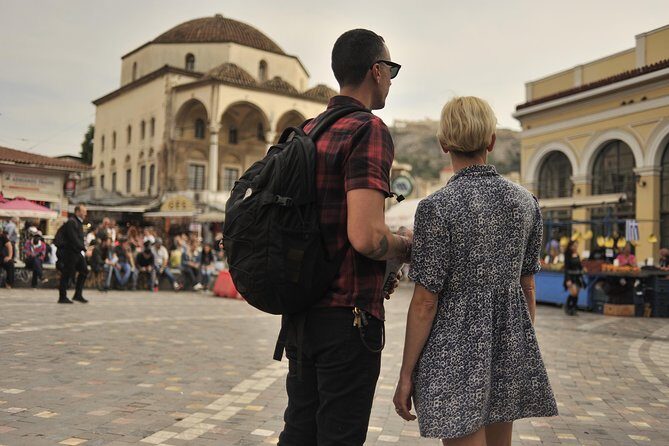
Athens can overwhelm you on day one. Streets look old, signs look modern, and somehow both are true at the same time. This tour helps you make sense of the mix by connecting landmarks to neighborhood life, not just stacking sights like postcards.
You’ll also get something practical beyond photos: the included city map that highlights how Athens changed across 2,500 years. That means when you later wander on your own, you’ll know what you’re looking at. You won’t just see buildings—you’ll understand why they’re there, and what role they played in shaping a European-style city center.
Finally, guides matter on this kind of walk. The reviews I saw point to guides such as Andreas, Simos, Antigoni, and Christina for strong pacing and clear explanations. If you like learning without the lecture vibe, this tour fits.
You can also read our reviews of more tours and experiences in Athens.


The Route: From Syntagma’s Power Core to Monastiraki’s Old-World Energy

Your tour starts from one of two options: Syntagma Square or Kolonaki. From there, the walk works like a backbone through the center. You get time in key neighborhoods and squares rather than sprinting between far-flung sites.
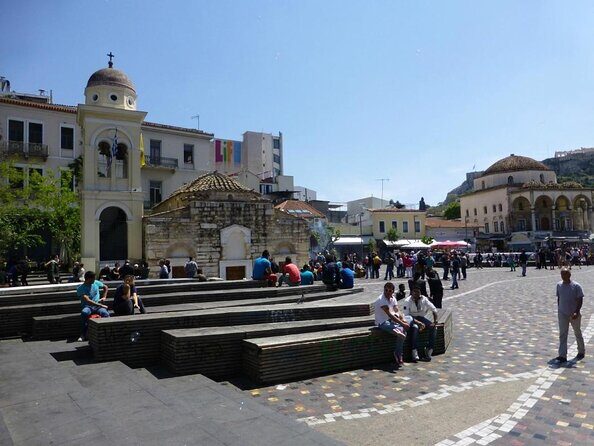
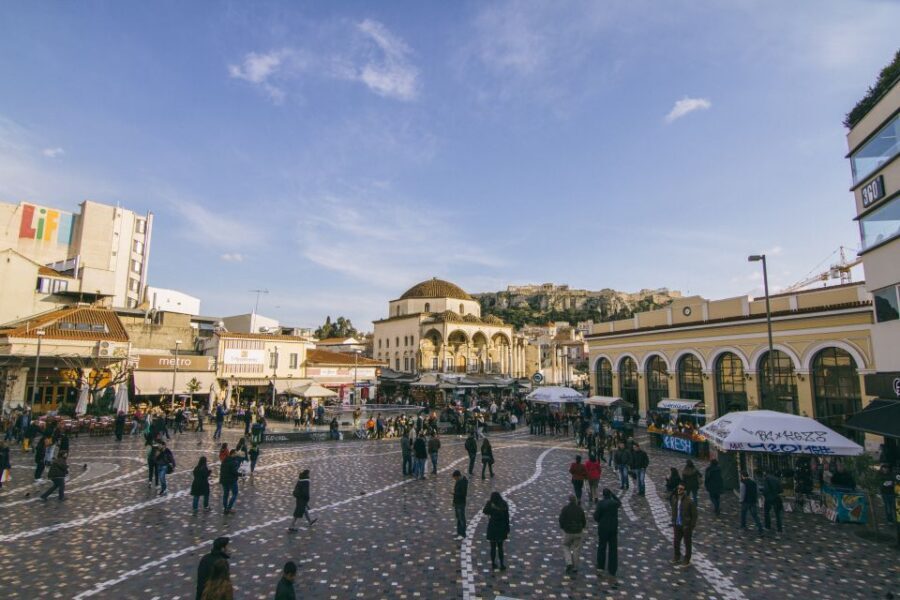
You finish at Monastiraki Square, which is a smart ending. It’s lively, it’s walkable to other areas, and it’s easy to keep going—whether you want food, shopping, or just to watch street life.
Syntagma Square area: where Athens shows its “state” face
If you start at Syntagma (Constitution) Square, you’re dropping right into the modern center. This is where you can immediately connect the dots between government power and the city’s older layers.
Expect stops tied to 19th-century state and royal presence, including royal palaces and landmark buildings from the era of industrial-era European city growth. This matters because Athens didn’t become a capital by accident. It was shaped by European-style institutions, and you’ll see that visual language up close.
If you’re wondering why so much of central Athens looks like it belongs to other European capitals—this is why.
Kolonaki: polished streets, serious institutions
Kolonaki gets about an hour on this walk. It’s a neighborhood that can feel more “contained” and elegant than some other central areas. On this part of the tour, you’ll focus on the big-name institutions and what they represent.
You’ll visit or pass major buildings such as the Academy, University, National Library, and Parliament. The tour’s strength here is the explanation: these aren’t just pretty facades. They’re part of how Athens constructed its modern identity—especially in the way it signaled its place within a wider European world.
Practical note: Kolonaki streets can mean steady pavement and some uphill-and-downhill feeling depending on the exact path. Plan for a relaxed pace, not a power-walk.
Exarcheia: the neighborhood with attitude and history
Exarcheia follows, also about an hour. This is where Athens starts to feel less like a museum and more like a living city with strong local character.
The tour uses Exarcheia to show you how different Athens “worlds” overlap. You’ll keep learning the same big story—how the ancient city transitions into modern life—but with a neighborhood texture that’s more spontaneous. The explanations tend to help you interpret what you see on the street: spaces, architecture, and how people use the area today.
- All Day Cruise -3 Islands to Agistri,Moni, Aegina with lunch and drinks included
★ 5.0 · 4,958 reviews


Psiri: Ottoman-era streets and the art of not getting lost
Psiri is where the tour’s mood shifts. You spend about an hour here, and the focus leans into preserved Ottoman neighborhoods and the ways older and newer values mixed—or didn’t.
Psiri is especially useful if you’re the kind of traveler who wants to wander later without feeling clueless. The guide helps you recognize what’s “old structure” versus what’s later development, and why this neighborhood feels like a bridge between the past and the present.
Also, Psiri is one of the areas where street life makes it easier to understand the city as a place, not just a timeline.
Monastiraki: squares, markets, and the finish line
Monastiraki gets about 30 minutes, but it’s a strong finale. You’ll experience the central buzz—plus key stops that help you understand how people navigate the downtown core.
The tour also works in classic city wayfinding anchors you’ll likely pass later anyway, including Omonia Square, Kotzia Square, and the central markets. By the time you reach Monastiraki Square, you’ll have a clearer mental map for where these spots connect.
If you still have energy afterward, Monastiraki is a good jumping-off point. It’s not only scenic—it’s practical.
The Stops That Make This Tour Worth $62 (and Not Just “Another Walk”)
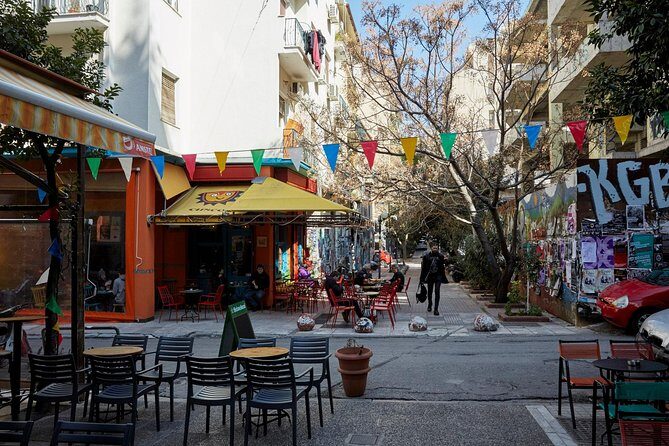
Yes, walking tours can blur together. What makes this one stand out is the mix of eras in a single arc—and the way it treats Athens like a layered city rather than a list of sights.
19th-century landmarks + royal palaces: the European capital makeover
One of the tour’s major themes is how Athens became a modern European capital. That comes through in the 19th-century landmarks and royal palaces you’ll see along the route.
This isn’t just about big buildings. It’s about the idea that the city’s later “style” didn’t erase the earlier city—it added new layers. If you’ve ever felt like Athens looks both ancient and strangely European at the same time, this part explains why.
“Ancient rivers” and tombs: the city’s past still peeks through
Another standout element is the stop tied to ancient rivers still flowing, plus visits connected to tombs of a foregone era. These moments are small compared to the big monuments, but they’re memorable because they show continuity.
It’s the kind of detail that helps you stop thinking of Athens as one big archaeological park. Instead, you start seeing it as a city where older traces keep showing up—literally under and around your feet.
If you like architecture, this also helps you read what you’re seeing. Water, stone, and burial traditions shape urban form in ways most casual sightseeing skips.
WWII prison visit: serious history in the middle of a walking day
The tour includes a descent to a notorious World War II prison. It’s a heavy stop, but it adds depth to Athens beyond the classic postcard story.
Just remember the practical catch: it’s closed on Mondays and Tuesdays. If your dates fall on a Monday or Tuesday, you’ll want to be okay with the possibility that this piece won’t be part of your exact tour experience.
This is also why the tour’s “orientation” angle matters. When a tour offers variety—ancient, Ottoman, modern, and wartime—you come away with a more complete picture of the city’s complexity.
How the Guide Makes the Whole Thing Click
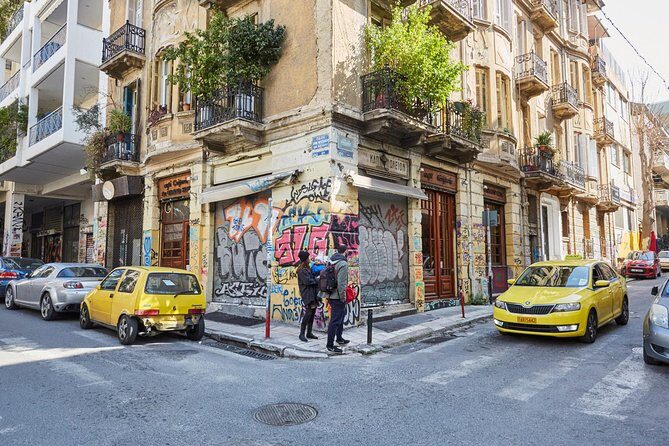
The tour’s format is built around guided walking segments—about an hour here, an hour there—so you’re not stuck listening nonstop for 4 hours. The goal is to keep moving while you connect the dots.
From the reviews, guides like Andreas, Simos, Antigoni, and Christina are praised for pacing and engagement. That’s important because the content covers a lot of time periods. Good pacing turns that into understanding instead of overload.
If you’re a first-time Athens visitor, you’ll use this tour to set your bearings fast. If you’ve already been, you’ll still benefit from learning how neighborhoods connect in a way you might not notice while rushing between major sites.
Practical Value: What You Get for $62 in Real Terms
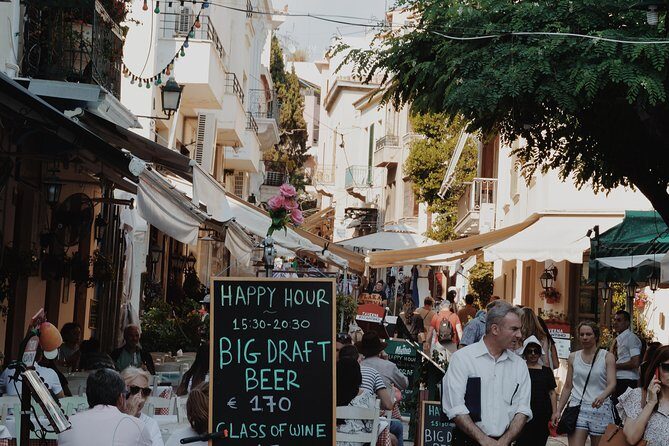
At $62 per person for about 4 hours, this tour isn’t just “someone leading you around.” You’re paying for interpretation and structure—especially in a city where self-guided wandering can feel random unless you know the big storyline.
Here’s what’s included:
- An English or French-speaking guide
- A city map highlighting transformations across 2,500 years
What’s not included:
- Food and drinks
- Optional gratuity
That last part matters. Plan to grab snacks or a meal before or after. The tour ends in Monastiraki, which makes it easier to find dinner without hunting across town.
Also, bring comfortable shoes. This is a walking orientation. Even if the route is well-paced, you’ll still want your feet to be happy.
Best Fit: Who Should Book This Tour
This tour is a strong choice if you:
- Want an Athens “big picture” orientation that helps you plan the rest of your trip
- Enjoy neighborhoods as much as monuments
- Like architecture and institutional buildings, especially those tied to Athens becoming a modern capital
- Want the Ottoman-layer story around Psiri and Monastiraki
- Are visiting Athens for the first time, or you’ve been before and want a more connected view
It may not be ideal if you:
- Want a purely museum-style day with minimal walking
- Are traveling on a Monday or Tuesday and specifically want the WWII prison stop at all costs
- Don’t like history that spans from ancient eras through modern conflict and politics
Booking Decision: Should You Choose This One?
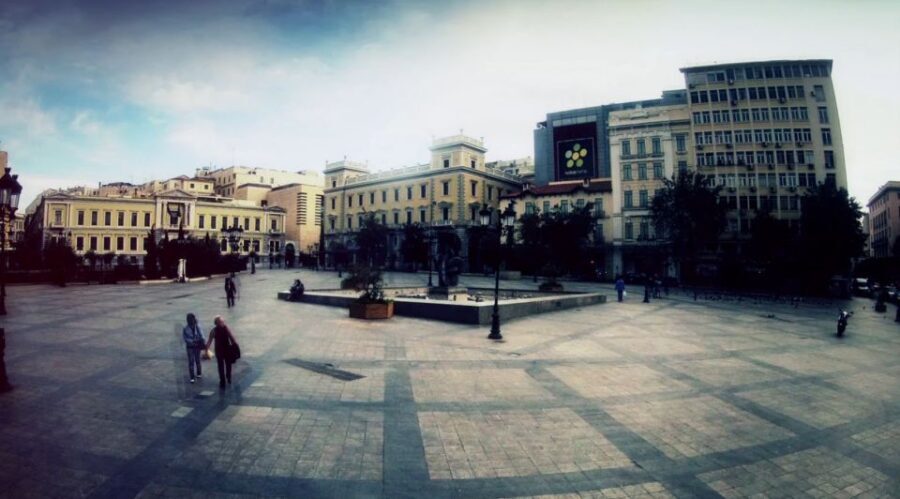
I’d book this tour if you want Athens to make sense quickly. The price is reasonable for a guided, structured introduction, and the included map helps you keep using what you learn after the walk ends.
Skip it only if your dates land on Monday or Tuesday and the WWII prison stop is a must-see for you, or if you prefer a lighter stroll with fewer history-heavy moments.
If you do book, wear good shoes and come ready to walk. Then let the guide build the connections for you. That’s the real value here.
FAQ
How long is the tour?
The tour lasts 4 hours.
How much does the tour cost?
The price is $62 per person.
Where does the tour start and end?
You’ll start at either Syntagma (Constitution) Square or Kolonaki, and the tour finishes at Monastiraki Square. The exact meeting point can vary depending on the option booked.
What languages are available for the guide?
The guide is available in English or French.
Is food included?
No. Food and drinks are not included, so plan to eat before or after.
Is the WWII prison visit always included?
The WWII prison visit is closed on Mondays and Tuesdays, so it may not be part of the tour on those days.
What should I bring?
Bring comfortable shoes, since it’s a walking tour.