REVIEW · KALAMATA
WIne & Olive Oil Tasting in an Organic Farm in Laconia, Greece!
Book on Viator →Operated by Mama's flavours · Bookable on Viator
The oldest olive trees here have grown for more than 500 years, and that fact gives the tasting a sense of place that a shop or city wine bar cannot match. You walk through working groves and vineyards, learn how the organic farm operates, then sit down to sample oils, wines, and local food.
I like the private format, since your group gets the farm and sommelier’s attention without strangers joining in. I also like the mix of practical tasting advice and local stories, including Maria’s engaging narration about olives and Greek culture. The main catch is simple: the farm is about two hours from Kalamata, and transportation is not included in the listed price.
In This Review
- Key points to know before booking
- Why this farm visit feels different from a standard tasting
- Getting from Kalamata to rural Laconia
- Walking among ancient olive trees
- Learning to taste four Greek olive oils
- Four to five Greek wines beyond the usual names
- A light lunch built around local food
- How much value do you get for $590.38?
- Adding the Olive and Olive Oil Museum in Sparta
- What the guides add to the day
- Timing, weather, and what to pack
- Who should book this private tasting?
- Should you book it?
- FAQ
- Where does the tour begin?
- Where does the tour end?
- How long does the experience last?
- Is transportation included?
- How many wines will I taste?
- How many olive oils are included?
- Is lunch included?
- Is the Museum of Olive and Olive Oil in Sparta included?
- Is this a private tour?
Key points to know before booking
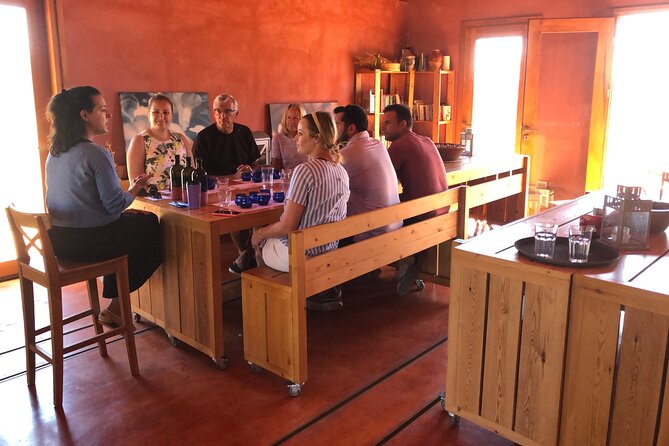
- 500-year-old olive trees: Walk among ancient trees in an active organic farm in Laconia.
- Four olive oils: A certified olive oil taster explains differences in variety, taste, texture, and storage.
- Four to five Greek wines: Sample organic or biodynamic labels made from grapes such as Agiorgitiko, Avgoustiatis, Athyri, Kydonitsa, and Moschofilero.
- Private for your group: Once booked, no other participants are added to the experience.
- Local lunch included: Expect olives, cheeses, grilled vegetables, Greek pita or similar small dishes.
- Transportation matters: The meeting point is Kalamata Port at 8:30 a.m., but reaching the farm requires your own vehicle or an extra-cost transfer.
Why this farm visit feels different from a standard tasting
Many tastings begin at a table. This one begins with the land. You first tour the organic farm and learn how the owners work with sustainable farming methods. That gives you useful context before the first glass or spoonful reaches you.
You also meet the idea behind the farm. It is not only a place producing olive oil and wine. It operates as a retreat close to nature, and the tour introduces the people who built and maintain it. That personal thread matters in Greece, where food and drink are closely tied to family, land, and local custom.
The setting is especially appealing if you want more than a quick tasting during a port stop. You stroll through vineyards and olive groves, spend time outside, and see the crops before tasting their finished products. Wear comfortable shoes and a hat. This is not a polished indoor museum visit from start to finish.
The private arrangement is another strong point. Your group alone participates, which makes it easier to ask questions, move at a comfortable pace, and explain dietary needs. It also makes the price easier to understand for a family or small group, though the per-person cost is still high.
You can also read our reviews of more food & drink experiences in Kalamata

Getting from Kalamata to rural Laconia
The official start is at Kalamata Port Authority, at 8:30 a.m. The farm is in a small village in Laconia, roughly two hours from Kalamata in the direction of Sparta. That travel time is the most important practical detail in the whole booking.
If you have your own vehicle, you can tell the provider and make your way to the farm arrangements as directed. If not, transportation can be arranged through local partners for an extra charge. Ask about the full transport cost before you commit, because the advertised $590.38 per person does not include this service.
This outing makes the most sense as part of a larger day based around Kalamata, Sparta, or the Peloponnese. It is less suitable if you have only a narrow window before a cruise departure. The meeting point at the port is convenient, but the farm itself is not close to the waterfront.
The trip can also be tiring for young children. The experience is family-friendly, and one previous group included children aged five, two, and one and a half. Still, you should plan for a long day with outdoor walking, vehicle time, and tasting portions that are designed mainly for adults.
Walking among ancient olive trees
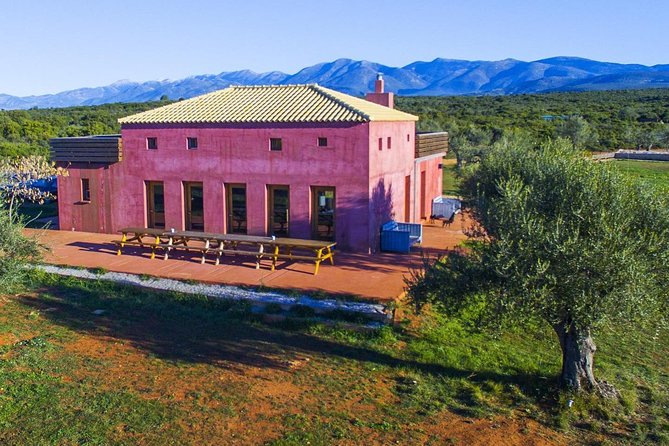
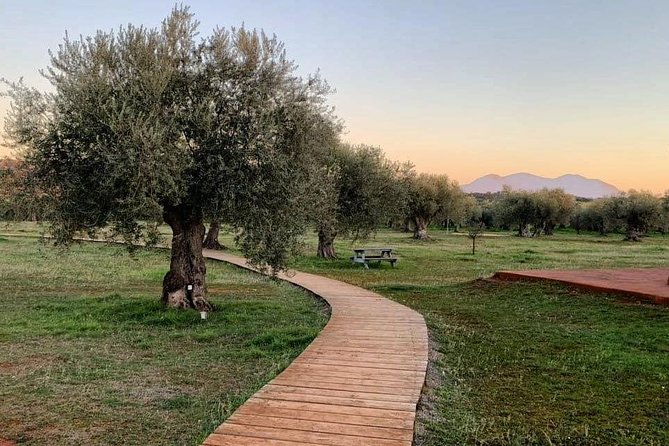
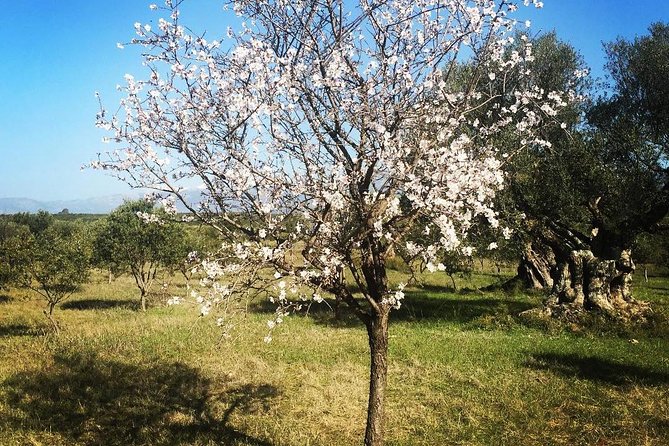
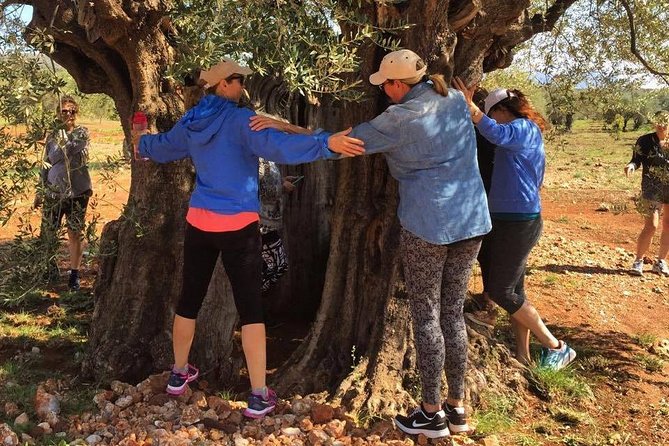
The farm tour gives the tasting its strongest sense of place. Some olive trees have been growing there for over five centuries. You do not need to be an olive expert to appreciate that age. The trees connect today’s oil to generations of farming in the region.
During the walk, the local host explains the farm’s sustainable methods and techniques. The supplied information does not list each method in technical detail, so you should expect an introduction to the owners’ approach rather than a formal agricultural course. The value is in seeing how the farm works and hearing why its producers chose organic practices.
The stroll also takes you through vineyards. That matters because wine tasting becomes easier when you have just seen the vines and the soil where the grapes grow. The experience links farming, climate, grape varieties, and finished wine without making the visit feel like a classroom lecture.
Bring sun protection and shoes with a good grip. You will spend a fair amount of time outdoors, and the tour requires walking between farm areas. The experience runs from March through November, but conditions can still vary, especially in the warmer months.
Learning to taste four Greek olive oils
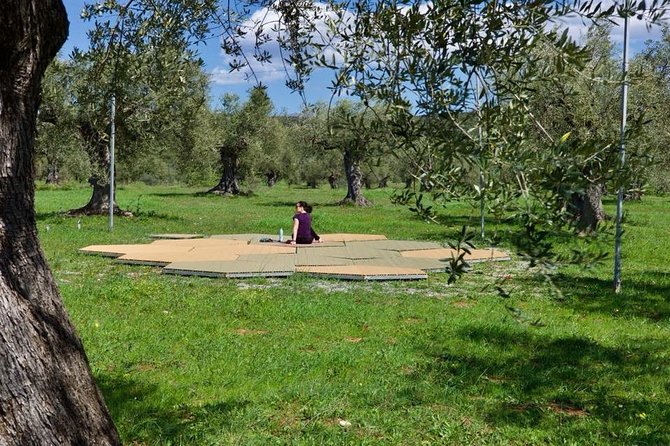
The olive oil session is more useful than simply pouring oil into a dish and calling it good. A certified olive oil taster guides you through four varieties and explains how to notice differences in flavor and texture.
You learn how to distinguish among oils and how to select one for cooking or for the table. That practical advice is worth taking home. You also get guidance on storage, an often overlooked part of olive oil quality. Light, heat, and poor storage can affect the oil, so knowing how to handle a bottle after purchase is useful.
Greek olive oil is not one single taste. The variety, harvest, and production choices can create different sensations, and the tasting helps you pay attention to those changes. You might notice fresh, peppery, fruity, or softer qualities, but the exact character depends on the oils served that day.
The experience uses fresh extra virgin olive oil and Greek varieties. It does not promise a specific producer or a particular harvest, so do not book expecting a fixed bottle list. The point is comparison and instruction, not a guaranteed souvenir selection.
Four to five Greek wines beyond the usual names
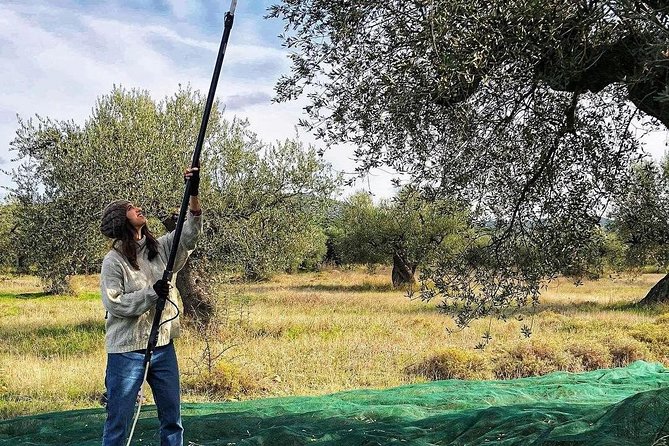
The wine tasting includes four to five labels of organic or biodynamic Greek wine, with white, rosé, and red selections from the farm and other local sources. A wine sommelier leads the session and explains the wines as you taste them.
The grape list is a good clue to the experience: Agiorgitiko, Avgoustiatis, Athyri, Kydonitsa, and Moschofilero. Some of these names will be familiar only if you have already explored Greek wine. That makes the tasting worthwhile for anyone tired of seeing the same international varieties on every menu.
You may taste a red Agiorgitiko, a pale and aromatic Moschofilero, or another selection from the day’s available labels. The exact wines are not guaranteed, since the experience is offered according to availability. If a tasting is unavailable on your chosen date, the provider may offer another date or a similar experience after coordinating with you.
The sommelier’s role is important here. You are not left to guess what separates one Greek grape from another. The session gives you a framework for noticing aroma, body, acidity, and pairing, while keeping the mood social rather than overly formal.


A light lunch built around local food
The wine tasting comes with a light lunch of local treats. The menu may include olives, cheeses, grilled vegetables, Greek pita or pie, and similar regional delicacies. Bottled water and local drinks are also included.
This is not a full restaurant meal, so arrive with sensible expectations. The food is meant to support the tasting, not replace breakfast and lunch for a hungry adult. An early start at 8:30 a.m. makes a substantial breakfast a wise idea.
The pairing is one of the most enjoyable parts of the schedule because it shows how olive oil and wine work with simple food. A cheese, vegetable, or piece of pita can change how you notice a wine. The farm setting also keeps the meal connected to the products you have just been learning about.
Tell the provider about vegetarian, vegan, pescatarian, flexitarian, allergy, or other dietary needs in advance. Bee allergies should also be reported. The farm is outdoors, and advance notice gives the team a chance to plan safely.
How much value do you get for $590.38?
At $590.38 per person, this is an expensive experience. The price needs to be judged against what is included and how many people are in your private group. You receive about three hours at the farm, a local host, a certified olive oil taster, a wine sommelier, four olive oils, four to five wines, lunch, water, and taxes and fees.
The private format adds real value for couples, families, or a small group that wants a tailored visit. You are not paying only for samples. You are paying for access to a working organic farm, specialist guidance, and a more personal pace.
But the price does not include the transfer from Kalamata. Since the farm is about two hours away, that extra charge can change the total substantially. The optional Museum of Olive and Olive Oil in Sparta is also not included. Entrance can be arranged on request, but it costs extra.
For a solo visitor or a couple watching every euro, the cost may be hard to justify. For a group dividing transportation and enjoying a private day focused on food and farming, the calculation looks better. Ask for the complete price, including transport and any museum visit, before booking.
Adding the Olive and Olive Oil Museum in Sparta

A visit to the Museum of Olive and Olive Oil in Sparta is optional and available on request. It is not part of the basic tour price, but it can add useful background to the farm visit.
The museum pairing is especially attractive if you want a broader look at how olives shaped Greek life and production. The tasting shows you the present-day product, while the museum can help place olive growing within a longer story. The supplied schedule does not specify how long the museum stop lasts, so confirm the timing before adding it.
This option also makes the transfer from Kalamata feel more worthwhile. You are already traveling toward Sparta, and the museum can turn a rural tasting into a fuller Peloponnese food and culture day. The tradeoff is more time and an additional fee.
What the guides add to the day
The tour includes a certified tour leader and local host throughout the experience. Maria is specifically associated with the tour and is known for using personal stories and historical narration during the visit. Her role is not limited to pointing out bottles or farm buildings. She helps connect the olive tradition to the place and its past.
You should also expect the wine sommelier and certified olive oil taster to lead their respective sessions. The combination works well because the tour needs both local storytelling and technical tasting guidance.
The personal approach is a clear strength for people who like to ask questions. You can ask about storage, grape varieties, farming methods, or the differences between oils without competing with a large bus group. The private setup also gives the host more room to adapt the pace to your party.
Timing, weather, and what to pack
The experience lasts about three hours at the farm, but your full day will be much longer if you travel from Kalamata. Include the two-hour journey to the farm and the return trip when planning your schedule.
The tour operates from March through November, Monday through Sunday except Thursdays, Greek official holidays, and the period from Holy Friday through Easter Tuesday. Availability is not automatic, so confirmation arrives within 48 hours of booking and remains subject to the requested date.
Good weather is required. If poor weather forces cancellation, you are offered another date or a full refund. The general cancellation policy is strict: once booked, the experience is non-refundable and cannot be changed for another reason.
Pack a hat, comfortable walking shoes, sun protection, and water-friendly outdoor clothing. Bottled water is included, but you will appreciate having suitable clothing for a warm farm visit. If you plan to buy oil or wine, leave room in your luggage, though no purchase details are specified.
Who should book this private tasting?
I would choose this for a small group that cares about Greek food, local wine, farming, and personal guiding. It suits couples, families, and friends who prefer a private outing to a crowded tasting room.
It is also a strong choice for repeat visitors to Greece. The grape varieties offer something different from the standard international wine list, and the ancient olive trees provide a memorable link to the region.
I would be more cautious if you have limited time in Kalamata, dislike long road transfers, or want a bargain-priced activity. The farm is remote from the meeting point, and the extra transportation cost is a major part of the decision.
The optional Sparta museum makes the day more appealing for anyone interested in olive culture beyond food. Families can take part, but adults should remember that the tasting is the main event and that children may find the three-hour farm program slow.
Should you book it?
Book this experience if you want a private, thoughtful look at Greek olive oil and wine rather than a quick sampling session. The ancient groves, unusual grape varieties, local lunch, and expert guidance give the day genuine substance.
Before paying, confirm three things: the tasting is available on your date, the complete transportation price, and any dietary arrangements. If those details work for your group, this is a memorable rural outing from Kalamata. If not, the long transfer and high total cost may outweigh the pleasures of the farm.
FAQ
Where does the tour begin?
It begins at Kalamata Port Authority, Mpoumpoulinas 4, Kalamata 241 00, Greece, at 8:30 a.m.
Where does the tour end?
The activity ends back at the meeting point in Kalamata.
How long does the experience last?
The guided farm experience lasts approximately three hours. Travel time from Kalamata to the farm is about two hours each way.
Is transportation included?
No. You need transportation to the organic farm in Laconia. You may use your own vehicle or arrange transportation through the provider’s partners for an additional charge.
How many wines will I taste?
You will taste four to five Greek wine labels, including white, rosé, and red wines from the farm and other local sources, depending on availability.
How many olive oils are included?
The tasting includes four olive oil varieties, with guidance from a certified olive oil taster.
Is lunch included?
Yes. A light lunch with local treats such as olives, cheeses, grilled vegetables, Greek pita, or similar delicacies is included. Bottled water and local drinks are also provided.
Is the Museum of Olive and Olive Oil in Sparta included?
No. The museum visit is optional, available upon request, and requires an additional entrance fee.
Is this a private tour?
Yes. Only your group participates, and no other participants are added after the booking is made.