REVIEW · ATHENS
Adult Youth Set Free Ceramics Workshops Artemida
Book on Viator →Operated by Me Nero Ceramics Sophia Sotiropoulou · Bookable on Viator
Artemida’s Connect with Ceramics studio gives you a hands-on way to meet Greece through clay, not just through museums and ruins. Over about three hours, Sophia Sotiropoulou helps you shape natural clay into a Cycladic figure, a useful vessel, or a piece inspired by the Archaeological Museum of Brauron.
I like the small group limit of eight, which gives the workshop a personal feel, and I like that Sophia lets you follow your own ideas instead of forcing everyone to make the same object. The main point to check is the extra cost: kiln firing and shipping are not included in the $90.31 price.
In This Review
- Key points at a glance
- Why this Artemida workshop feels different from a standard craft class
- Arriving at Connect with Ceramics in Artemida
- The first hour: clay, tools, and a blank surface
- Choosing between Cycladic figures, Brauron forms, and useful vessels
- Sophia’s teaching style and the value of a small group
- Coloring and decoration before the kiln
- What happens after the workshop
- Is $90.31 good value for three hours?
- Who should book this workshop?
- FAQ
- How long does the ceramics workshop last?
- Where does the activity start and finish?
- Is pickup available?
- What materials are included?
- Can I take my ceramic piece home the same day?
- Is kiln firing included in the price?
- Should you book Connect with Ceramics?
Key points at a glance
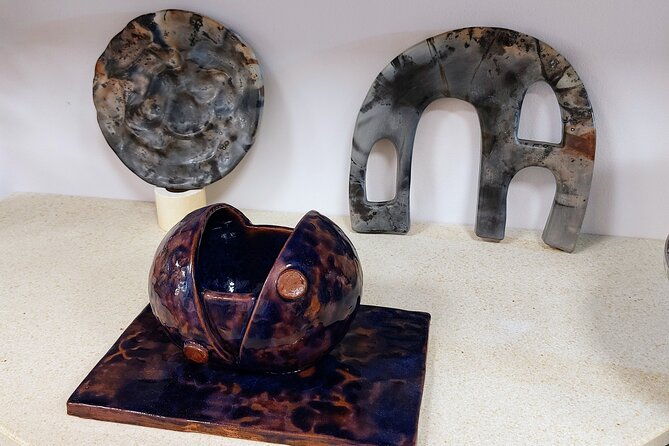
- Greek themes with room for your own ideas: Choose from Cycladic figurines, Brauron-inspired forms, or practical vessels with decorative patterns.
- A small workshop setting: The maximum group size is eight, so you should have room to ask questions and work at your own pace.
- A relaxed creative teacher: Sophia Sotiropoulou offers practical guidance and encouragement, especially useful if this is your first time handling clay.
- Near the beach and Brauron: The studio is about 2 kilometers from the coast and 11 kilometers from the Archaeological Site of Brauron.
- Your work is fired later: Pieces can be collected about 15 days afterward, or shipped to you at your own expense.
- A three-hour indoor and outdoor-weather-sensitive plan: Poor weather can lead to a new date or a full refund.
Why this Artemida workshop feels different from a standard craft class
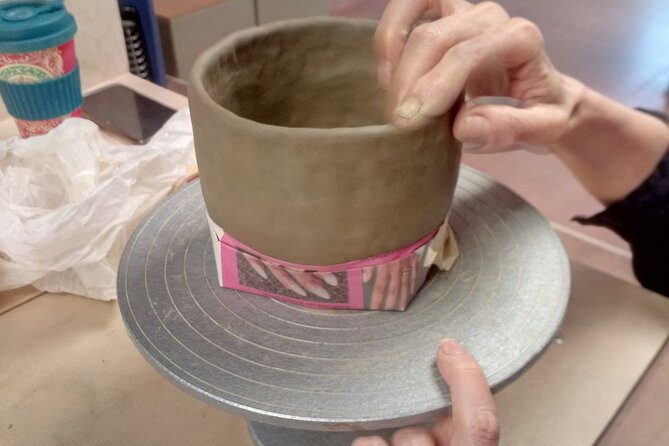
Many holiday craft activities give you a fixed design and a short time to copy it. This one takes a looser path. Sophia introduces you to clay, colors, tools, firing, and decoration, then helps you decide what you want to make.
That difference matters. If you are drawn to ancient Greek art but do not want another passive museum visit, you can turn those shapes into something made by your own hands. If ancient designs are not your thing, you can still build a practical vessel or create a pattern from your own imagination.
The studio’s setting also helps. Artemida sits outside central Athens, close to the coast and within reach of Brauron. You can pair the workshop with a beach afternoon or a visit to the Archaeological Museum of Brauron, then bring those impressions into the clay. The location is not a central-Athens stop, so you need to plan the journey, but that distance is part of the appeal. This is a slower side trip rather than a quick stop between major sights.
I also like the human scale of the class. With no more than eight people, the session should feel more like time with a working artist than a large demonstration. That is especially helpful when your clay starts to crack, your shape leans to one side, or your decoration does not look quite like it did in your head.
A few more Athens tours and experiences worth a look



Arriving at Connect with Ceramics in Artemida
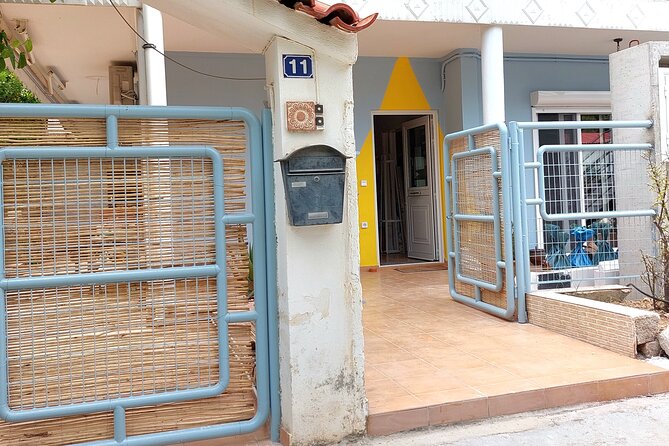
The stated meeting point is Seasabelle The Hotel, Leof. Artemidos 2, Artemis 190 16, Greece. Pickup is offered, but you should confirm the exact pickup arrangement when booking rather than assume it is included from any Athens address.
The activity lasts around three hours and ends back at the meeting point. That makes it easy to plan as a half-day outing. You can schedule it around time at the beach, though I would avoid squeezing it between two fixed appointments. Clay work has a calm rhythm, and the session is more enjoyable when you are not watching the clock.
The studio is approximately 2 kilometers from the beach. That gives you a useful pairing: swim or walk by the water, then spend the warmer part of the day making something indoors. The surrounding area is described as close to wooded countryside, so the setting should feel less urban than central Athens.
If you are coming for Brauron, the archaeological site is about 11 kilometers away. The connection is more than geographic. Brauron provides one of the workshop’s Greek reference points, and you may choose to make a form based on objects from the local museum. I would check opening times for Brauron separately, since the workshop details do not provide them.
The first hour: clay, tools, and a blank surface
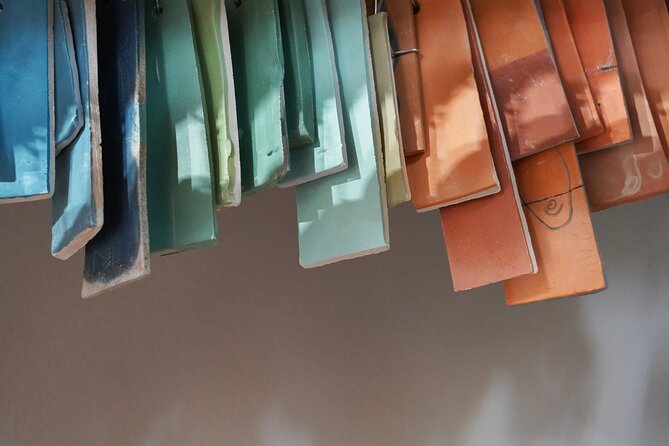
The session begins with an introduction to natural plastic clay, a soft material that can be shaped by hand. You receive the clay, colors, tools, and equipment needed for the class, along with basic technical information about how clay dries, how firing works, and how ceramic colors behave.
That short explanation is useful because ceramics has a few rules that are not obvious at first. Clay can look finished while still needing careful drying. Colors may change during firing. A tall or thin form needs more care than a small solid shape. You do not need prior training, but listening at the start can save you from a preventable crack or collapse later.
The workshop includes hand-building rather than a promise of wheel throwing. That makes the class accessible to beginners and keeps the focus on shape, texture, and design. You might pinch, press, join, or build clay into a form, with Sophia offering advice as your piece develops.
The open format is a strong feature for mixed groups. Friends can work side by side on different projects. One person might make a small figure while another builds a cup or decorative object. You are not expected to arrive with a finished plan, though having a rough idea can help you use the three hours well.
A Greek snack is included. It is a welcome touch during a hands-on session, but it is not lunch, so plan another meal if you are booking around midday.
Choosing between Cycladic figures, Brauron forms, and useful vessels
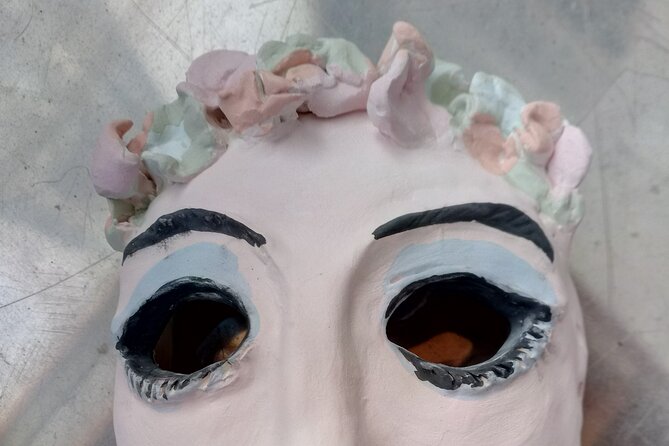
The most distinctive choice is the chance to work from Greek and Tinian ideas. Sophia’s personal roots on the Cycladic island of Tinos shape the workshop’s creative direction, while ancient Greek subjects provide a broader frame.
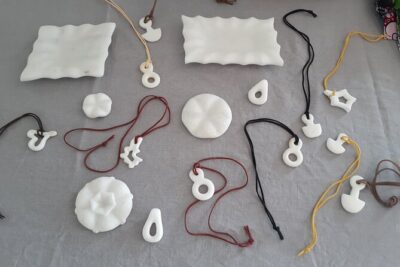
A Cycladic figurine is a natural choice if you like simple human forms and museum objects. These figures can look spare and easy to copy, but their clean lines demand control. You may find that a small change in the angle of a head or the balance of the body changes the whole character of the piece.
Brauron-inspired work gives the class a local connection. The Archaeological Museum of Brauron is one of the important archaeological sites in Attica, and the workshop lets you respond to its objects through making. You are not simply taking home a photograph or souvenir. You are producing a personal version of an older design language.
The third path is a utilitarian vessel. This may suit you best if you prefer objects with a clear purpose. You can shape something practical and then add decoration using sgraffito and other techniques. Sgraffito involves marking or scratching through a surface layer to reveal contrast below, so the finished pattern comes from both building and cutting.
I like this range because it avoids treating ceramics as only a decorative pastime. You can focus on history, personal expression, or function. The choice also makes the workshop suitable for people with different interests, though the open-ended nature may feel less comfortable if you want a tightly directed class with a guaranteed result.
Sophia’s teaching style and the value of a small group
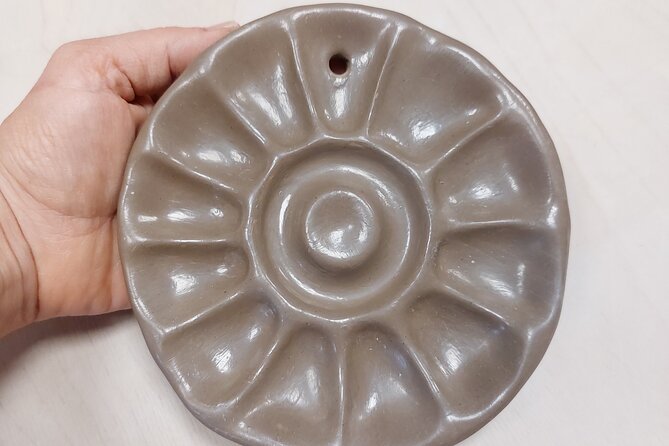
The most consistent quality in the available feedback is the atmosphere created by Sophia. She is described as patient, encouraging, joyful, and practical. Those traits matter more here than a long lecture. Clay responds to touch, pressure, and timing, so you need someone who can show you a correction without taking over your work.
I would expect Sophia to adapt her help to your level and subject. First-time makers can ask for basic support, while more confident participants can explore decoration and personal ideas. The setting is described as open-minded and laid-back, which should suit anyone who prefers learning by doing.
A group cap of eight is another real advantage. In a larger class, you might spend much of the session waiting for help or watching a demonstration from the back. Here, you have a better chance of getting direct advice while your clay is still workable.
The trade-off is that the final result is not fully predictable. Your piece may not look like a polished shop object, and that is normal for a first ceramic session. The point is the process and the handmade character. If you want a perfect souvenir with no risk, buying one of the studio’s finished ceramics may suit you better.
The studio also sells ceramics, and some participants have bought finished pieces. That gives you a second option if your own work needs firing, shipping, or simply does not become the object you hoped for.




Coloring and decoration before the kiln
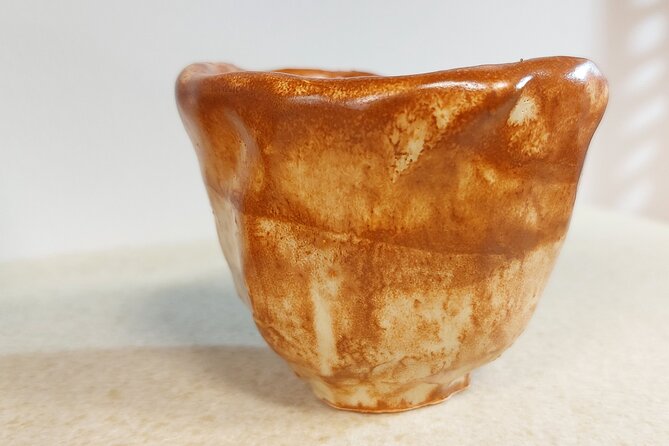
Once the basic form is built, you can work with colors and surface decoration. The supplied information does not promise a fixed palette or a set number of finished objects, so I would treat the class as a chance to explore rather than a production line.
This part can be the most satisfying for you if you enjoy detail. A plain vessel can gain character from marks, lines, incised patterns, or a simple color treatment. Greek-inspired decoration can be a starting point, but Sophia encourages personal ideas, so you do not have to produce a museum copy.
Ceramic color can behave differently before and after firing. The brief technical explanation helps you understand that the wet or unfired surface is not the final one. Ask Sophia about the expected result for your chosen colors and decoration, especially if the appearance matters to you.
The three-hour length gives you enough time to build and decorate, but you should keep your design realistic. A small, well-finished object is likely to be a better goal than an ambitious sculpture rushed in the final half-hour. I would choose a form that matches your experience and leave time to refine edges and surfaces.
What happens after the workshop
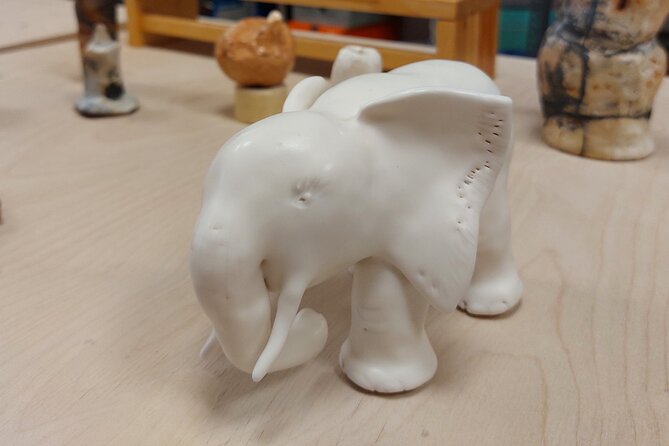
Your creations are fired in the studio kiln after the class. The stated collection time is about 15 days later, which means you cannot count on taking the finished work with you at the end of the session.
This delay is important for anyone on a short visit to Greece. If you are leaving Artemida or Athens before the firing is complete, ask about shipping. Shipping to your address is available, but you pay the delivery cost. The exact fee is not provided, so request it before booking if overseas delivery will affect your decision.
There is a confusing cost detail worth clarifying. The included items cover clay, colors, tools, equipment, snacks, and technical instruction, while kiln firings are listed as not included. The description also says the creations will be fired. In practical terms, assume firing may require an additional payment and confirm the amount with Sophia before you begin.
This is not a serious flaw, but it is a detail you should settle early. A $90.31 workshop price feels easier to judge when you know the full cost of getting your object home.
Is $90.31 good value for three hours?
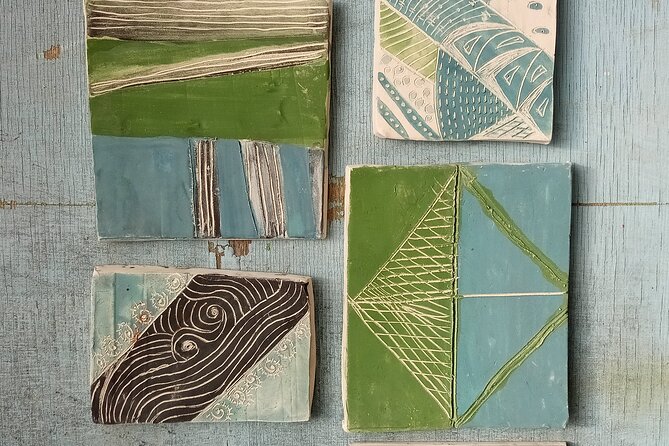
At $90.31 per person, this is not a cheap craft stop. The value comes from more than the lump of clay. Your price includes the studio session, clay, colors, tools, equipment, instruction, and a Greek snack. You also receive guidance from the ceramic artist rather than simply following a printed activity sheet.
The small group helps the price make more sense. Personal instruction costs more than a large class, and the maximum of eight should allow useful contact with Sophia. If you are a group of friends, group discounts may reduce the per-person cost, so it is worth checking the available rate.
The price is strongest for someone who values an original activity and a handmade keepsake. It is weaker if you only want a low-cost souvenir or if you cannot collect or ship your work after firing. Add the possible kiln fee and delivery cost before comparing it with a finished ceramic purchase.
I would see it as a creative half-day rather than a museum replacement. You are paying for time, instruction, materials, and the chance to make something tied to Greece. That can be good value, provided you enjoy the making as much as the finished object.
Who should book this workshop?
I would recommend it to first-time clay makers, couples, families with suitable older children, and friends who want a break from standard sightseeing. Most people can participate, and service animals are allowed. The activity is offered in English.
It should suit you if you like learning through your hands, enjoy flexible instruction, or want to connect a visit to Brauron with a creative task. It also works well after a beach morning, since Artemida’s coast is close to the studio.
You may want to skip it if your schedule leaves no room for a three-hour session, if you need to leave Greece before your work can be collected, or if extra firing and shipping charges are a problem. It is also not the best choice for someone seeking a highly polished result with no trial and error.
Free cancellation is available when you cancel at least 24 hours before the start time. Changes or cancellations inside that window are not refunded, and poor weather can lead to a new date or a full refund. Since weather affects the operation, keep that policy in mind when arranging a beach-and-studio day.
FAQ
How long does the ceramics workshop last?
The workshop lasts approximately three hours and ends back at the meeting point.
Where does the activity start and finish?
It starts at Seasabelle The Hotel, Leof. Artemidos 2, Artemis 190 16, Greece, and finishes back at the same meeting point.
Is pickup available?
Pickup is offered. Confirm the exact pickup details when booking, since the provided information does not state the pickup area or whether an additional charge applies.
What materials are included?
Clay, colors, tools, and equipment are included. You also receive brief technical information about clay, firing, and ceramic colors, plus a Greek snack.
Can I take my ceramic piece home the same day?
No. Your work is fired in the kiln after the workshop. Collection is available approximately 15 days later, or it can be shipped to you at your own expense.
Is kiln firing included in the price?
Kiln firings are listed as not included, although the description says the creations will be fired. Ask Sophia to confirm the firing cost before starting the activity.
Should you book Connect with Ceramics?
Book this workshop if you want an active, personal afternoon near Artemida and like the idea of making a Greek-inspired object from raw clay. Sophia’s patient, encouraging approach and the small eight-person limit are strong reasons to choose it, especially for beginners.
Before paying, confirm the pickup plan, kiln fee, and shipping cost. If those details fit your budget and schedule, this is a thoughtful alternative to another shop or standard sightseeing stop. You may leave with uneven edges and a piece that looks unmistakably handmade, but that is also what gives the activity its character.