REVIEW · ATHENS
Athens Mythological Tour: Boudoir of the Gods
Book on Viator →Operated by Truevoyagers · Bookable on Viator
Myth hits you fast in Athens. This tour turns street corners and famous buildings into a living story of the gods, with expert narration. I love that it mixes famous names like Zeus with stroll-worthy neighborhoods like Plaka, and I also like that it uses a tight route—so you get a clear mythology thread in just about two hours.
Two things stand out for me: the guide-led storytelling that keeps the family tree from turning into alphabet soup, and the smart focus on outdoor, central Athens stops you can actually enjoy without extra site tickets. One consideration: it is a lot of walking for a short time, so wear solid shoes and plan for sun, especially in summer.
Small group, big stories.
In This Review
- Key takeaways
- What This Athens Mythological Tour Actually Gives You
- Price and Value: Is $48.01 Worth It?
- Two Hours in Central Athens: How the Route Feels
- Stop-by-Stop: Myths You Can See on the Map
- Panepistimiou (Korai 4): The Opening Scene
- Akadimia (Academy): Gods and Philosophers on a Neoclassical Stage
- Numismatic Museum of Athens: Amazons With Real Fight-Story Energy
- Syntagma District: Statues, Main-Square Power, and God-Story Listening
- Mitropoleos Street: Present Meets Past, Without the Museum Ticket
- Plaka: The Neighborhood of the Gods, Ending Near Monastiraki
- The Real Star: The Guide’s Storytelling Style
- Who Should Book This Tour (and Who Might Wait)
- Practical Tips for Athens Myth Mode
- Should You Book Boudoir of the Gods?
- FAQ
- How long is the Athens Mythological Tour: Boudoir of the Gods?
- Where does the tour start and where does it end?
- Is the tour offered in English?
- Is admission included for the stops?
- Is hotel pickup or drop-off included?
- Can I cancel for a full refund?
Key takeaways
- Story-first route through Plaka, Syntagma, and classic central Athens streets—built to make myths feel real.
- Expert guides who can connect the tales to your questions and even your day job; Penelope and Christina are both mentioned as memorable guides.
- Amazons at the Numismatic Museum: a myth focus that goes past the usual Zeus-Athena loop.
- Neoclassical Akadimia (the Academy) gives you gods-and-philosophers vibes right away.
- Flexible pacing when someone needs a slower moment, including a real case of a twisted ankle being accommodated.
What This Athens Mythological Tour Actually Gives You
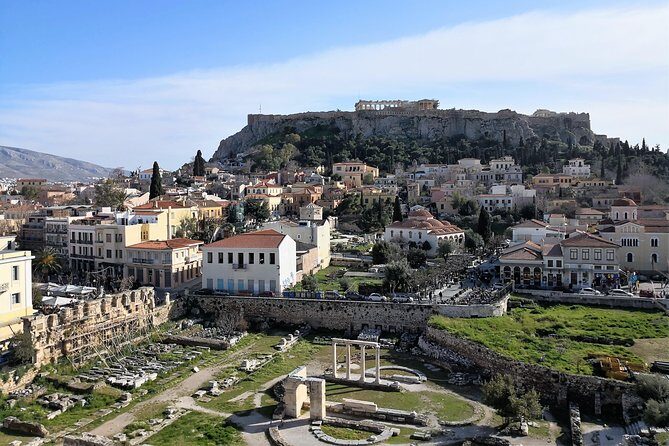
This is not a museum lecture where you stare at marble until your brain turns to pudding. The Athens Mythological Tour, called Boudoir of the Gods, is a walking experience that uses the city as your storybook. You’re moving through the parts of Athens where mythology lingers—in names, statues, and the way the streets line up with landmarks.
The biggest value here is the structure. Greek mythology can feel like a tangled phonebook. A good guide turns it into something you can follow: who’s related to whom, why everyone is angry, and how a myth changes depending on who’s telling it. That’s exactly the kind of narration you’ll get—storytelling narration by an expert, in English, with a small group (maximum 15).
And you’re not just stuck on one theme. You start with Athens’ big myth ideas, then you shift into neighborhoods and buildings that look like they were designed to stage stories. Even if you think you know Greek myths already, you’ll likely pick up a few twists—especially around the Amazons.
You can also read our reviews of more tours and experiences in Athens.
Price and Value: Is $48.01 Worth It?
At $48.01 per person for about two hours, the price sits in the “reasonable for guided storytelling” zone. You’re paying mainly for two things: a guide who can keep the myth thread straight, and access to a route that hits several major areas without the usual chaos of figuring it out yourself.
A helpful part of the value equation: the stops listed on the route are marked as admission ticket free. That means you’re not paying separate entry fees for each location you visit. Your cost is essentially the guide + the focused walking itinerary.
One more practical value point: mobile tickets. That matters in Athens, where paper tickets can turn into a hassle. You get a simple way to show up and go.
Two Hours in Central Athens: How the Route Feels
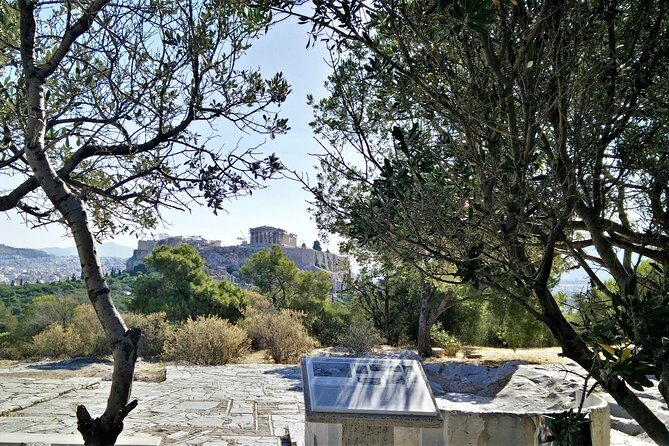
This is a compact tour. You’ll be moving between central points, and the stops are spread to keep you from spending the whole time in transit. Expect a steady walking pace, not a slow parade.
The route is laid out like a guided story walk:
- You meet near Panepistimio (right off Panepistimiou area).
- Then you work your way toward Syntagma and down through main streets.
- You finish in Plaka, in the area people call the neighborhood of the Gods, and end near Monastiraki.
Because it’s outdoors for much of the time, sun protection is more than a nice-to-have. The practical advice is spot on: wear comfortable clothes and shoes, bring water, and consider a hat and sunscreen for summer heat.
If you have limited mobility, you might still be able to join, since the tour is described as most travelers can participate. That said, the walking can be a lot for two hours. One guided moment being adjusted after a twisted ankle shows the guide may help you manage your pace, but you should still plan with your own comfort level in mind.
Stop-by-Stop: Myths You Can See on the Map
You’ll start and end in very walkable, central Athens areas. The meeting point is Korai 4, Athina 105 64, in front of Starbucks—right by Panepistimiou and near the Panepistimio metro station. You’ll wrap up in Monastiraki.
Here’s what each main stop adds to the story.
Panepistimiou (Korai 4): The Opening Scene
You begin at Panepistimiou, at Korai 4, where it’s easy to orient yourself—especially since it’s marked by a major, obvious landmark. The first minutes matter because you’re setting context: what Greek mythology was doing for ancient Athenians, and why the gods felt like neighbors rather than faraway characters.
This is where the tour’s tone clicks. You’re not just learning facts; you’re getting explanations for how myth connects to place. It’s also a quick way to start without needing archaeological site access.


Akadimia (Academy): Gods and Philosophers on a Neoclassical Stage
Next up is Akadimia, the Academy area. The Academy is one of Athens’ most striking neoclassical landmarks, and it has statues of Greek gods and philosophers. That’s a perfect combo for this tour’s format: a building that visually blurs mythology and thinking—myth as cultural memory, and philosophy as cultural direction.
This stop is great if you like moments where architecture carries meaning. You’re not only hearing about the gods; you’re also watching how they were used in later eras to signal values.
Downside? Because it’s a street-and-building area, you’ll want to pay attention quickly—if you drift to the side for photos, you can miss parts of the narration.
Numismatic Museum of Athens: Amazons With Real Fight-Story Energy
Then you reach the Numismatic Museum of Athens, described as an architectural gem of Athens. The myth theme here is specific: the Amazons.
This is where the tour feels like it has something fresh. Most mythology tours lean on the same set of characters. Here, you get stories about the mythical Amazons and their fighting skills. Even if you’ve heard the word Amazon before, you’ll likely hear the deeper role they play in the myth world and why their reputation mattered.
This stop also tends to work well for people who want a bit of action in the mythology. It breaks up the heavier family-tree sections with a more story-driven focus.
Syntagma District: Statues, Main-Square Power, and God-Story Listening
In Syntagma, you explore the main square area and listen for the myth connections through statues of gods. This is a clever stop because it shows how myth shows up even in places you might assume are purely political or modern.
It’s also a good reminder of a simple travel truth: Athens doesn’t separate history into “then” and “now.” You walk from one era to the next within blocks, and a good guide helps you notice the links.
Practical note: squares can mean more wind, more sun, and more foot traffic. A guide who is watching the group and pacing the narration helps a lot.
Mitropoleos Street: Present Meets Past, Without the Museum Ticket
Next is Mitropoleos Street, where you’ll see how the present meets the past: ancient ruins, churches, and hidden temple corners. This is the stop for people who love that Athens feeling of layers—one era sitting on top of another.
It’s not about doing heavy archaeological touring (and it’s not an archaeological site access tour). Instead, it’s about seeing the everyday city as an anthology of eras. If you’re the kind of traveler who likes noticing details—stonework, street shapes, old religious buildings—you’ll get a lot out of this portion.
Plaka: The Neighborhood of the Gods, Ending Near Monastiraki
Finally, you reach Plaka, the oldest and most picturesque neighborhood often called the neighborhood of the Gods. This is your wind-down stop where the myth stories get a “walkable postcard” setting.
Plaka’s value in a tour like this is atmosphere. You get to finish where it feels most appropriate: narrow streets, historic surroundings, and the sense that you’re walking through a myth-themed city district.
You’ll end in Monastiraki, which is convenient for continuing your day—either to grab food or to connect to other sightseeing plans.
The Real Star: The Guide’s Storytelling Style
The success of this tour comes down to narration. The good news: the guides mentioned in the experience include Penelope and Christina, and both are described as strong at making mythology feel understandable and fun.
What I’d watch for (and what good guides do):
- They keep people engaged the whole time, not just for the first 10 minutes.
- They answer questions thoughtfully instead of rushing past them.
- They connect stories to real life when it makes sense. One guide even related myth figures to a person’s profession, which is a great way to make myths stick in your memory.
You’ll also appreciate practical care. One guide ensured the group stayed out of direct sun and wasn’t overheated. In a city where summer heat can sneak up on you, that’s not a luxury—it’s smart guiding.
Also, the tour format works best if you have at least a basic idea of the main players. If you walk in with zero background, you might find it harder to keep up with the names and relationships. A quick read before you go can make the narration land faster.
Who Should Book This Tour (and Who Might Wait)
This tour fits best if you:
- Want a Greek mythology walking tour focused on stories, not just monuments.
- Like learning through the city—Plaka, Syntagma, and central street scenes.
- Enjoy Q&A and back-and-forth explanations.
- Prefer a short, focused time commitment (about two hours).
You might skip or choose a different format if:
- You hate walking and want mostly indoor stops.
- You’re hoping for a heavy archaeological site experience. This tour does not include access to archaeological sites.
- You want a deep academic lecture. This is story-forward and designed for most visitors to follow without a history degree.
If you’re traveling with kids or teens, it can still work—myths come with built-in drama. Just be sure they’re ready for two hours of walking and some name-heavy listening.
Practical Tips for Athens Myth Mode
A few basics will make your tour smoother:
- Wear comfortable clothes and shoes. This is walking across several central areas.
- Bring water. The guidance recommends it, especially in summer.
- Consider a hat and sunscreen. You’ll be exposed to sun at multiple points.
- Use the mobile ticket on your phone so you’re not fumbling with papers.
- If you’re sensitive to heat or need breaks, tell the guide early. There’s a track record of adjusting the pace when someone needs it.
For best results, I’d also do a tiny prep step before you go: look up the major Olympian figures and learn who’s related to whom. Not a full deep study—just enough to recognize names when they pop up.
Should You Book Boudoir of the Gods?
If you want an Athens experience that mixes mythology with actual city wandering, book it. The small group size (up to 15), the English narration, and the story-first approach make it a strong value for $48.01. You’ll see major central areas, avoid extra admission friction at the listed stops, and leave with myths that feel less like random trivia.
I’d especially recommend it if you’re the type who enjoys asking questions and wants a guide who can turn myths into a clear, entertaining narrative. And if you’re traveling in peak sun months, go prepared—you’ll enjoy it more when you’re comfortable.
If you’re mainly hunting for archaeological site access, plan something else alongside this. Boudoir of the Gods is about the myth thread running through Athens, not about ticketed dig sites.
FAQ
How long is the Athens Mythological Tour: Boudoir of the Gods?
It lasts about 2 hours.
Where does the tour start and where does it end?
It starts at Korai 4, Athina 105 64, Greece (in front of Starbucks, near Panepistimiou and the Panepistimio metro station). It ends in Monastiraki, Athina, Greece.
Is the tour offered in English?
Yes. The tour is offered in English.
Is admission included for the stops?
The listed stops are marked as admission ticket free.
Is hotel pickup or drop-off included?
No, hotel pickup and drop-off are not included.
Can I cancel for a full refund?
Yes. You can cancel up to 24 hours in advance for a full refund.