REVIEW · ATHENS
Athens: Stoic Philosophy and Wine
Book on GetYourGuide →Operated by CRU BEE-HAVING Wine & Olive OIl Tastings · Bookable on GetYourGuide
Stoicism gets a friendly Athens treatment here: you sit with a glass of Greek wine, taste a few ancient-inspired nibbles, and talk about how old ideas can help with modern frustrations. The session traces Stoicism from its birth in Athens around 300 BC through Seneca and Emperor Marcus Aurelius.
I like the small group of 10 or fewer, which gives the conversation room to breathe, and I like the setting, an atmospheric wine and olive oil bar rather than a formal classroom. The main consideration is timing: 45 minutes is enough for an introduction, not a full philosophy course. This is also an adults-only activity for people aged 19 and over, and it is not suitable for anyone with a nut allergy.
In This Review
- Key points at a glance
- Why Stoicism works well with Greek wine
- Entering the central Athens wine and olive oil bar
- The 45-minute conversation
- From Athens around 300 BC to Marcus Aurelius
- Tasting Greek wine and older grape varieties
- Ancient nibbles in a modern setting
- What makes the small group worthwhile
- Who should book this experience
- Value, timing, and booking flexibility
- How this compares with other Athens activities
- Should you book Athens: Stoic Philosophy and Wine?
- FAQ
- How long does the Stoic Philosophy and Wine experience last?
- Where does the activity take place?
- How do I find the host at the meeting point?
- Who leads the session?
- What languages are available?
- How large is the group?
- What does the session cover?
- Is wine included in the experience?
- Are food tastings included?
- Who should not attend?
- Can I cancel for a refund?
- Do I have to pay when I book?
Key points at a glance
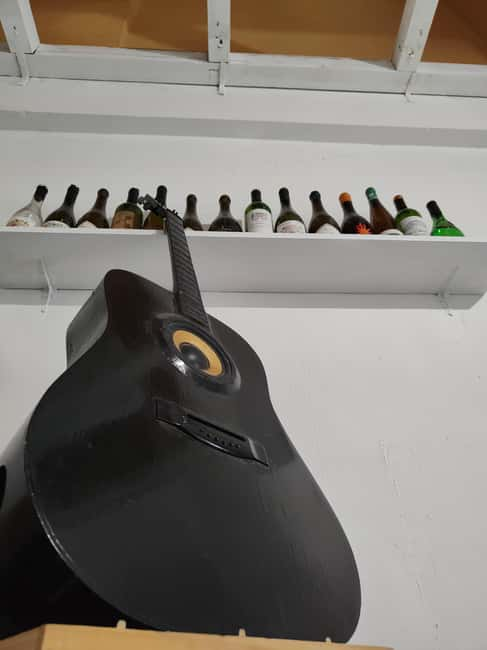
- A wine bar, not a lecture hall: You discuss Stoic ideas over Greek wine and simple nibbles.
- A short Athens experience: The session lasts 45 minutes, making it easy to fit into a busy sightseeing day.
- Stoicism in historical context: The talk connects its Athenian beginnings with Seneca and Marcus Aurelius.
- Greek grape varieties: Wine is part of the lesson, with attention given to older Greek varieties.
- A personal host: Anton, also referred to as Antonio, leads the conversation in English or Greek.
- Useful practical limits: The activity welcomes participants aged 19 and over, but people with nut allergies should not attend.
Why Stoicism works well with Greek wine
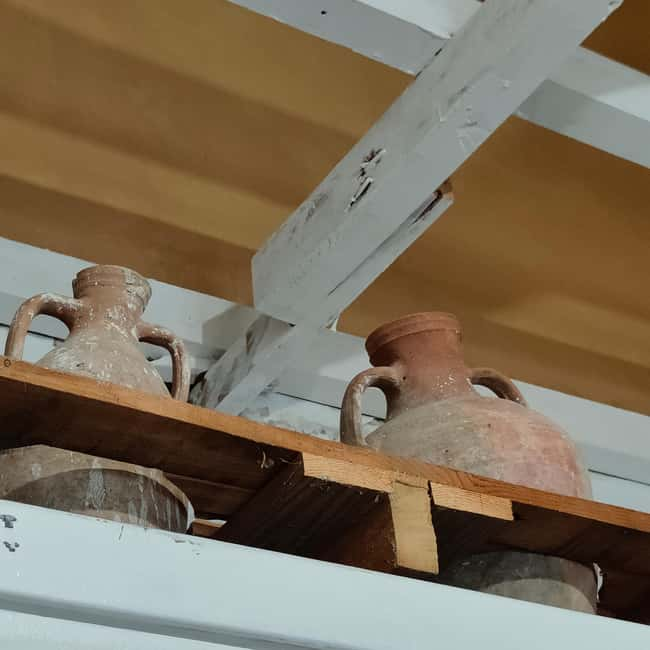
The clever idea here is not simply to add philosophy to a wine tasting. It is to use the relaxed rhythm of a wine bar to make a demanding subject easier to approach.
Stoicism can sound severe when reduced to a few famous sayings about self-control. In this session, the subject is presented as a way to think about ordinary life, disappointment, frustration, and the limits of your control. That makes it useful for someone who wants more than another round of ruins and museum labels.
You will hear how Stoic philosophy began in Athens around 300 BC with its founder, commonly known as Zeno, and how it later found an audience in the troubled Roman world through Seneca and Emperor Marcus Aurelius. The history gives the conversation a clear route, from Greek beginnings to Roman practice.
The wine matters, too. Greek wine is not treated as a background drink. Ancient grape varieties give you a taste of Greece that connects naturally with the historical subject. You are not only hearing about the ancient world, you are sampling one small part of its continuing food and drink culture.
You can also read our reviews of more wine tours in Athens



Entering the central Athens wine and olive oil bar
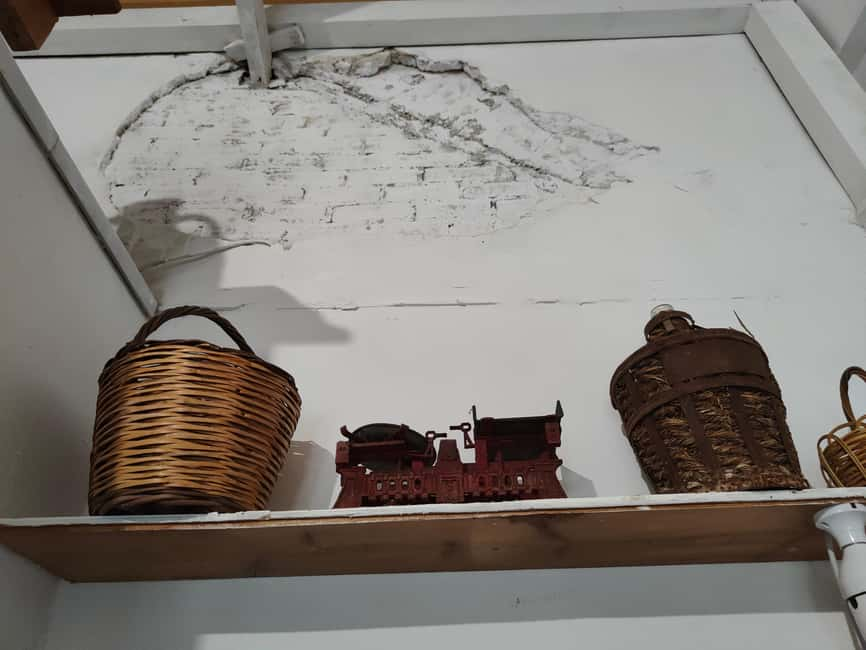
The meeting point is at 37.984947204589844, 23.731922149658203 in central Athens. You should use the exact address supplied with your booking, go to that location, step inside, and give your name.
The setting is one of the strongest parts of the experience. A wine and olive oil bar has a softer feel than a lecture room, and that suits a discussion about how to live well. You can expect the atmosphere to be social and informal, with the drink and food helping people settle into conversation quickly.
There is no sightseeing transfer or walking route involved. You make your own way to the venue, which keeps the experience simple but also means you need to allow enough time to find the address. Since the activity lasts only 45 minutes, arriving promptly matters. A late arrival would take a noticeable chunk out of the session.
The 45-minute conversation
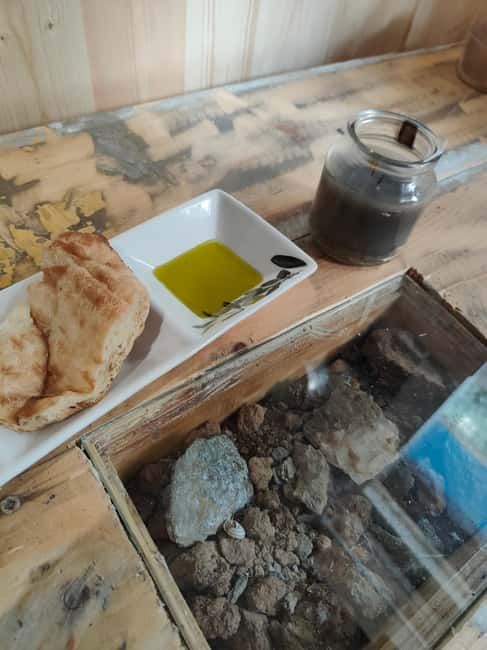
This is best understood as one continuous conversation rather than a series of stops. You arrive, meet Anton or Antonio, receive your wine, and begin discussing Stoic ideas alongside Greek history and daily life.
The short format has a clear advantage. You can place it between major Athens sights without giving up half a day. If you have spent the morning at ancient sites, the session offers a change of pace without taking you far from central Athens.
The limitation is just as clear. Forty-five minutes cannot cover every Stoic thinker, argument, or historical debate. You should book it for an engaging introduction and a thoughtful exchange, not for an academic study of ancient philosophy.
The host appears to be central to the experience. Karen from Australia described Anton as generous and said the conversation was lively and fascinating. That points to a host-led discussion rather than a memorized speech. You should expect the value to come partly from the questions you bring and the way the group responds.
From Athens around 300 BC to Marcus Aurelius
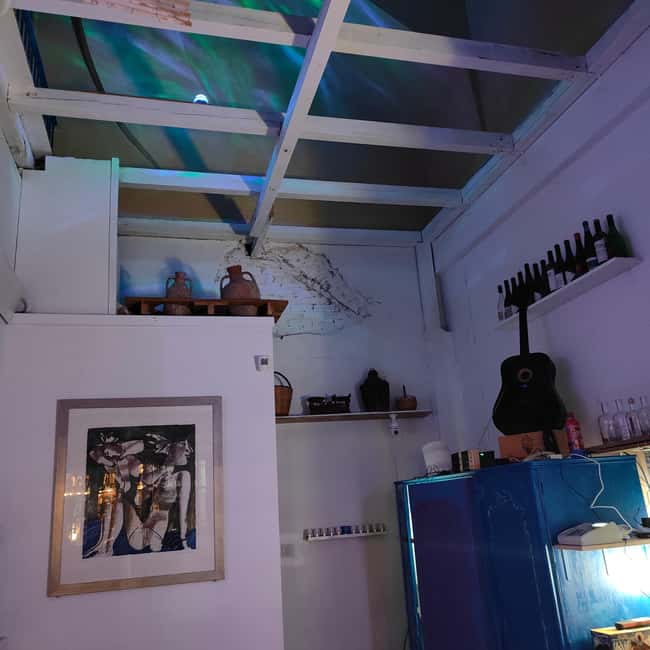
The historical thread gives the session more substance than a general self-help talk. Stoicism was born in Athens around 300 BC, then took on a different role centuries later in Roman society. Seneca brought the ideas into the world of politics, wealth, duty, and danger, while Marcus Aurelius considered them from the position of an emperor.
That movement from Athens to Rome is worth paying attention to. It shows that Stoicism was not reserved for people living quiet lives. Its major Roman voices dealt with power, pressure, illness, conflict, and public responsibility. Those concerns can feel surprisingly close to modern problems.
The session is particularly useful if you like history with a practical purpose. You are not simply memorizing names. You are considering why people in difficult times turned to ideas about judgment, restraint, acceptance, and personal responsibility.
Still, keep your expectations measured. The supplied information does not promise a detailed reading of primary texts or a structured philosophical debate. If you want a specialist seminar, this will probably feel brief. If you want a clear starting point with food, wine, and conversation, the length works in its favor.
Tasting Greek wine and older grape varieties
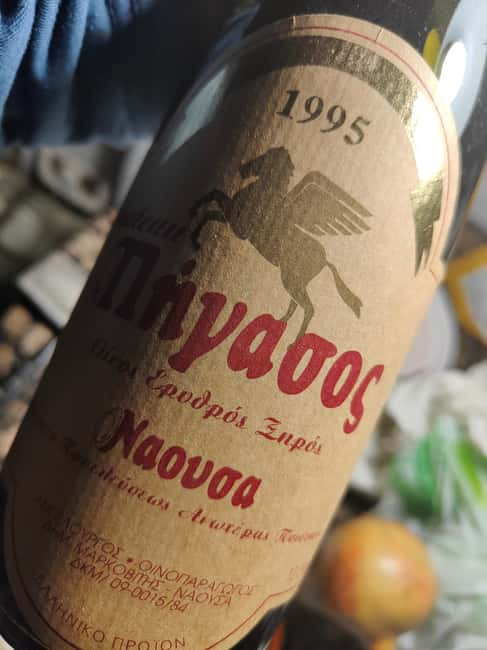
Wine is one of the three main strands of the experience, along with philosophy and Greek history. You will taste Greek wine and learn about ancient grape varieties, giving the session a strong sense of place.
That is valuable because Greek wine can be overlooked by visitors who stick to the country’s better-known foods and monuments. A tasting gives you a reason to pay attention to local varieties and to the way Greek drinking culture can carry historical links.
The information provided does not list the exact wines or the number of pours, so you should not expect a fixed tasting menu unless the host confirms one. The focus is on tasting Greek varieties while talking about Stoicism, not on a technical wine course.
I like that balance. A formal tasting can become a lesson in acidity, oak, and finish. Here, the wine supports a wider conversation. You can enjoy the flavors without needing prior wine knowledge, and the philosophy gives you something to discuss between tastes.
Because nuts are specifically listed as a concern, anyone with a nut allergy should avoid this activity. The food element includes ancient-style nibbles, but the precise ingredients are not provided. This is an important point to clarify before booking if you have dietary restrictions.
- All Day Cruise -3 Islands to Agistri,Moni, Aegina with lunch and drinks included
★ 5.0 · 4,958 reviews






Ancient nibbles in a modern setting
The small bites help bridge the gap between the subject and the setting. Ancient nibbles suggest the kinds of simple foods that can accompany a conversation about Greek ideas, while the wine and olive oil bar keeps the experience firmly in present-day Athens.
Do not expect a full meal. The information describes nibbles, so you should eat beforehand if you need something substantial. Think of the food as part of the tasting and atmosphere rather than lunch or dinner.
This is also where the experience may appeal to people who are tired of standard sightseeing. You can visit twenty temples and still leave Greece without much sense of how its ideas connect to daily life. A well-led discussion over local food and drink can add another layer to your understanding of the country.
One verified booking from Belgium put this point neatly, describing the session as a way to discover more about Greece than through twenty temple visits. That is not a claim that philosophy replaces archaeology. It is a useful reminder that places are shaped by habits of thought as well as by stones and statues.
What makes the small group worthwhile
The group is limited to 10 participants. That is a good size for a conversation because it allows the host to explain a point, hear questions, and keep the exchange from turning into a one-person speech.
A small group also affects the social side. You will meet people who have chosen something more reflective than a standard tour, and the setting encourages conversation. If you prefer to remain completely anonymous, this may feel more personal than you want.
The experience is offered in English and Greek. English-speaking visitors can join without needing Greek, while Greek speakers have the option of taking part in their own language. The supplied details do not state whether every session is bilingual, so check the available language when choosing a time.
The host’s personal approach seems important. One account describes Antonio as speaking from experience and from the heart, with clear passion for the subject. That suggests a human conversation rather than a detached explanation. It also means the tone may vary depending on the group and the questions being asked.
Who should book this experience
I would recommend it most strongly to you if you fit one or more of these descriptions:
- You want a break from conventional Athens sightseeing.
- You are curious about Stoicism but have never studied it.
- You enjoy wine and want to learn about Greek varieties.
- You prefer small-group activities to large guided tours.
- You like conversations that connect history with daily life.
- You have a short gap in your schedule and want something lasting 45 minutes.
It is also a good choice after visiting ancient Athens, when the names of philosophers and the remains of the classical city are already fresh in your mind. The discussion can help turn those fragments into a broader picture.
I would think twice if you want a long tasting, a full meal, or a detailed academic lecture. The format is short, social, and introductory. It asks you to take part rather than sit quietly through a long presentation.
You must be at least 19 years old. People with nut allergies should not attend, since nuts are specifically listed under the activity restrictions.
Value, timing, and booking flexibility
No price is provided in the supplied details, so I cannot judge whether the ticket is cheap or expensive in monetary terms. The better way to assess its value is to consider what you are getting: a 45-minute host-led discussion, Greek wine, ancient-style nibbles, and a small group in central Athens.
That can be worthwhile if you value a focused local experience. You are paying for the host’s time and the chance to discuss a subject that is difficult to encounter through ordinary sightseeing. If wine tasting is your main goal, ask for details about the pours and grape varieties before booking.
The short duration is a practical benefit. You can fit it into a day that already includes museums, archaeological sites, or an evening meal. It is not a substitute for a full Athens tour, but it can add variety to a packed schedule.
Booking is flexible: you can reserve now and pay later, and cancellation is free up to 24 hours before the start time for a full refund. That helps if your Athens plans are still shifting. Availability and starting times should be checked before you choose a slot.
How this compares with other Athens activities
Athens offers several philosophy and history experiences, including walking tours focused on democracy, myths, philosophers, and ancient sites. Those are better choices if you want to move through the city and see physical locations connected with the past.
This experience is different because it stays in one wine and olive oil bar. You trade walking and monuments for conversation, tasting, and a more personal setting.
A Cape Sounion trip or a larger historical excursion suits you if you want scenery, temples, and transport beyond the city center. An olive oil and herb tasting is a closer comparison in terms of food and drink, but it will not give you the same focus on Stoicism.
The right choice depends on the gap in your Athens plans. If your days are already full of ancient stones, this is a refreshing change. If you have not yet seen the major archaeological sights, I would place those first unless philosophy is a particular interest.
Should you book Athens: Stoic Philosophy and Wine?
Book this if you want to consider Greek ideas in a relaxed setting, taste local wine, and spend 45 minutes in a small group with a host who brings personal energy to the subject. The strongest reasons are the combination of Stoic history, Greek wine, and direct conversation, plus the convenient central location.
Skip it if you need a substantial meal, a long wine tasting, or an extensive academic treatment of Stoicism. Also skip it if you are under 19 or have a nut allergy.
For the right visitor, this is a smart little addition to an Athens itinerary. It will not show you another temple, but it may help you think more clearly about the people, pressures, and ideas that shaped the city.
FAQ
How long does the Stoic Philosophy and Wine experience last?
The activity lasts 45 minutes.
Where does the activity take place?
It takes place at a wine and olive oil bar in central Athens. The coordinates provided are 37.984947204589844, 23.731922149658203. Use the exact address supplied with your booking.
How do I find the host at the meeting point?
Go to the stated address, step inside, and give your name.
Who leads the session?
The host is identified as Anton, and also as Antonio in the activity information.
What languages are available?
The session is available in English and Greek.
How large is the group?
The activity is limited to 10 participants.
What does the session cover?
It covers Greek philosophy, Stoicism, wine, Greek ancient grape varieties, and the connection between old ideas and daily life.
Is wine included in the experience?
The activity description says you will enjoy a glass of wine and taste Greek wine varieties.
Are food tastings included?
Ancient-style nibbles are included as part of the experience.
Who should not attend?
People under 19 and people with nut allergies should not attend.
Can I cancel for a refund?
Yes. You can cancel up to 24 hours before the activity for a full refund.
Do I have to pay when I book?
No. The reserve now and pay later option lets you book without paying immediately.